


COLOGNE- Lufthansa (LH) faces widespread flight disruption as pilots and cabin crew stage a coordinated one-day strike affecting operations nationwide. Frankfurt Airport (FRA) is expected to see major cancellations as thousands of passengers face travel delays.
The strike follows failed pension talks with pilots, while cabin crew unions protest pay conditions and subsidiary restructuring. Munich Airport (MUC) operations may also face disruptions as Lufthansa services across Europe are grounded.
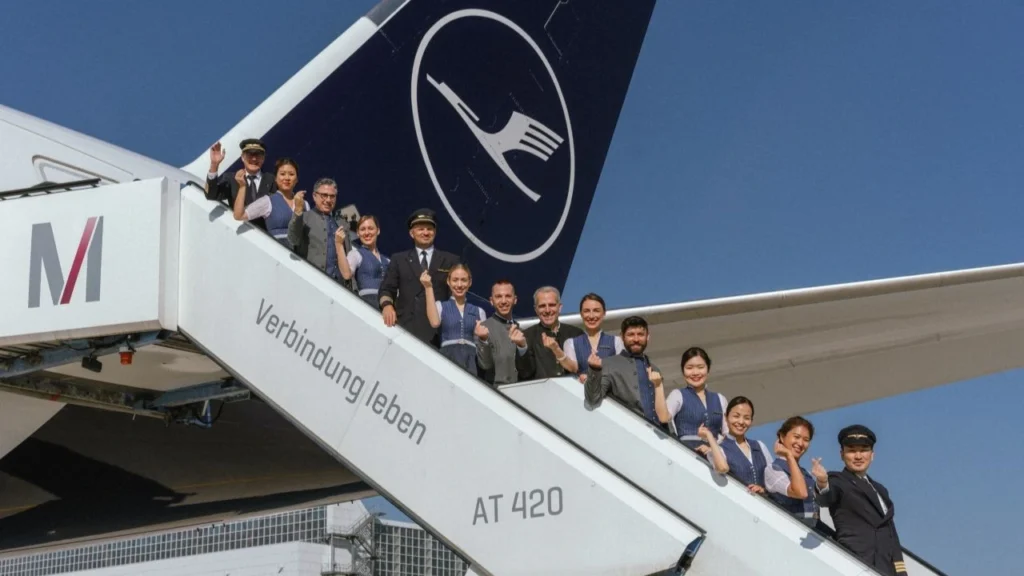
Lufthansa Cabin Crew to Strike
Lufthansa will suspend a large share of its flight schedule as pilots and cabin crew unions carry out a coordinated warning strike lasting 24 hours. The action begins at 12:01 a.m. on February 12 and continues until 11:59 p.m., grounding hundreds of flights.
Pilots represented by the Vereinigung Cockpit union called the strike after seven rounds of negotiations with Lufthansa over pension arrangements failed to produce an agreement. Shortly after this announcement, the UFO cabin crew union confirmed its own strike over disputes related to wages, working conditions, and weakening collective bargaining protections.
The strike involves both mainline Lufthansa cabin crew and employees at Lufthansa CityLine, a subsidiary operating short-haul European routes.
Why Cabin Crew Joined the Walkout
Cabin crew tensions stem largely from Lufthansa’s restructuring strategy. The airline has been shifting operations to lower-cost subsidiaries while planning to close CityLine due to expensive union contracts.
Employees argue that Lufthansa refuses to negotiate a social protection plan for workers affected by the closure. Flight attendants also fear that more routes will be transferred to subsidiaries employing staff on lower wages and benefits.
CityLine crew announced their strike on the same day Lufthansa highlighted expansion plans for its newer subsidiary, City Airlines, at Frankfurt Airport, intensifying union concerns.
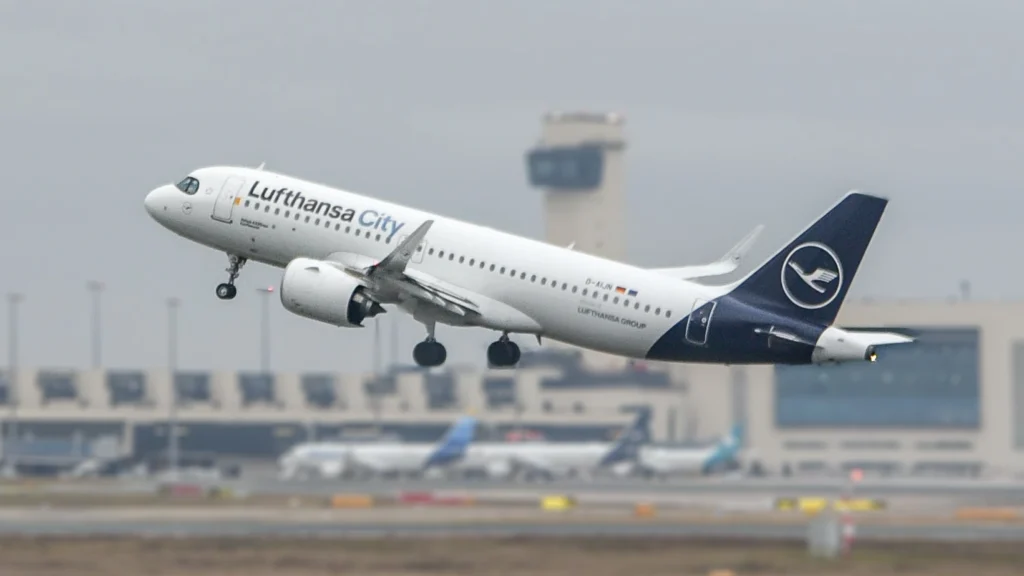
Lufthansa Subsidiary Expansion and Cost Pressure
Lufthansa launched City Airlines as part of cost-cutting measures designed to compete with low-cost carriers in Europe. The subsidiary already operates 13 aircraft from Munich, and Lufthansa aims to deploy seven Airbus A320neo aircraft from Frankfurt under the City Airlines brand by September 2026.
Chief Executive Carsten Spohr previously described Lufthansa’s mainline operation as financially challenging, arguing that cost reductions are necessary to maintain competitiveness.
However, unions claim this strategy shifts work away from established crews while reducing labor standards.
Previous strike actions demonstrate the scale of disruption possible. A similar strike in early 2024 involving cabin crew and ground workers reportedly cost Lufthansa around €350 million, with additional settlement bonuses adding €100 million.
A pilot’s strike in September 2024 led to more than 800 flight cancellations and stranded roughly 130,000 passengers across Lufthansa’s network.
According to PYOK, upcoming strike action could cause comparable disruption if negotiations remain stalled.
Pilots state Lufthansa has failed to provide a compromise on pension arrangements despite prolonged negotiations. Union leaders view the warning strike as pressure to restart serious talks.
Lufthansa maintains that negotiations remain open but has not announced new proposals to resolve the dispute.

Bottom Line
The February strike is classified as a warning strike, signaling that further industrial action may follow if negotiations fail. Travelers across Germany and Europe are advised to monitor flight status and prepare for possible schedule changes.
The outcome of negotiations in the coming weeks will determine whether Lufthansa faces prolonged operational disruption.
Stay tuned with us. Further, follow us on social media for the latest updates.
Join us on Telegram Group for the Latest Aviation Updates. Subsequently, follow us on Google News
