

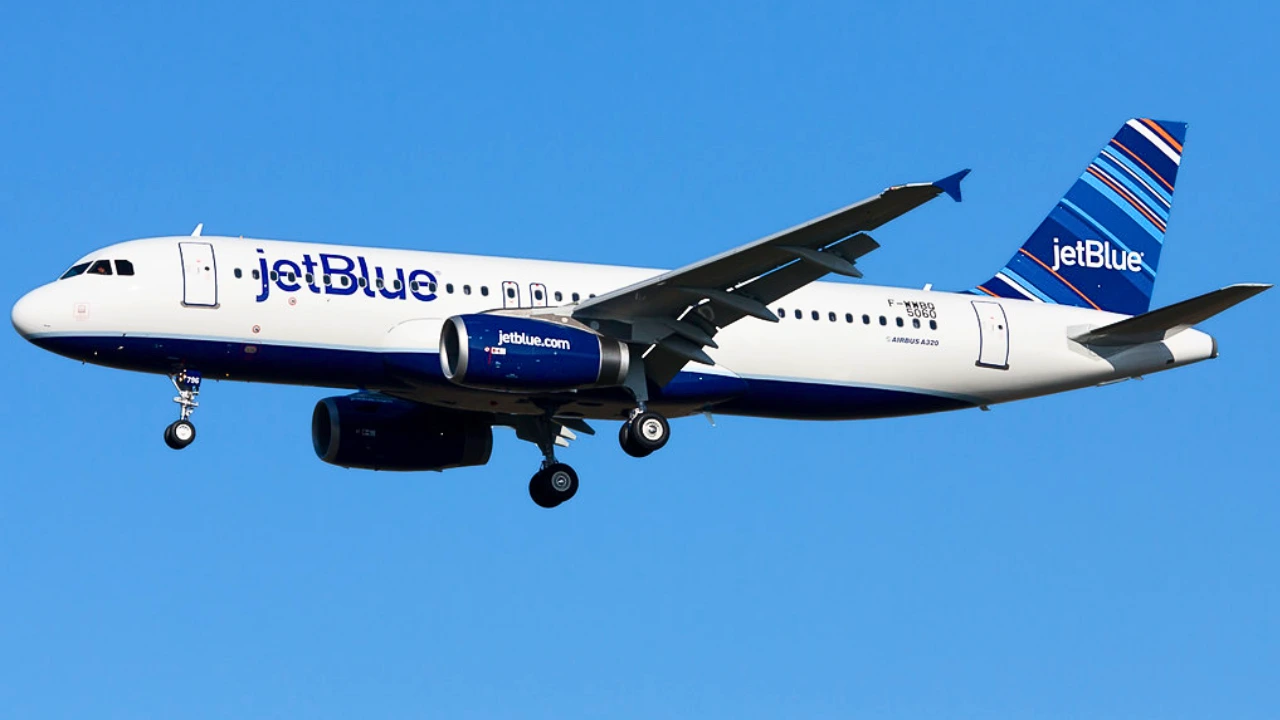
NEW YORK- Passengers injured after a JetBlue (B6) Airbus A320 suddenly lost altitude are suing Airbus and its flight control supplier, alleging unsafe autopilot software design.
The incident led to emergency diversion, injuries onboard, and later a global software rollback affecting thousands of Airbus A320 aircraft.
JetBlue Passengers Sue Airbus
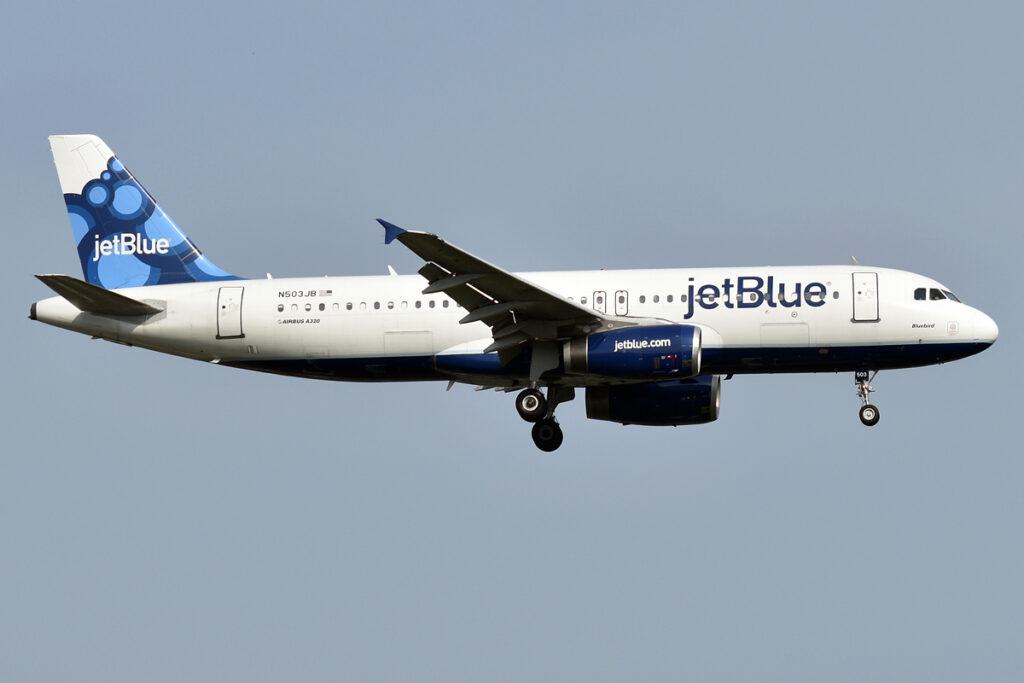
Three passengers from JetBlue flight 1230 filed a lawsuit in Tampa federal court after their aircraft experienced an uncommanded altitude loss while flying from Cancún to Newark on October 30, 2025.
The aircraft, a 21-year-old Airbus A320 registered N605JB, was cruising over the Gulf of Mexico when it suddenly pitched nose down despite the autopilot being engaged. The unexpected descent caused injuries to passengers and crew, prompting pilots to declare an emergency and divert to Tampa.
According to a preliminary National Transportation Safety Board report, 18 passengers and four flight attendants sustained minor injuries when the aircraft dropped roughly 100 feet.
JetBlue began an internal investigation alongside Airbus engineers to identify the cause of the pitch-down event. About a month later, Airbus warned operators that intense solar radiation could corrupt data in the Elevator and Aileron Computer (ELAC), which controls key flight surfaces.
As reported by PYOK, Airbus subsequently instructed airlines to revert aircraft running the newer L104 flight control software to a previous stable version. European regulators also issued alerts requiring compliance before aircraft could return to service.
However, plaintiffs Nadia Ramos, Ricardo Racines, and Natividad Martinez argue solar radiation was not mentioned in official accident authority summaries, raising doubts about Airbus’ explanation.

Software Rollback and Global Fleet Impact
The Airbus alert affected roughly 6,000 A320 family aircraft worldwide. Airlines had to apply software rollbacks or patches before continuing operations urgently.
The issue centered on how ELAC software handled corrupted data inputs. A failure in this system can cause unintended aircraft movements because elevators and ailerons control pitch and roll stability.
Airbus determined the vulnerability appeared only in the latest software release, allowing operators to mitigate risk by reverting to older software versions rather than grounding aircraft indefinitely.
Legal Claims Against Airbus, Thales, and JetBlue
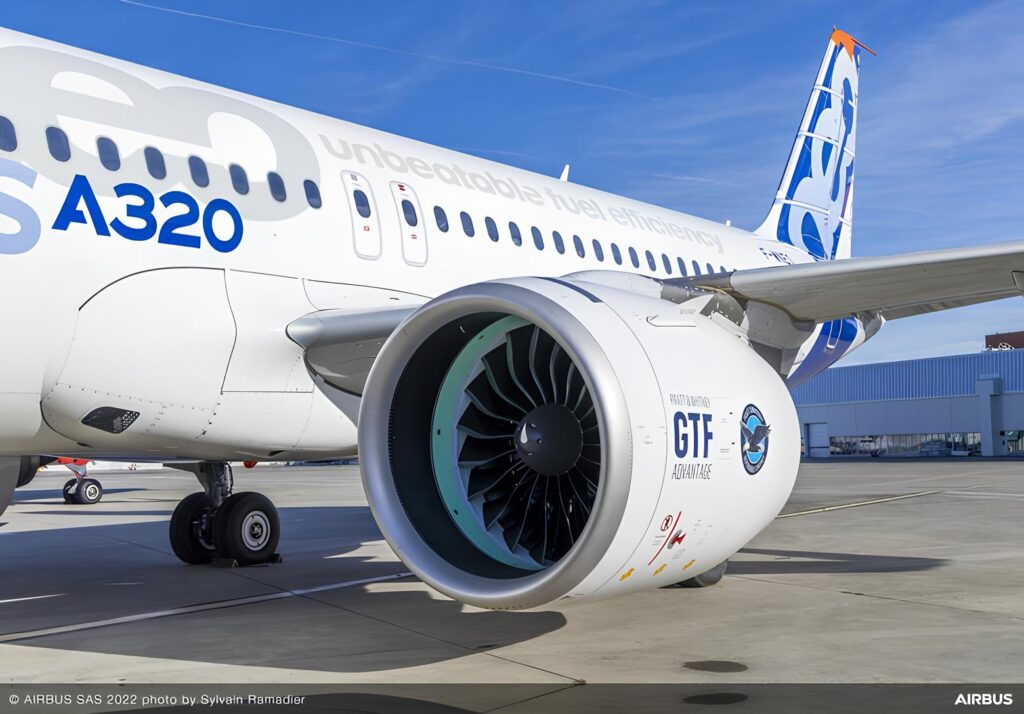
The lawsuit accuses Airbus and ELAC manufacturer Thales of negligence, alleging insufficient testing and certification of flight control software. Plaintiffs claim the system design was defective and unreasonably dangerous.
The passengers also filed claims against JetBlue under the Montreal Convention, which holds airlines liable for injuries sustained during international flights.
The plaintiffs have not specified total damages, but state compensation sought exceeds $75,000. Airbus, Thales, and JetBlue have not publicly responded to the complaint.
The case is registered as Ramos v. JetBlue Airways Corporation (8:26-cv-00048) in the Tampa district court.
Investigation Still Ongoing
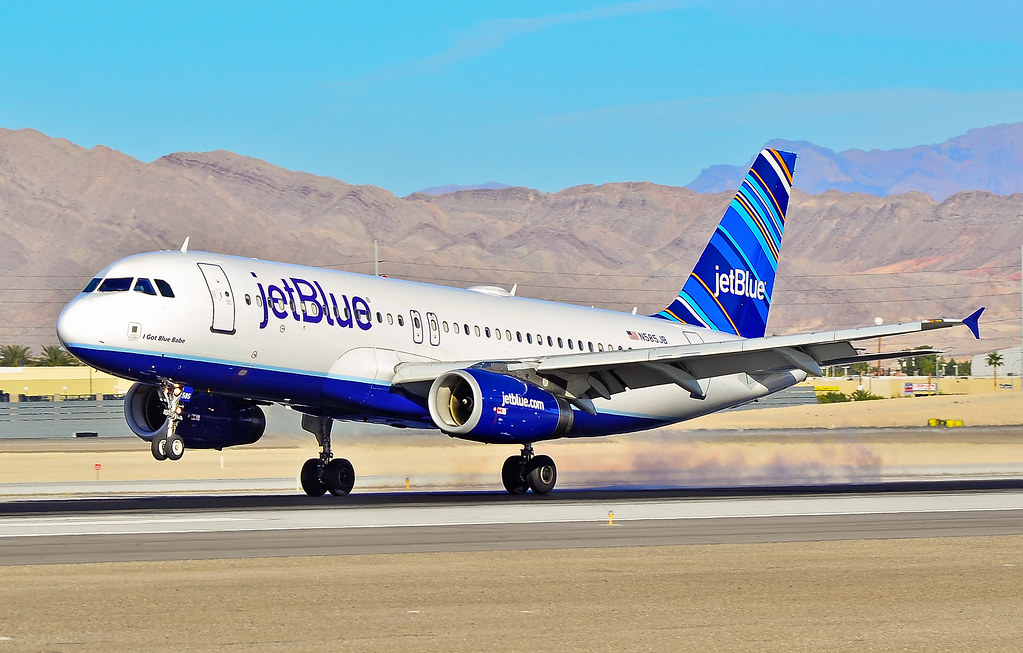
The NTSB investigation remains open, and a final report determining the precise cause of the pitch-down event has not yet been released.
Conclusions could influence future regulatory or legal outcomes, especially if flight control software design is found to have played a critical role.
Stay tuned with us. Further, follow us on social media for the latest updates.
Join us on Telegram Group for the Latest Aviation Updates. Subsequently, follow us on Google News
