

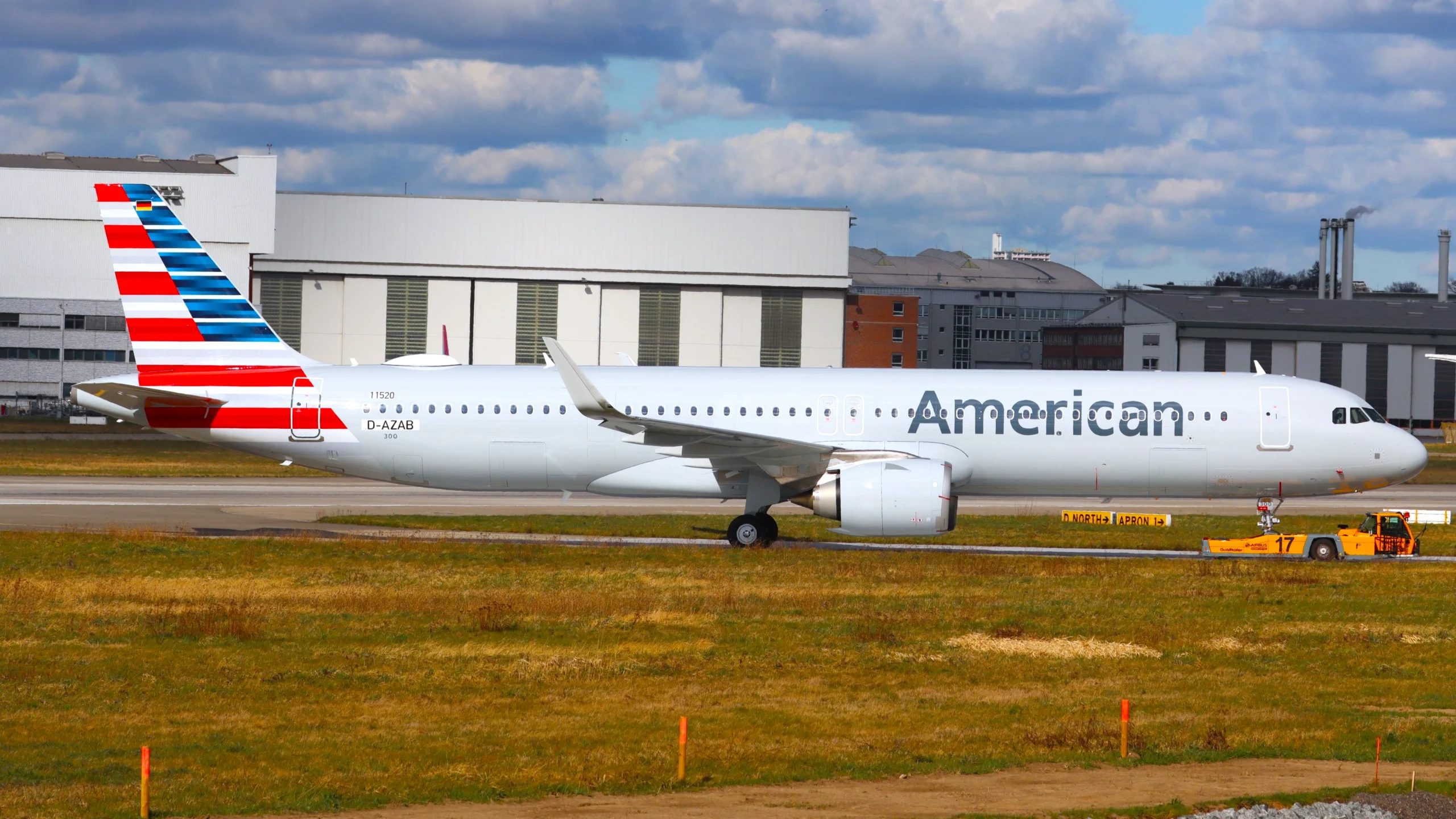
FORT WORTH- American Airlines (AA) has introduced its Airbus A321XLR fleet to upgrade premium travel on long routes, including key transcontinental sectors between New York (JFK) and Los Angeles (LAX). The aircraft debuts new business class suites meant to elevate the carrier’s premium offering.
However, early passenger reactions on the New York (JFK) to Los Angeles (LAX) service suggest the new cabin may prioritize efficiency over comfort, raising concerns about seat design, storage space, and onboard convenience.
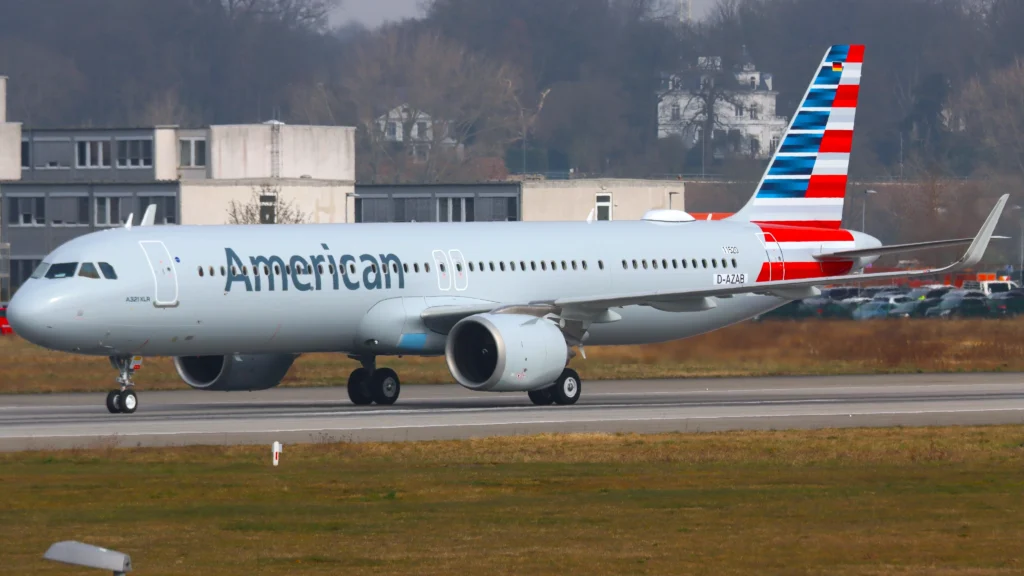
American A321XLR Business Class Review
American Airlines’ new A321XLR business class is marketed as a premium upgrade, but initial onboard reactions indicate a disconnect between design goals and passenger expectations.
Reported by OMAAT, numerous passengers on a recent transcontinental flight openly criticized the new product after landing, an uncommon scenario for a newly introduced premium cabin. Instead of praise, conversations centered on discomfort, tight seating, and confusing cabin orientation.
The business class cabin uses the Collins Aerospace Aurora platform in a herringbone layout, where seats angle toward the aisle rather than the window. While this configuration allows airlines to fit more seats in narrowbody aircraft, it reduces personal space and limits window visibility.
Passengers face away from the window, making views awkward. Storage space is minimal, and the seating area feels enclosed. These compromises are more noticeable on longer flights where comfort matters most.
American’s version appears tighter than comparable products on JetBlue’s A321LR and Iberia’s A321XLR, making the experience feel even more constrained.

Key Issues With The New Business Class Seats
Several design decisions reduce usability during flight.
Door Certification Delay
The suites include sliding doors, but these are not yet certified for use. While not critical, it undermines the premium experience advertised to travelers.
Entertainment Screen Restrictions
Because the screen swings out from the side, American requires screens to be stowed during meal service so crew members can serve passengers. This results in travelers being unable to watch content during meal times, a surprising limitation in modern premium cabins.
Weak Tray Table Stability
Passengers also reported tray tables shaking during use, making it difficult to work comfortably on laptops during the flight.
Each issue alone may seem minor, but combined, they significantly affect passenger comfort.
Lavatory Access Creates Cabin Frustration
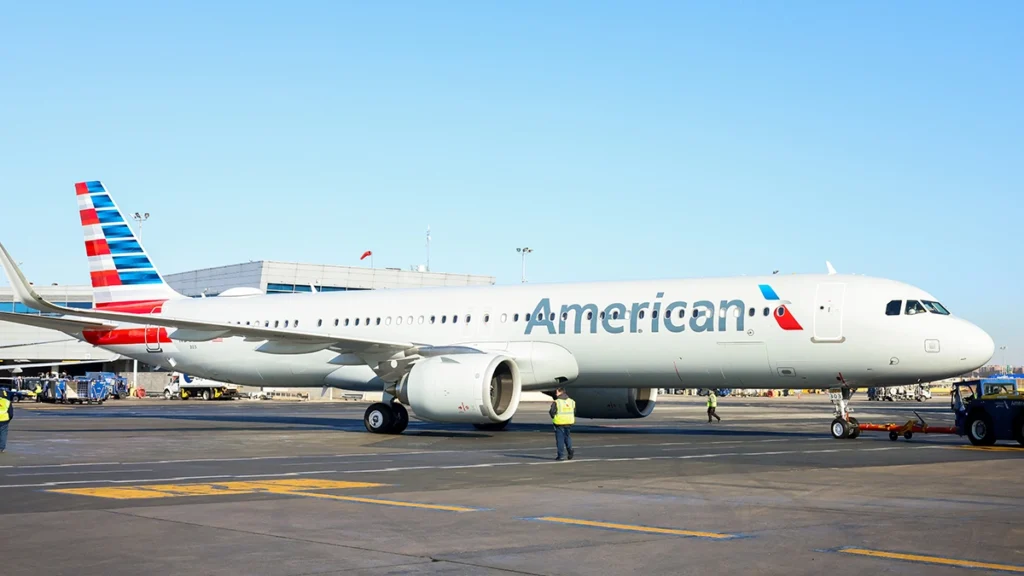
Another major concern is lavatory availability. The A321XLR layout includes only one lavatory at the front of the aircraft, shared by business class passengers and pilots. Three lavatories are located at the rear for economy travelers.
Premium economy passengers have no dedicated lavatory, forcing them to walk either to the front or the back of the aircraft, depending on the route policy. On domestic flights, passengers may use any lavatory, increasing congestion in the forward cabin.
On international routes, premium economy travelers are directed to economy lavatories, yet pre-landing rush periods still create heavy demand across cabins.
With 20 business class passengers and crew sharing one forward lavatory, congestion is almost unavoidable, especially before landing.
JetBlue avoids this issue by installing two forward lavatories, while Iberia operates fewer business class seats, reducing demand pressure.

Why Airlines Are Making These Tradeoffs
The shift toward narrowbody aircraft on longer routes explains many of these compromises.
The A321XLR allows airlines to operate long, thin routes profitably, connecting cities that previously lacked nonstop options. To make routes viable, airlines must maximize seat counts while controlling operating costs.
Seat manufacturers, therefore, design more compact business class products, while airlines configure cabins to increase revenue potential. Individually, these decisions make business sense. Combined, they sometimes reduce passenger comfort.
American’s challenge is that it deploys these aircraft on highly competitive transcontinental routes where passengers have many alternatives. Travelers can choose widebody aircraft or competitors offering more spacious cabins.
Other airlines introducing the A321XLR, including United Airlines, may encounter similar feedback due to comparable cabin layouts.
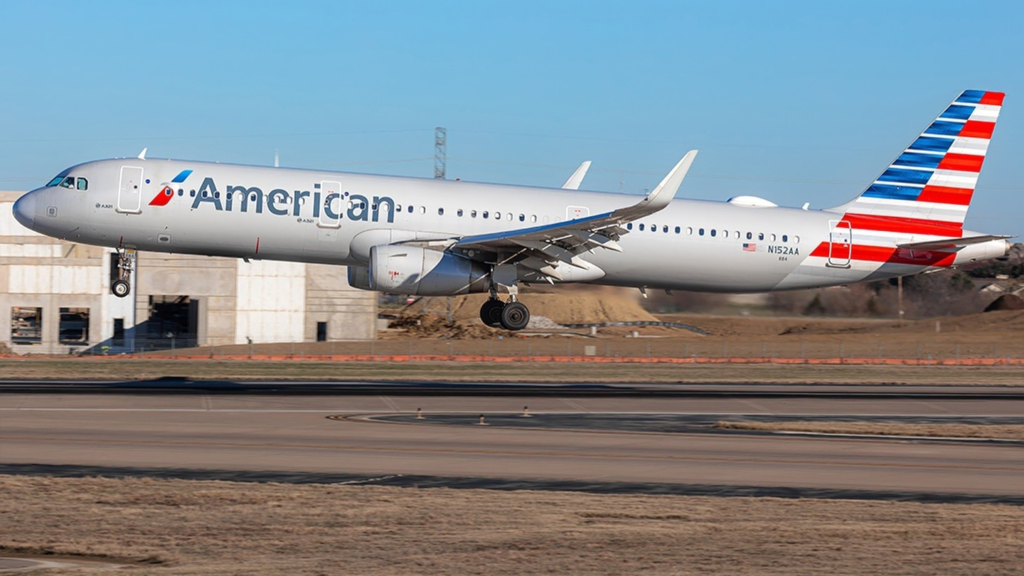
Passenger Reaction Signals A Broader Industry Question
Passenger sentiment matters, especially in premium cabins where fares are highest. While nonstop convenience can outweigh product shortcomings on niche routes, travelers may avoid inferior cabins where alternatives exist.
Airlines will closely watch whether passengers continue booking these flights despite dissatisfaction or shift loyalty toward better onboard experiences.
Some carriers are already reconsidering cabin layouts. Qantas, for example, has begun retrofitting lavatory space on its A321XLR aircraft after early passenger feedback.
Final Thoughts on American’s A321XLR Business Class
American Airlines’ A321XLR introduces direct aisle access and modern suite concepts to narrowbody flying, but the cabin’s efficiency-first design compromises comfort in several areas.
Passengers face tight seating, restricted entertainment use during meals, and insufficient lavatory access. Early traveler reactions suggest disappointment, especially compared with American’s newer Boeing 787-9 premium cabins.
The aircraft may succeed on routes where nonstop convenience outweighs comfort concerns. On competitive routes, however, travelers may opt for alternatives offering a better onboard experience.
Stay tuned with us. Further, follow us on social media for the latest updates.
Join us on Telegram Group for the Latest Aviation Updates. Subsequently, follow us on Google News
