

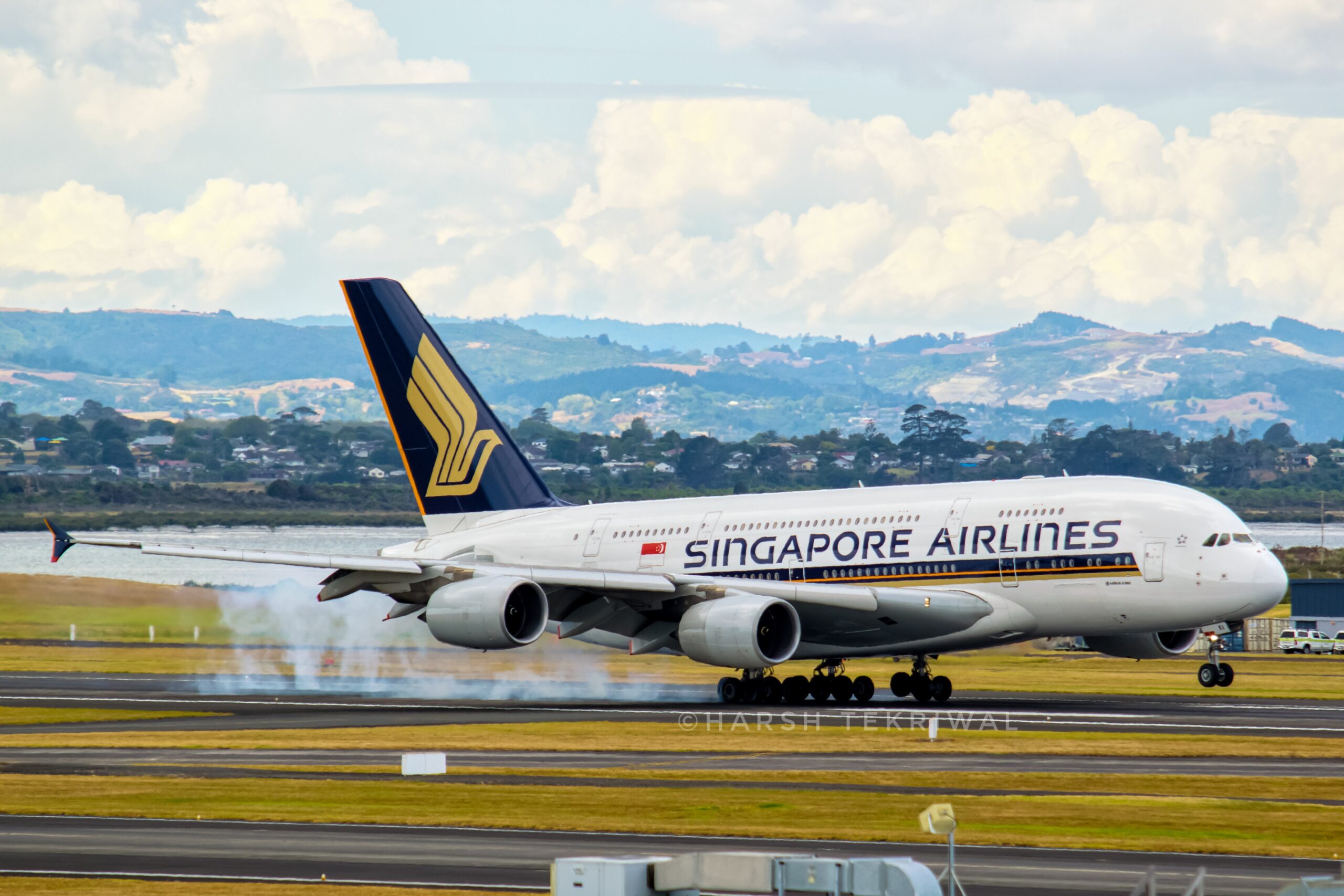
SINGAPORE- Koito Industries triggered a major aviation scandal in 2009 by falsifying safety tests on aircraft seats, delaying Singapore Airlines (SQ) Airbus A380 deliveries from Toulouse Airport (TLS) and affecting over 150,000 seats worldwide.
This deception, uncovered through regulatory probes, led to grounded planes at Changi Airport (SIN), halted refits, and forced retesting across fleets for 32 airlines, marking one of the aviation industry’s most serious frauds, MainlyMiles flagged it recently.
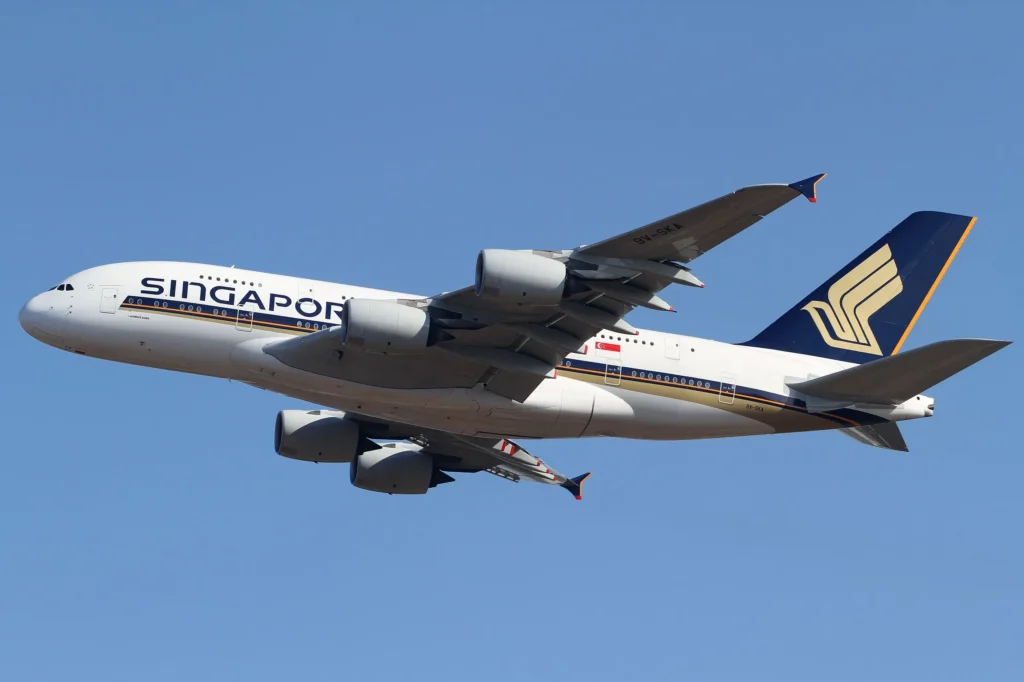
Singapore Airlines A380s Grounded Due to Koito
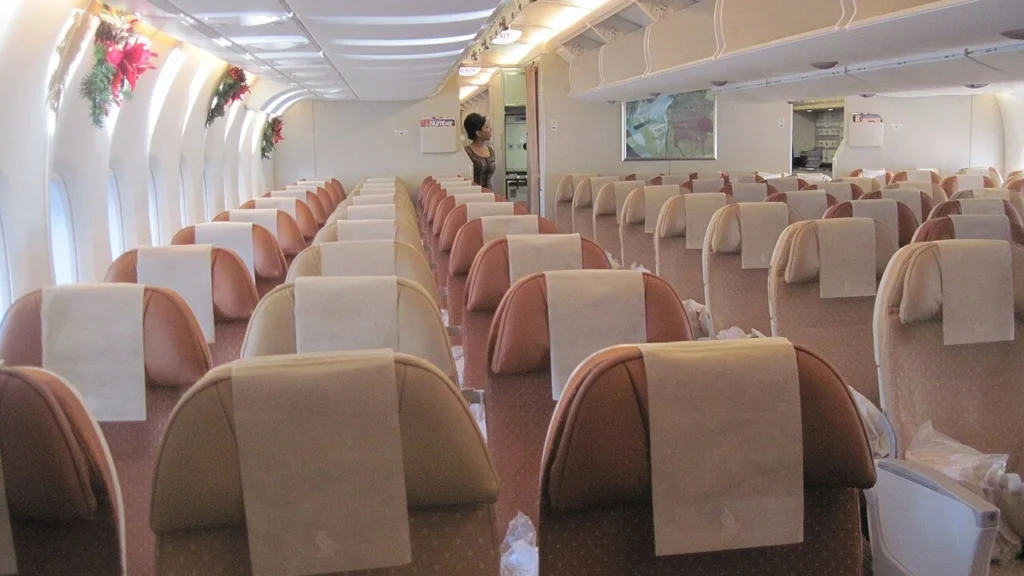
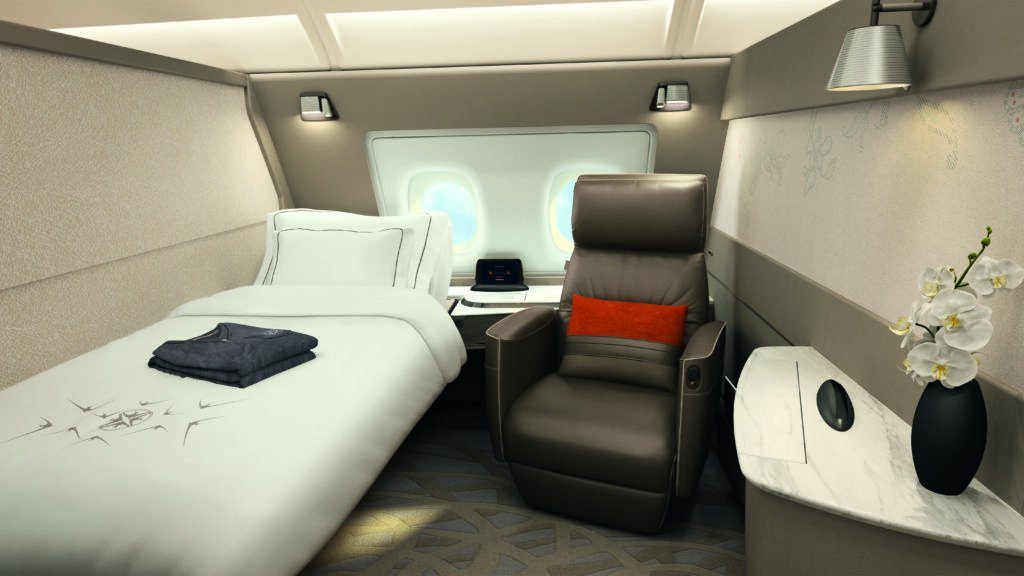
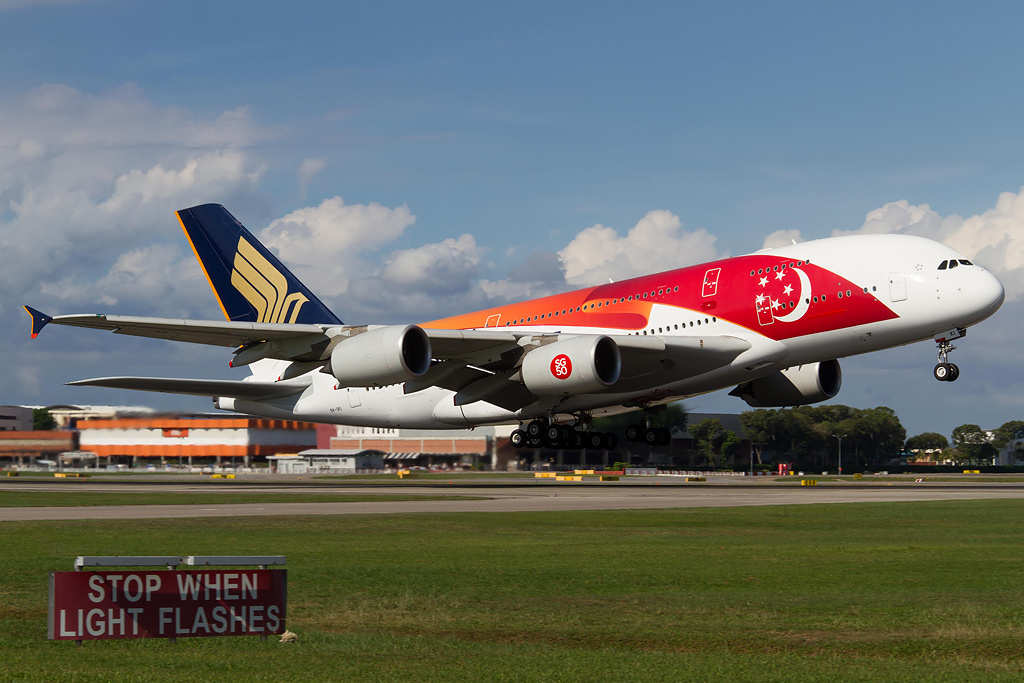
In late 2009, Singapore Airlines’ (SQ) 11th Airbus A380, 9V-SKK, sat sealed on the tarmac at Toulouse Airport (TLS), ready with fresh paint, tested engines, and fitted cabins featuring pioneering 30-inch wide flat-bed Business Class seats.
Delivery, scheduled for January 2010, was delayed six months due to the unfolding scandal in Yokohama, Japan, unrelated to Airbus issues.
Koito Industries manufactured these exclusive seats for SQ, unveiled in January 2006 as “a new world of luxury” with over 25% more lateral space.
The design debuted on Boeing 777-300ER flights from Singapore (SIN) to Paris (CDG) in December 2006.
By March 2007, it expanded to routes including Barcelona (BCN), Frankfurt (FRA), San Francisco (SFO), and Hong Kong (HKG).
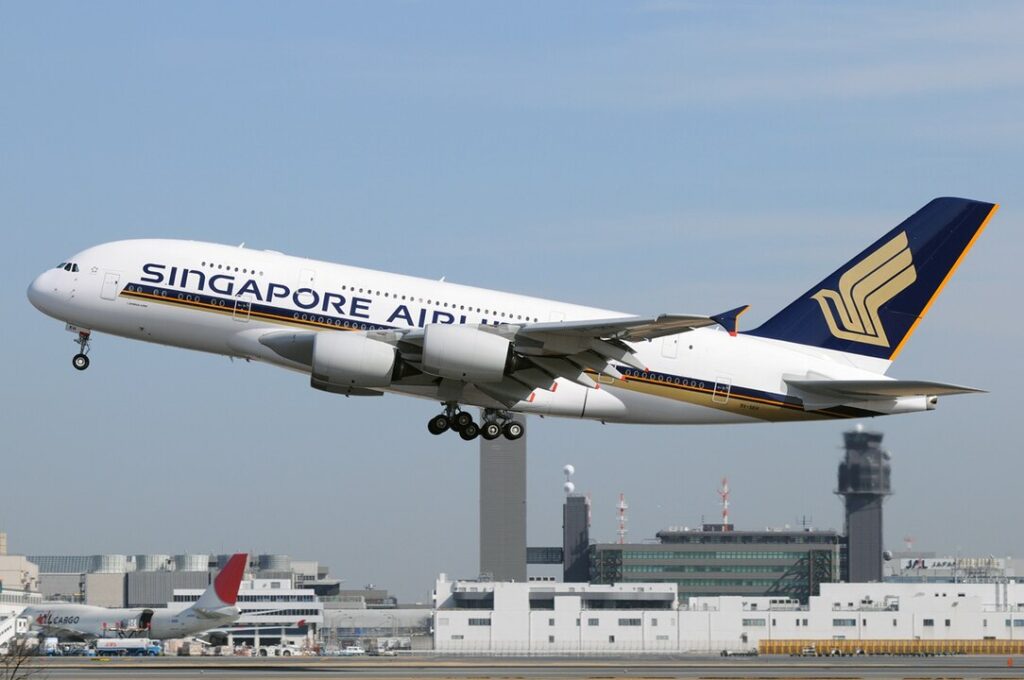
In October 2007, the Airbus A380 launch on Singapore (SIN)-Sydney (SYD) featured a 34-inch version. Further deliveries occurred from 2008 onward.
By 2009, SQ had over 1,800 Koito Business Class seats installed on A380s, A340s, and Boeing 777s. Koito also produced 2006 First Class seats for new Boeing 777-300ERs and retrofits on Boeing 777-300 (non-ER) jets, embedding deeply in SQ’s premium strategy.
Unknown to SQ, Airbus, Boeing, or Japan’s Civil Aviation Bureau (JCAB), Koito falsified safety data systematically for approximately 15 years.
Initial Warnings and Regulatory Actions
The scandal began in early 2009 when JCAB issued a verbal warning to Koito for delivering uncertified fabric seats to Japan Airlines (JL), critical for slowing fire spread in in-flight or post-crash scenarios. This lapse, seemingly minor, exposed deeper issues.
EASA expressed concerns over Koito’s lack of transparency on production processes and quality controls. In September 2009, EASA withdrew Koito’s Production Organisation Approval (POA), an emergency measure halting seat production for Airbus aircraft worldwide.
EASA spokesman Dr. Daniel Höltgen stated, “Our withdrawal of the POA is what I would describe as an emergency measure. EASA’s directive applies to all Airbus planes, even if they are flown outside Europe.”
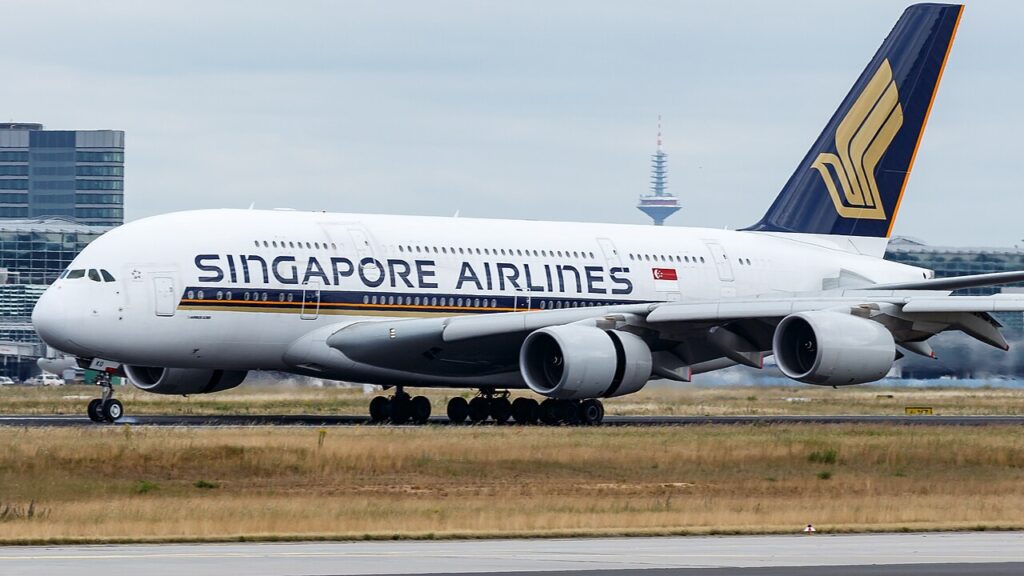
This action stranded SQ’s 9V-SKK in Toulouse (TLS). In February 2010, EASA released a statement: “The Agency is currently evaluating evidence from the Japan Civil Aviation Bureau (JCAB) regarding irregularities in the design and production of Koito seats manufactured in Japan and installed in a number of aircraft types.” The probe expanded to installed seats, including SQ’s fleet.
The Public Confession
On February 8, 2010, Koito President Takashi Kakegawa admitted in Tokyo to deliberate falsification of safety tests across the organization since the mid-1990s. He stated, “Fraudulent acts were conducted across the organization.
Our wrongful acts concerning seats for aircraft severely impair our credibility as an enterprise that engages in aviation related business, and we feel remorse for, and sincerely apologise for, having caused considerable inconvenience and concern to customers and other parties.”
He added, “The whole section in charge was systematically involved in it.”
JCAB’s Shigeru Takano confirmed, “Fraudulent acts can be traced back to the mid-1990s, as far back as we have records. It was an organizational fraud, as such conduct has been found in multiple divisions.”
The scope affected 150,000 seats on 1,000 aircraft for 32 airlines in 24 countries, including Air Canada (AC), KLM (KL), Scandinavian Airlines (SK), Japan Airlines (JL), All Nippon Airways (NH), Continental Airlines (CO), EVA Air (BR), Thai Airways (TG), and SQ.
Koito’s share price dropped 33%, falling ¥80 to ¥159 on the Tokyo Stock Exchange.
Methods of Fraud
Koito cheated on crashworthiness (9g and 16g loads), flammability (fire spread resistance), and structural integrity (normal and emergency conditions) tests.
Methods included fabricating results for failed seats, recycling data from different models, developing software for fake readouts during inspections, forging JCAB stamps with rubber stamps, and using unauthorized materials like adhesives and fabrics.
The company admitted fraud stemmed from increased orders and tight deadlines, opting to lie rather than redesign. Retesting in 2010, supervised by JCAB, showed a high proportion of models failed structural, flammability, and occupant injury criteria, per EASA’s June 2011 directive.
FAA spokesman Les Dorr Jr. noted, “The scope and the extent of these activities are not like anything we have observed before.”
Regulators deemed all Koito data suspect due to pervasive falsification, lack of records, and long duration.
EASA stated seats exhibited unsafe conditions of varying degrees. No prison sentences resulted from the fraud.
Impacts on Singapore Airlines
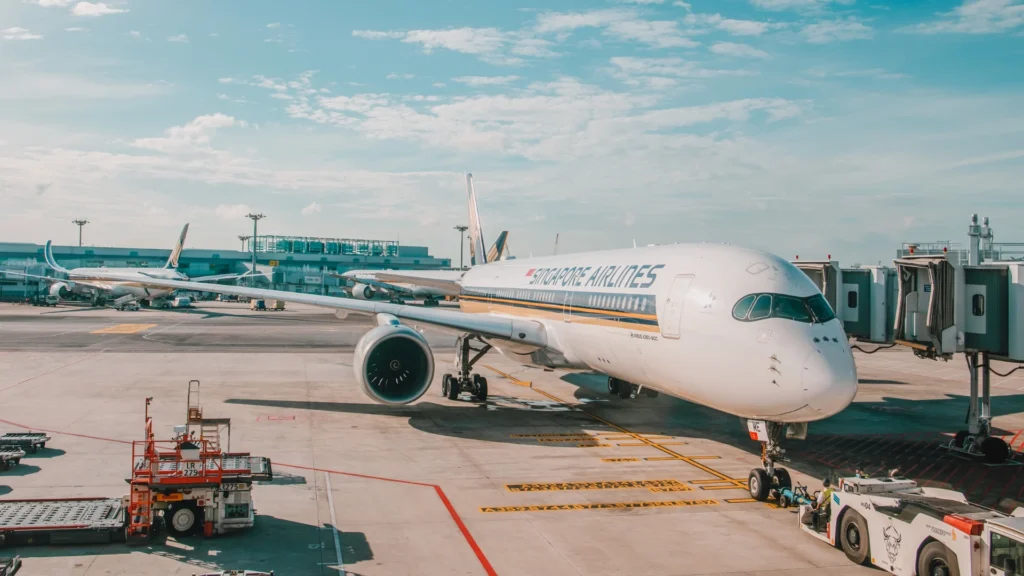
SQ’s premium strategy centered on Koito seats, leading to severe disruptions. The 11th A380, 9V-SKK, delivered in July 2010 under exemption after 6 months.
Three more A380s delayed: 9V-SKL (intended for Singapore (SIN)-Tokyo (NRT)-Los Angeles (LAX) route, switching from Boeing 747-400, extended six months), 9V-SKM, and 9V-SKN.
The Boeing 777-300 refit halted, promising new products on five routes by late 2009 but completing only one aircraft from July 2009 to April 2011, nearly 2 years.
SQ spokesman Nicholas Ionides said in February 2010, “We are working closely with Koito, the aircraft manufacturers and relevant regulatory authorities. We expect the issues will be resolved soon,” proving optimistic.
Existing Koito seats required verification or replacement. In early 2011, Airbus issued exceptional authorization under its POA for delayed A380s.
SQ stated, “We have three A380 deliveries coming up in the next few months and the priority has been to work with Airbus and Koito to meet certification requirements for the business class seats.”
The 12th A380, 9V-SKL, enabled Boeing 747-400 retirement on Singapore (SIN)-Tokyo (NRT)-Los Angeles (LAX).
The refit resumed but completed years behind schedule. SQ received approximately S$79 million in compensation from Boeing and Koito in early 2013, insufficient for delays, stalled refits, and reputational damage from broken passenger promises.
According to Mainly Miles, EASA’s 2011 directive (2011-0098) omitted A380s initially, listing A300, A310, A318, A319, A320, A321, A330, A340, and Boeing types.
EASA’s 2013 A380-specific directive (2013-0169) targeted SQ’s first 11 A380s (9V-SKA through 9V-SKK), with compressed timelines: two months for initial determination, one year for flammability, eight years for removal, aligning to August 2021 deadline.
When Hi Fly acquired ex-SQ A380s (former 9V-SKA and 9V-SKB) in 2018, it retained seats until August 2021.
Hi Fly President Paulo Mirpuri said, “These seats are in use until August 2021. It’s not an exemption for Singapore Airlines, it’s a worldwide AD. We did not change the seats, because actually the seats are really, really good.
They are pretty large, pretty reliable, pretty comfortable, so we thought it would be a mistake to replace them by not so good seats before 2021.” Hi Fly did not extend the lease; by deadline, seats became effectively illegal but unused.
The 2006 seats later installed on Boeing 777-200ERs. The final SQ flight with them was SQ321 from London Heathrow (LHR) to Singapore (SIN), landing March 28, 2020, at 6:54 pm amid the pandemic.
Broader Global Effects
Japan Airlines (JL) had Koito seats in 184 aircraft; All Nippon Airways (NH) in 141; both sued Koito. Continental Airlines (CO), EVA Air (BR), and Thai Airways (TG) faced delivery delays.
Thai Airways won over US$107 million in a 2015 London court case, mainly for leasing replacements while new jets grounded.
The scandal coincided with Toyota’s global recalls for accelerator and brake issues; Toyota held a minority stake in Koito’s parent, damaging Japan’s manufacturing reputation.
Regulatory Frameworks
By late 2010, EASA and FAA proposed directives for 150,000 seats. EASA required two years for basic crashworthiness (catastrophic failure risk at 1.5×10⁻⁷ accident rate per flight hour), three years for flammability, six years for dynamic (16g) tests, and 10-year removal even for passing seats, deemed a generous allowance for non-compliance.
FAA’s September 2010 proposal drew objections. Association of European Airlines (AEA) argued JCAB-supervised retesting negated need, citing costs in hundreds of millions and prolonged ground time.
Association for Asia Pacific Airlines, China Airlines (CI), Japan Transocean Airlines made similar claims.
Koito questioned basis, claiming no unsafe condition verified. All Nippon Airways (NH) requested exclusion, promising seat replacement in 10 years or aircraft sale in four to five years.
FAA refused, stating, “We do not agree to withdraw the NPRM. It is a fact that some seats have failed during testing. Failure of the seat, in combination with an emergency landing, is considered catastrophic.”
FAA’s June 2011 directive noted, “This AD was prompted by a determination that the affected seats and seating systems may not meet certain flammability, static strength, and dynamic strength criteria.
Failure to meet static and dynamic strength criteria could result in injuries to the flight crew and passengers during emergency landing conditions. In the event of an in-flight or post-emergency landing fire, failure to meet flammability criteria could result in an accelerated fire.”
FAA omitted the 10-year limit; passing seats could remain indefinitely. SQ submitted to FAA requesting EASA remove the limit; FAA responded, “We acknowledge the importance of harmonizing with EASA, and we have coordinated with EASA on our respective ADs.
However, EASA’s 10-year limiting requirement is a result of its regulatory requirements, and the FAA is not in a position to recommend changes to this.”
Investigations revealed Koito’s oil burner flammability facility failed standards; all Technical Standard Order markings invalid as obtained in violation.
Koito’s Restructuring and Legacy
In April 2010, Koito stopped new orders for up to three years to remediate 1,000 aircraft. Boeing ceased offering Koito seats; Airbus stopped installations.
In August 2011, Koito spun off non-aviation businesses (rolling stock instruments, traffic signals, environmental systems) to Koito Electric.
It renamed to KI Holdings, became a wholly owned subsidiary of Koito Manufacturing in 2019, delisted from Tokyo Stock Exchange, and absorbed in 2020.
Koito no longer manufactures aircraft seats. Parent Koito Manufacturing, now in Tokyo, supplies automotive lighting (headlights, tail lights, signal lamps), some aircraft parts, railway systems, and traffic displays.
The scandal benefited JAMCO Corporation, which supplied replacement seats for SQ’s delayed A380s after an urgent request.
JAMCO stated, “Several years ago, JAMCO was presented with a major opportunity when it received a sudden request for assistance from Singapore Airlines Limited, with which it had established a business relationship supplying galleys and other components for many years.
At that time, Singapore Airlines was having difficulties because Airbus A380 models could not be equipped with seats due to quality problems caused by a seat supplier.
In response, JAMCO took over the duties of the supplier, conducted safety tests to fix the problems, and quickly supplied the needed seats.”
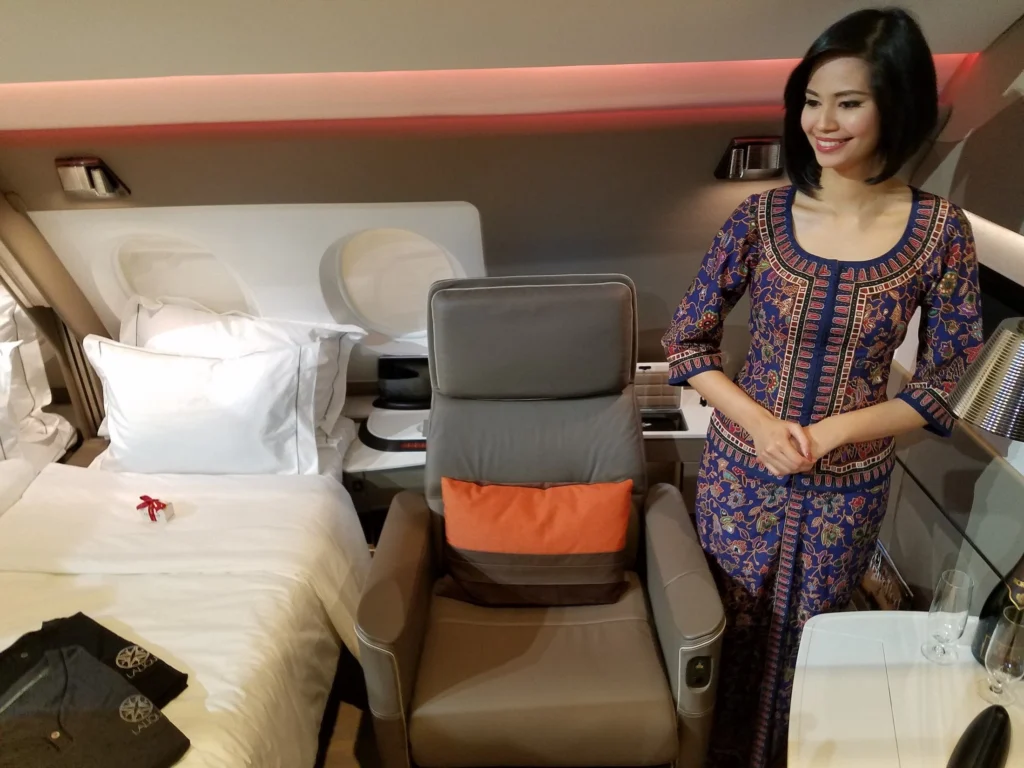
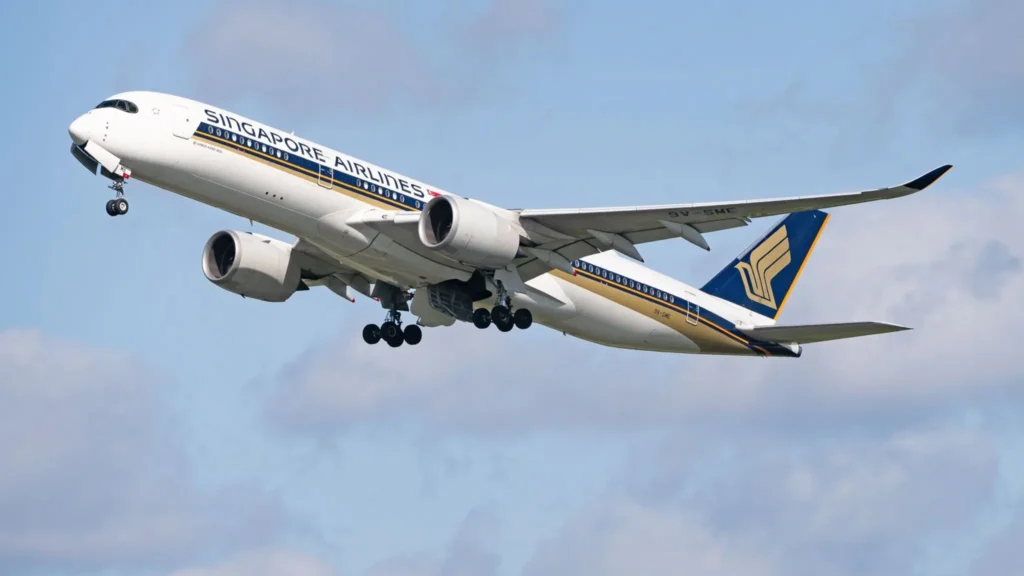
JAMCO won contracts for SQ’s 2013 Business Class on new Boeing 777-300ERs and later Airbus A350 long-haul and ultra-long-range aircraft, plus 2017 Business Class on new A380s from 2017 and retrofits.
Reflections on the Scandal
The Koito fraud evaded detection for 15 years under JCAB oversight. Runway Girl Network noted, “The Koito scandal is widely considered the most serious deception ever to beset the aircraft interiors sector, and many insiders still scratch their heads over how it could have gone unnoticed, seemingly for several years, by the Japan Civil Aviation Bureau.”
Millions of passengers flew on untested seats, but no accidents linked Koito failures to injuries or fatalities, making it a scandal of deception rather than tragedy.
Stay tuned with us. Further, follow us on social media for the latest updates.
Join us on Telegram Group for the Latest Aviation Updates. Subsequently, follow us on Google News
