


DUBAI- Emirates (EK) eyes a possible return to Tel Aviv (TLV) after suspending flights in 2023, signaling renewed confidence in the UAE and Israel travel corridor.
Internal preparations indicate the airline may soon restore operations as regional travel demand rebounds and diplomatic conditions improve, Bloomberg reported.
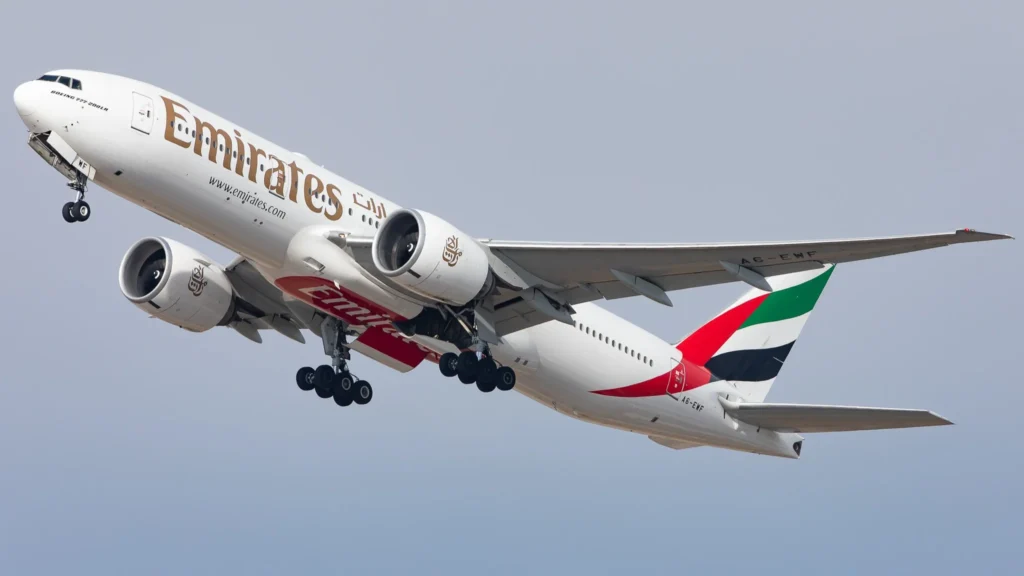
Emirates Moves Toward Tel Aviv Route Comeback
Emirates suspended flights between Dubai and Tel Aviv in October 2023 following the outbreak of conflict in Gaza. Before the suspension, the airline had expanded operations to three daily flights due to strong passenger demand.
Reported by PYOK, internal discussions now suggest the airline is evaluating operational readiness to restart services. Although no official announcement has been issued, groundwork for resumption appears to be underway.
The route only became possible after the 2020 Abraham Accords normalized diplomatic relations between the UAE and Israel. Soon after the agreement, Emirates established dedicated kosher meal production facilities at Dubai International Airport to support anticipated traffic growth.
Operational challenges delayed the original route launch until June 2022 due to pandemic restrictions. Once launched, the service quickly reached high load factors, demonstrating strong tourism and business travel demand.
Demand Surge Before Suspension
Before services stopped, Emirates increased frequencies to meet rising demand between Dubai and Tel Aviv. The route served both tourism and growing corporate travel linked to new economic partnerships.
After Emirates exited the market, Israeli carriers filled the capacity gap. Airlines from Israel operated up to eight daily flights between the cities, maintaining connectivity.
FlyDubai, also owned by the Dubai government, continues to operate two daily round-trip services on the route.
Political and Security Factors Affecting Resumption
Emirates’ absence has reflected both commercial and geopolitical concerns. Improved diplomatic engagement and ceasefire developments have encouraged cautious optimism about restoring services.
However, regional security risks remain a concern. Possible military escalation involving Iran and Israel continues to create uncertainty for airlines operating in the Middle East.
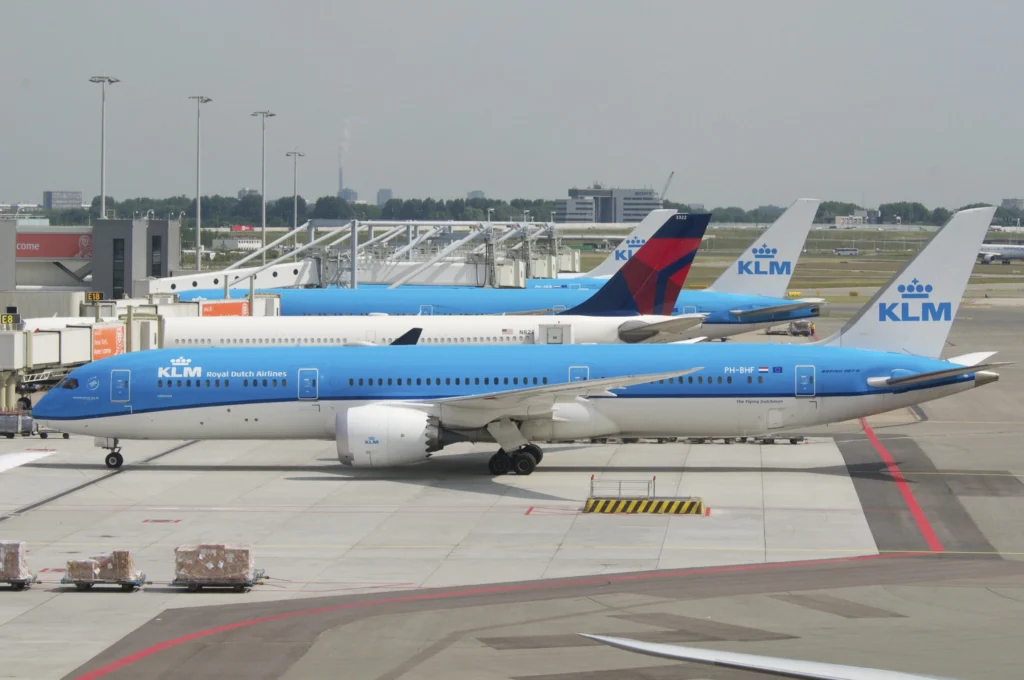
Recent disruptions by European carriers highlight these risks. KLM temporarily suspended Middle East operations before gradually restoring flights to several destinations, including Dubai and Tel Aviv, with adjusted schedules.
Market Impact of Emirates’ Return
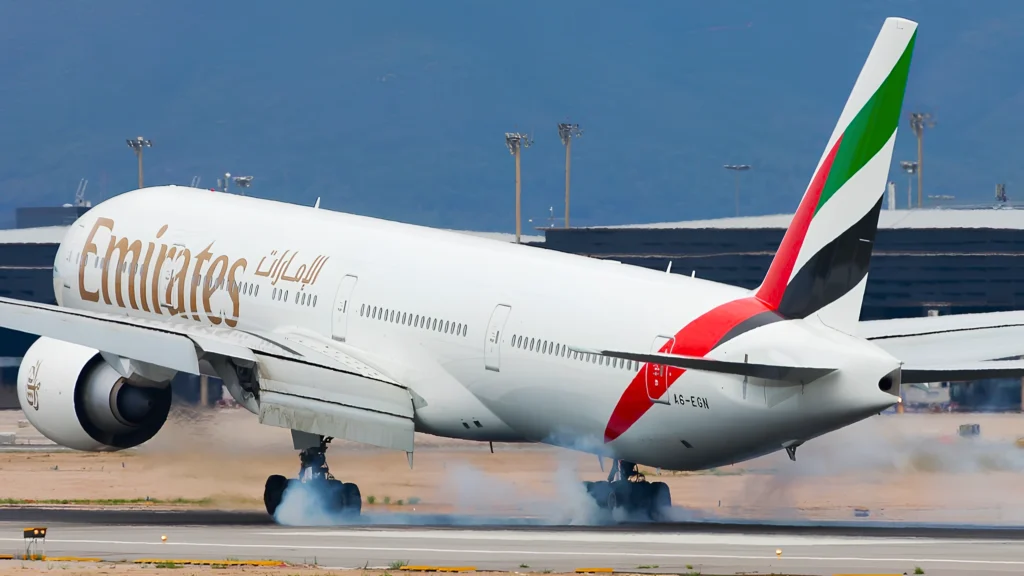
A return by Emirates would significantly increase seat capacity between the UAE and Israel, potentially lowering fares and stimulating tourism and trade.
The airline’s global network connectivity through Dubai would also improve access for travelers connecting from Asia, Europe, and Africa.
Industry observers expect renewed competition and stronger bilateral traffic once Emirates confirms the route restart.
Tel Aviv Travel Guide
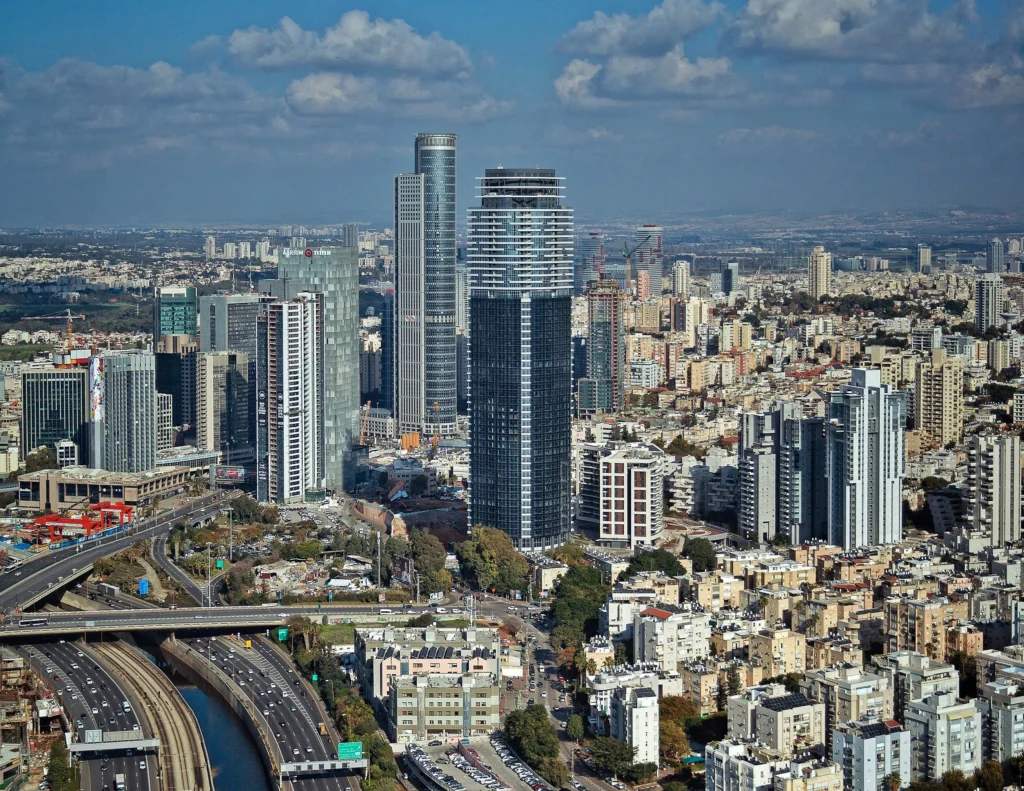
Tel Aviv blends Mediterranean beaches, historic neighborhoods, vibrant markets, and nonstop nightlife within a compact, walkable city. Visitors can explore cultural landmarks by day and enjoy world-class dining and entertainment after sunset.
A five-day stay allows travelers to experience markets, beaches, food culture, and historic districts without rushing, making the city ideal for both short breaks and longer vacations.
Complete Guide to Experiencing Tel Aviv
Tel Aviv stands out for its mix of modern coastal living and deep historical roots. The city offers easy mobility, a diverse food scene, lively public spaces, and quick access to historic districts like Jaffa. Travelers rarely need a car because most attractions sit within walking or scooter distance.
Getting to the City and Moving Around
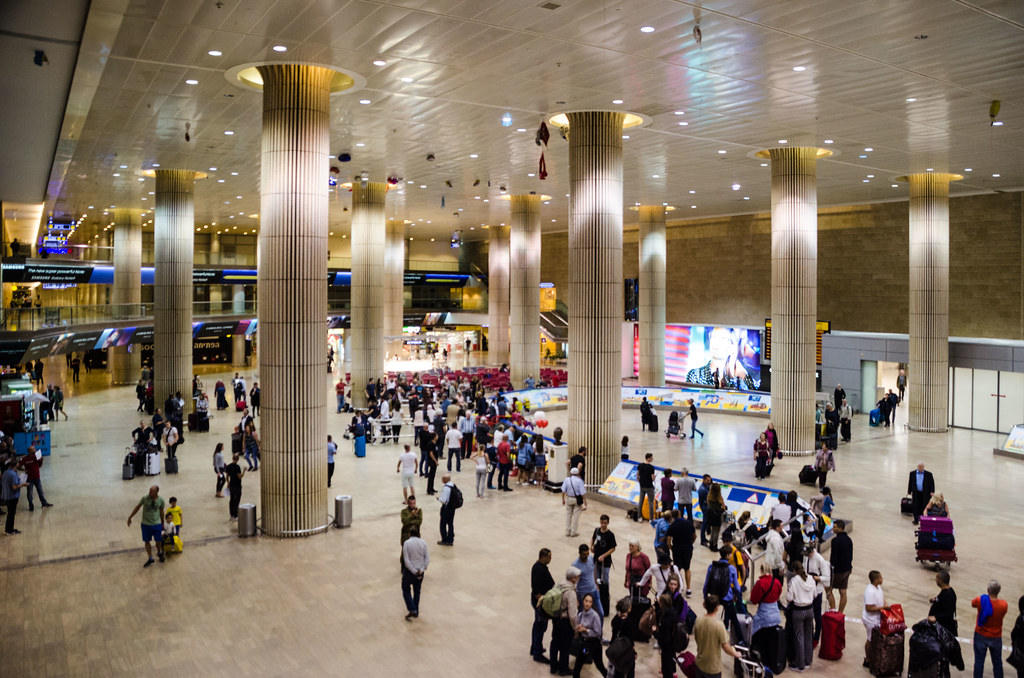
Ben Gurion Airport serves as Israel’s main international gateway. Travelers can reach central Tel Aviv by train or taxi in roughly 25 minutes, depending on traffic.
Taxis operate from official airport ranks, and visitors are advised to use authorized services or ride-hailing apps such as Gett to avoid inflated fares. Public trains are cheaper but usually require an additional taxi or bus ride from the station to accommodation.
Within the city, scooters and bikes are common, supported by extensive bike lanes. Public buses and taxis also operate across all districts.
Weather and Packing Essentials
Tel Aviv has hot, humid summers and mild winters. Beach weather remains common throughout the year, making sunscreen and light clothing essential items for travelers. Comfortable walking shoes are equally important due to the city’s pedestrian-friendly layout.
Must-Visit Places in Tel Aviv
Carmel Market Experience
Shuk HaCarmel serves as Tel Aviv’s most famous open-air market. Visitors can find fresh produce, spices, street food, clothing, and souvenirs in a lively environment.
Friday mornings are particularly busy as locals shop before Shabbat. Food stalls offer falafel, hummus, fresh juices, and seasonal fruits. Exploring side alleys reveals hidden restaurants and cafes beyond the main market strip.
Walking the Tel Aviv Promenade
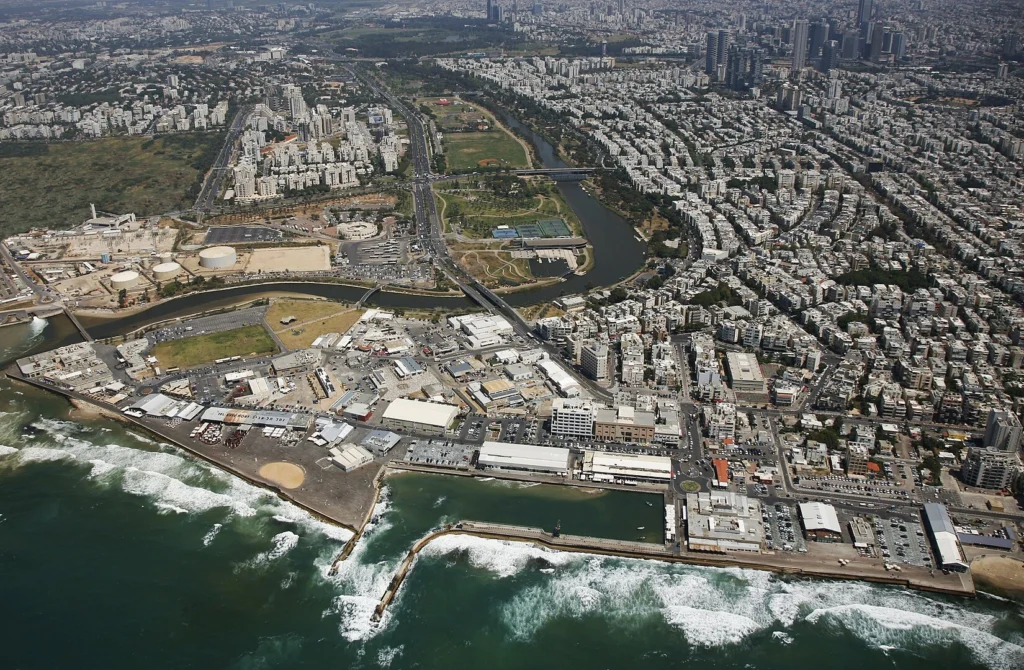
The Tayelet promenade stretches from Tel Aviv Port in the north to historic Jaffa in the south. It attracts walkers, cyclists, and runners while offering scenic Mediterranean sunset views.
Scooters provide a quick way to cover longer distances along the waterfront.
Exploring Historic Jaffa
Jaffa, one of the world’s oldest port cities, offers a sharp contrast to modern Tel Aviv. Visitors can explore cobblestone alleys, boutique stores, art galleries, and historical landmarks.
Key highlights include Jaffa Port, the Flea Market, the Zodiac Fountain, and panoramic skyline views overlooking Tel Aviv. Many travelers stop at Abu Hassan, widely known for serving some of the city’s most popular hummus.
Levinsky Market and Florentin
Levinsky Market provides a more local experience focused on spices, nuts, dried fruits, and specialty foods without heavy tourist traffic.
Nearby Florentin attracts visitors with vibrant street art, indie cafes, and nightlife, making it popular among younger crowds and artists.
Rabin Square and Rothschild Boulevard
Rabin Square holds historical importance as the site commemorating Prime Minister Yitzhak Rabin. Public gatherings and cultural events frequently occur here.
Rothschild Boulevard, lined with trees and cafes, showcases Bauhaus architecture and connects major districts. The area also hosts many nightlife spots and restaurants.
Tel Aviv Port and Beaches
Tel Aviv Port combines dining, shopping, and entertainment spaces with waterfront views. It becomes particularly lively in the evenings.
The city’s coastline stretches for miles, offering beaches suited for families, surfers, dog owners, and nightlife crowds. Gordon Beach, Hilton Beach, and Banana Beach rank among the most visited spots. Public beaches allow affordable rental of chairs and umbrellas.
Popular Shopping Streets
Sheinkin Street and Dizengoff Street provide trendy boutique shopping, while Neve Tzedek offers upscale stores in a picturesque setting. Nachalat Binyamin hosts an artisan market twice weekly featuring local crafts and artwork.
Sarona Market and Urban Parks
Sarona Market functions as a modern food complex with dozens of food stalls, restaurants, and shops, attracting locals during lunch hours.
HaYarkon Park in northern Tel Aviv offers kayaking, cycling paths, sports facilities, and botanical gardens, serving as a major green escape for residents.
Tel Aviv Food Culture
Tel Aviv ranks among the Middle East’s leading culinary cities, offering everything from street food to upscale dining.
Popular breakfast and brunch cafes include Café Xoho and Bucke Café. Street food favorites include HaKosem and Jasmino, while restaurants such as North Abraxas and HaBasta lead the dinner scene.
Food tours across Carmel and Levinsky markets allow visitors to understand local cuisine, ingredients, and culinary traditions through guided tastings.
Nightlife and Bar Scene
Tel Aviv nightlife operates throughout the week, with activity peaking from Wednesday through Saturday.
Cocktail lovers visit Imperial Craft Cocktail Bar and Bellboy, while venues like Kuli Alma, Sputnik, and Speakeasy attract mixed crowds with music and dance floors. Sunset bars along the promenade provide relaxed evening options before nightlife begins.
Entry age restrictions at some venues typically favor crowds above their early twenties.
Where to Stay in Tel Aviv
Beachfront hotels provide convenient access to major attractions. International chains like Hilton and boutique options such as Mendeli Street Hotel offer strong choices.
Travelers seeking luxury often choose hotels such as The Norman or David Kempinski. Jaffa increasingly attracts visitors with upscale properties like The Setai and The Jaffa Hotel.
Stay tuned with us. Further, follow us on social media for the latest updates.
Join us on Telegram Group for the Latest Aviation Updates. Subsequently, follow us on Google News
