

Washington has become the focal point of a quiet but consequential shift in US aviation policy as lawmakers move a must-pass funding bill to avoid a January 30 government shutdown. While the package primarily funds federal agencies through September 30, 2026, it also embeds aviation provisions that could influence airline operations, labor dynamics, and international competition.
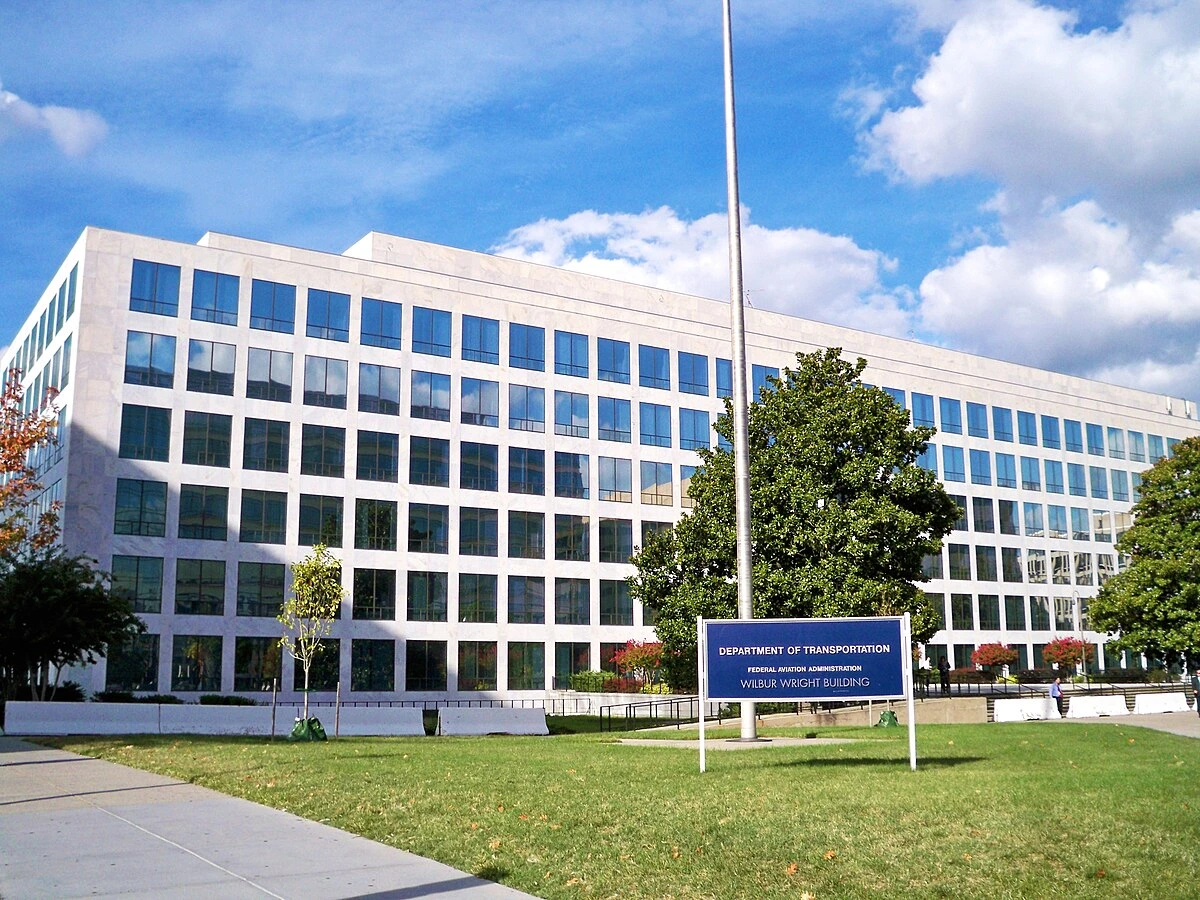
The legislation affects the Federal Aviation Administration (FAA) and the Department of Transportation (USDOT), both headquartered in Washington and closely linked to major carriers such as American Airlines (AA) and United Airlines (UA).

FAA Pilot Staffing
One of the most publicized elements directs the FAA to ensure a minimum of two qualified pilots on commercial flight decks under Part 121 operations.
The language appears in committee guidance rather than statute, restricting the use of fiscal year 2026 funds to study or enable reduced-crew airline operations, View from the Wing reported.
In practice, the measure does not establish new rest rules or change existing safety regulations. Instead, it limits the FAA’s ability to research alternative cockpit configurations, even if future data or technology could support safety improvements.
Supporters view the provision as a safeguard for current safety norms and pilot jobs. Critics argue that it freezes regulatory flexibility and prioritizes maintaining today’s standards over studying potential advancements in automation and human-machine interaction.

Medical Certification Funding
The bill allocates approximately $100 million to the FAA’s Office of Aerospace Medicine, exceeding the agency’s original request.
The funding targets staffing increases and modernization of information systems to reduce backlogs in pilot and air traffic controller medical certification.
Long processing delays have frustrated pilots and airlines alike, creating uncertainty in workforce planning. Additional psychiatrists, legal instrument examiners, and program analysts are intended to accelerate reviews and improve predictability.
However, faster processing also raises oversight concerns. Industry observers caution that performance metrics should not emphasize speed at the expense of thorough medical evaluation, particularly in complex mental health cases.

DOT Policy Review
Another provision instructs the Department of Transportation to review its Statement of International Air Transportation Policy, a document that has guided US aviation strategy for more than three decades.
Lawmakers have requested a formal briefing within 120 to 180 days, depending on chamber language.
The policy historically promoted open skies agreements, joint ventures, and cross-border partnerships to expand market access and competition. A review alone could introduce uncertainty, potentially slowing investment in alliances and long-term international planning.
A more protectionist interpretation could also invite reciprocal limits from foreign governments, narrowing growth opportunities for US carriers in overseas markets.
Bottom Line
The shutdown funding bill does more than keep the government running.
It locks in current cockpit staffing rules, reshapes how quickly medical certifications move through the FAA, and signals a possible shift in US international aviation policy.
While temporary in funding terms, these measures may have lasting effects on airline innovation, labor relations, and global competitiveness.
Stay tuned with us. Further, follow us on social media for the latest updates.
Join us on Telegram Group for the Latest Aviation Updates. Subsequently, follow us on Google News
