

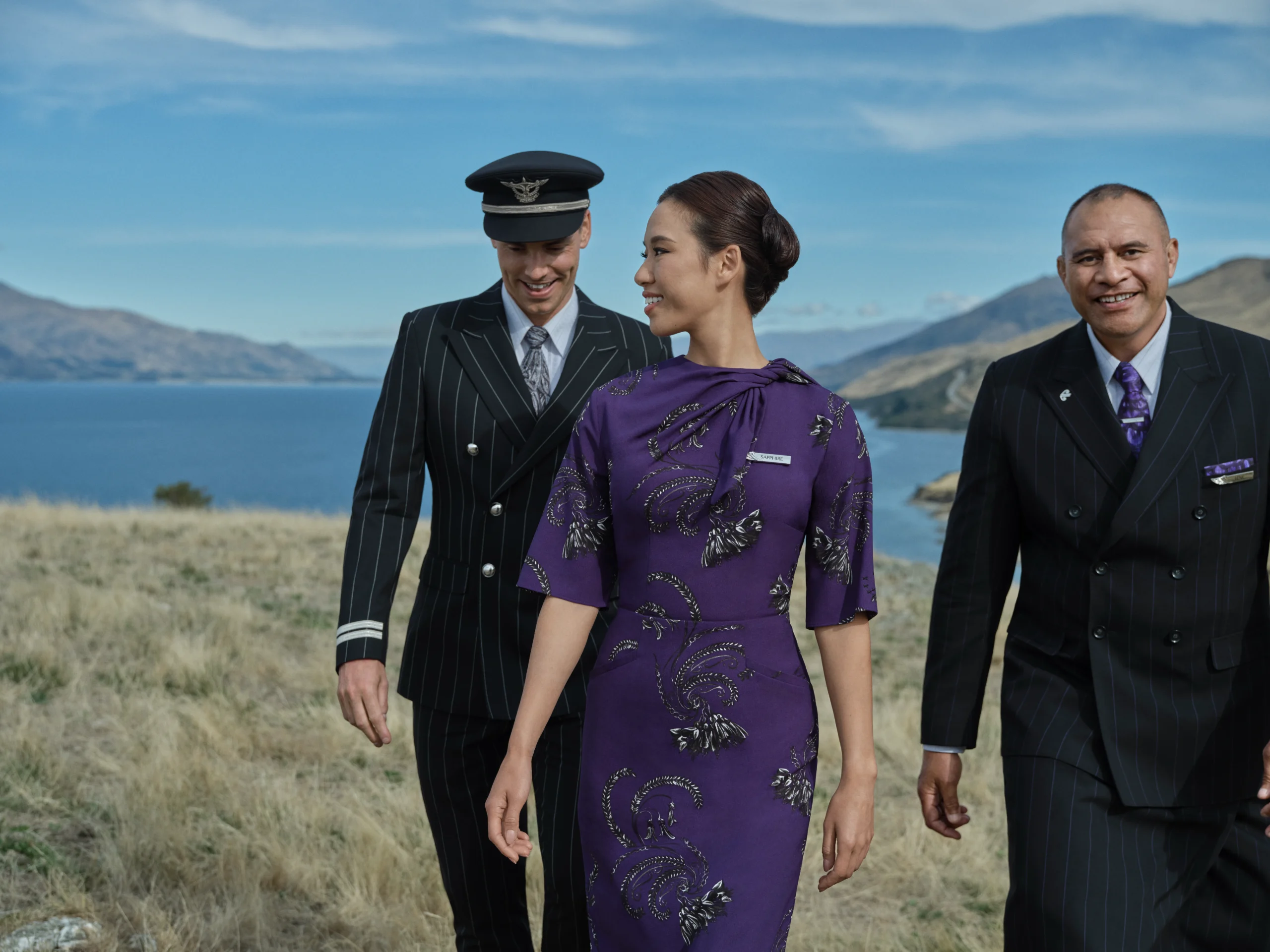
CHRISTCHURCH- Air New Zealand (NZ) international flight attendants have voted to take strike action on February 11–13, after union negotiations with the airline failed to produce an acceptable agreement on pay and conditions.
The Flight Attendants’ Association of New Zealand (FAANZ), representing more than 1,000 international cabin crew members, issued formal strike notices following weeks of bargaining with the national carrier’s management.
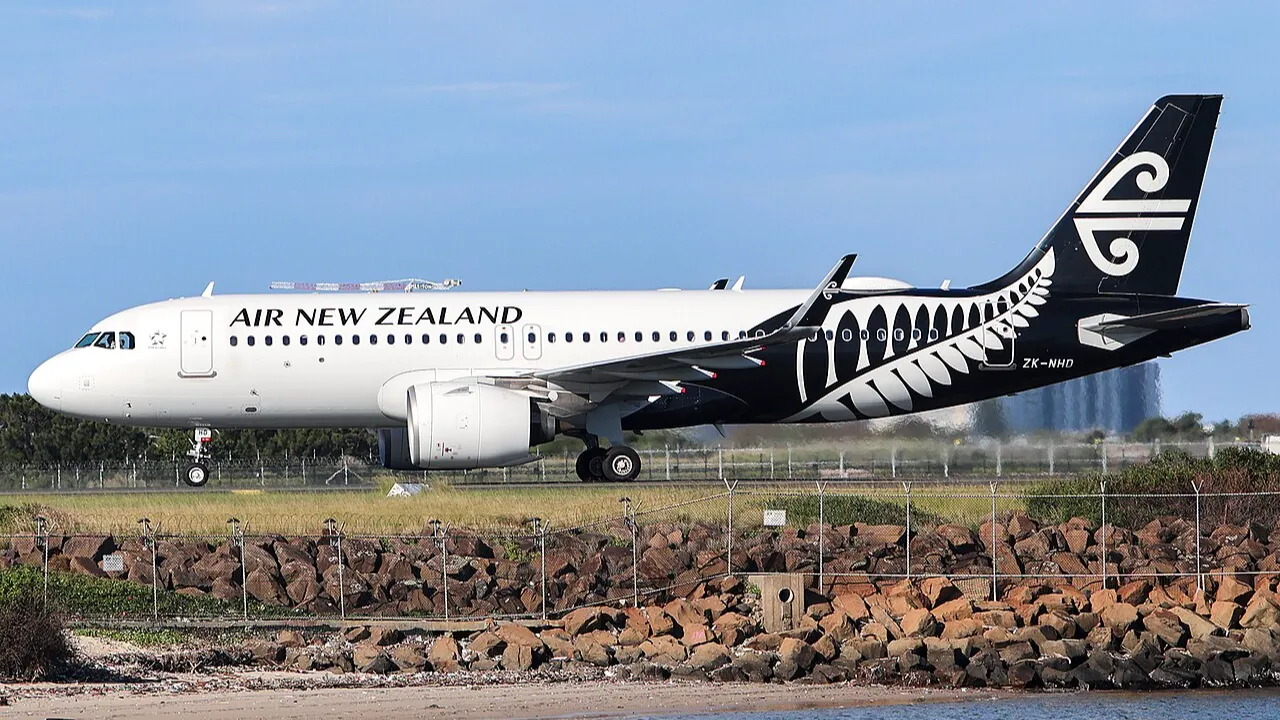
https://commons.wikimedia.org/wiki/File:20250402_Airbus_A320-271N_of_Air_New_Zealand_(ZK-NHD)_taxiing_at_SYD.jpg
Air New Zealand Attendant to Strike
Flight attendants have expressed deep concern about the rising cost of living and inflation, which they say erodes real wage gains and pushes many below a livable income even after proposed increases.
Union president Craig Featherby told reporters that “with inflation continuing to bite, many flight attendants are concerned they’ll be back below a livable wage within a short time“.
The union also criticised Air New Zealand for proposing the pay rise in exchange for trading away established safety and working conditions. FAANZ members have made it clear that sacrificing protections that ensure safe working environments is unacceptable
Featherby said members decided “enough is enough” after months of negotiations failed to deliver a package that recognises their work without detrimental trade‑offs, The NZ Herald reported.
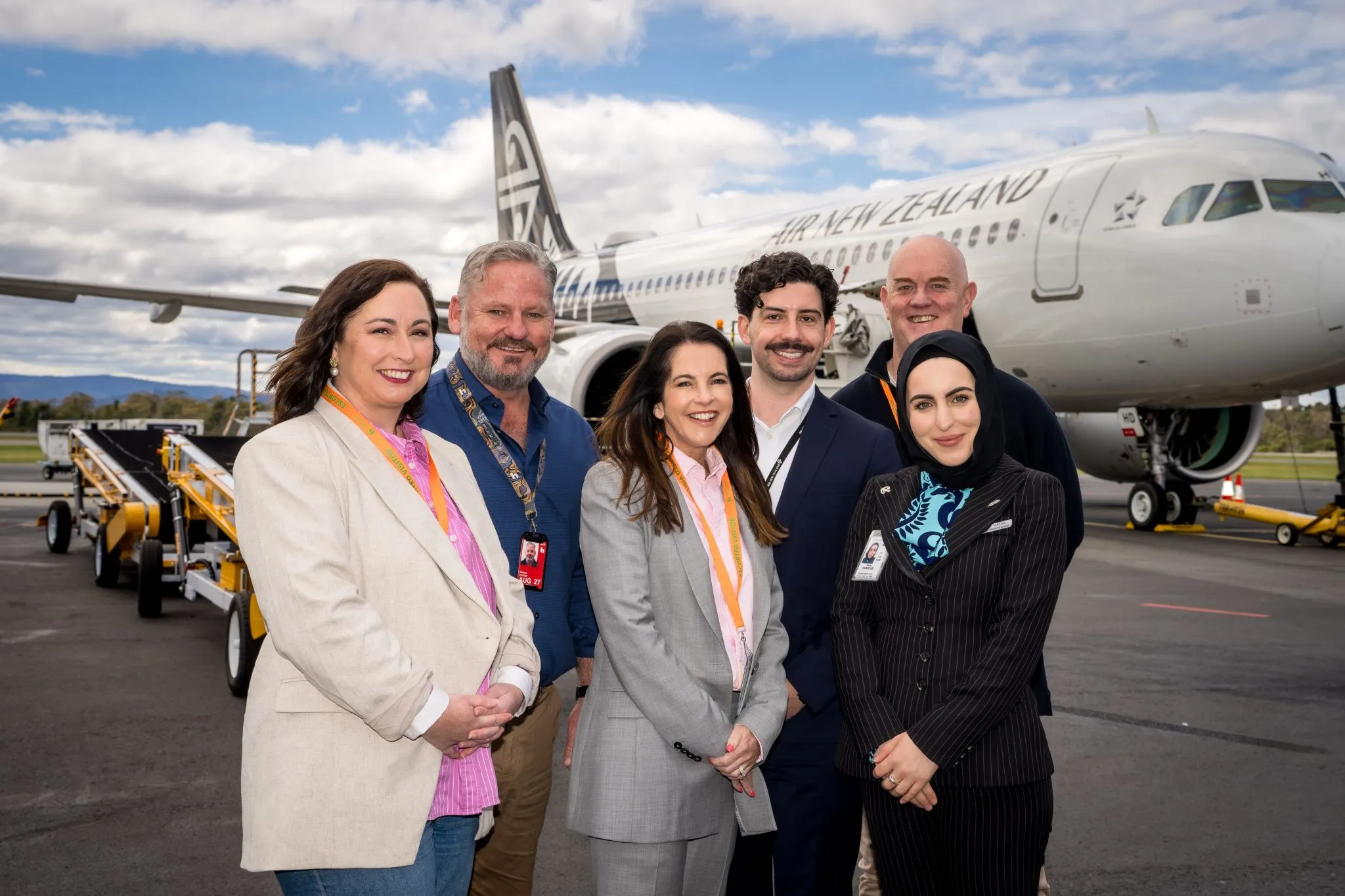
Operational Impact
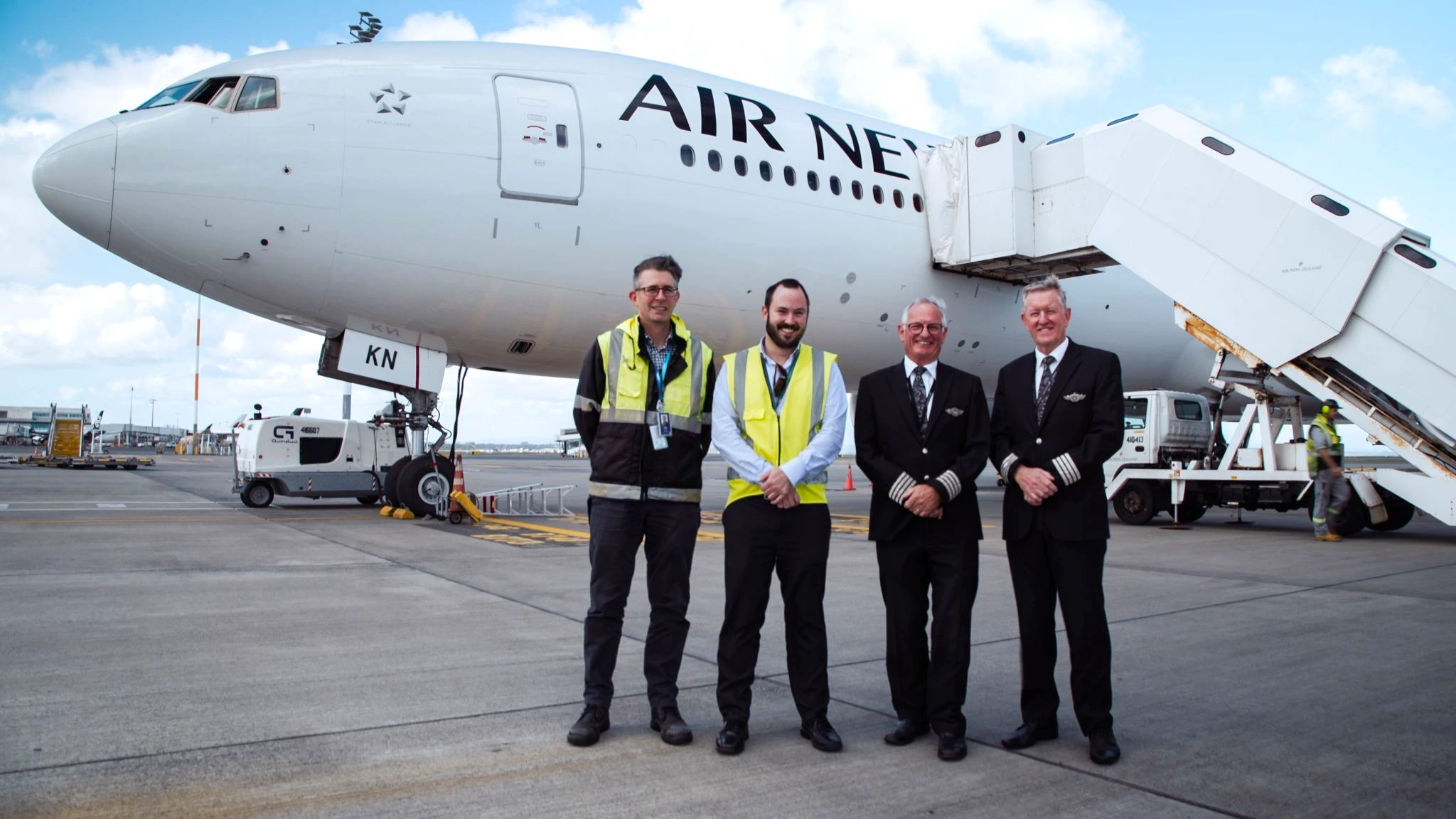
The strike will affect international widebody operations, specifically flights operated by the Boeing 787 and Boeing 777 aircraft, from February 11 to 13. These aircraft form the backbone of Air New Zealand’s long‑haul international schedule.
Flight attendants have cited multiple operational issues that have compounded frustration with management, saying that preventable problems are recurring.
Crew representatives highlighted issues such as limited catering options, missing equipment needed to serve passengers effectively, dysfunctional seats and cabin features, and a higher‑than‑usual rate of flight cancellations.
According to union officials, these issues force flight attendants to repeatedly apologise to passengers who have paid premium fares, placing undue stress on crew and harming the airline’s reputation for service quality.
Air New Zealand’s chief people officer, Nikki Dines, acknowledged that the airline received formal strike notices from both FAANZ and E tū unions and said the company remains committed to resolving the dispute through “fair and sustainable” negotiations.
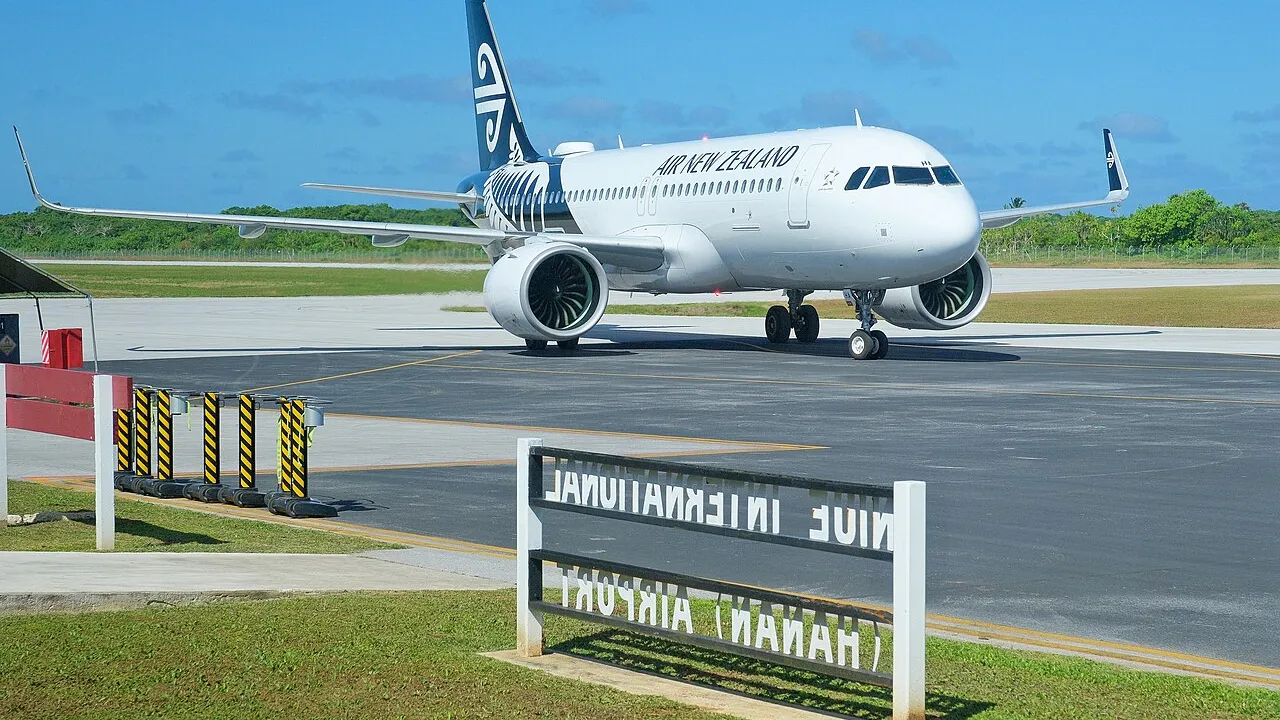
https://commons.wikimedia.org/wiki/File:Air_New_Zealand_A320_taxiing_to_terminal_at_Niue_International_(Hanan)_Airport.jpg
Broader Workplace Context
Several industrial actions have been threatened or taken by Air New Zealand crew representatives over the past year, illustrating ongoing tensions in pay and working‑condition negotiations.
Earlier in 2025, cabin crew strikes were contemplated but ultimately called off after in‑principal agreements were reached on some issues, particularly for short‑haul and regional staff groups.
The Flight Attendants’ Association of New Zealand was established in 2020 and specializes in representing flight attendants, focusing on tailored advocacy for its members’ interests within the airline industry.
Flight attendants argue that the role demands significant responsibilities, including managing safety procedures, responding to inflight emergencies, and providing passenger care under demanding schedules, and that compensation should reflect these expectations.
Bottom Line
Air New Zealand international flight attendants have set February 11–13, 2026, for strike action after negotiations failed to yield a satisfactory pay and conditions agreement.
Union leaders warn that proposed wage increases that compromise established worker protections do not meet the needs of a workforce facing sustained inflation and operational pressures.
The strike will affect widebody flights operated by B787 and B777 aircraft and poses challenges for passengers and airline operations during the early February period.
Stay tuned with us. Further, follow us on social media for the latest updates.
Join us on Telegram Group for the Latest Aviation Updates. Subsequently, follow us on Google News
