

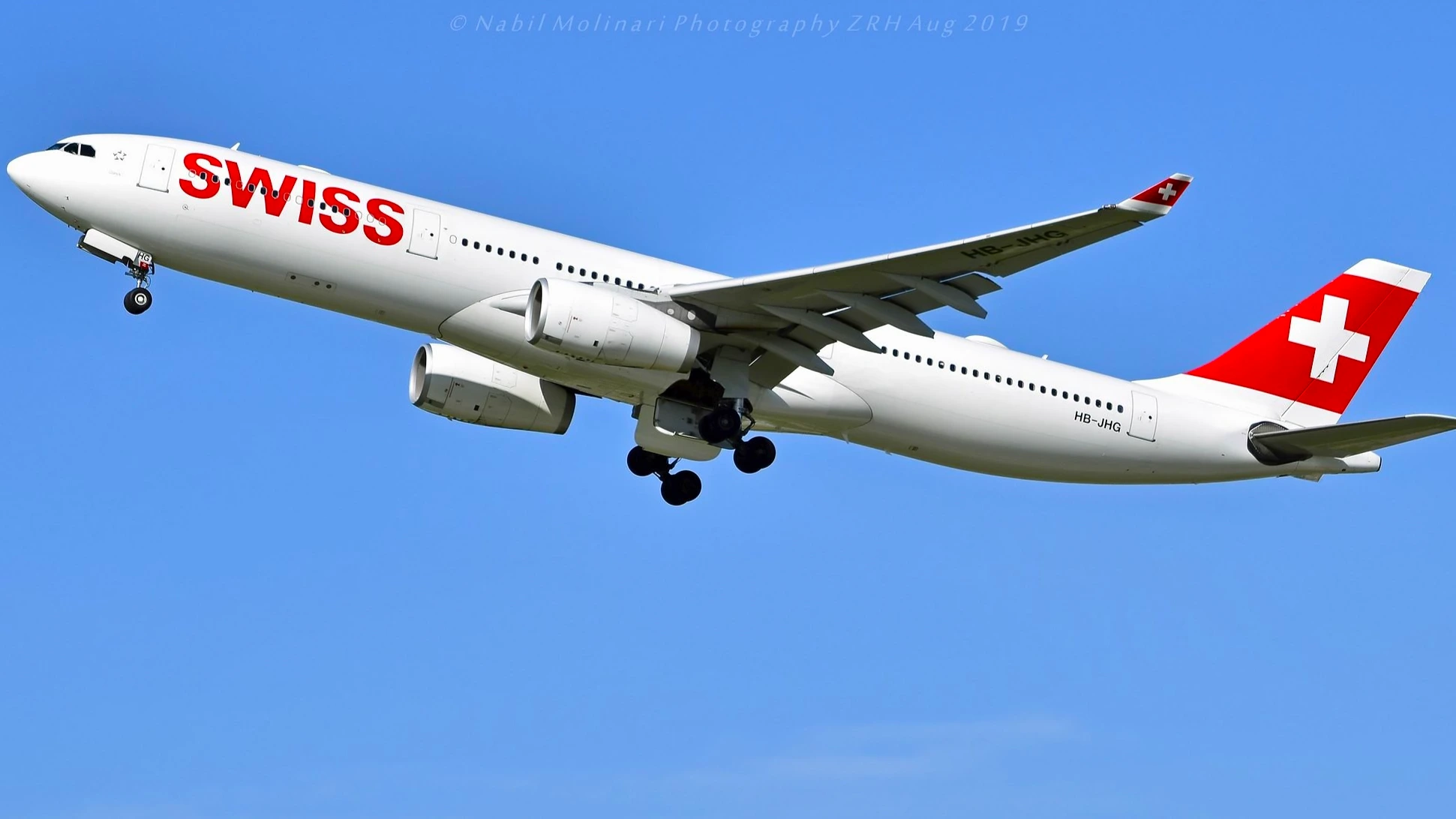
ZURICH- SWISS International Air Lines (LX) faced sharp criticism after investigators found the airline skipped a known safety fix that led to a mid-air decompression in 2024.
The incident occurred shortly after departure from Zurich Airport (ZRH), highlighting how a cost-driven maintenance decision escalated into a serious in-flight emergency.
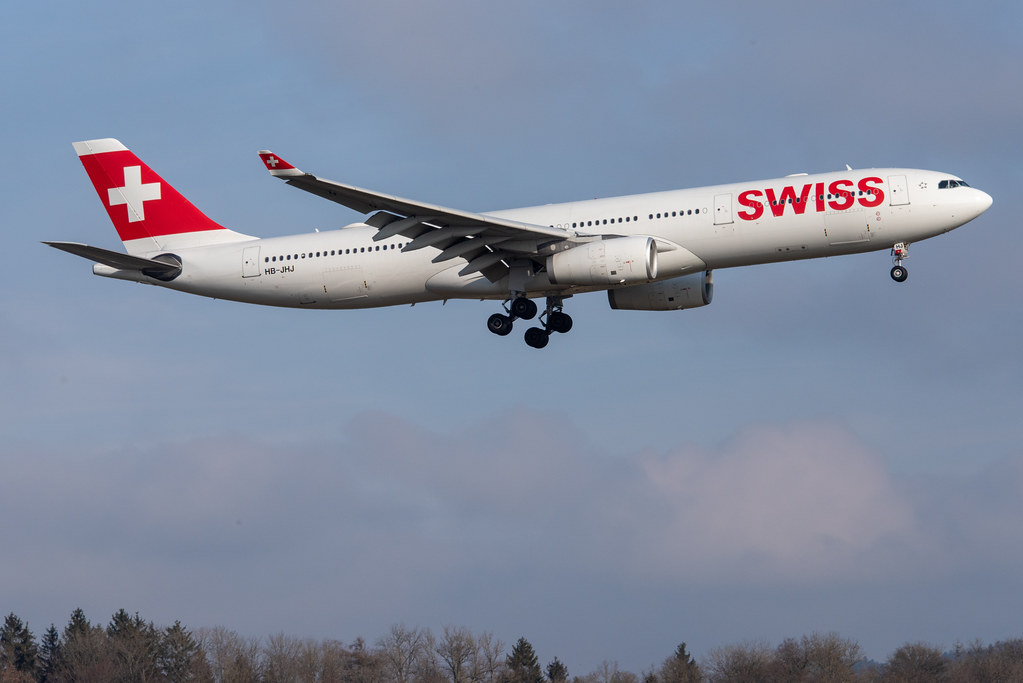
SWISS A330 Emergency Landing Report
The Swiss Transportation Safety Investigation Board concluded that the decompression event was not caused by a sudden or unpredictable failure.
The faulty component had been on the industry’s radar for years. Airbus had already advised operators to replace the part to prevent operational disruptions and safety risks.
SWISS chose not to implement the recommended replacement. The airline determined the existing component remained reliable and cited cost concerns as a key factor.
Investigators later described this reasoning as unjustifiable from a safety standpoint, especially given the nature of the part involved in cabin pressurization.
Emergency Descent Over Switzerland
On September 13, 2024, SWISS flight LX18 departed Zurich Airport, Zurich (ZRH), bound for Newark Liberty International Airport, Newark (EWR), with 205 passengers onboard. The Airbus A330 experienced pressurization warnings during its initial climb.
Despite correct system settings, the aircraft failed to pressurize the cabin. The pilots followed emergency procedures, donned oxygen masks, deployed passenger oxygen, and declared a mayday.
The aircraft descended rapidly at around 5,000 feet per minute before returning safely to Zurich for an overweight landing.
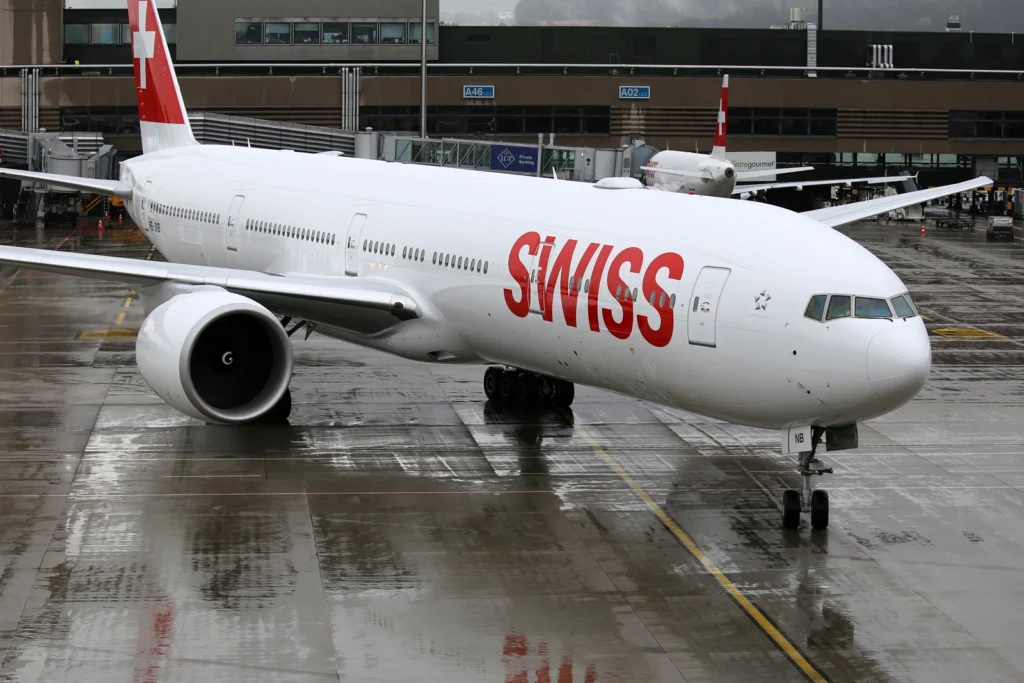
Faulty Seal Identified as Root Cause
Post-incident inspections revealed damage near the low-pressure manifold and emergency ram air inlet of the cabin pressure system. Investigators traced the issue to a skin check valve, a one-way valve designed to allow air into the cabin while preventing pressurized air from escaping.
The valve’s hinge and internal components showed significant wear, preventing it from sealing properly. This allowed pressurized air to leak, directly causing the decompression event.
Ignored Airbus Advisory
Airbus had issued a service bulletin in 2016 recommending the replacement of skin check valves with a modified version after receiving multiple failure reports from operators worldwide. The manufacturer emphasized early replacement to avoid operational and safety consequences.
SWISS reviewed the bulletin but rejected the replacement program a year later. Investigators noted that the airline already removed and inspected the valve every 24 months as part of routine maintenance. Installing the updated part during these checks would have required minimal additional effort.
According to PYOK, investigators found it difficult to justify the decision, given the known risks and straightforward opportunity to prevent failure.
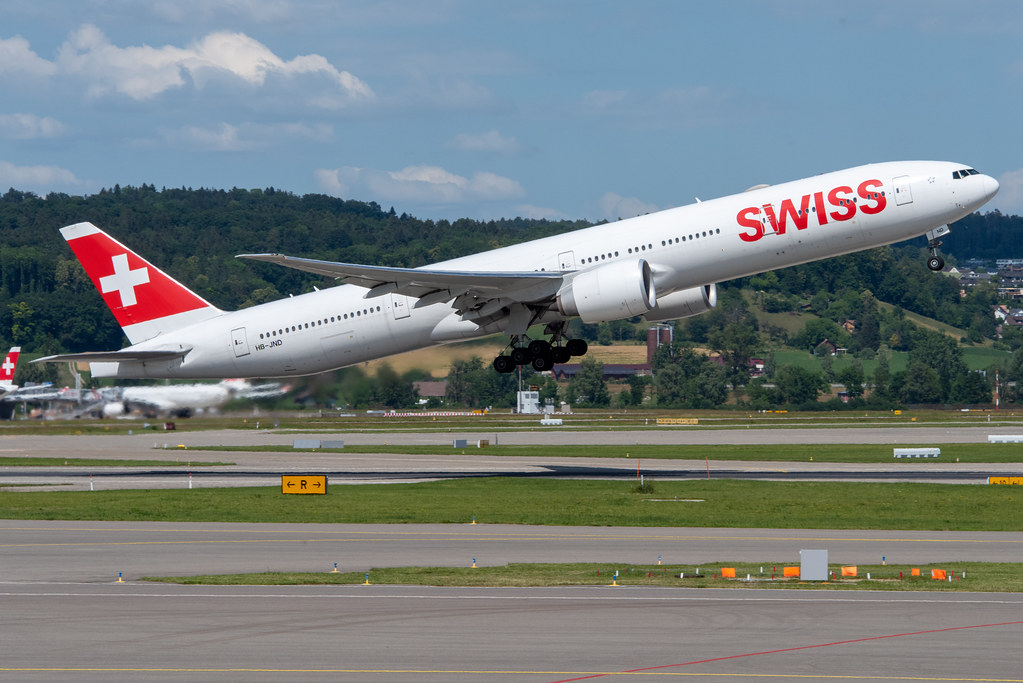
Bottom Line
The investigation confirmed that the decision not to replace the skin check valve directly contributed to the decompression. While the airline maintained confidence in the older design, it later acknowledged that cost considerations influenced the outcome.
The final report concluded that the choice to delay replacement was unacceptable from a safety perspective and avoidable within existing maintenance schedules.
Stay tuned with us. Further, follow us on social media for the latest updates.
Join us on Telegram Group for the Latest Aviation Updates. Subsequently, follow us on Google News
