


Safety concerns around the Boeing 787 Dreamliner have intensified following renewed calls from a US passenger rights group for stronger regulatory action. The focus is on a lavatory design flaw that allows water leaks to reach sensitive electrical systems.
The issue affects multiple operators, including Air India (AI), and has drawn attention after a fatal Boeing 787 crash shortly after departure from Ahmedabad Airport, India (AMD), although investigators have not yet linked the two events.
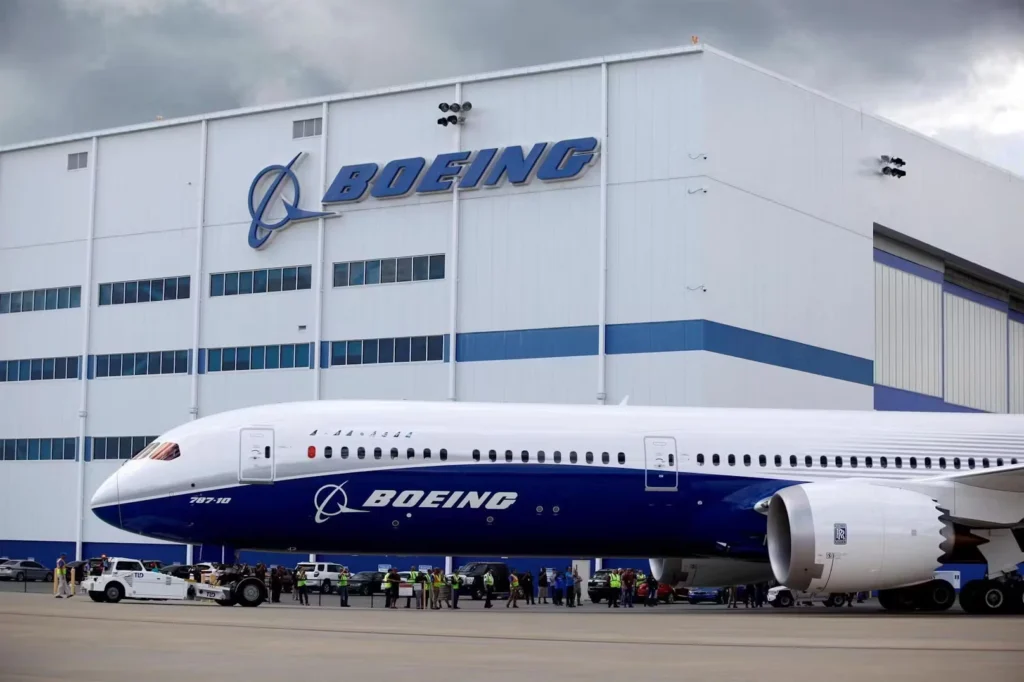
Pressure Mounts Over Dreamliner Lavatory Design
FlyersRights, the largest passenger advocacy group in the United States, has formally urged the federal government to act faster on what it describes as a dangerous design defect in the Boeing 787 Dreamliner.
The group argues that water leaks from aircraft lavatories can seep into electronic equipment bays located beneath restrooms.
Paul Hudson, president of FlyersRights, raised these concerns in a letter addressed to the US Transportation Secretary.
The letter, co-signed by seven aviation safety specialists, warns that unchecked water intrusion poses a risk to flight-critical electrical systems. According to PYOK, the administration has not issued a public response to the appeal.
FAA Mandates Hardware Changes After Leak Reports
The Federal Aviation Administration (FAA) began addressing the problem in 2023 after an airline reported repeated water leaks from sink faucets on its 787 fleet.
An internal inspection traced the issue to a faulty o-ring inside the faucet control module, which allowed water to escape without immediate detection.
While some leaks were minor, others resulted in significant moisture accumulation. In at least one case, crews discovered wet carpeting near the flight deck. The FAA concluded that continued exposure to moisture could damage electrical components and compromise safe flight and landing.
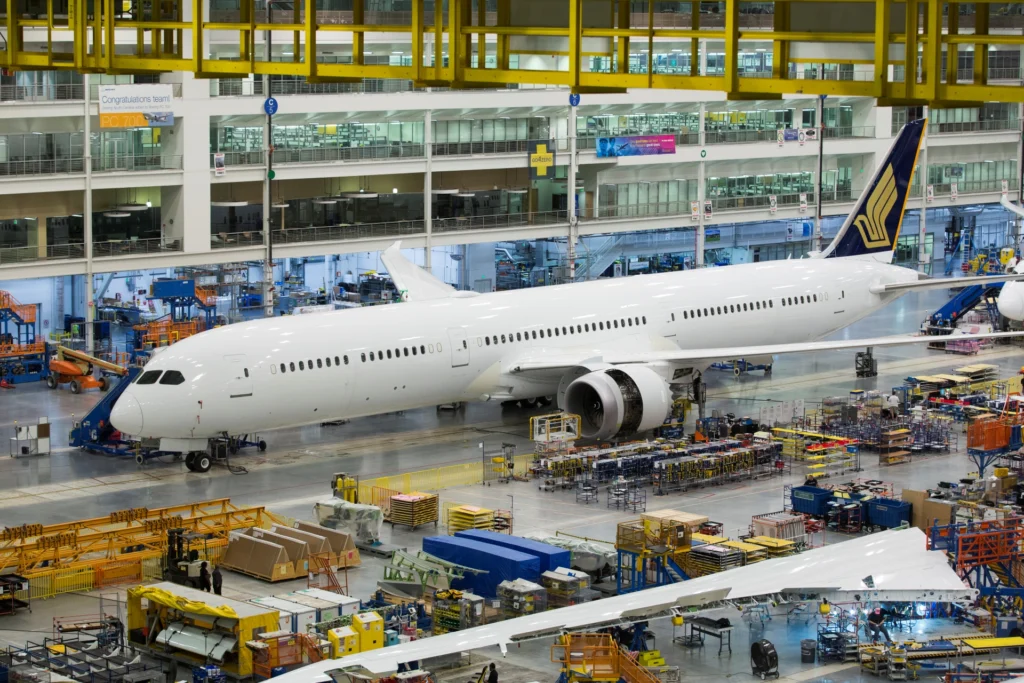
New Rules Replace Inspections With Permanent Fixes
Initially, the FAA required airlines to conduct frequent lavatory inspections. That approach has since been replaced with a more permanent solution. A revised airworthiness directive now requires operators to install redesigned faucet control modules that eliminate the leak risk.
Airlines must also add moisture management devices beneath lavatories to contain any undetected water release. These changes are intended to reduce reliance on inspections and prevent water from reaching electronic bays.
FlyersRights has criticized the FAA for allowing airlines until 2030 to complete the required modifications. Hudson argues that the extended timeline leaves passengers exposed to avoidable risk for several more years.
Ed Pierson, Executive Director of the Foundation for Aviation Safety, has echoed that concern. He stated that the compliance window is excessive, given the potential consequences of electrical failure on a widebody aircraft carrying hundreds of passengers.
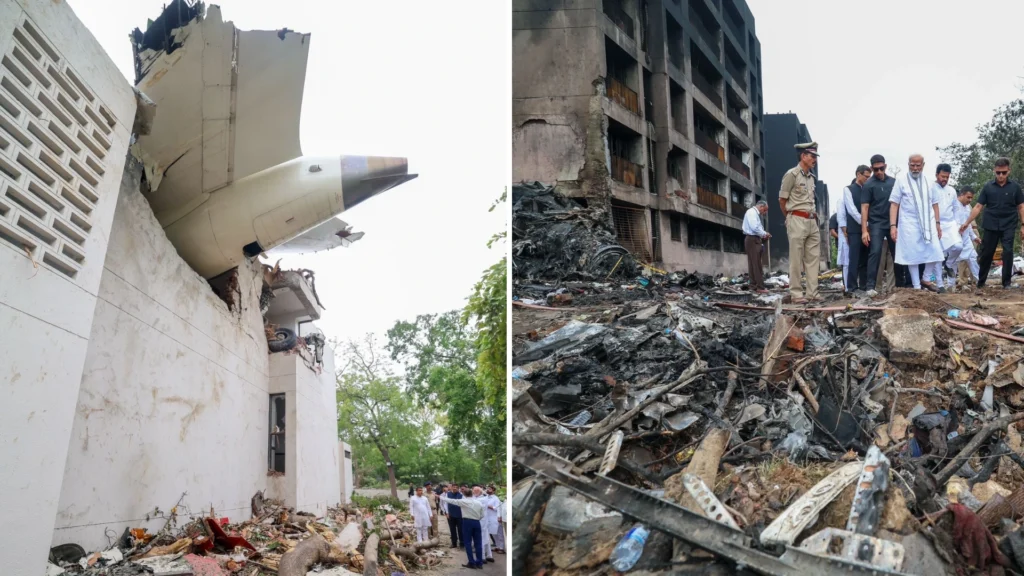
Crash Investigation Raises Questions
Pierson has also called for a wider examination of potential failure scenarios in the June 12, 2025, crash of an Air India Boeing 787 shortly after takeoff from Ahmedabad. The accident resulted in 260 fatalities, with one survivor.
A preliminary investigation noted that both engine fuel cutoff switches were moved to the off position seconds after departure. Cockpit voice recordings indicate confusion between the pilots, with neither acknowledging the action.
Investigators have not concluded whether mechanical, electrical, or human factors were responsible, and the inquiry remains ongoing.
Regulatory Focus Remains on Preventive Action
The FAA maintains that the mandated hardware replacements address the known lavatory leak risk. Regular inspections continue until modifications are completed, but passenger advocates argue that interim measures are insufficient.
The situation highlights ongoing tension between regulatory timelines and safety groups pushing for immediate corrective action across the global Dreamliner fleet.
