

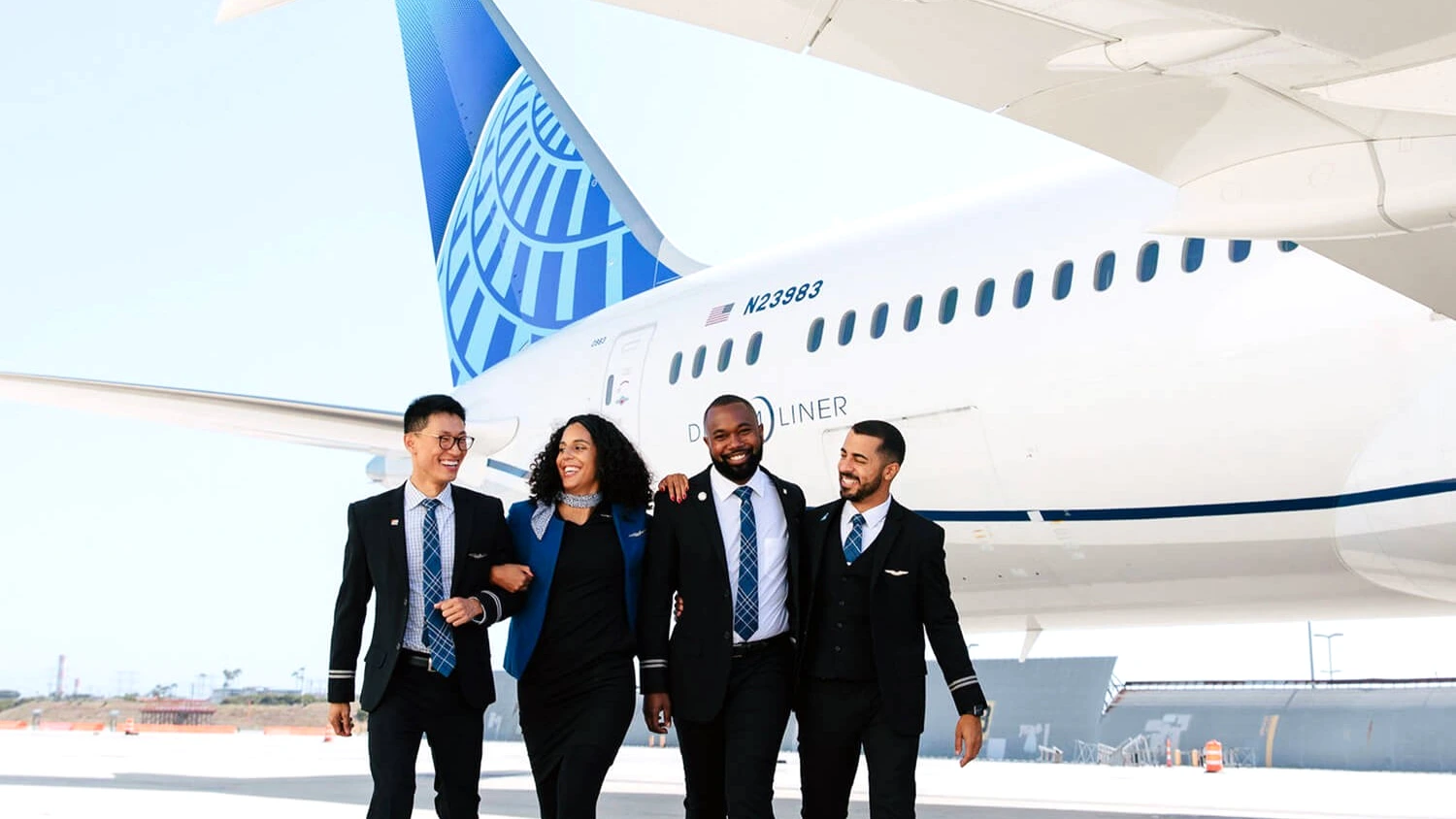
CHICAGO- United Airlines (UA) reported record financial results for 2025, but the announcement has been met with frustration from flight attendants over a sharply reduced profit-sharing payout. The contrast between strong earnings and lower bonuses has intensified labor tensions at the carrier.
The dispute places United alongside peers such as Delta Air Lines (DL) of Atlanta (ATL), where employees are receiving significantly higher profit-sharing payments this year.
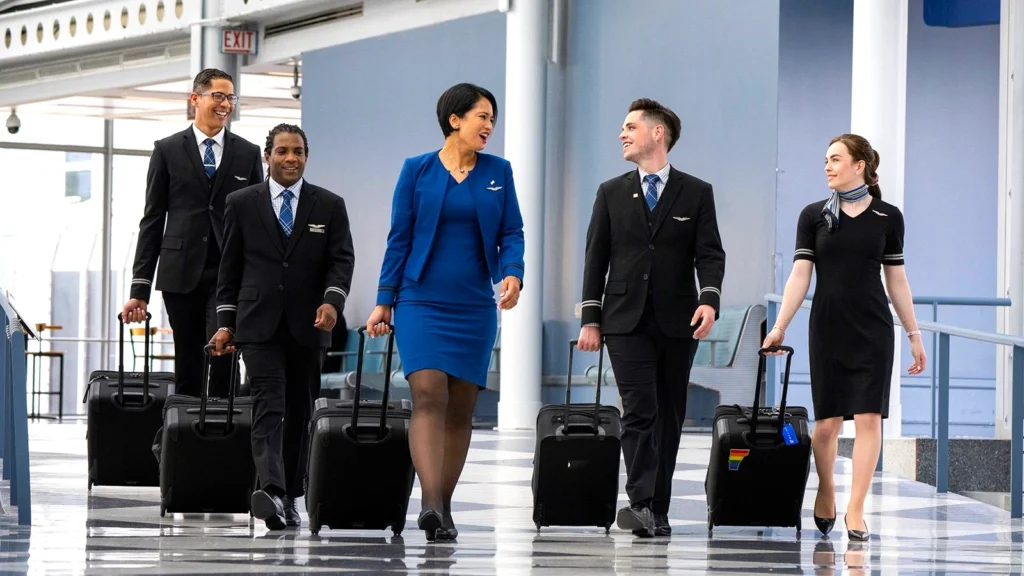
United Airlines Strong Revenue
United Airlines, headquartered in Chicago and operating its primary hub at Chicago O’Hare International Airport (ORD), reported total operating revenue of $59.1 billion for 2025. The figure represents a 3.5 percent increase year over year and exceeded Wall Street expectations.
Company leadership highlighted network expansion, premium demand, and operational performance as key drivers. According to PYOK, those gains have not translated into comparable rewards for frontline cabin crew.
Flight attendants at United will receive a profit-sharing bonus equal to approximately 4.5 percent of their annual wages. This follows a 9.1 percent payout in 2024, effectively cutting the bonus nearly in half.
The airline has not disclosed the total dollar value of its 2025 profit-sharing pool. United employs roughly 28,000 flight attendants, making the payout scale materially smaller on a per-employee basis compared with key competitors.
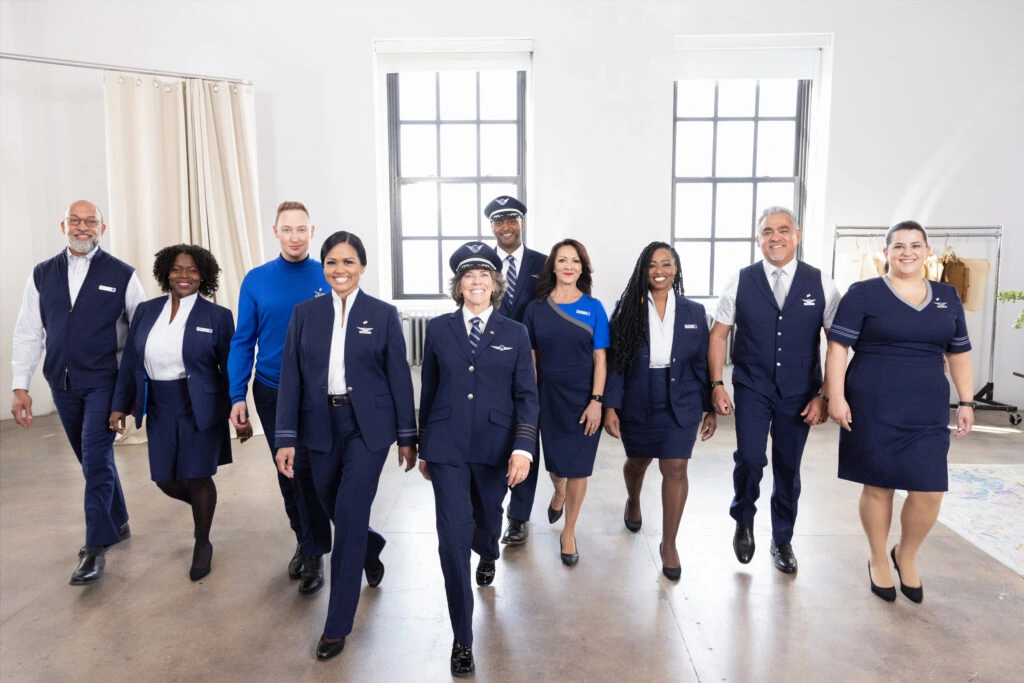
How United Calculates Profit Sharing
United’s profit-sharing formula is based on year-over-year changes in profitability rather than total annual profit. This structure was negotiated with the Association of Flight Attendants AFA-CWA.
In 2024, the airline experienced a sharp rebound as it emerged from the post-pandemic recovery period. That unusually large increase in profitability drove a higher bonus. In 2025, profits remained strong but did not rise at the same rate, resulting in a lower payout despite record revenue.
Flight attendants remain under a contract that became amendable in 2021. As a result, base pay rates have not been updated for five years, even as inflation has increased living costs across the United States during that period.
Union leaders argue that reduced profit sharing, combined with stagnant wages, has eroded morale. United management has countered that current union demands would place the airline at a competitive disadvantage. The union has stated that concessions are not acceptable under any circumstances.
Negotiations are expected to resume next month. The talks are governed by the Railway Labor Act, which often leads to extended bargaining timelines in the airline industry.
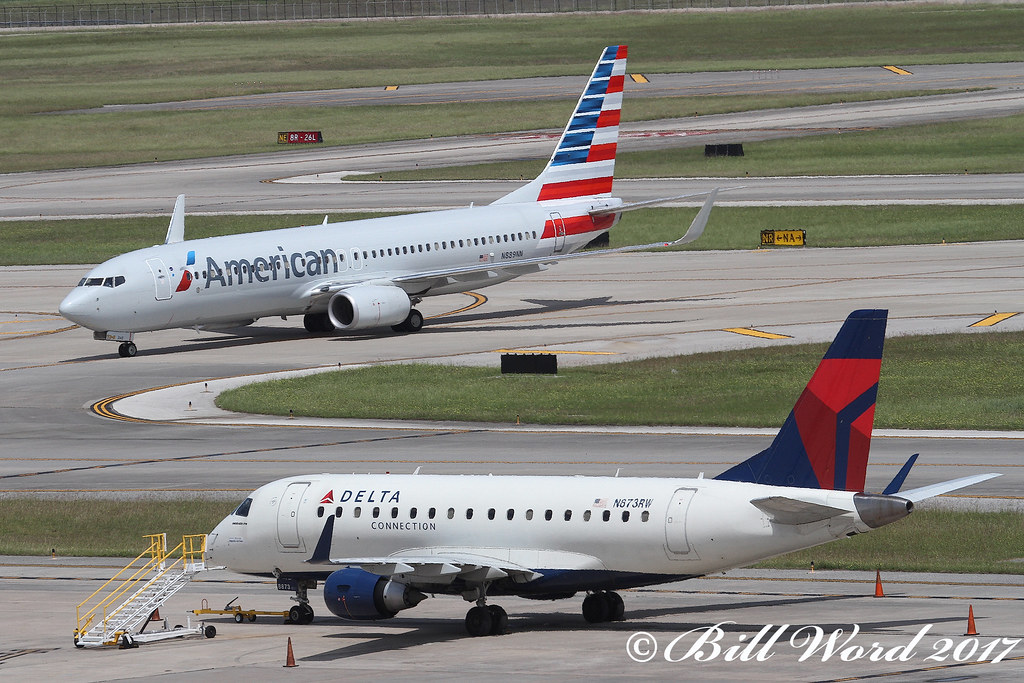
Delta and American Set a Different Benchmark
Delta Air Lines flight attendants are set to receive an 8.9 percent profit-sharing bonus next month. Delta has confirmed it will distribute $1.3 billion to employees, equivalent to roughly four weeks of additional pay for many workers.
American Airlines, based in Fort Worth and operating from Dallas Fort Worth International Airport (DFW), is expected to report earnings soon. While its profit-sharing payout may be smaller than Delta’s, American flight attendants are working under an in-date contract that guarantees scheduled wage increases.
What Lies Ahead for United
United’s financial performance underscores a broader challenge facing major US airlines: balancing profitability with labor expectations. While no operational disruptions have been announced, unresolved negotiations leave uncertainty for both employees and management.
As talks continue, the outcome will likely shape United’s labor relations strategy and influence how future financial gains are shared with its workforce.
Stay tuned with us. Further, follow us on social media for the latest updates.
Join us on Telegram Group for the Latest Aviation Updates. Subsequently, follow us on Google News
