

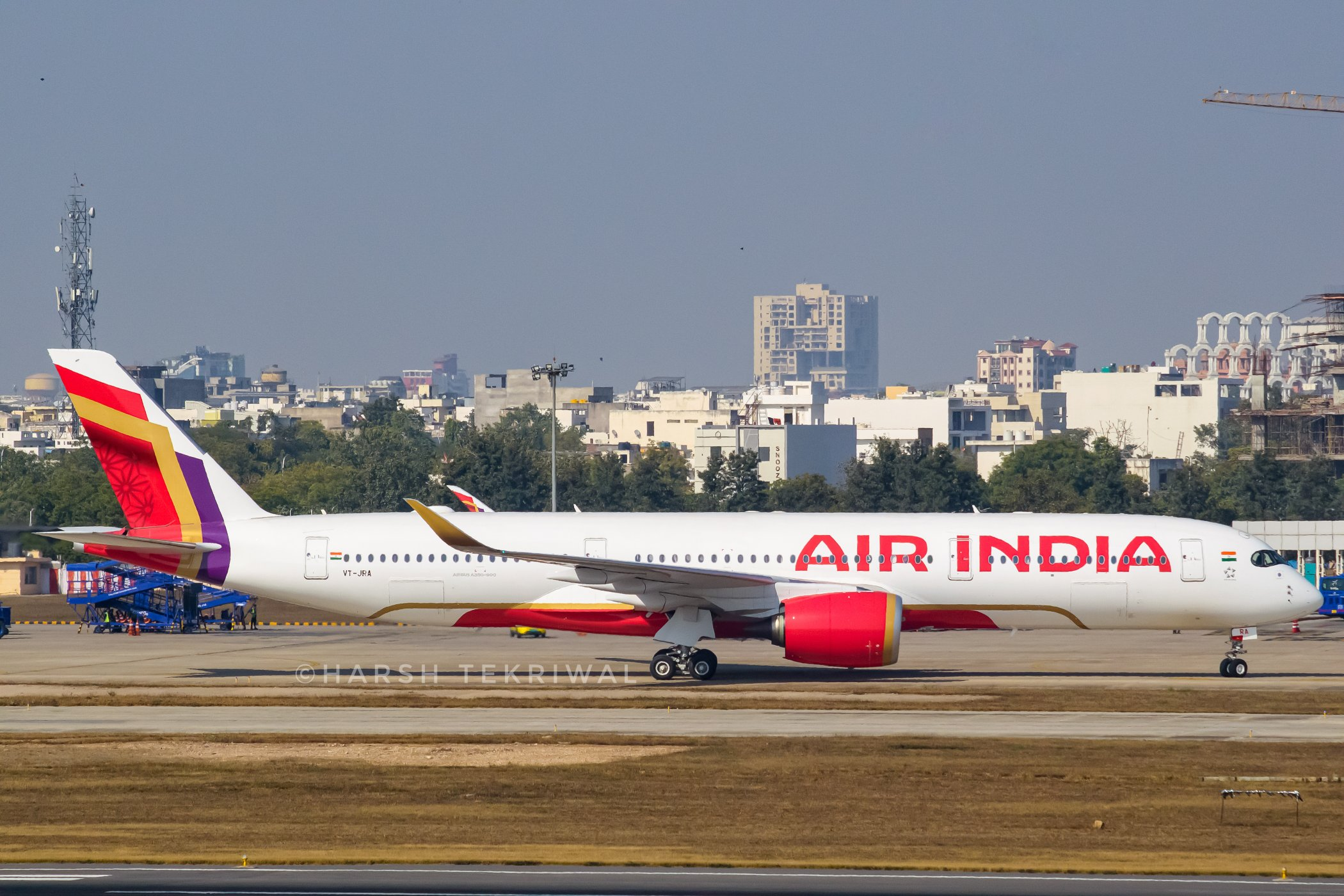
NEW YORK- Tata Group-owned Air India (AI) has cancelled all flights to and from New York and Newark on January 25 and 26 due to a severe winter storm forecast across the US East Coast.
The cancellations affect services linked to New York City (JFK) and Newark Liberty International Airport, New Jersey (EWR), as heavy snow and strong winds are expected to disrupt operations.
The airline said the decision prioritises passenger safety and crew well-being as weather conditions are likely to impact major airports in the region.
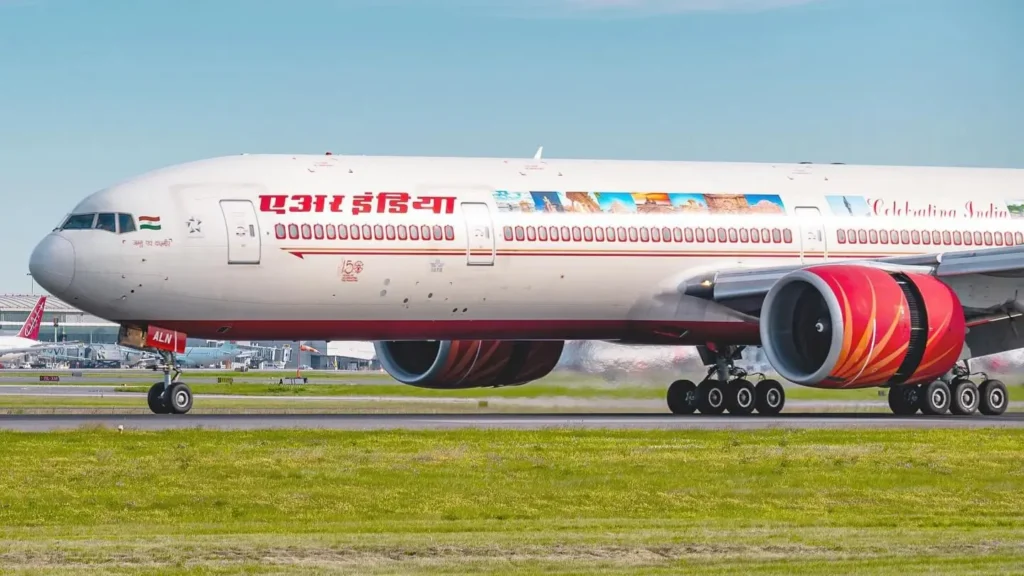
Air India Cancels US Flights
Meteorological forecasts indicate heavy snowfall and high winds across New York, New Jersey, and surrounding areas from early Sunday through Monday. These conditions are expected to severely limit airport operations, ground handling, and aircraft movement at major northeastern hubs.
Air India confirmed that all flights operating between India and New York and Newark have been cancelled for the two days.
The airline stated that the move was taken as a preventive measure to avoid passenger inconvenience and operational risks linked to the storm.
Air India said its customer service teams are assisting passengers booked on the affected dates. Travellers are advised to contact the airline’s 24×7 call centre for rebooking options, refunds, or further guidance.
Passengers can reach Air India through its helpline numbers or check real-time updates on the airline’s official website. The carrier has urged travellers to stay informed as weather conditions continue to evolve.
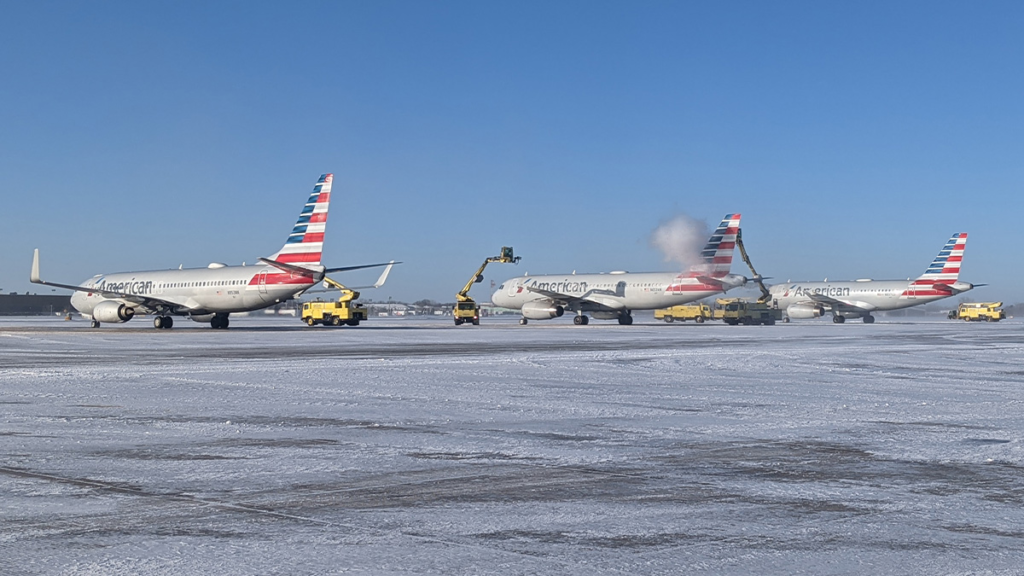
Wider Impact on US Northeast Air Travel
The cancellations align with broader disruptions across the northeastern United States, where winter weather systems frequently lead to delays and flight suspensions. Airports in the region often face runway closures, de-icing delays, and air traffic flow restrictions during such storms.
Airlines operating transatlantic and long-haul services typically adjust schedules in advance to manage safety and operational reliability during severe winter events.
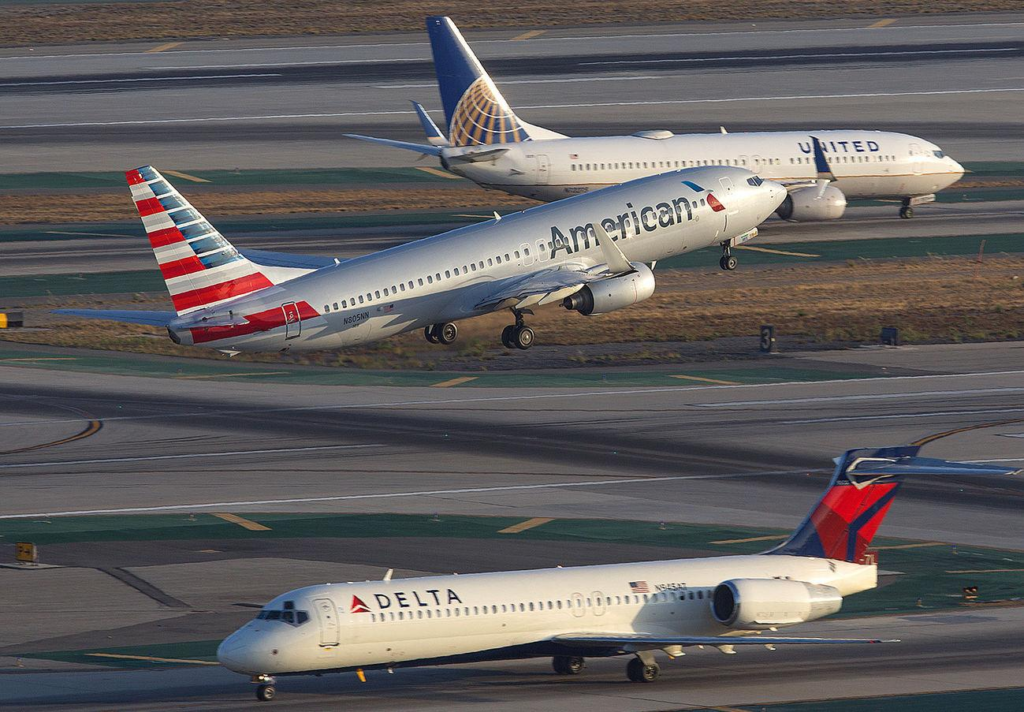
US Airlines Issues Travel Waivers
Major US airlines are preparing for significant travel disruption as forecasts warn of the strongest winter storm of the season impacting large parts of the country. Snow, ice, and Arctic air are expected to affect air travel from the Southern Plains to the East Coast through the weekend.
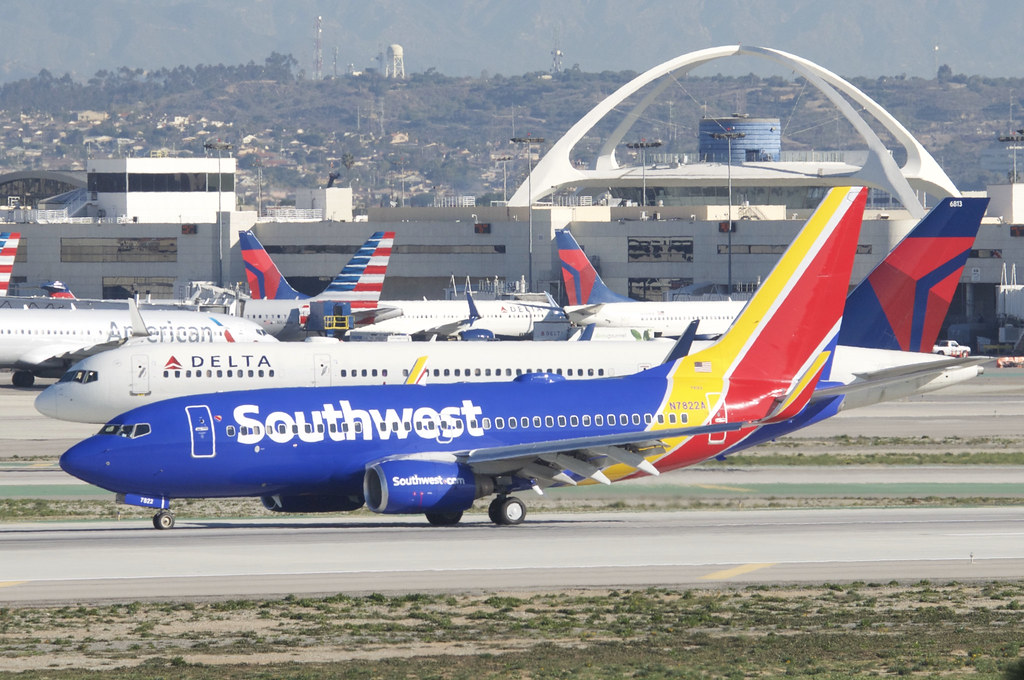
Delta Air Lines (DL) has flagged potential operational impacts at Hartsfield-Jackson Atlanta International Airport, Atlanta (ATL), while American Airlines (AA), United Airlines (UA), and Southwest Airlines (WN) have issued broad travel advisories covering dozens of major cities.
Airlines Brace for Widespread Weather Disruption
Meteorologists expect accumulating snow and ice to stretch from Texas and Oklahoma through the Deep South and into the Mid-Atlantic and Northeast. AccuWeather has warned of severe and widespread impacts, noting that major population centers and airline hubs could see prolonged disruption.
Large hub airports play a central role in national flight networks. When operations slow at these hubs, delays and cancellations can ripple across the entire system. Even travelers not flying through storm-affected cities may experience indirect disruptions as aircraft and crews fall out of position.
Airlines typically respond to these forecasts by reducing schedules in advance. Preemptive cancellations allow carriers to reposition aircraft and crews while giving travelers clearer options before arriving at the airport.
Travel Advisories and Fee Waivers in Effect
The four largest US airlines have issued travel waivers that allow passengers to change or cancel flights without standard change fees. These waivers often apply even to basic economy tickets, which normally carry strict restrictions.
Delta Air Lines has stated it is closely monitoring conditions that could affect operations at its Atlanta hub, the busiest airport in the world by passenger volume. Similar advisories from American, United, and Southwest cover multiple hubs and regional airports across the forecast zone.
Exact waiver terms vary by airline. Most require travelers to rebook within a specific date range and on the same carrier. Passengers should review their airline’s advisory page for precise conditions.
What Travelers Should Do Before Flying
Passengers scheduled to travel between Friday and Sunday are advised to review backup options early. Weather-related flexibility is typically highest immediately after a waiver is issued, before flights begin canceling in large numbers.
Airline mobile apps remain the fastest way to manage changes. During major disruptions, call center wait times often spike as travelers attempt to rebook. Most carriers allow itinerary changes, cancellations, and rebooking directly through their apps.
Travelers should also monitor flight status frequently, as schedules can change quickly when weather conditions evolve.

Refund Rules Still Apply
Under US Department of Transportation rules, passengers are entitled to a refund if their flight is canceled or significantly delayed and they choose not to travel. This applies regardless of whether the disruption is caused by weather.
If a traveler accepts a rebooked or delayed flight and completes the trip, a refund is generally not provided. Refund eligibility depends on whether the passenger declines the alternate transportation offered.
Limits on Airline Compensation
Airlines typically do not provide hotel accommodations, meal vouchers, or ground transportation when disruptions are caused by weather. These services are usually reserved for delays or cancellations within the airline’s control, such as mechanical issues.
Passengers stranded due to winter storms should plan for out-of-pocket expenses and limited airport services during peak disruption periods.
Using Travel Insurance as a Safety Net
Some travel credit cards include trip delay or trip interruption coverage that may reimburse expenses such as hotels and meals. Coverage usually applies only if the trip was purchased with the eligible card.
Terms and coverage limits vary by issuer. Travelers should review their card’s benefits guide to understand eligibility requirements and claim procedures.
Expect Delays to Cascade Nationwide
Given the scale of the forecast system and its reach into multiple hub cities, widespread delays and cancellations are likely. Travelers should prepare for longer airport waits and limited rebooking options during peak periods.
Flexibility, frequent flight monitoring, and early decision-making remain the most effective ways to reduce disruption during major winter weather events.
Stay tuned with us. Further, follow us on social media for the latest updates.
Join us on Telegram Group for the Latest Aviation Updates. Subsequently, follow us on Google News
