

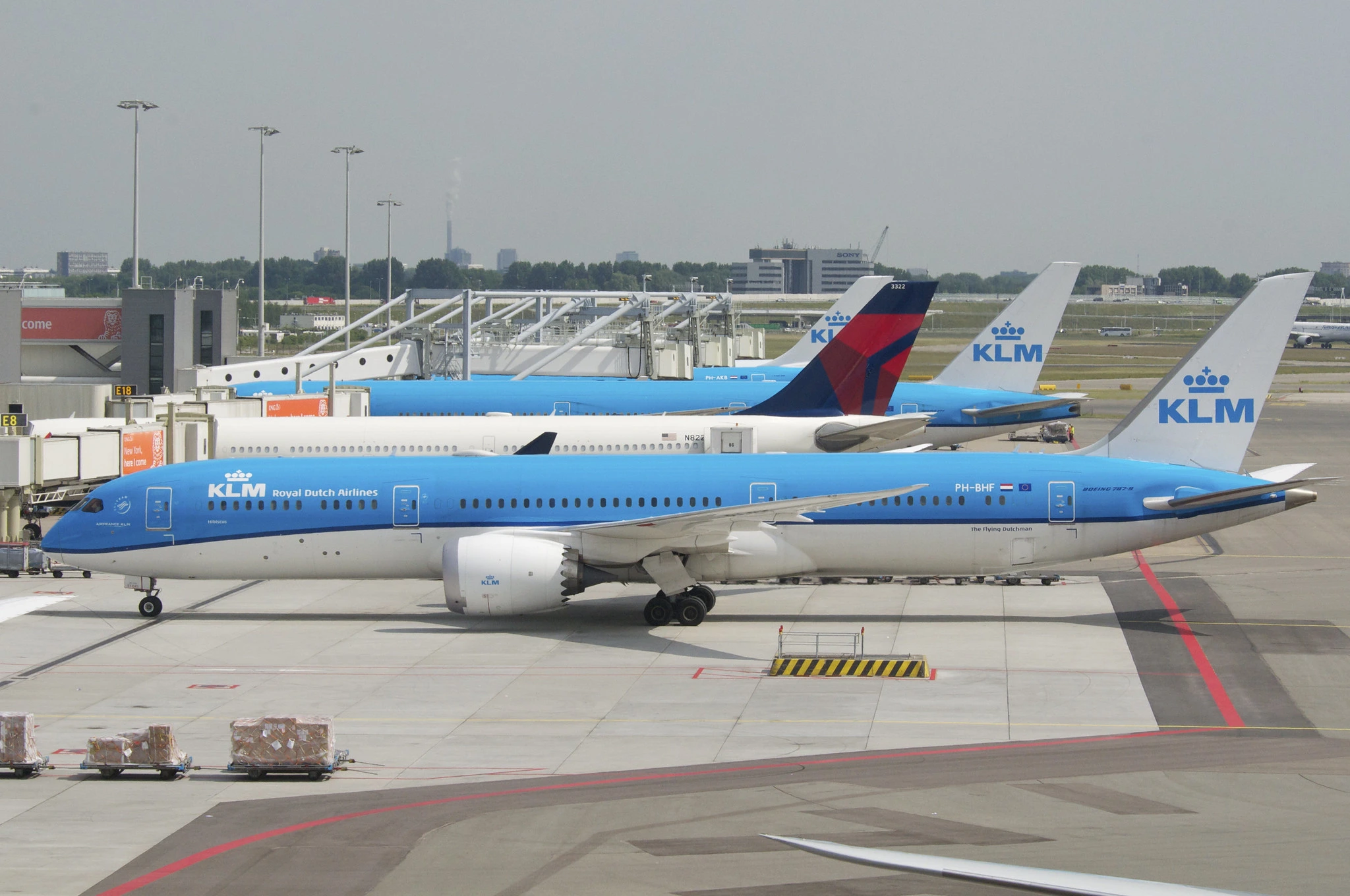
TEHRAN– International air travel to the Middle East has faced significant disruption as escalating tensions between Iran and the United States prompt airlines to revise operations. Major carriers, including Air France (AF) and KLM (KL), have temporarily suspended flights to critical hubs such as Dubai (DXB), Tel Aviv (TLV), and Riyadh (RUH), citing rising geopolitical risks and airspace safety concerns.
Airports in the Gulf region and Israel remain open, but flight schedules are being actively adjusted. Airlines are rerouting aircraft to avoid Iranian and nearby airspace, affecting fuel consumption, travel times, and overall operational planning.
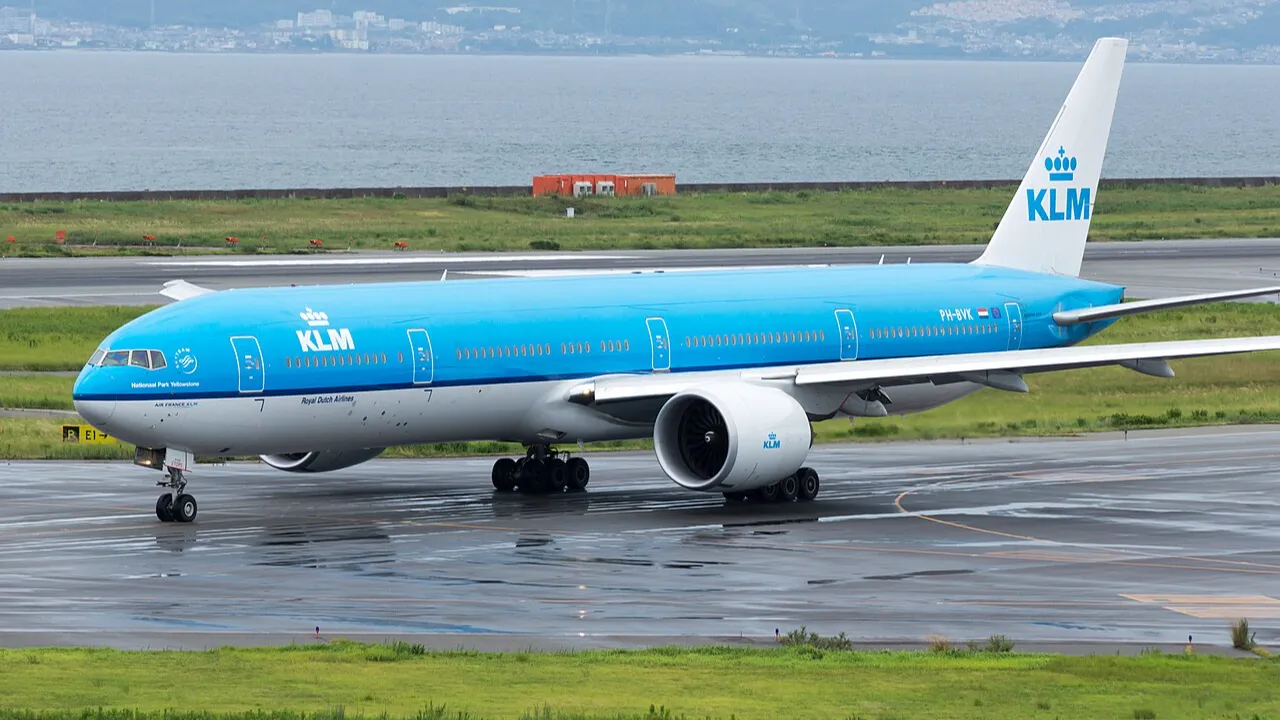
https://commons.wikimedia.org/wiki/File:KLM_Royal_Dutch_Airlines,_B777-300,_PH-BVK_(20434222134).jpg
Airline Suspends Flights to the Middle East
European and North American carriers have acted decisively in response to the security situation.
Air France has halted services to Dubai while closely monitoring developments in the region. KLM has suspended flights that would require passage through Iranian, Iraqi, and Israeli airspace.
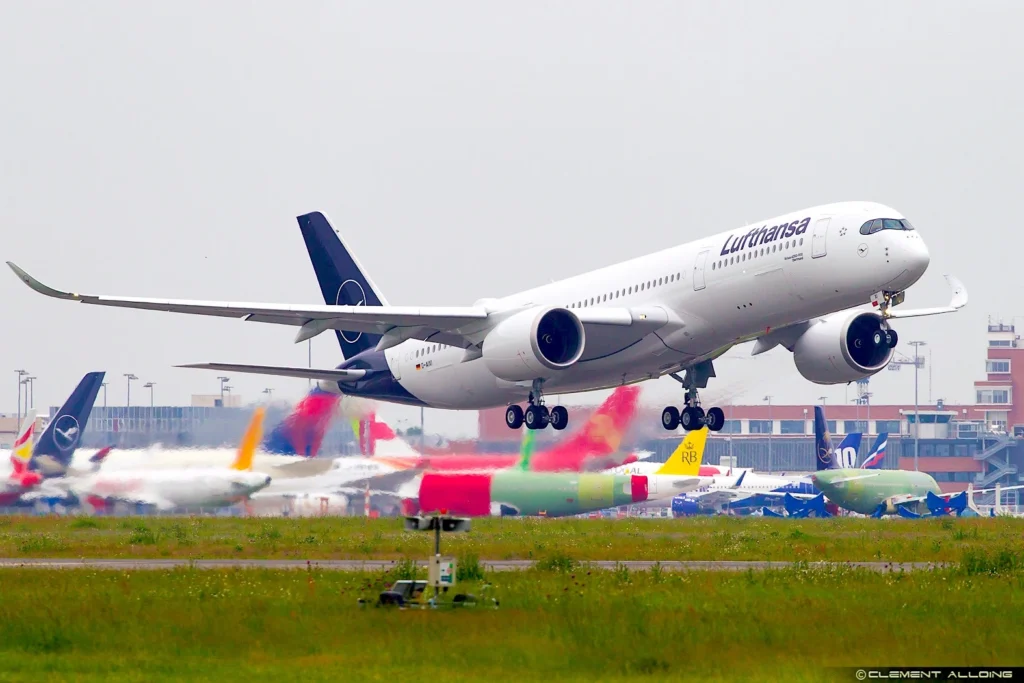
Lufthansa (LH) continues operations to select destinations but limits services to daytime flights, avoiding high-risk corridors. United Airlines (UA) and Air Canada (AC) have also paused routes to Tel Aviv.
These decisions reflect proactive safety measures amid the risk of military escalation.
Iranian Airspace Restrictions
The rising threat of conflict has forced changes in flight paths across the Arabian Peninsula and surrounding regions.
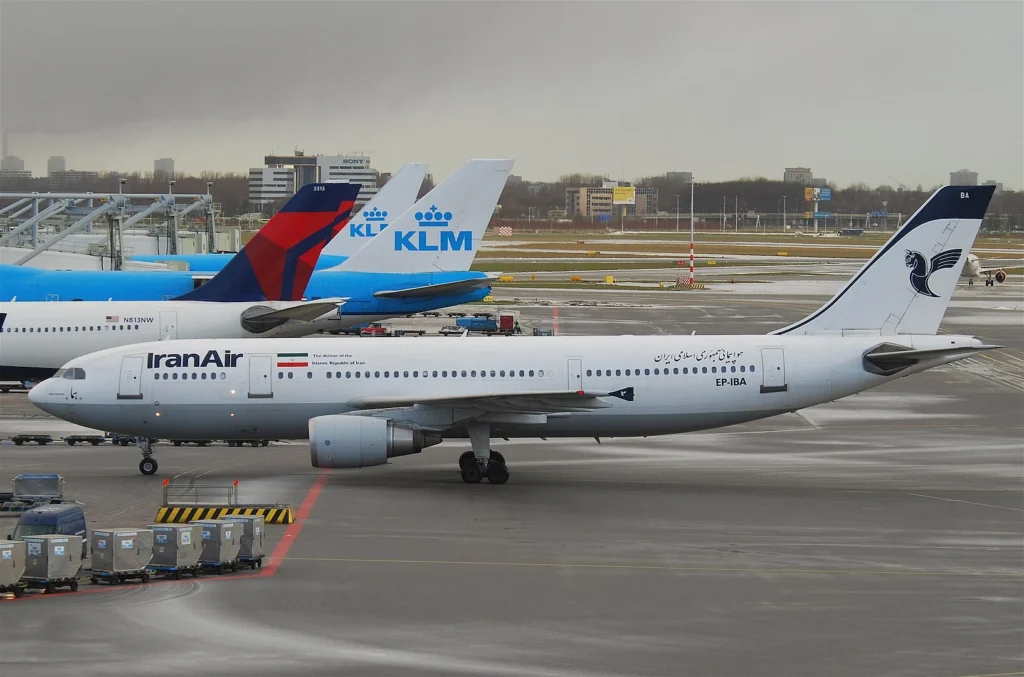
Iran’s temporary closure of its airspace last week disrupted international flights for several hours, highlighting the vulnerability of civilian aviation to geopolitical tensions.
According to NDTV, Military deployments, including a US carrier strike group led by USS Abraham Lincoln, are expected to arrive in the Persian Gulf and Arabian Sea.
Aviation authorities are coordinating with airlines to implement flow controls, reroute traffic, and maintain safety standards.
Flight planning now prioritizes alternate southern and northern routes around conflict-sensitive zones. These changes compress usable airspace and place additional strain on air traffic management.

Passenger Implications
Travelers to the Middle East are facing delays, cancellations, and longer journey times. Airlines are offering flexible rebooking policies and proactive customer communication to mitigate disruption.
Business travel remains comparatively stable, though tourism and non-essential travel have declined.
Operational costs for airlines have risen due to longer routes and insurance adjustments, prompting careful fare management in affected markets.
Bottom Line
Rising Iran–US tensions have disrupted Middle East aviation, forcing airlines to adopt precautionary flight suspensions and rerouting measures.
While no widespread closures have occurred, the situation underscores the direct impact of geopolitical instability on global air travel and the resilience measures required to maintain operations.
Stay tuned with us. Further, follow us on social media for the latest updates.
Join us on Telegram Group for the Latest Aviation Updates. Subsequently, follow us on Google News
