

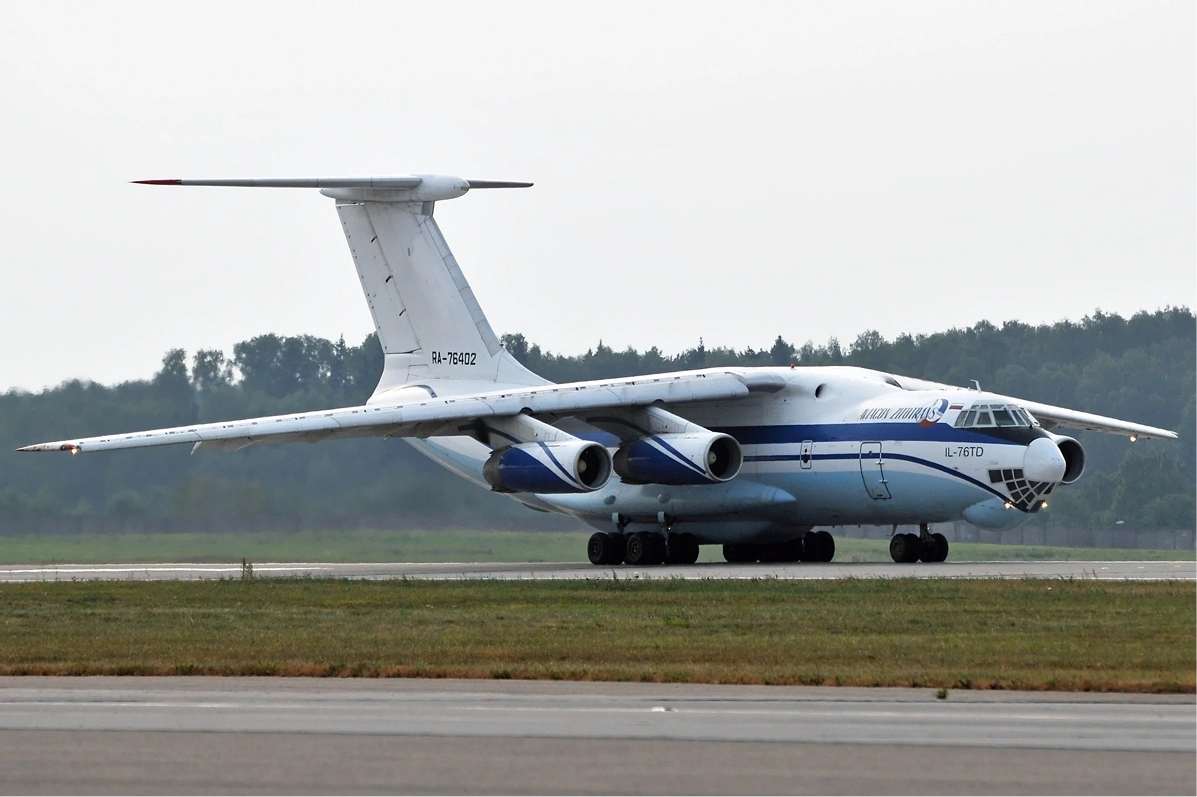
MOSCOW- Russia is moving to return decades-old aircraft to active service as its commercial aviation sector faces a deepening fleet shortage under prolonged international sanctions. According to Ukrainian intelligence assessments, Russian airlines are preparing to reintroduce mothballed aircraft during 2026–2027 because fleet renewal options remain severely constrained.
Major carriers, including Aeroflot Group airlines such as Rossiya Airlines (FV), are central to these recovery efforts, with operations concentrated around Moscow and other hub cities, including Moscow Sheremetyevo Airport (SVO).
Sanctions on Russia Lead to Aging Aircraft Return
Intelligence assessment indicates that Russia’s strategy of introducing old aircraft reflects structural pressure rather than temporary disruption. Sanctions have sharply limited access to new aircraft, certified spare parts, and manufacturer-backed maintenance support.
As a result, airlines are relying on older Soviet-era and early-generation Western aircraft to sustain domestic and limited international operations, despite rising operational and safety challenges.
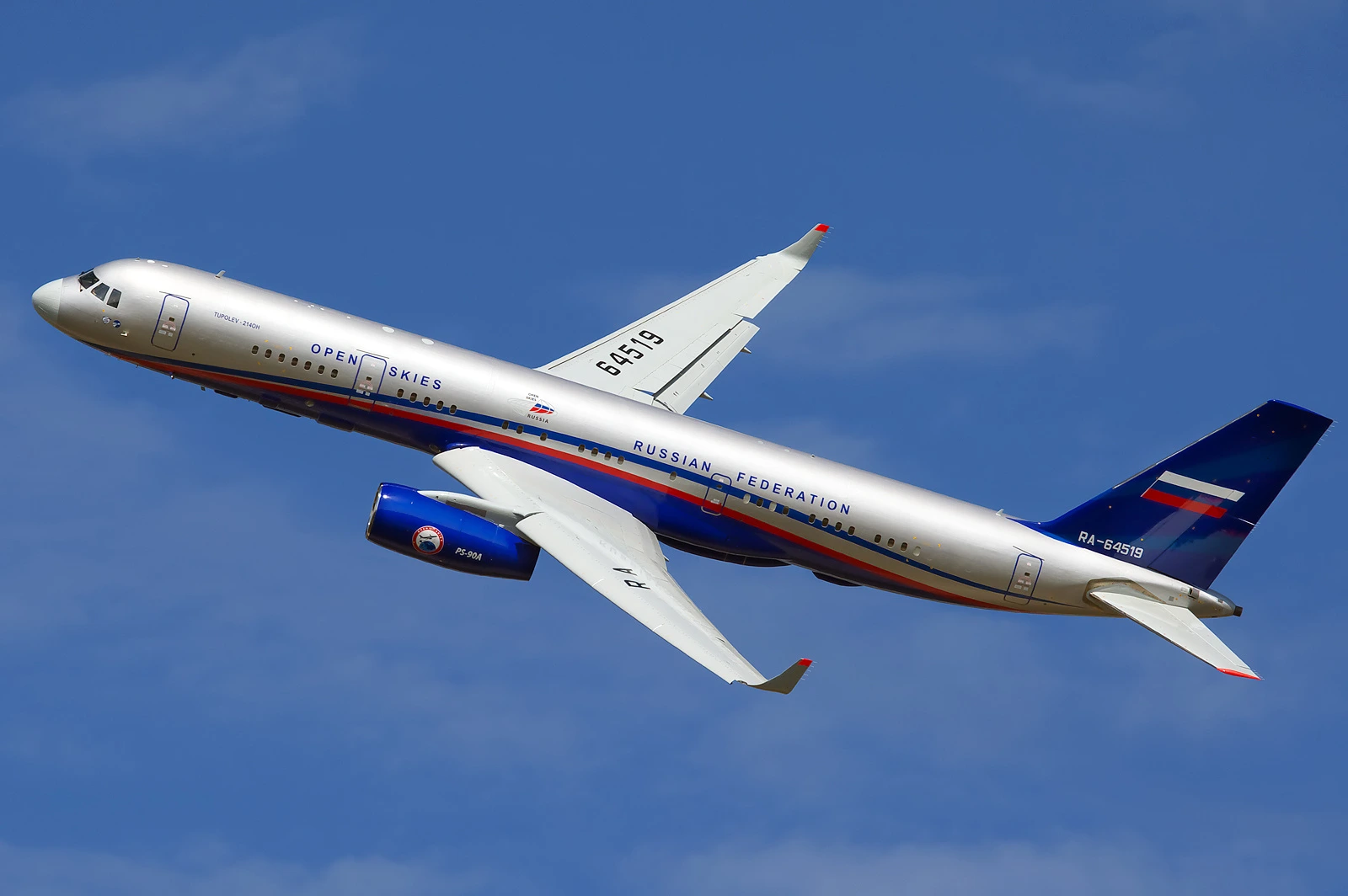
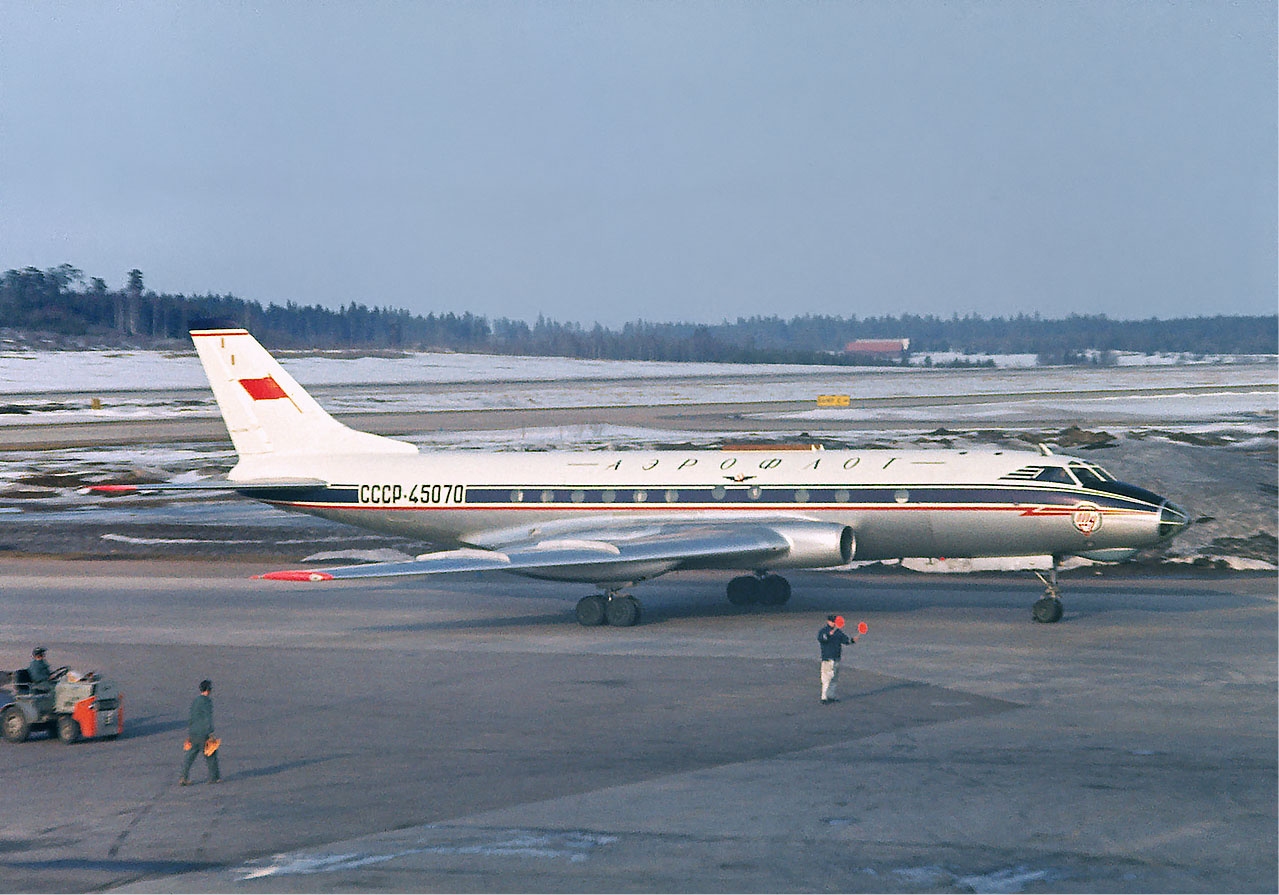
Russian airlines plan to return more than 30-year-old aircraft to service as part of a state-backed recovery program running through 2027.
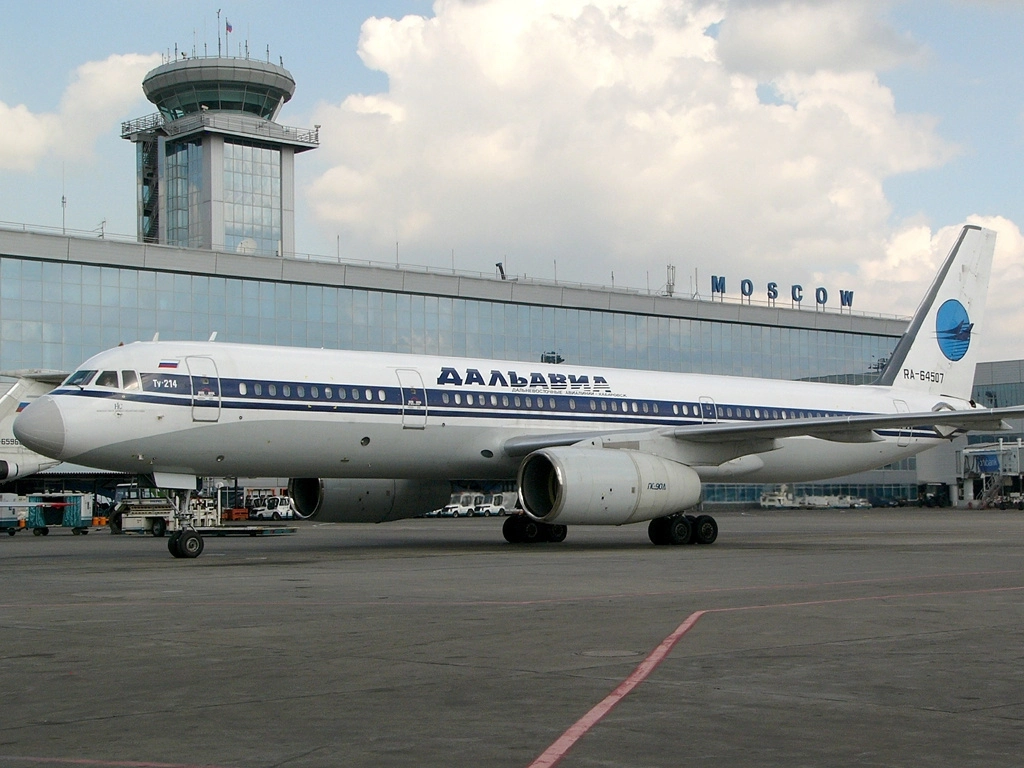
Ten of the twelve aircraft scheduled under this plan have already re-entered operations, signaling the urgency of the situation. The restored aircraft include Tupolev Tu-204 and Tu-214 narrowbody jets, the widebody Il-96, and regional An-148 aircraft.
Two additional Tu-204 aircraft are expected to rejoin airline fleets during 2026–2027. These aircraft remain operationally viable but are widely regarded as outdated in efficiency, avionics, and passenger comfort.
Industry analysts note that reactivating such aircraft increases fuel consumption and maintenance intensity, raising long-term operating costs for carriers already under financial strain.
Sanctions Impact Fleet
As of October 2025, Russia’s largest airlines collectively operated a fleet of 1,135 aircraft, with 1,088 actively flying.
Approximately 67 percent of these aircraft are foreign-built, primarily by Boeing and Airbus.
Sanctions have made certified maintenance difficult, forcing airlines to rely on limited inventories, component cannibalization, and extended service intervals.
To offset aircraft shortages, carriers are also returning stored foreign aircraft to service. Rossiya Airlines is expanding its fleet of Boeing 747 aircraft acquired after the collapse of Transaero Airlines.
Many of these widebody jets are over 20 years old and have spent years in storage before reactivation due to a lack of viable alternatives.
Cargo Aviation Decline
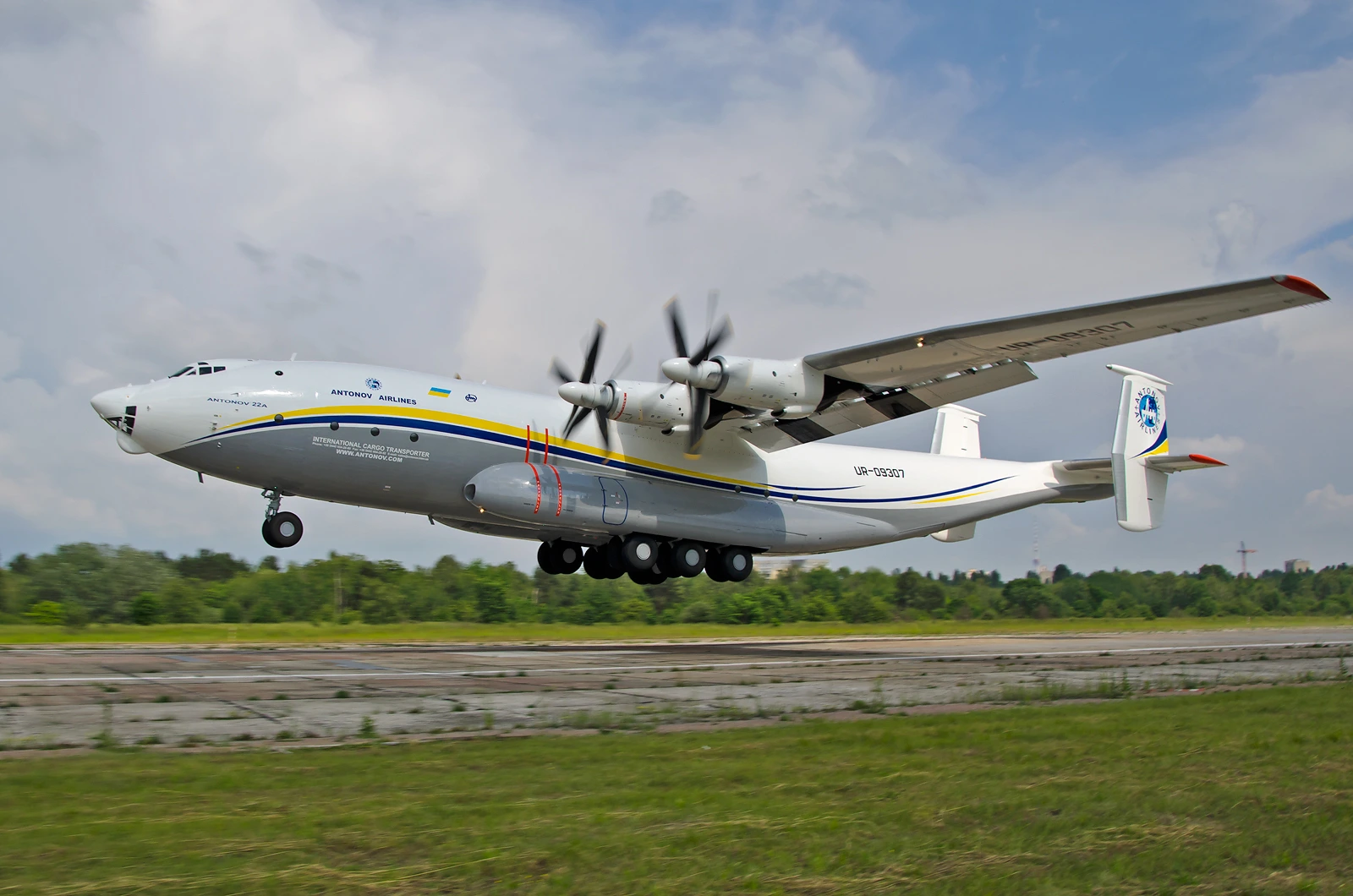
The aircraft shortage has hit Russia’s cargo aviation sector particularly hard. Air cargo turnover fell from 9.2 billion tonne-kilometers in 2021 to just 1.9 billion in 2024.
Limited access to modern freighters and maintenance support has reduced reliability and capacity across domestic and international cargo routes.
Experts warn that continued reliance on aging aircraft could further erode cargo performance.
Older freighters face higher downtime, lower payload efficiency, and increased fuel burn, all of which weaken competitiveness and raise costs for logistics operators.
Bottom Line
Russia’s decision to return long-stored aircraft to service underscores the severity of its aviation fleet crisis.
While the move provides short-term operational relief, it also highlights the long-term degradation of fleet quality under sanctions.
Without access to modern aircraft and certified support, the industry faces rising costs, operational risks, and continued contraction.
Stay tuned with us. Further, follow us on social media for the latest updates.
Join us on Telegram Group for the Latest Aviation Updates. Subsequently, follow us on Google News
