

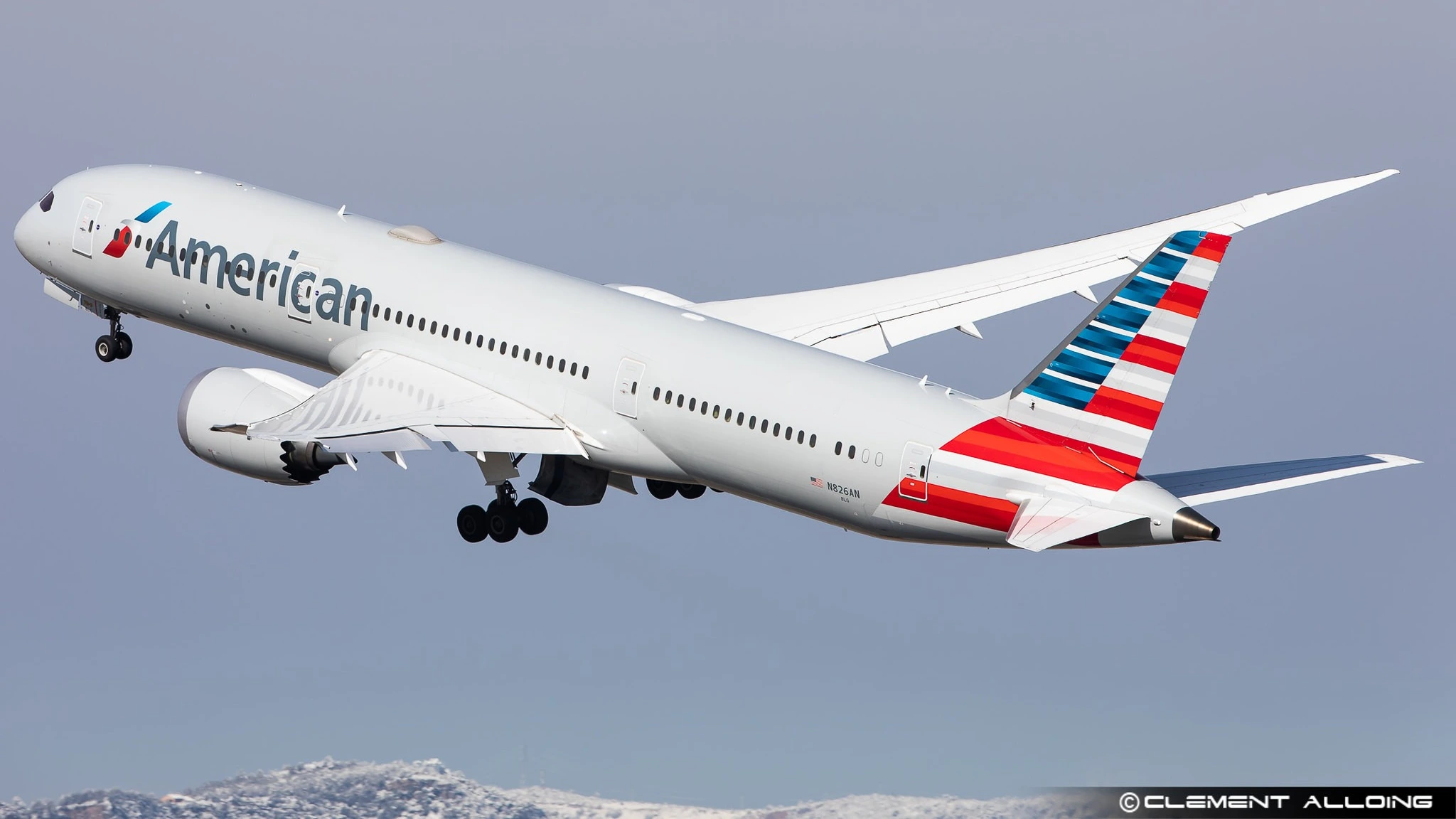
DALLAS- American Airlines (AA) is facing renewed scrutiny over widebody cabin staffing as a survivor of US Airways Flight 1549 adds her voice to the debate. The issue centers on whether fewer flight attendants can safely manage emergency evacuations.
LaGuardia Airport, New York (LGA), remains central to this story, as it was the departure point of the Miracle on the Hudson flight. Seventeen years later, its legacy is shaping modern safety discussions across US aviation.
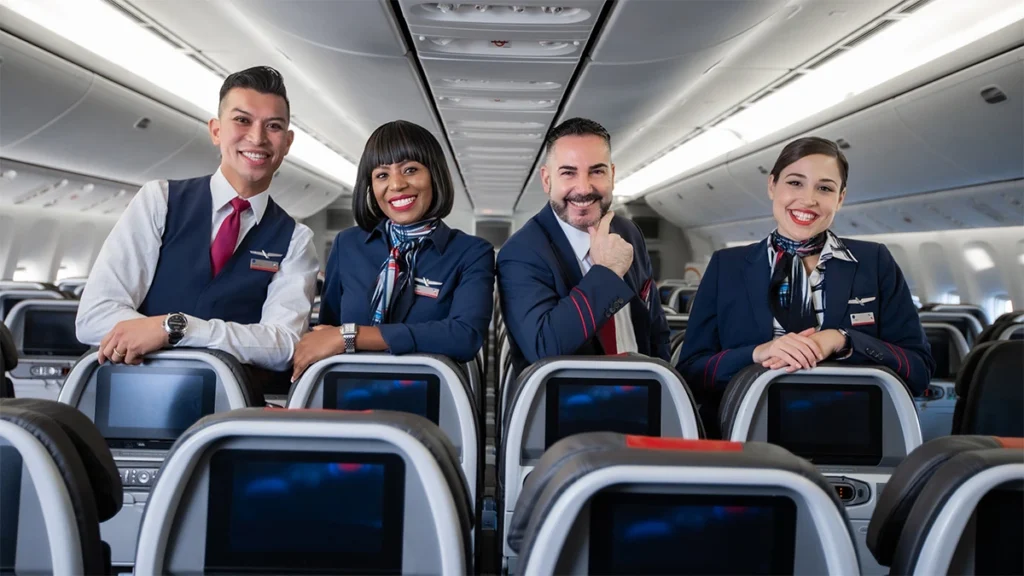
How a Historic Ditching Shapes Today’s Safety Debate
On January 15, 2009, US Airways Flight 1549 suffered a dual engine failure after striking a flock of Canada geese shortly after takeoff from LaGuardia. The Airbus A320 lost all thrust and became a glider within seconds.
Captain Chesley Sully Sullenberger made the decision to ditch the aircraft into the icy Hudson River. All 150 passengers and five crew members survived, an outcome later described by investigators as the most successful ditching in aviation history.
The cockpit crew and three flight attendants were credited with maintaining control, issuing clear commands, and executing a disciplined evacuation. Their actions are now being cited as proof of why adequate cabin staffing matters in emergencies.
Survivor Support for American Airlines Flight Attendants
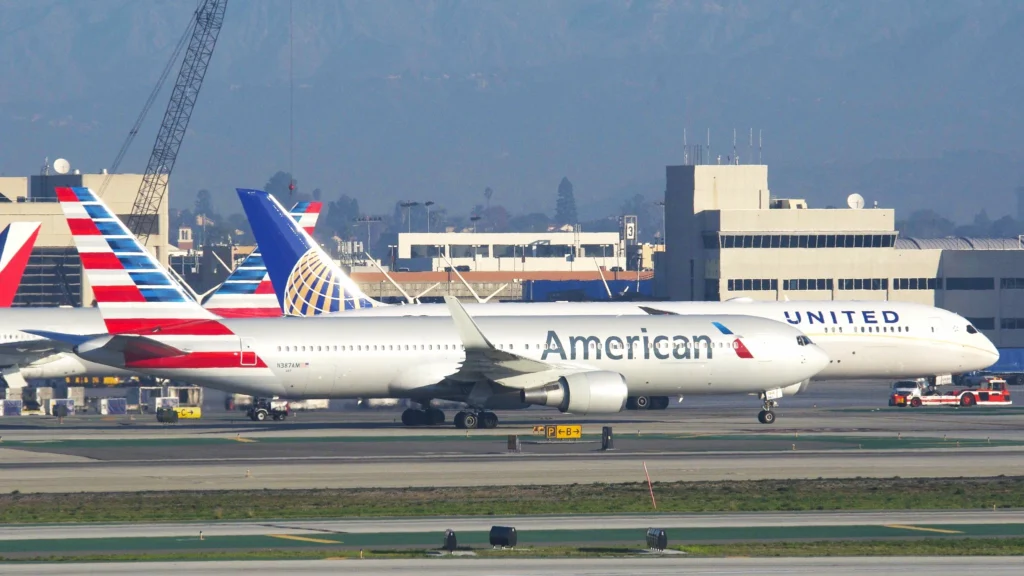
Denise Lockie, a passenger seated in 2C on Flight 1549, has joined the Association of Professional Flight Attendants in its campaign against reduced staffing levels on widebody aircraft at American Airlines. According to PYOK, Lockie has described the cabin crew as instrumental to survival during the crash and evacuation.
She recalls confusion and panic immediately after impact, with passengers unsure how to operate the exits. The flight attendants took charge, remained calm, and directed passengers step by step, turning chaos into an orderly evacuation.
APFA President Julie Hedrick later described the evacuation as textbook, reinforcing the union’s argument that trained crew presence at each exit is critical in life-threatening situations.
FAA Approval Raises Concerns Over Exit Coverage
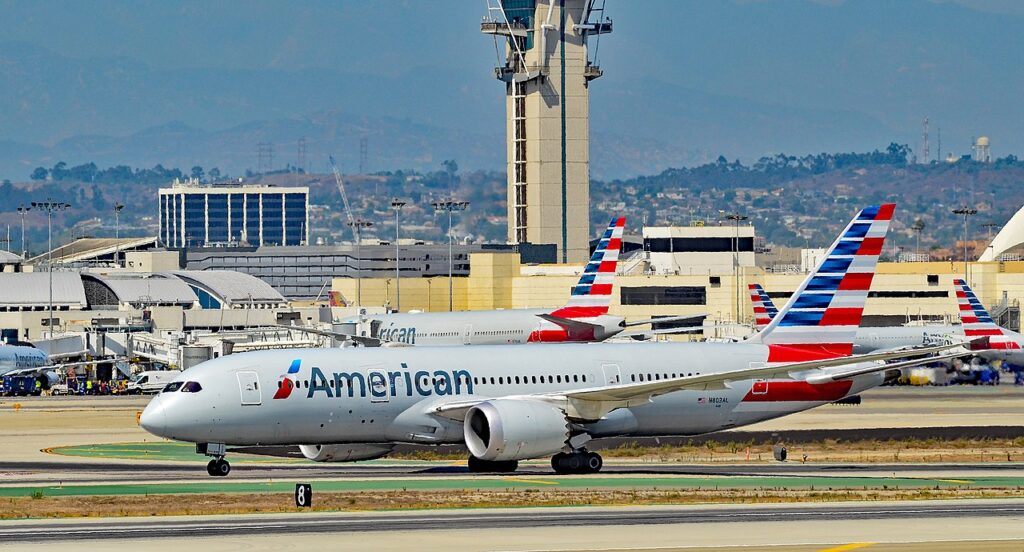
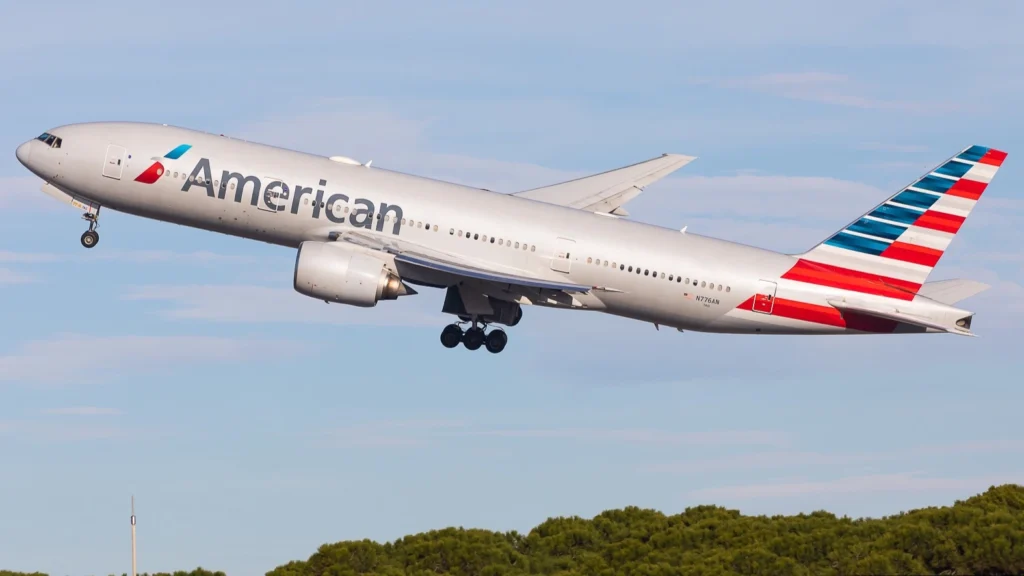
APFA’s campaign gained urgency after the Federal Aviation Administration (FAA) approved American Airlines’ request to operate its Boeing 787-9 Dreamliner with seven flight attendants. The aircraft has eight floor-level emergency exits.
The union argues that this configuration leaves at least one exit unattended. In an emergency, that gap could slow evacuation and increase the risk of injury or death. The concern becomes more serious if a flight attendant is incapacitated, potentially leaving two exits unusable.
APFA has warned that unattended exits undermine the 90-second evacuation standard required for aircraft certification.
Industry Trend Toward Lower Cabin Crew Numbers
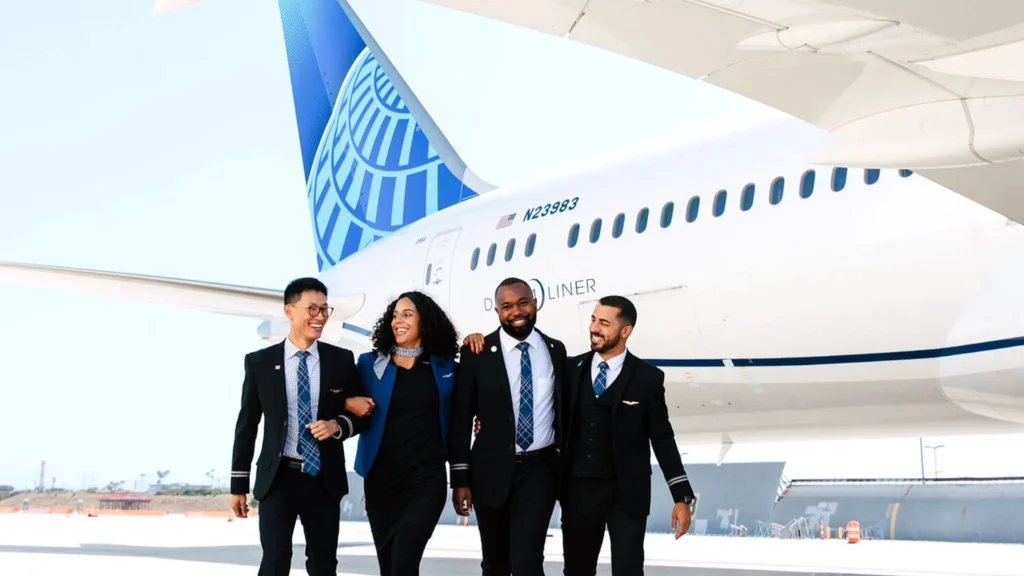
American Airlines is not alone in adopting reduced staffing models. United Airlines operates its Boeing 787 fleet, including the larger 787-10, with a minimum of seven flight attendants. Delta Air Lines has approval to staff Airbus A330 aircraft with just six crew members.
Internationally, some European regulators allow Boeing 787 operations with six flight attendants under specific conditions. This contrasts with stricter European rules on single aisle aircraft, where Airbus A320 family jets require at least four cabin crew, compared to three under US regulations.
APFA has chosen not to challenge single aisle standards, focusing instead on widebody aircraft where evacuation complexity and passenger loads are higher.
What the Union Is Pushing For
APFA continues to lobby lawmakers for regulatory changes that would require one flight attendant per floor level emergency exit on widebody aircraft. The union maintains that service considerations should never outweigh evacuation readiness.
While airlines often staff flights above the legal minimum for operational reasons, regulations allow departures with reduced crew if a last minute replacement is unavailable. That flexibility, the union argues, creates unacceptable risk during rare but high consequence events.
Stay tuned with us. Further, follow us on social media for the latest updates.
Join us on Telegram Group for the Latest Aviation Updates. Subsequently, follow us on Google News
