

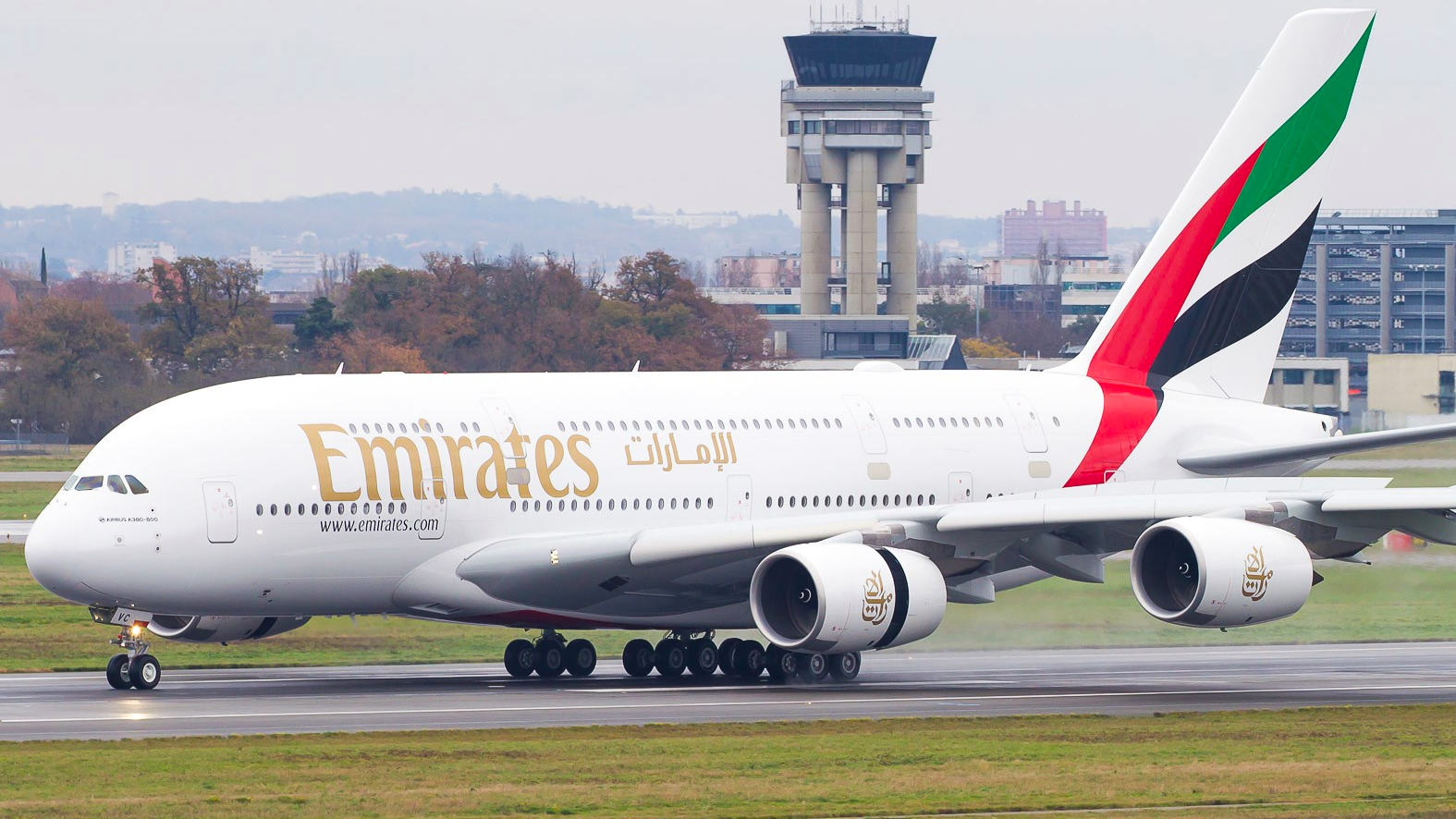
TORONTO, CANADA- Toronto experienced a major winter disruption when an Emirates (EK) Airbus A380 was forced to remain on the ground for more than three hours after landing at Toronto Pearson International Airport (YYZ). The delay followed a heavy overnight snowstorm that severely constrained airport operations despite the aircraft arriving close to schedule from Dubai.
The flight had departed Dubai International Airport (DXB) on January 15 and completed the ultra-long-haul journey with minimal airborne delay. However, persistent snowfall, cold temperatures, and limited gate availability suitable for the double-decker aircraft created an extended on-board wait for passengers and crew.
A380 Ground Delay
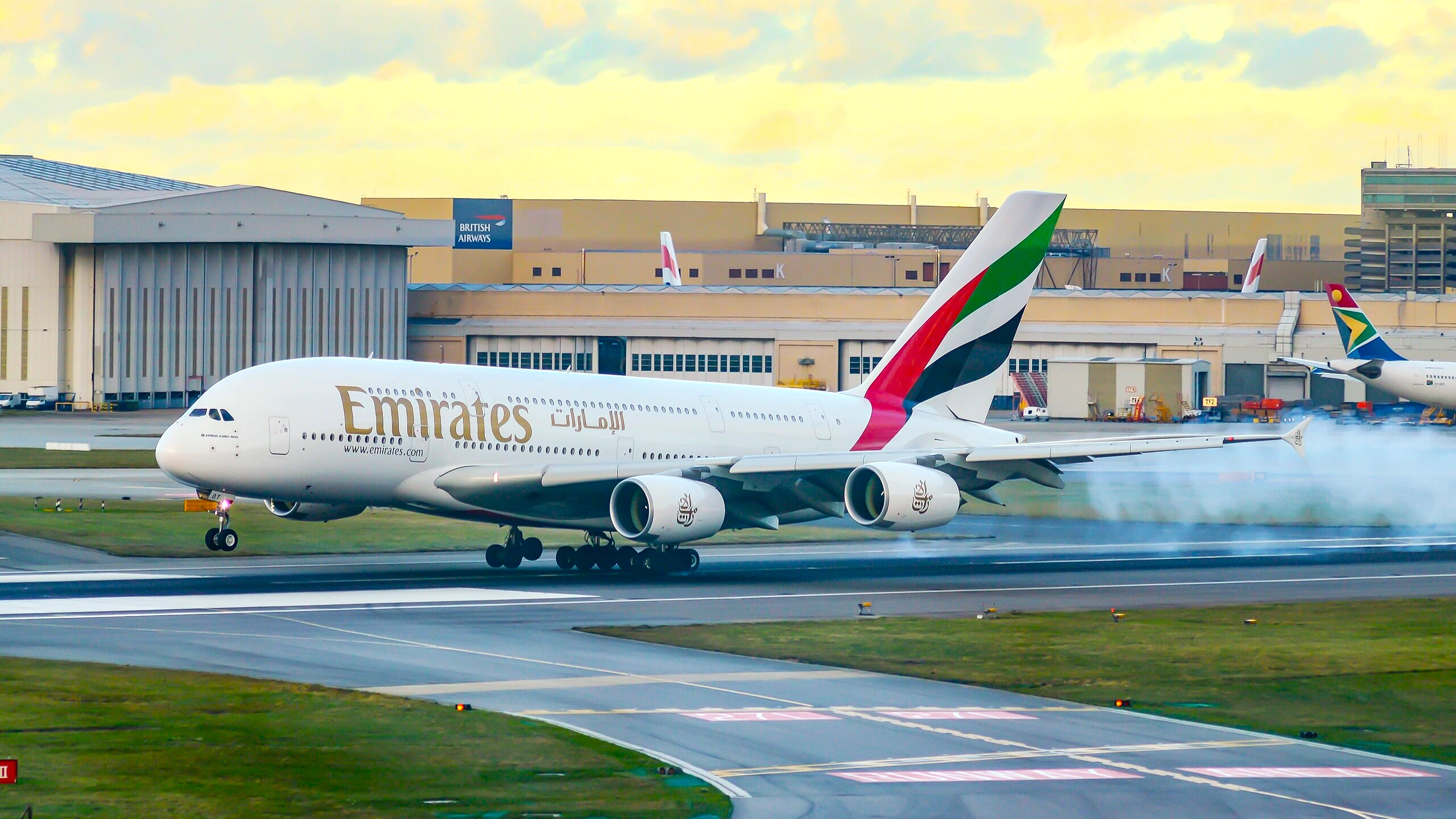
The Emirates Airbus A380 touched down at Toronto Pearson at 8:57 am local time, just minutes behind its scheduled arrival.
While the landing itself was uneventful, the aircraft was unable to taxi to a gate capable of handling its size due to operational congestion.
Toronto Pearson has only two standard gates designed for A380 operations, with a third reserved for emergency use. Snow-clearing priorities and aircraft sequencing meant neither gate was immediately available, leaving the aircraft parked on the apron.
Passengers remained seated onboard for three hours and 18 minutes after landing. The aircraft finally reached a gate at approximately 12:15 pm, allowing deplaning nearly four hours after touchdown.
Snow Operations Impact
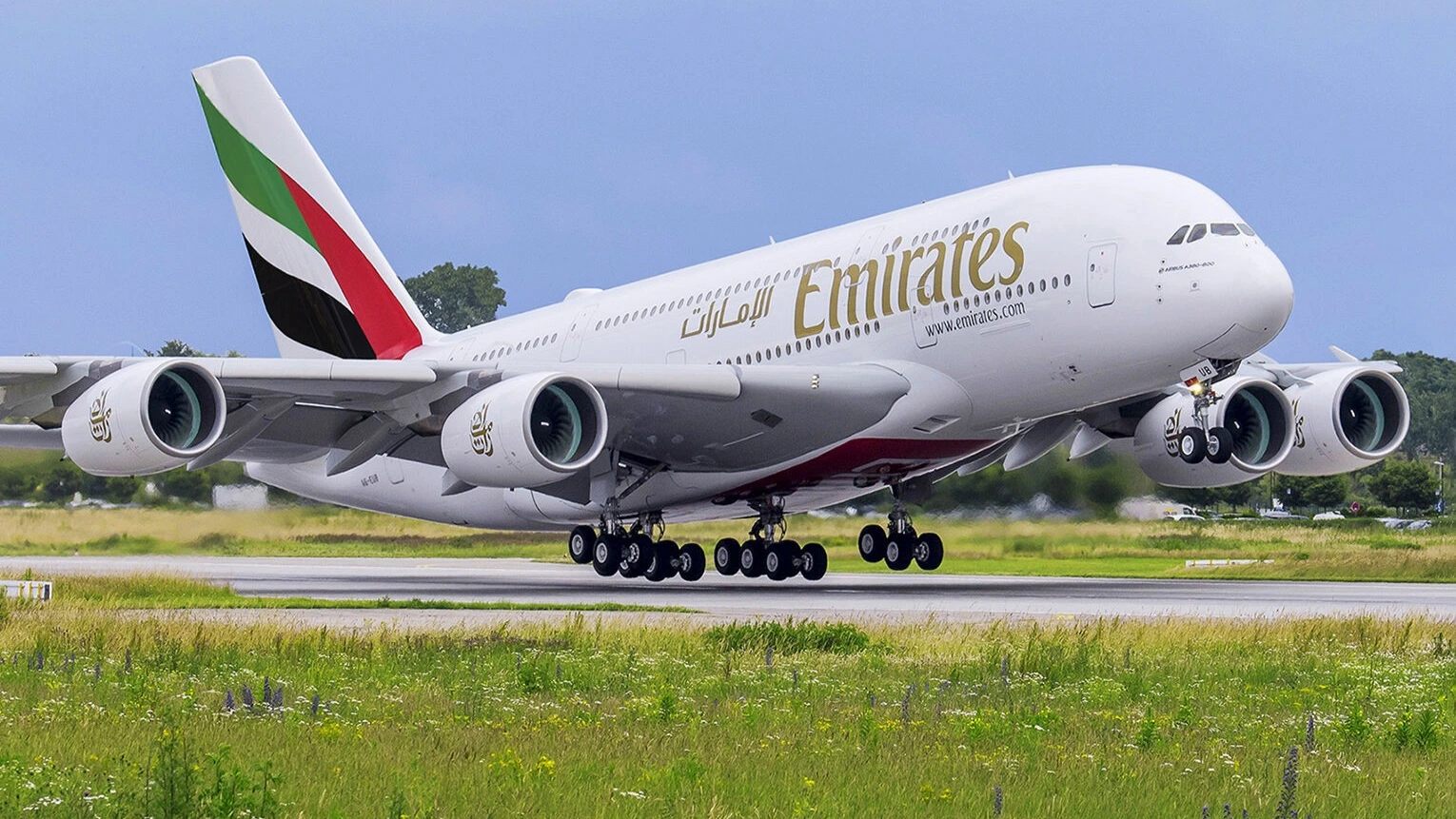
Toronto recorded more than 12 centimeters of snowfall overnight, placing intense pressure on airfield operations, reported Simple Flying.
Ground teams worked continuously to clear runways, taxiways, and parking stands while maintaining safe aircraft movement.
Winter operations also required extensive aircraft de-icing, which further slowed arrivals and departures. Airport authorities had warned travelers to expect delays and advised close coordination with airlines throughout the morning.
The Emirates flight was not an isolated case during the disruption period. Several international arrivals and departures reportedly faced multi-hour gate delays, highlighting how winter weather can quickly overwhelm even well-prepared major hubs.
Airport Capacity Pressure
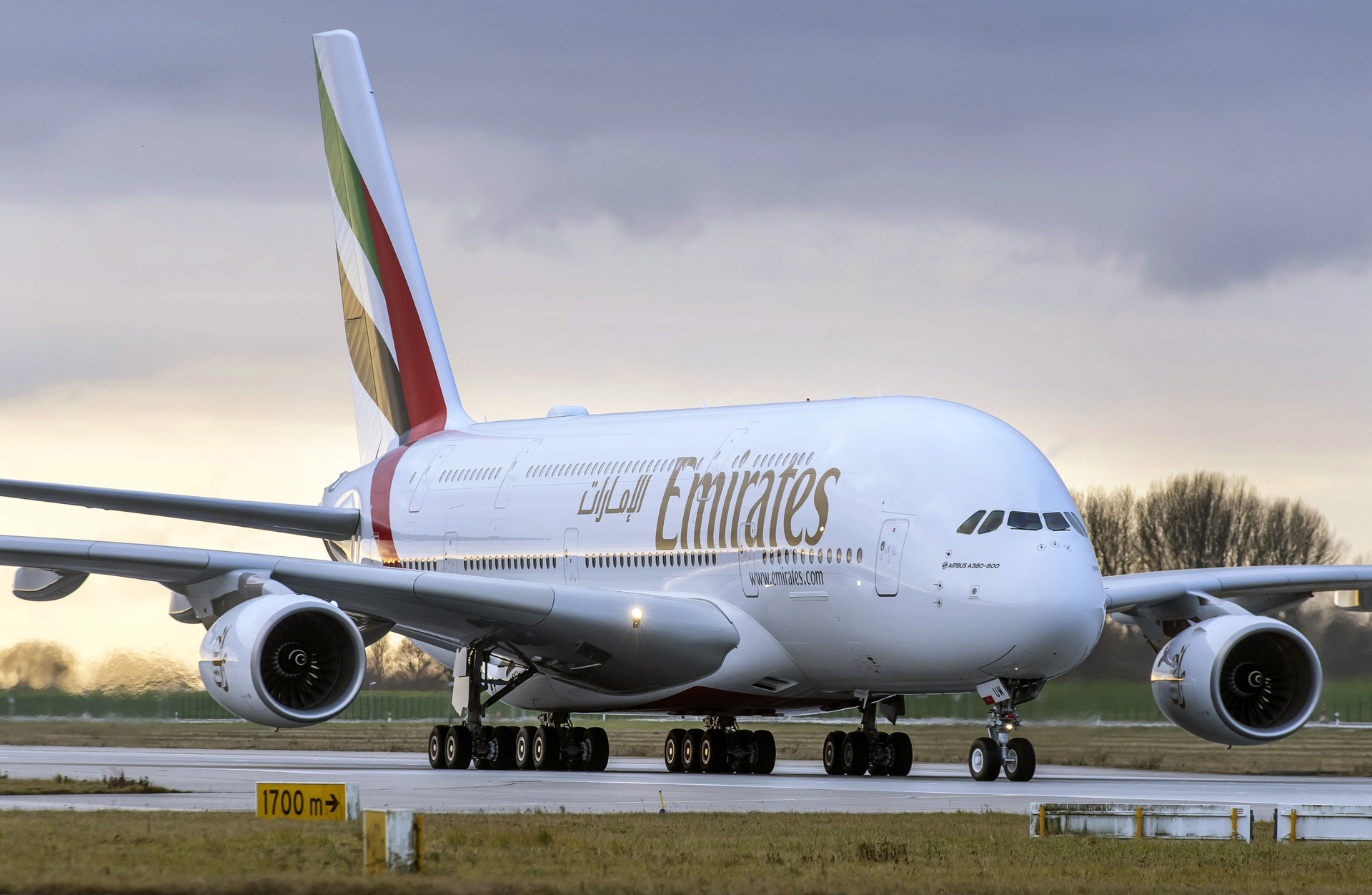
Toronto Pearson International Airport operates under strict capacity limits during winter weather events.
Snow accumulation reduces usable ramp space, slows ground vehicle movement, and increases turnaround times for widebody aircraft.
These conditions place additional strain on gates designed for very large aircraft like the Airbus A380. Even when flights arrive on time, limited maneuvering space and sequencing priorities can result in extended post-landing delays.

Bottom Line
The aircraft involved was a 12.3-year-old Airbus A380 registered as A6-EEQ, powered by four GP7270 engines and configured to carry up to 489 passengers across three classes.
Its prolonged ground delay in Toronto demonstrated the operational challenges of handling very large aircraft during severe winter conditions.
The disruption also affected Emirates’ return service, with the outbound flight from Toronto departing nearly three hours late.
While the airline completed the mission safely, the incident underscored how gate constraints and snow operations can significantly impact long-haul schedules.
Stay tuned with us. Further, follow us on social media for the latest updates.
Join us on Telegram Group for the Latest Aviation Updates. Subsequently, follow us on Google News
