

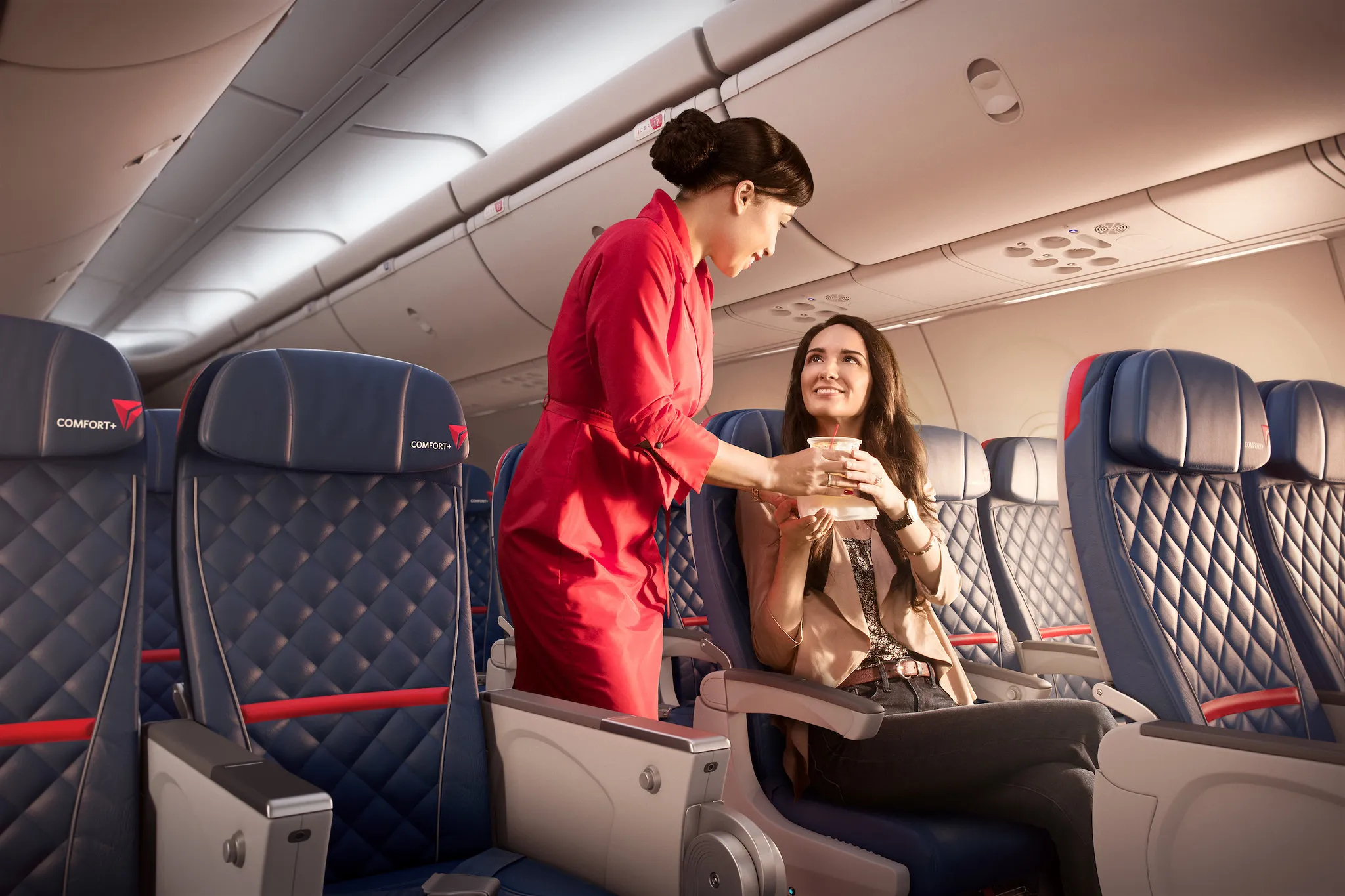
ATLANTA- Delta Air Lines (DL) has reported a historic shift in its 2025 financial results, with premium cabin revenue surpassing economy revenue for the first time. The change reflects a sustained rise in demand for higher-yield travel products, particularly in late 2025.
The airline’s fourth-quarter performance highlights how premium travel is reshaping revenue mix, even as economy demand softens. Delta’s outlook for 2026 suggests this trend is no longer temporary.

Delta Premium Cabin Revenue Exceeds Economy
Delta’s passenger revenue data for 2025 shows a clear divergence between premium and main cabin performance. The shift became most visible in the fourth quarter, when premium revenue growth offset broader economic pressures impacting discretionary travel.
Delta defines main cabin revenue as standard and basic economy fares. Premium revenue includes First Class, Delta One, Premium Select, and Comfort Plus seating. This distinction is critical when evaluating the scale of the change.
In Q4 2025, main cabin revenue fell 7 percent year over year, declining from $6.05 billion to $5.62 billion. During the same period, premium cabin revenue rose 9 percent, increasing from $5.22 billion to $5.70 billion. This marked the first quarter in Delta’s history where premium revenue exceeded economy revenue.
On a full-year basis, the economy still led, but the gap narrowed significantly. Main cabin revenue declined 5 percent to $23.39 billion in 2025, while premium revenue rose 7 percent to $22.10 billion. The trajectory suggests a potential crossover for the full year as early as 2026, according to OMAAT.
Economic Signals Behind the Premium Shift
The growth in premium revenue aligns with broader industry patterns seen since the pandemic. Airlines across the United States report strong forward cabin performance, supported by affluent leisure travelers, increased loyalty program engagement, and a recovery in corporate travel at the high end.
However, this trend also reflects widening economic segmentation. While higher-income travelers continue to spend on comfort and flexibility, price-sensitive travelers are reducing discretionary trips or trading down to lower fares.
Any significant market downturn could pressure premium demand, particularly on long-haul routes.
Aircraft Layouts Show a Measured Response
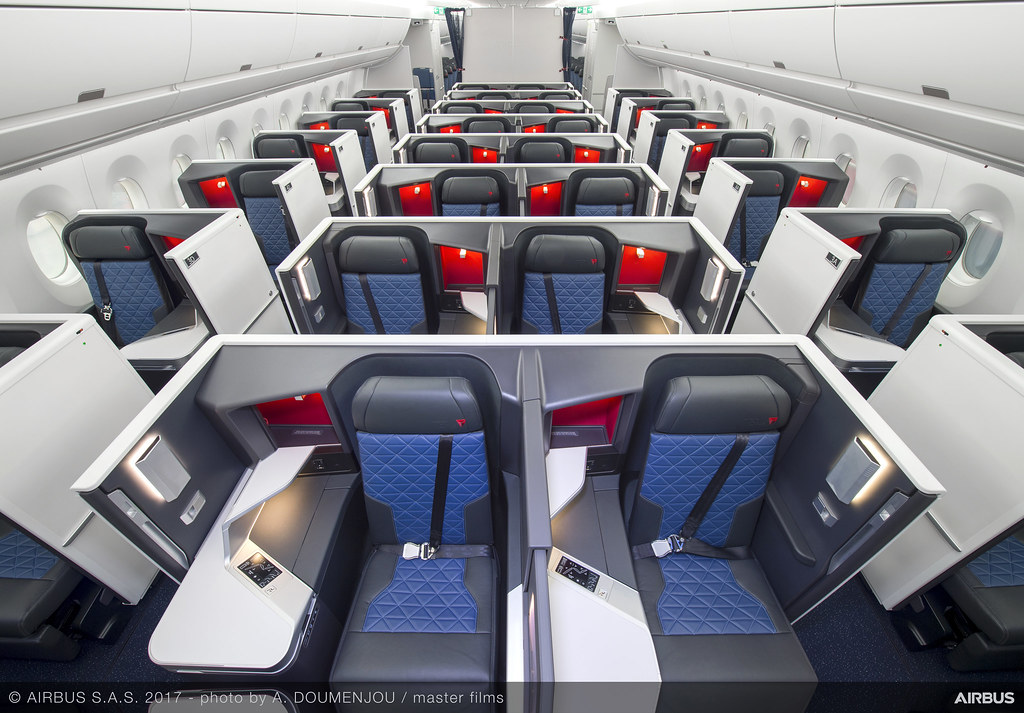
Widebody aircraft deployments clearly prioritize premium seating, especially on long-haul international routes. Delta, like its peers, has increased the proportion of premium seats on newer widebody aircraft to maximize yield per departure.
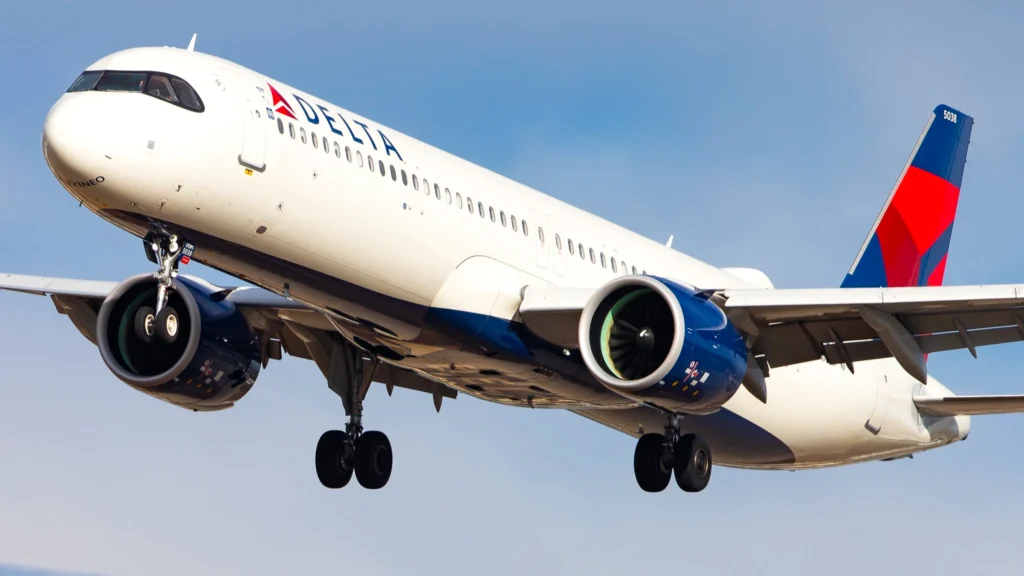
The same transformation is less pronounced on domestic narrowbody fleets. Delta’s newer Airbus A321neo aircraft feature 20 First Class seats, a figure largely unchanged from older Boeing 757-200 layouts.
The real expansion has occurred in extra-legroom economy seating, which now accounts for a much larger share of the cabin.
This suggests that a meaningful portion of premium revenue growth on domestic routes comes from Comfort Plus and similar products rather than larger First Class cabins.
First Class Expansion Remains Limited
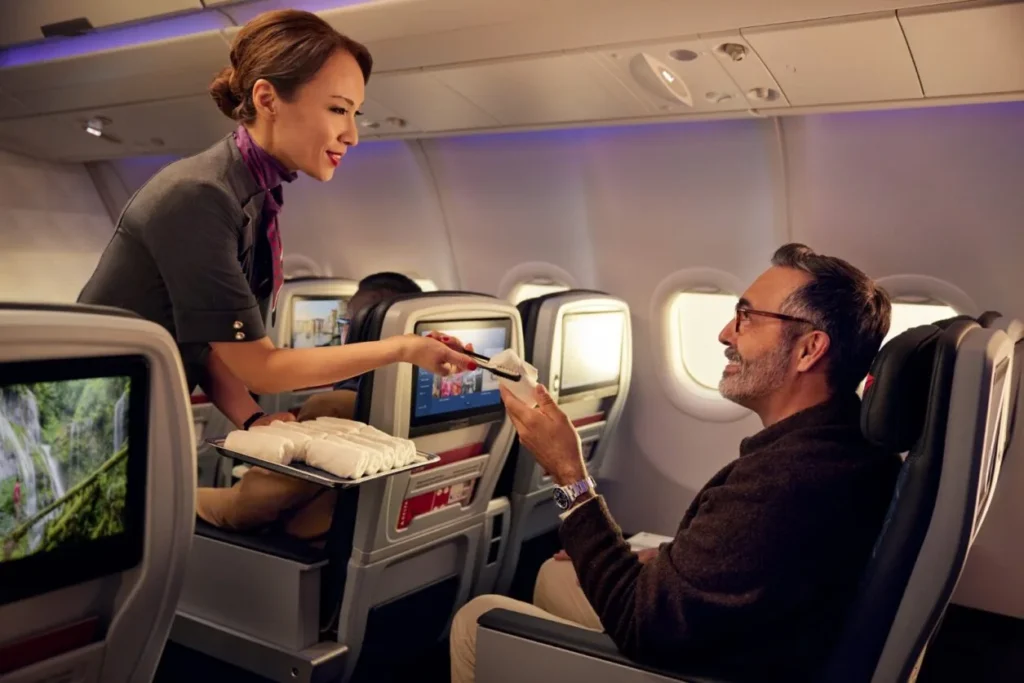
Despite higher load factors in First Class, US airlines remain cautious about expanding those cabins beyond the standard 20-seat configuration on narrowbody aircraft.
Delta executives have previously indicated that larger First Class cabins are under consideration, but no structural changes have been announced.
For now, Delta appears focused on monetizing existing cabin space through segmentation and pricing rather than reconfiguring aircraft interiors at scale.
What This Means for Delta Going Forward
Delta’s Q4 2025 results confirm that premium travel is no longer a niche driver of profitability. While economy cabins still carry more passengers, premium products increasingly carry the revenue.
If current demand patterns hold, 2026 could become the first full year where premium cabin revenue consistently exceeds economy revenue across the airline’s network.
Stay tuned with us. Further, follow us on social media for the latest updates.
Join us on Telegram Group for the Latest Aviation Updates. Subsequently, follow us on Google News
