

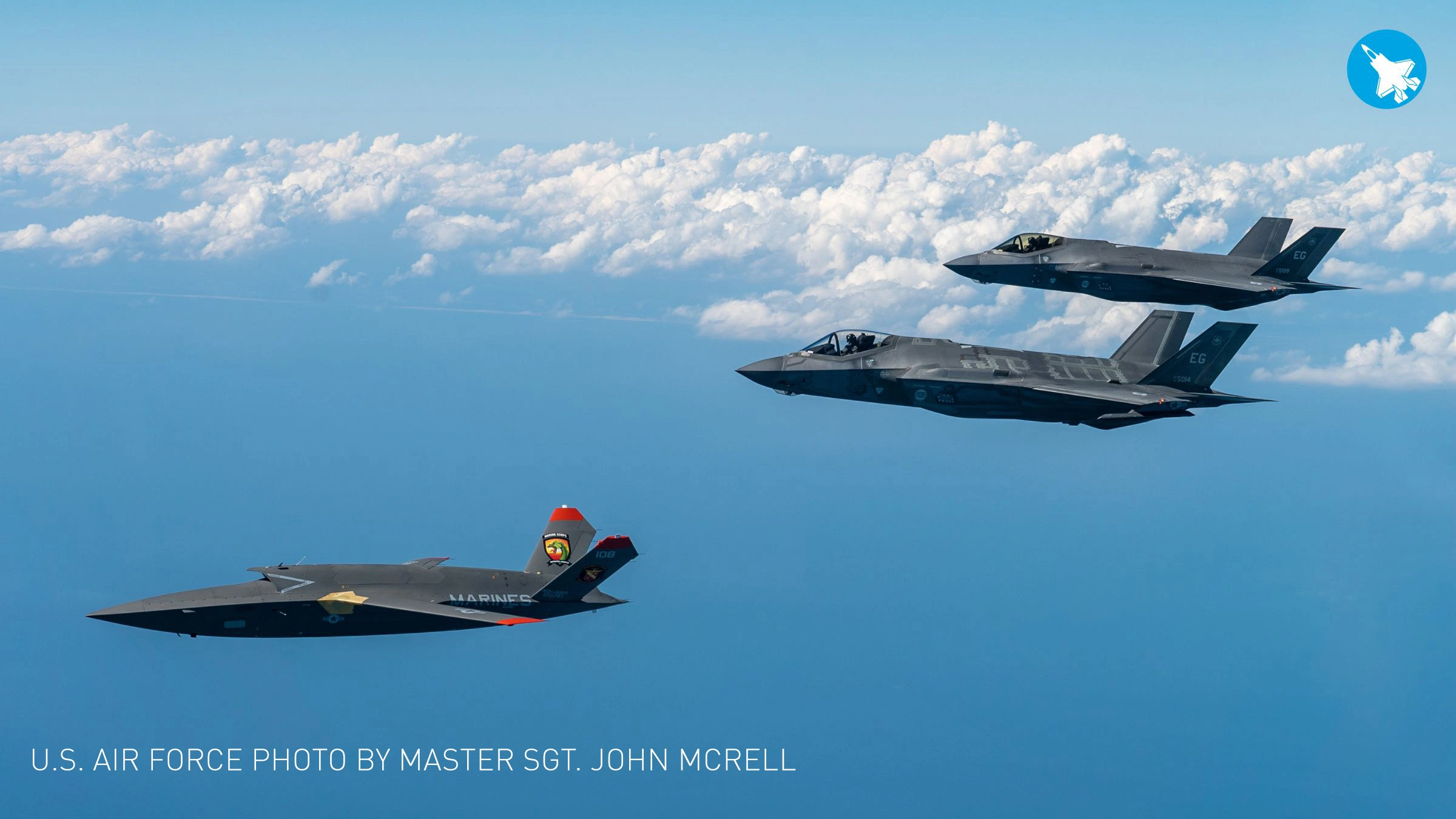
The US Marine Corps has moved its XQ-58 Valkyrie program closer to operational status with a major mission systems contract awarded to Northrop Grumman.
The agreement positions the Valkyrie as a viable Collaborative Combat Aircraft, combining autonomy, sensors, and mission systems designed for real-world Marine Corps missions.
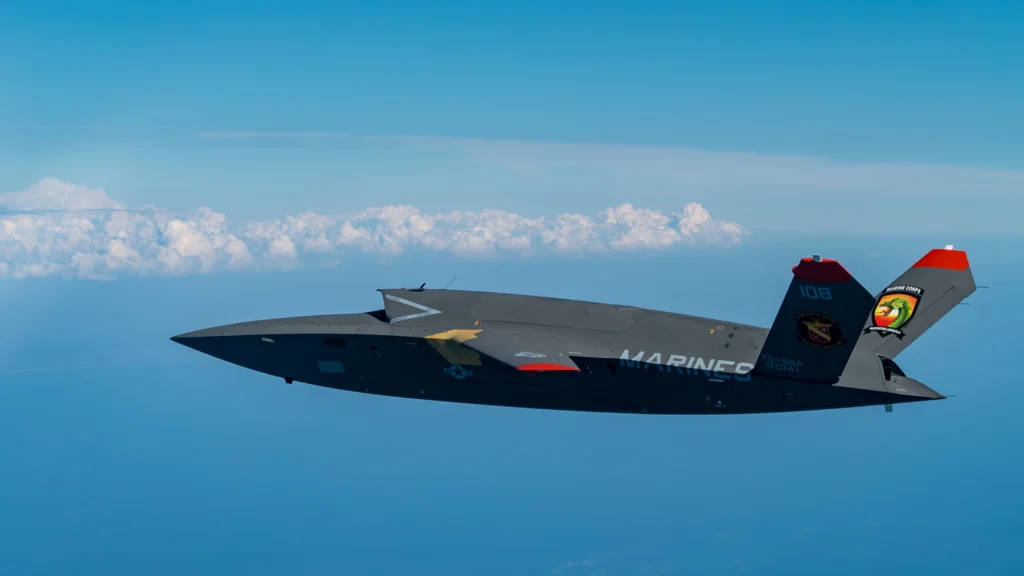
Advancing the Valkyrie Toward Operational Service
Northrop Grumman has received a competitively awarded contract under the Marine Air-Ground Task Force Uncrewed Expeditionary Tactical Aircraft Collaborative Combat Aircraft program, formally known as MUX TACAIR CCA.
The award supports the Marine Corps’ decision to transition the XQ-58 Valkyrie from experimental testing into a full program of record.
Under this effort, Northrop Grumman will act as Lead Systems Integrator, while Kratos serves as the airframe subcontractor. The partnership builds on earlier collaboration between the two companies on Valkyrie development and testing. Kratos will manufacture the mission-configured Valkyrie aircraft in Oklahoma City.
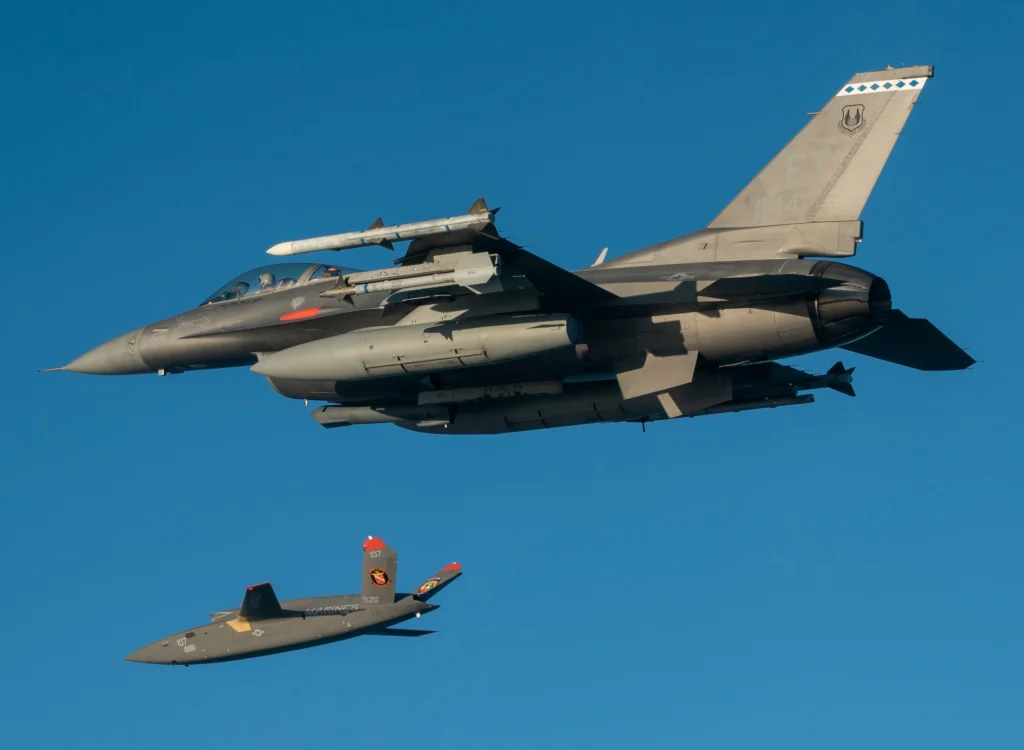
The Marine Corps has acquired at least three XQ-58 aircraft since 2023. The US Air Force remains the only other known operator, having flown the Valkyrie in test and evaluation roles since its first flight in 2019.
Mission Kit, Autonomy, and Sensor Integration
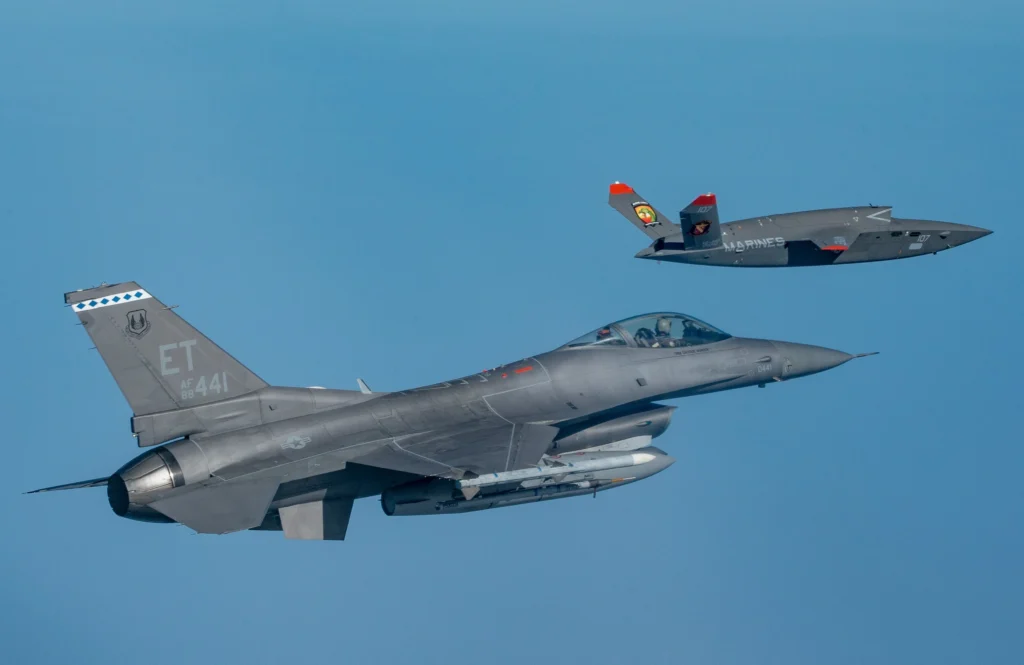
At the center of the contract is a fully integrated mission kit developed by Northrop Grumman. The package includes the company’s Prism open-architecture autonomy software, along with a multi-function, multi-band sensor suite.
The sensor suite combines Northrop Grumman-developed systems with best-of-breed industry sensors, integrated into a low-cost architecture optimized for uncrewed aircraft. The mission kit is designed to support kinetic and non-kinetic effects, enabling strike, reconnaissance, and electronic warfare missions.
Prism autonomy software will manage flight operations and mission execution without continuous human control. The system has already undergone flight testing aboard Northrop Grumman’s Model 437 Vanguard, also known as Beacon, developed by subsidiary Scaled Composites. The open architecture approach allows new capabilities to be added as mission needs evolve, TWZ reported.
Contract Value and Rapid Development Approach
The MUX TACAIR CCA contract is valued at approximately $231.5 million and covers 24 months. It is structured as an Other Transactional Agreement, a mechanism used by the US military to accelerate research, development, and prototyping.
OTAs allow the Marine Corps to bypass traditional acquisition timelines, supporting rapid iteration and faster fielding. This approach aligns with the service’s goal of delivering a Minimum Viable Product under TACAIR Increment I using a spiral development model.
The Marine Corps has stated it aims to take delivery of the first MUX TACAIR prototype before the end of the year. Northrop Grumman’s involvement is directly tied to meeting that timeline.
Configuration Options and Expeditionary Flexibility
Original Valkyrie designs were fully runway independent, launching via rocket-assisted takeoff from a static launcher and recovering by parachute. This configuration supports expeditionary operations from austere locations, a core Marine Corps requirement.
Kratos has also developed a conventional takeoff and landing variant with fixed landing gear, referred to as the CTOL version. Budget documents indicate the Marine Corps is seeking at least one CTOL prototype. Kratos has further developed a trolley system that allows non-landing-gear variants to operate from traditional runways.
This flexibility allows the Marine Corps to balance distributed operations with the benefits of runway-based missions, including increased payload and extended range.
Operational Role and Crewed-Uncrewed Teaming
According to official budget documents, uncrewed systems developed under the MUX TACAIR program are intended to enhance Marine Corps aviation lethality and directly support the Stand-in Force. Planned mission areas include air-to-ground strike, intelligence collection, reconnaissance, and electronic warfare.
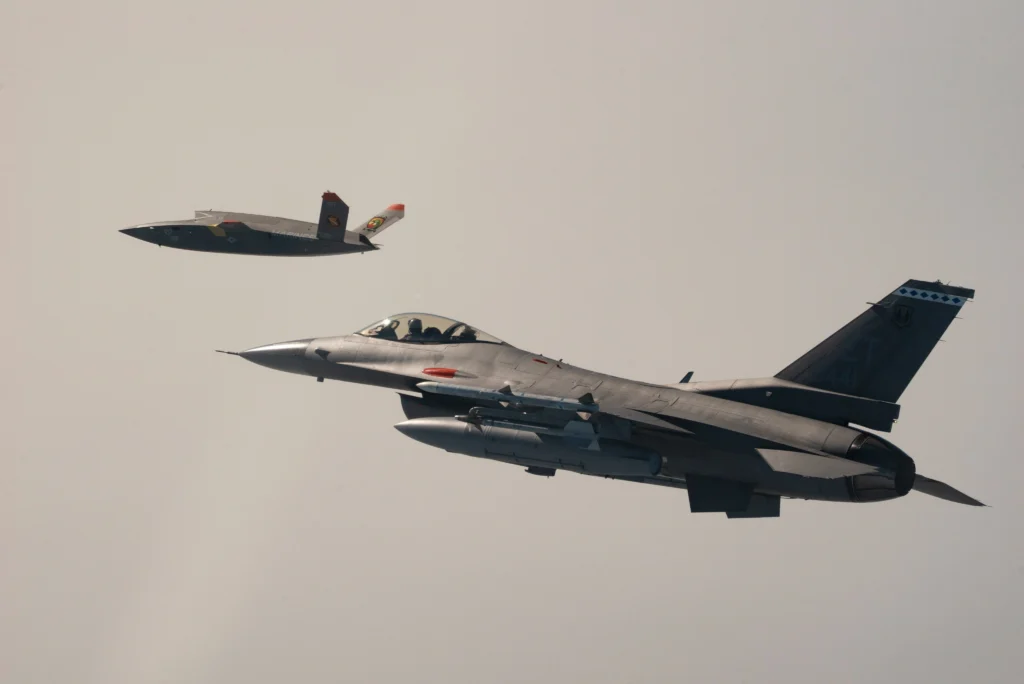
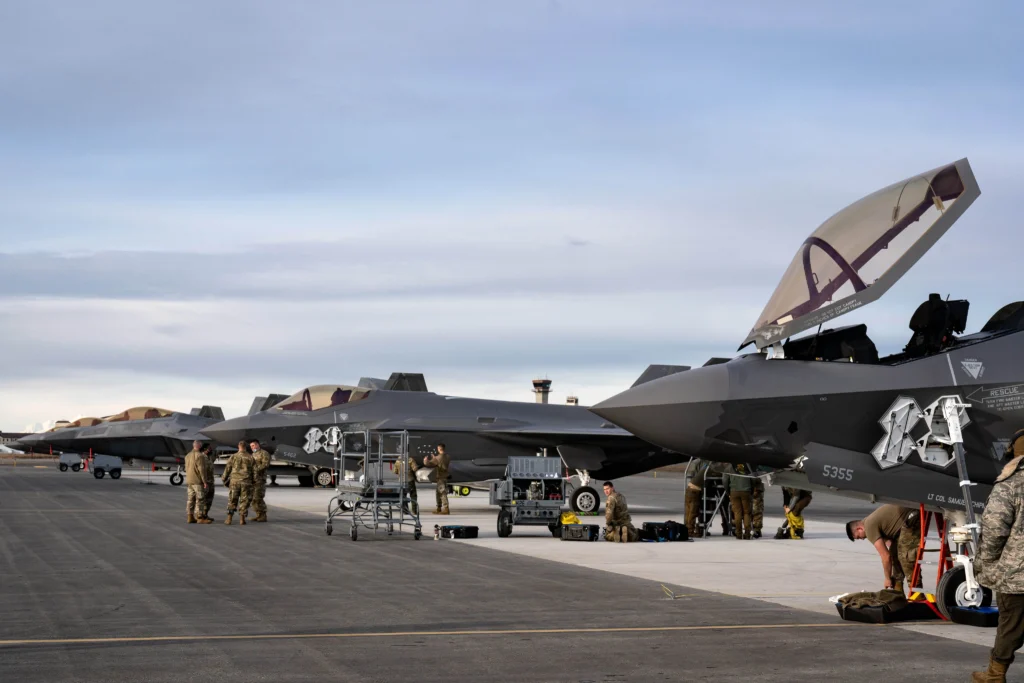
The XQ-58 has also been linked to crewed-uncrewed teaming concepts with the Marine Corps F-35B fleet. Previous flight tests have explored operating Valkyrie aircraft alongside crewed fighters.
Marine Corps leaders have acknowledged that significant work remains. Col. Derek Brannon, director of the Cunningham Group under the Deputy Commandant for Aviation, has emphasized the importance of safe integration, command and control, and real-world operational learning before fielding a combat-ready CCA force.
Broader CCA Coordination and Industry Impact
The Marine Corps is pursuing its CCA efforts in close coordination with the US Air Force and US Navy. All three services are working toward common command and control architectures, though the Marine Corps and Air Force programs are currently more mature than the Navy’s.
For Northrop Grumman, the MUX TACAIR program strengthens its position in the expanding CCA market. The company recently received a YFQ-48A designation for its Project Talon drone and has been selected for multiple Navy and Air Force CCA-related efforts.
For Kratos, the Valkyrie’s progression toward Marine Corps operational service supports its broader export strategy. The company is working with Airbus on a variant for Germany and continues to market the XQ-58 and other tactical drones internationally.
As the Marine Corps pushes toward prototype delivery and operational testing, the Valkyrie program now stands at a pivotal point between concept and combat capability.
Stay tuned with us. Further, follow us on social media for the latest updates.
Join us on Telegram Group for the Latest Aviation Updates. Subsequently, follow us on Google News
