

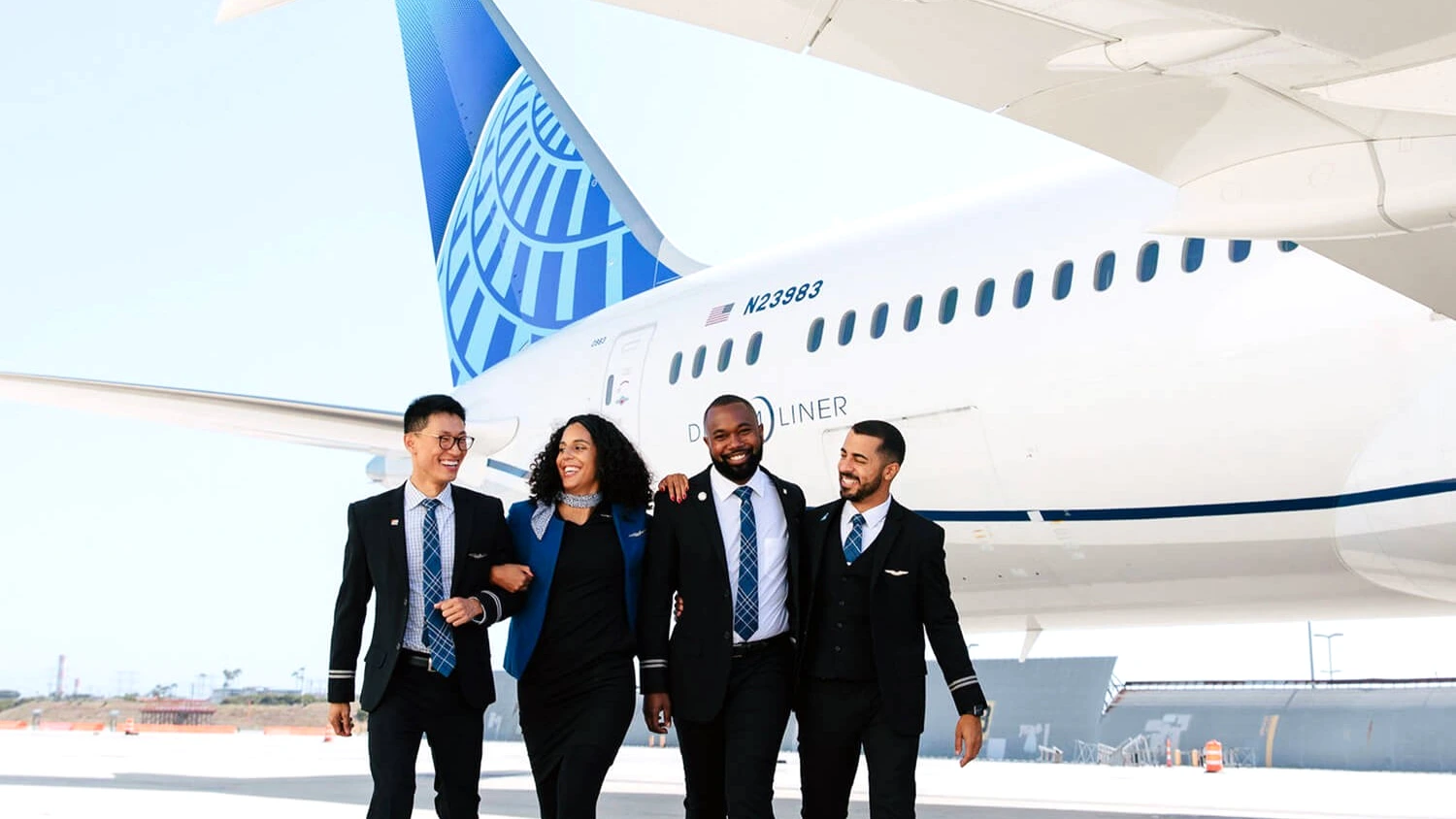
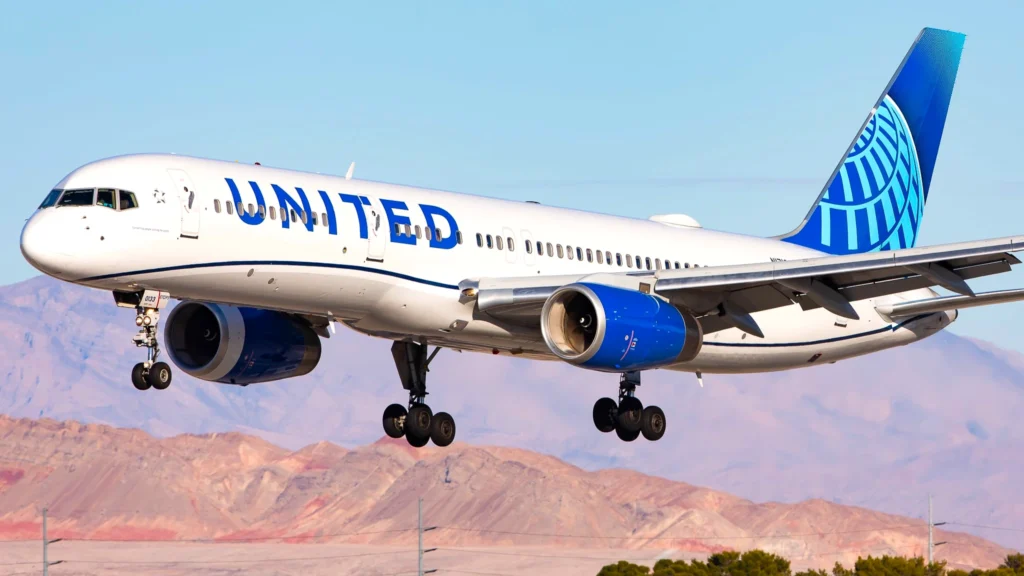
CHICAGO- United Airlines (UA) has resumed contract negotiations with its flight attendant union in Chicago as long-running talks reenter a decisive phase.
The sessions are taking place near O’Hare International Airport (ORD), the carrier’s primary hub and headquarters location.
The Association of Flight Attendants has firmly rejected any concessions and warned management that it will not discuss proposed trade-offs.
As negotiations restart following a Christmas and New Year holiday break, the union is demanding immediate economic relief and enforceable workplace improvements.
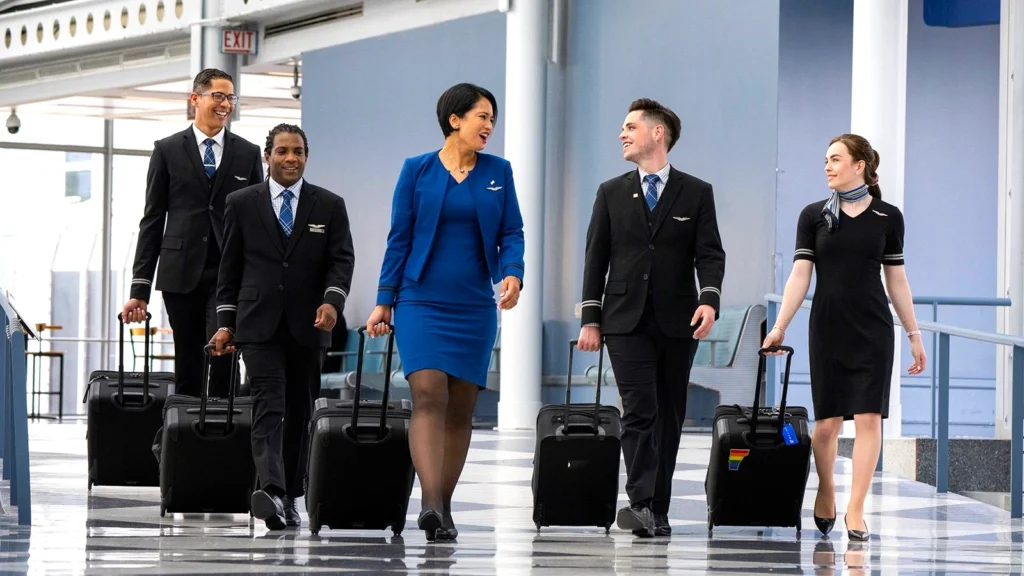
United Flight Attendants Reject Contract
By 2026, negotiations between United Airlines and the Association of Flight Attendants will have entered their fifth year without a finalized agreement acceptable to flight attendants.
The current contract has been amendable since August 2021, leaving cabin crew without a pay raise for nearly 6 years.
Federally mediated bargaining is scheduled to continue for 4 days in Chicago. Union leadership has stated that this round of talks reflects a renewed push to secure meaningful gains after repeated delays and failed compromises.
Last summer, flight attendants overwhelmingly rejected a proposed tentative agreement, known internally as TA1.
Approximately 71 percent of voting members voted against the deal, signaling broad dissatisfaction with its terms.
The rejected agreement included an average immediate pay increase of 26.9 percent, boarding pay at half the usual hourly rate, a retroactive bonus, and increased per diem payments for layovers.
Despite these provisions, members concluded the proposal did not adequately address workload, scheduling fatigue, or long-term economic security.
Core Areas Driving Union Demands
Following the rejection of TA1, the union conducted member surveys to identify priorities for renewed talks. 8 specific focus areas now form the basis of negotiations:
- Pay for time spent waiting on the ground between flights
- Less fatiguing red-eye flying schedules
- Elimination of last-minute layover notifications
- Increased rest periods on longer flights
- Stronger guarantees for contract compliance
- Improved protections for reserve flight attendants
- Higher-quality layover hotel standards
- Enhanced healthcare and retirement benefits
Union leadership has emphasized that these demands are operationally necessary and directly tied to safety, retention, and quality of life.
Airline Concessions
United Airlines has argued that meeting all union demands would significantly raise labor costs and has proposed concessions intended to offset the financial impact.
“One of the most contentious proposals introduces a Preferential Bidding System to optimize how the airline builds and assigns flight attendant schedules.
The union has categorically rejected these proposals. In an internal communication to members, leadership stated that concessions are a non-starter and will not form the basis of discussions.
According to PYOK, the union described management’s concession list as unreasonable and reiterated that similar proposals were already defeated during the first tentative agreement process.
Demand for Immediate Economic Improvements
With inflation and living expenses rising sharply over the past several years, flight attendants are pressing for immediate wage relief rather than waiting for full contract ratification.
The union maintains there is no operational barrier preventing United Airlines from quickly agreeing to core economic improvements.
While leadership acknowledges that securing these gains may require sustained pressure, it has made clear that members are prepared to collectively defend wages and working conditions earned through years of service.
Future Outlook
Federal mediators have scheduled the latest round of bargaining to run from January 6 through January 9 in Chicago.
While the parties have reportedly made limited progress in certain areas, fundamental disagreements over concessions and cost control remain.
The outcome of these sessions is expected to determine whether negotiations move toward resolution or escalate into a more confrontational phase, with flight attendants signaling little tolerance for further delays.
Stay tuned with us. Further, follow us on social media for the latest updates.
Join us on Telegram Group for the Latest Aviation Updates. Subsequently, follow us on Google News
