

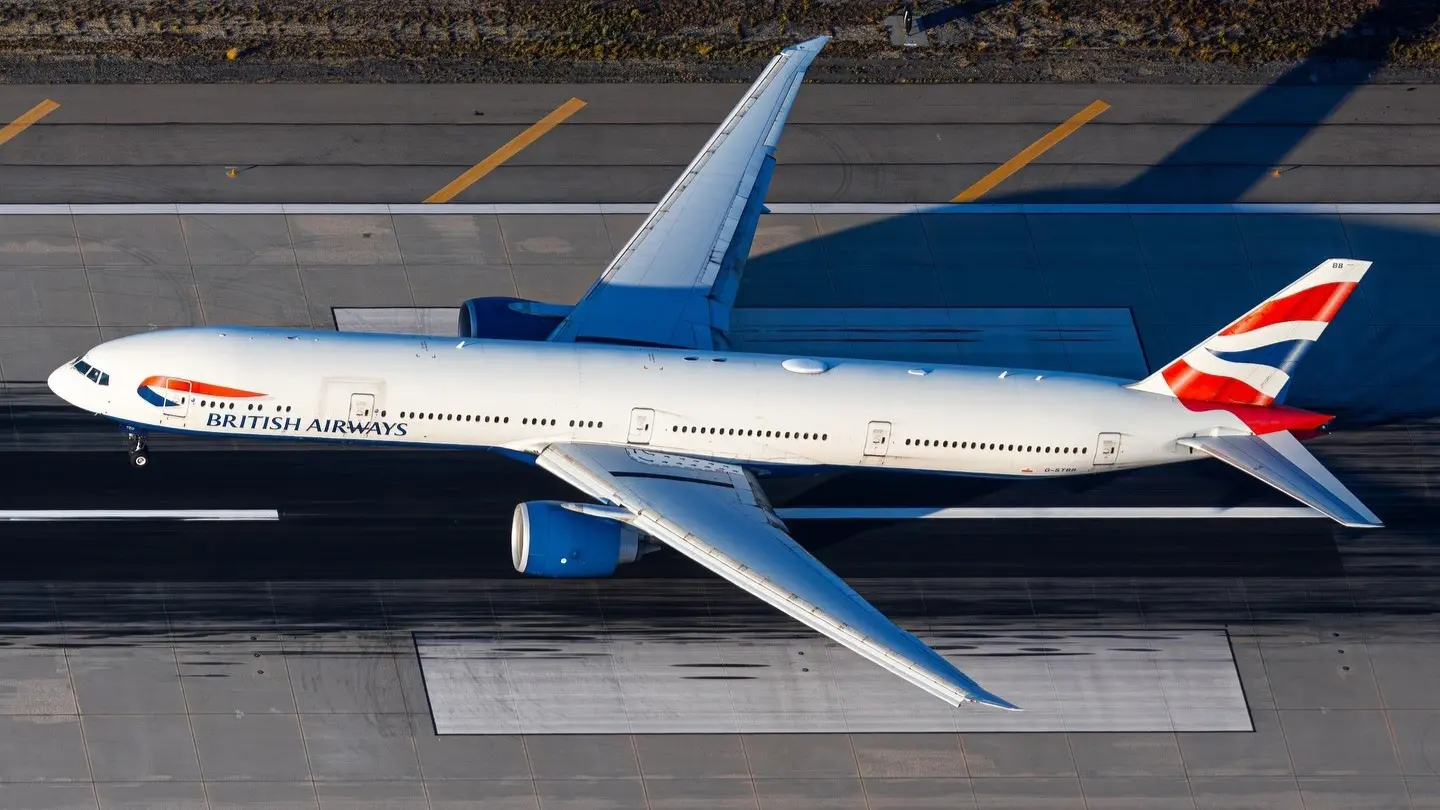
LONDON- A British Airways (BA) passenger stranded in New York for nearly 2 days after a December 17 flight cancellation was told to arrange her own hotel and claim the cost later.
The issue emerged only after submission, when the airline applied an undisclosed £200 nightly reimbursement cap.
The disruption affected a British Airways service between New York John F. Kennedy International Airport (JFK) and London Heathrow Airport (LHR), highlighting how unclear “reasonable expense” standards can financially burden passengers during major delays.
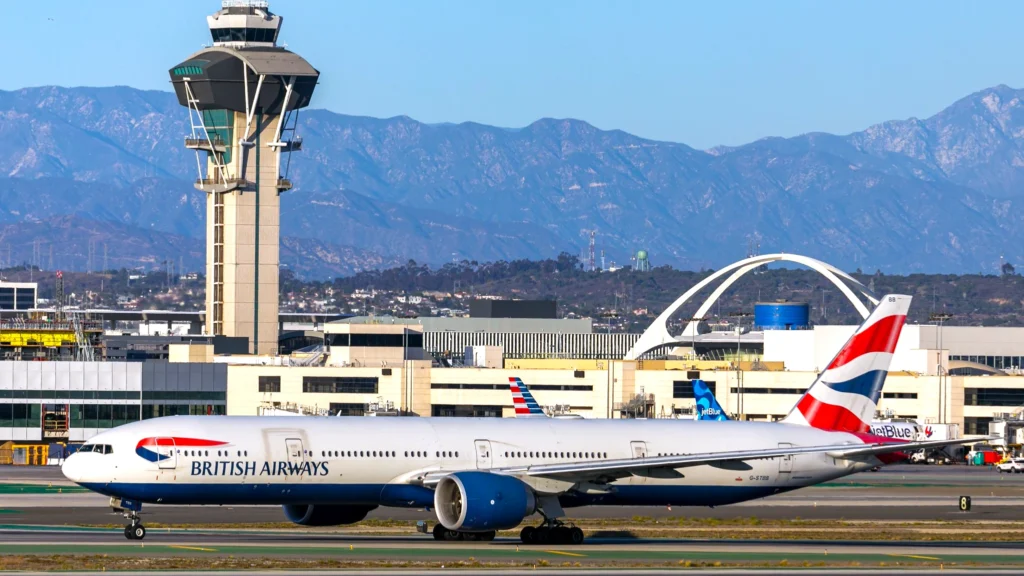
British Airways £200 Hotel Cap
When flights face long, overnight delays, airlines operating under UK and EU regulations are required to provide care and assistance. This includes hotel accommodation, meals, and transport when passengers are stranded away from home.
In reality, many airlines now rely on a “pay and claim” approach, instructing passengers to book their own hotels and seek reimbursement afterward.
In this case, the passenger followed British Airways’ guidance after her December 17 cancellation in New York, during peak Christmas travel and a winter storm that grounded aircraft across the region.
Only after submitting her claim did she learn that British Airways applies an internal reimbursement limit of £200 per night, equivalent to approximately US $268. This cap was never communicated at the airport or during the disruption itself.
According to PYOK, the lack of upfront disclosure is a growing source of conflict between airlines and passengers during large-scale disruptions.

“Reasonable” Hotel Costs
UK and EU passenger rights legislation intentionally avoids setting fixed monetary limits for accommodation. Instead, it requires airlines to cover “reasonable” expenses based on the circumstances.
In high-cost cities such as New York, especially during holiday periods and severe weather, hotel prices often exceed £200 per night.
Regulators have never stated that costs above this figure are unreasonable. As a result, airline-imposed caps do not override legal obligations.
British Airways’ response to the passenger stated: “We do have guidelines in place for how much we can contribute towards expenses during disruption, which means we can contribute £200 towards your hotel costs.”
The key issue is that these guidelines are self-imposed and not defined in law.
Passenger Pushback and Full Reimbursement
The passenger shared her experience in the “British Airways Complaints Advice” Facebook group, where other travelers challenged the airline’s position.
“Typical BA,” wrote Rob Ashton-Kane. “They may have ‘guidelines,’ but they are legally unenforceable. If the costs incurred were ‘reasonable,’ they must reimburse in full.”
Another member, Amanda Cosgrove, added: “They’re pulling a fast one. They might prefer it to be £200, but they don’t get to trump legislation’s deliberately vague ‘reasonable’.”
Within 24 hours of the discussion gaining traction, British Airways contacted the passenger directly and confirmed that her hotel costs would be reimbursed in full, reversing the earlier decision.
How Passengers Can Prove Hotel Costs Are Reasonable
British Airways does not publish clear guidance on acceptable hotel pricing during disruptions. As a result, passengers must often justify their expenses:
- Save screenshots from hotel booking platforms showing average local rates at the time.
- Choose accommodation consistent with the standard used during the trip.
- Keep receipts for taxis, meals, and non-alcoholic refreshments.
- Avoid luxury hotels unless no standard options are available.
Alcoholic drinks and excessively expensive meals are typically excluded from reimbursement.
Stay tuned with us. Further, follow us on social media for the latest updates.
Join us on Telegram Group for the Latest Aviation Updates. Subsequently, follow us on Google News
