


Missouri is home to Whiteman Air Force Base, where the US Air Force’s most secretive bomber fleet operates missions that can last longer than most commercial flights around the world. The Northrop Grumman B-2 Spirit, flown by the United States Air Force (USAF), routinely launches global strike sorties that exceed 24 hours and can stretch beyond 40 hours with aerial refueling.
These missions often depart from central US locations near Kansas City (MCI) and can span multiple continents before returning home. Such endurance raises a practical question rarely associated with stealth bombers: Do B-2 pilots have a place to sleep during these marathon flights?
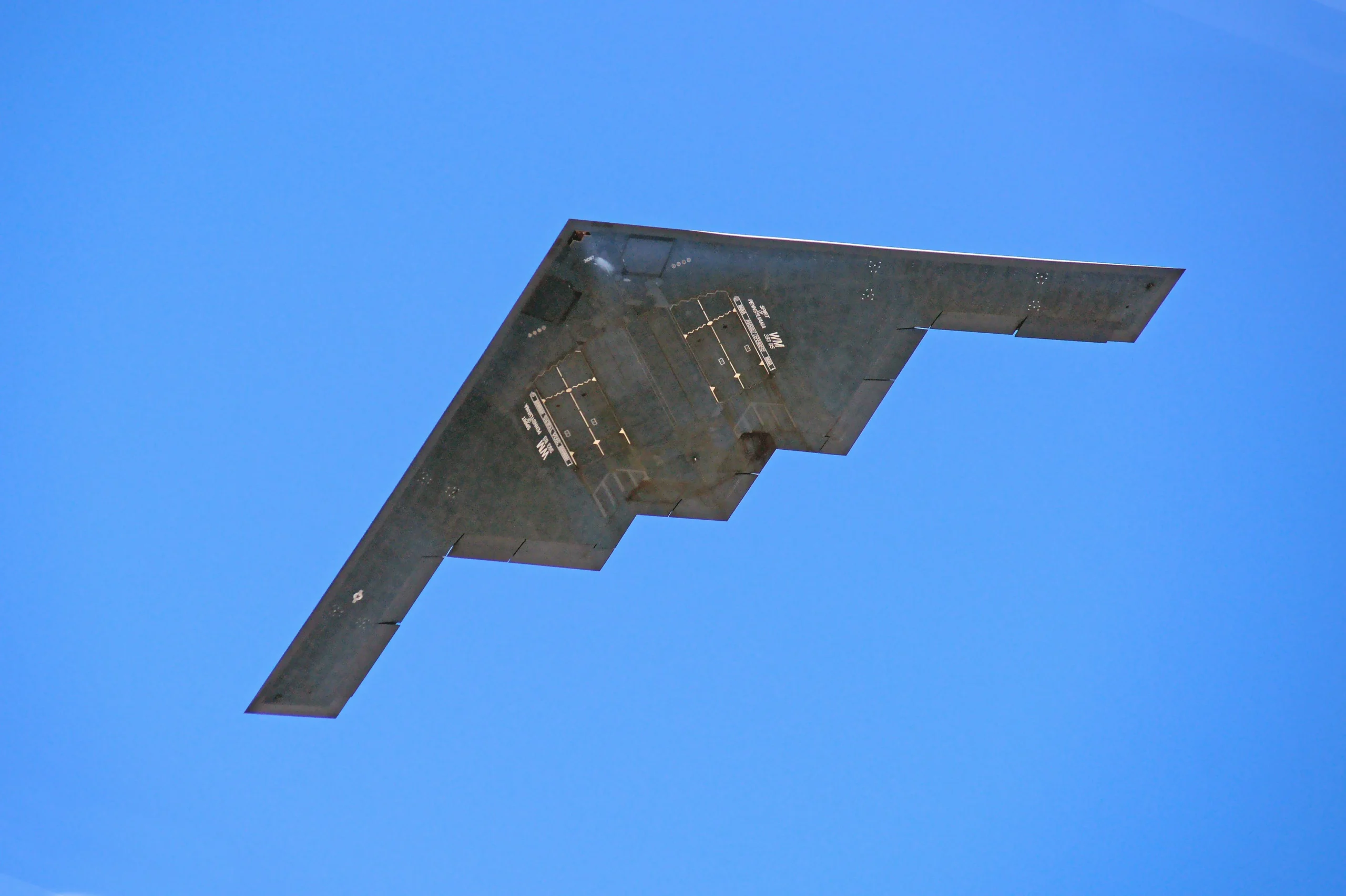
B-2 Bomber Crew Rest Area
The B-2 Spirit is designed for extremely long-duration missions, yet it carries only two pilots. To manage fatigue, every B-2A includes a fold-down canvas cot located behind the ejection seats, allowing one pilot to rest while the other flies.
The aircraft also carries a compact microwave and a chemical toilet, forming a minimal but functional rest area.
These features enable crews to remain alert and operational during missions that can exceed 40 hours from takeoff to landing.
Unlike larger bombers with more crew members, the B-2 relies on strict crew rotation and disciplined rest periods. Without this onboard rest capability, the bomber’s unrefueled range of 6,000 nautical miles would be far less useful in real combat scenarios.
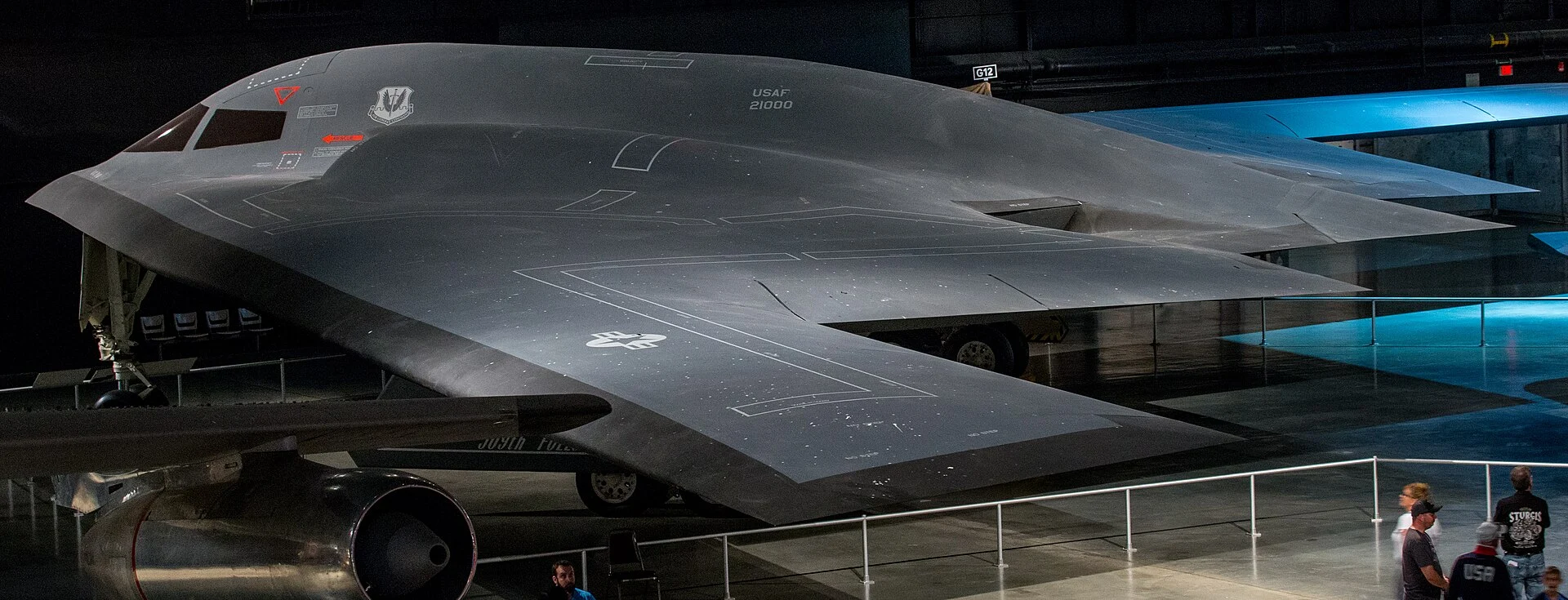
Forty-Hour Missions
Following the September 11 attacks, B-2 bombers demonstrated their endurance during some of the longest combat missions in aviation history.
One such sortie involved flights from Missouri to Afghanistan, supported by multiple aerial refuelings over the Pacific and Indian Oceans.
Pilots alternated between flying and resting on the cot as the mission unfolded over more than 24 hours before reaching target areas.
By the time the aircraft arrived, operational priorities had shifted, and many targets had changed, highlighting the dynamic nature of long-range strike missions.
Some B-2 sorties during this period exceeded 70 hours when accounting for crew swaps on the ground before returning to the United States. Despite the duration, the aircraft performed reliably, and no major mechanical issues were reported during these early operations.

Bomber Comparison
Among the USAF’s three strategic bombers, the B-2’s approach to crew rest is unique. The B-1B Lancer flies faster missions with shorter timelines and has no permanent bed, while the B-52H Stratofortress includes a single bunk shared by a five-member crew, reports Simple Flying.
The B-2 stands out by combining the smallest crew with the longest missions. It is also the only bomber in which a pilot over six feet tall can stand upright, a small but meaningful advantage during extended flights.
These differences reflect each bomber’s mission profile rather than luxury. The B-2’s compact rest area supports stealth operations that demand both endurance and constant readiness from a minimal crew.

Bottom Line
The B-2 Spirit’s ability to conduct global strike missions depends as much on human endurance as on stealth technology. Its simple cot, basic galley equipment, and limited space allow two pilots to manage fatigue during missions that regularly exceed 40 hours.
As future platforms like the B-21 Raider enter service, lessons from the B-2 show that even the most advanced aircraft must account for the physical limits of the people flying them.
Stay tuned with us. Further, follow us on social media for the latest updates.
Join us on Telegram Group for the Latest Aviation Updates. Subsequently, follow us on Google News
