

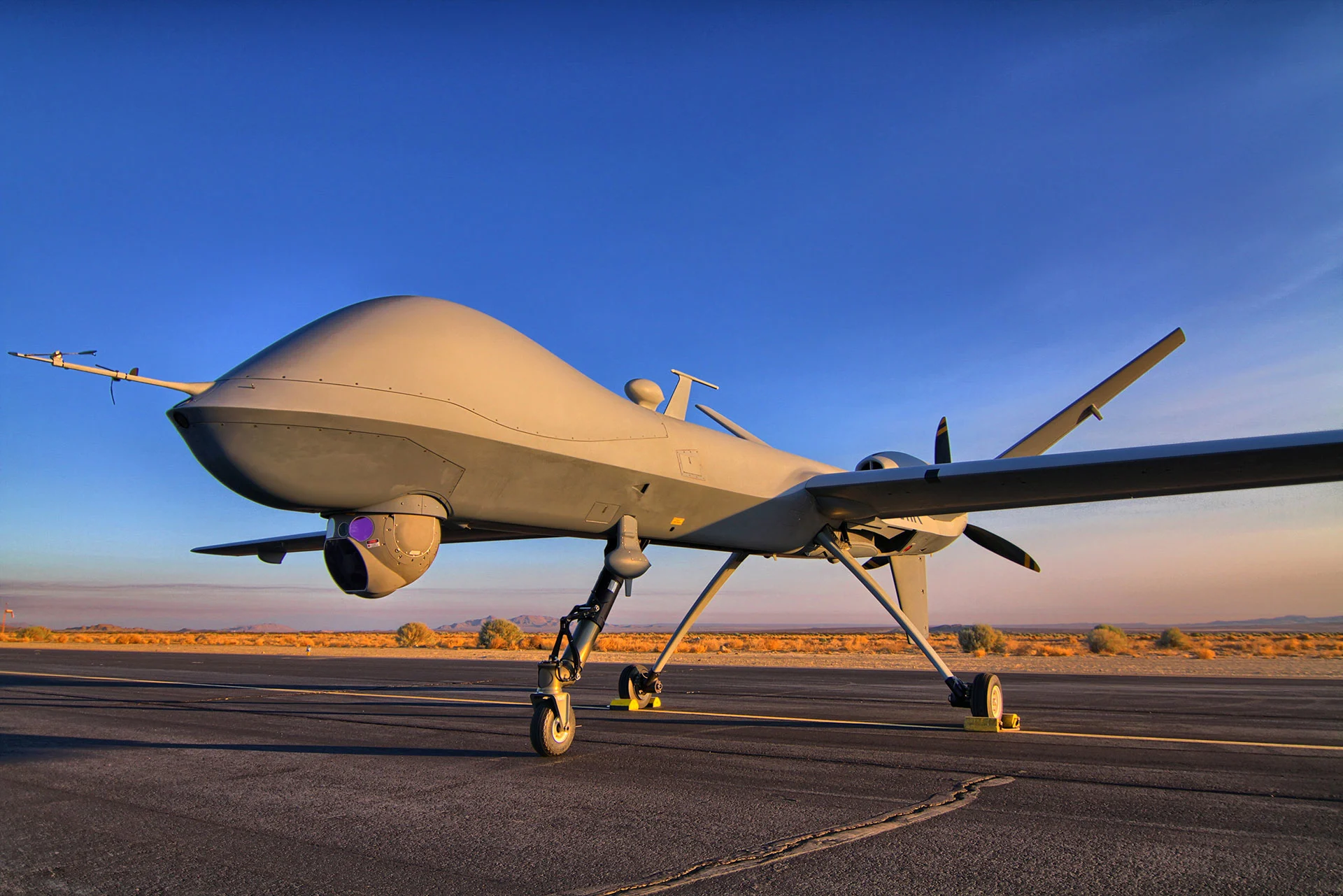
WASHINGTON- The US Air Force is preparing to stand up a new experimental unit designed to define how low-cost, one-way attack drones will be used in future conflicts against peer adversaries.
The effort reflects a major shift in how the service plans, equips, and fights with unmanned systems.
The unit will test organization, training, and operational concepts for massed drone employment over long distances.
According to Air & Space Forces Magazine, lessons from this initiative could feed into permanent operational units in the early 2030s.
Designing a New Force Model for Unmanned Warfare
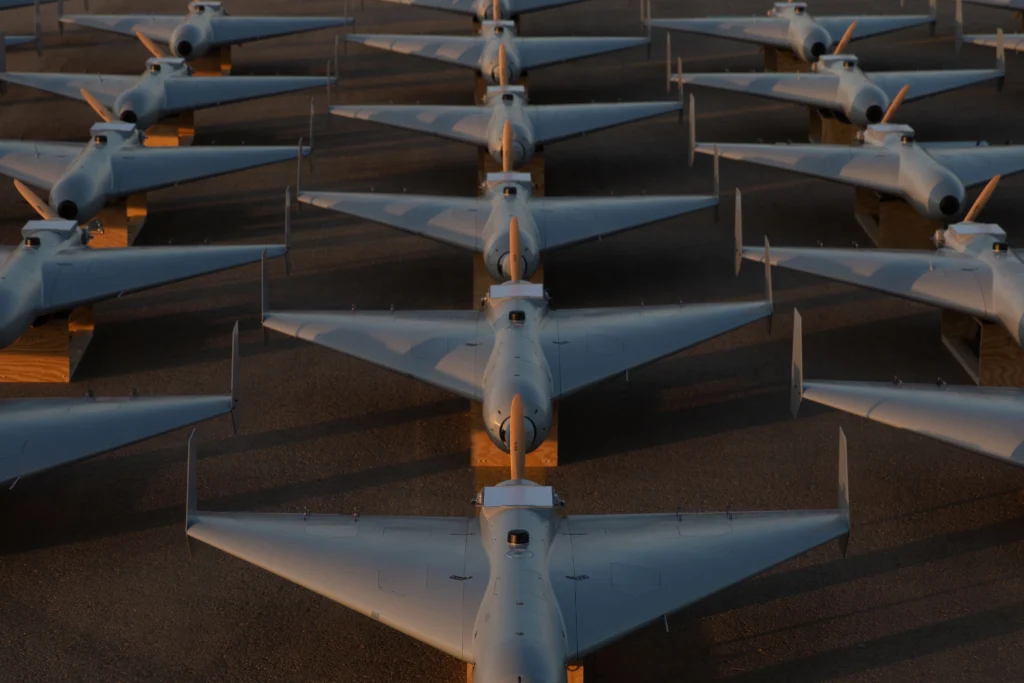
Air Force planners began designing the experimental operations unit in the spring as a model for future “units of action” focused on launching large numbers of weaponized unmanned aerial systems.
These systems are intended to operate as part of coordinated formations rather than as isolated platforms.
Officials describe an organization built around tactical UAS that can be launched in mass to achieve air domain effects for a joint force commander.
The concept marks a clear departure from reliance on a small number of high-end unmanned aircraft and instead emphasizes scale, expendability, and persistence.
The Air Force initiative aligns with a broader Pentagon push to rapidly expand low-cost drone capacity.
In early December, Defense Secretary Pete Hegseth launched the billion-dollar Drone Dominance Program, aimed at incentivizing industry to deliver roughly 340,000 small, inexpensive tactical drones over two years.
The program was outlined in a December 17 request for solutions covering the first phase of a four-phase effort.
This push follows President Donald Trump’s “Unleashing Drone Dominance” executive order issued on June 6, which focused on strengthening the US drone industrial base.
It also builds on earlier efforts under President Joe Biden’s administration. The Pentagon’s Replicator initiative, intended to reform acquisition and produce thousands of autonomous drones, fell short of its goals and was recently reorganized into the Defense Autonomous Warfare Group under the US Special Operations Command.
Operational Lessons from Wars
Officials regularly cite the Russia-Ukraine war as a key driver behind the Air Force’s reassessment.
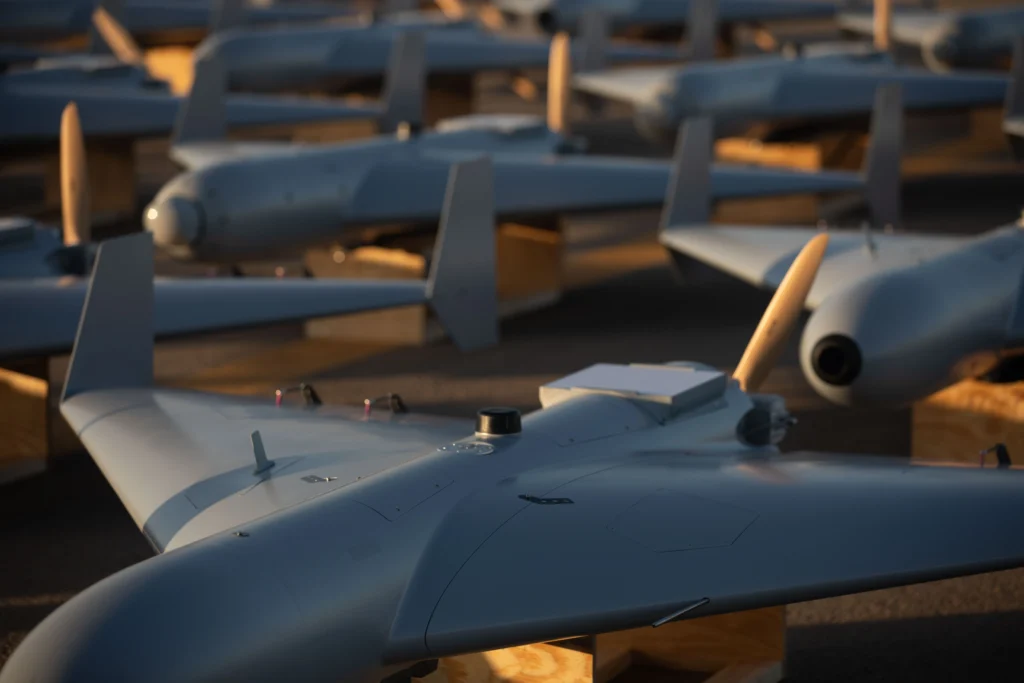
Ukraine has adapted commercially available Chinese drones into effective one-way attack weapons, including systems used during Operation Spiderweb to strike Russian strategic airfields. Russia, in turn, is producing thousands of Iranian-designed Shahed drones each month.
These developments highlight how low-cost, expendable drones can deliver strategic effects when used at scale.
They also expose limitations in traditional force structures that rely on expensive platforms ill-suited for attrition-based operations.
Air Force Mindset on Drones
The Air Force continues to prioritize counter-drone defenses to protect vulnerable airfields, but leaders acknowledge that offensive drone employment requires a different mindset.
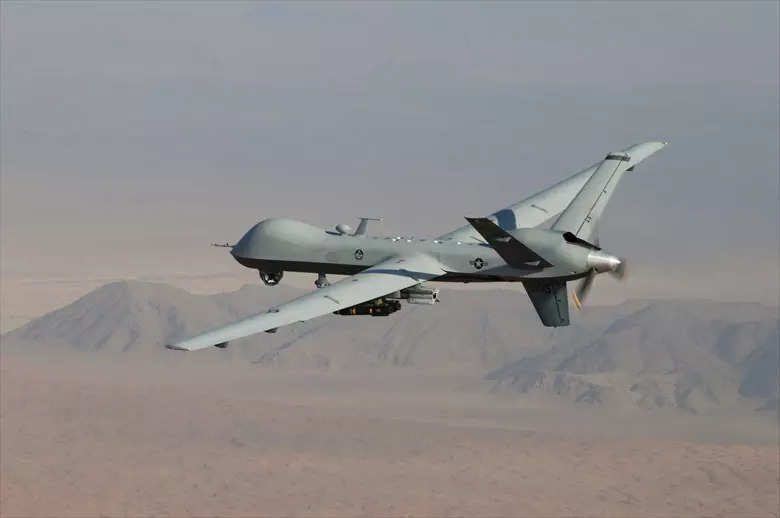
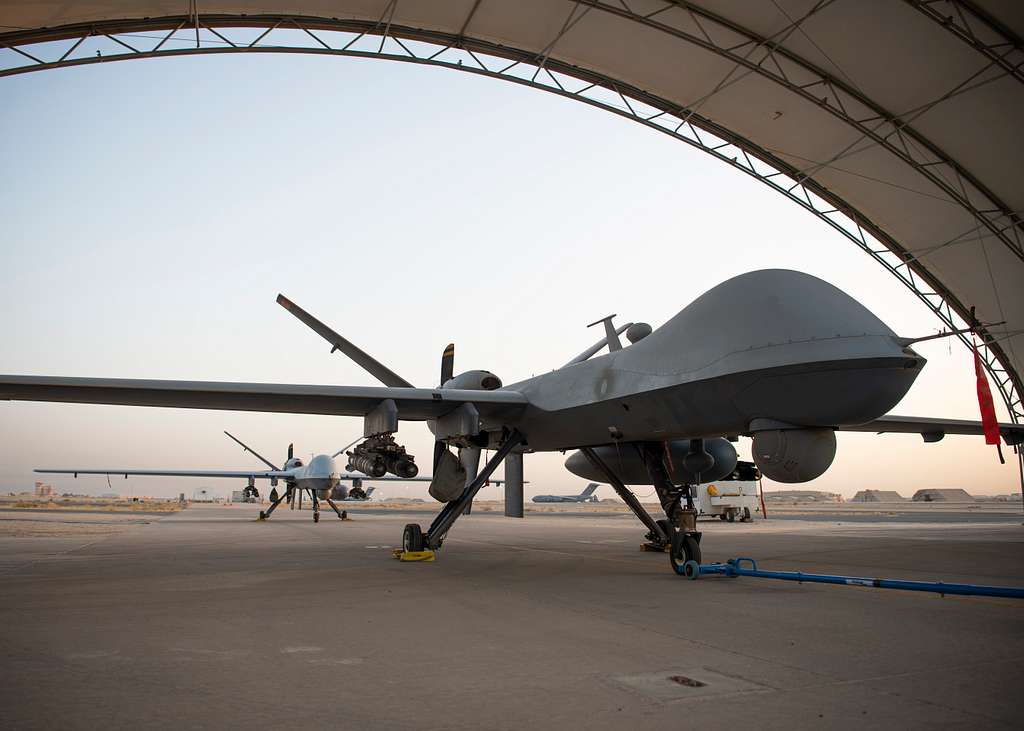
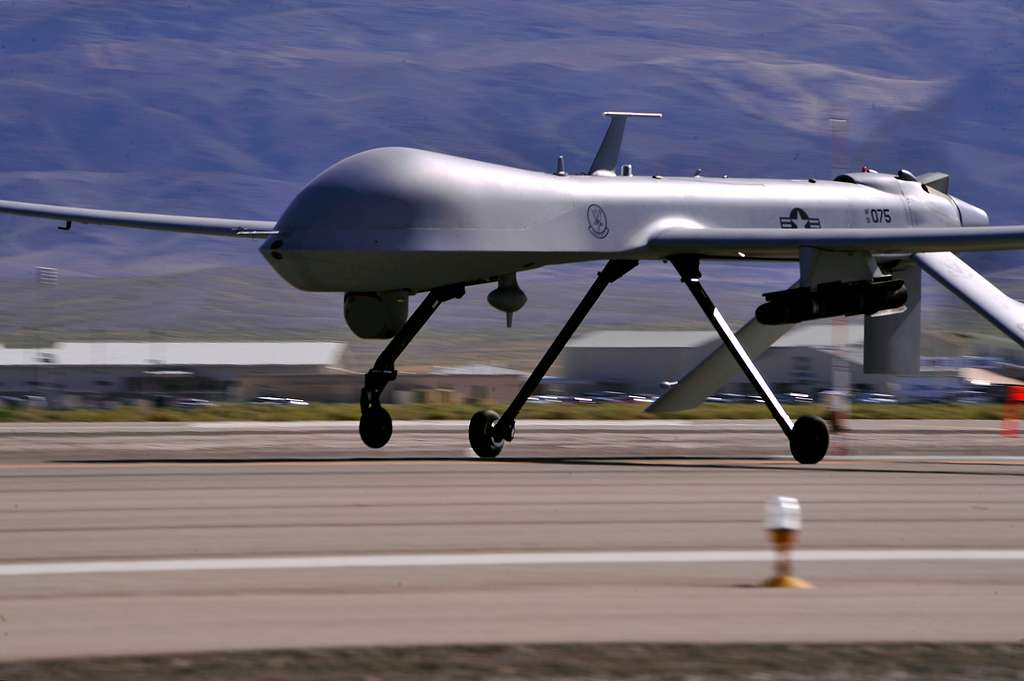
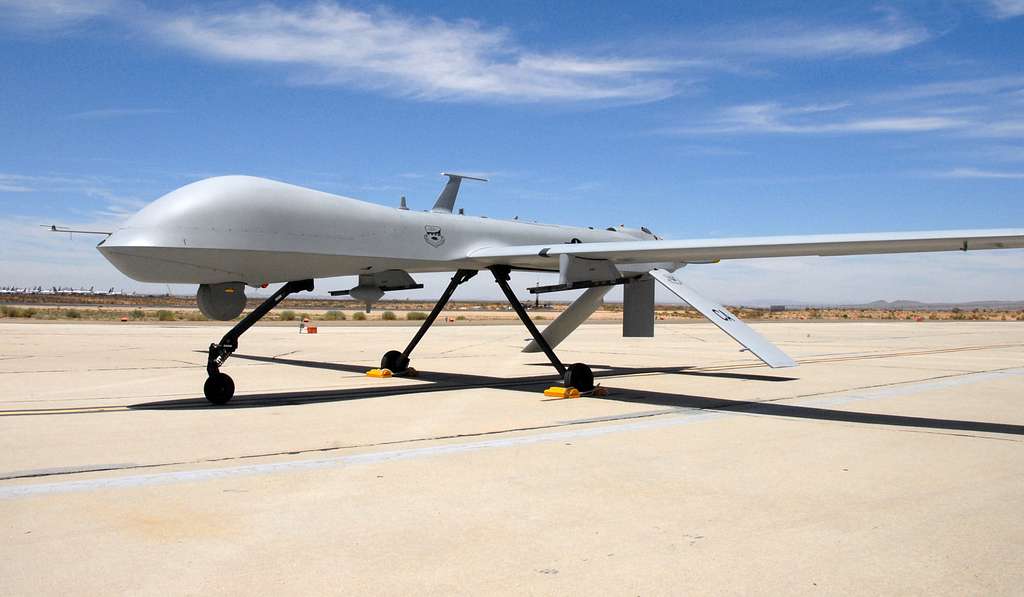
High-end systems such as the MQ-9 Reaper are too costly to be treated as expendable assets and cannot be massed in the way small UAS are being used in Ukraine.
Under current Pentagon classifications, drones are divided into five groups based on weight, speed, and operating altitude.
Air Force officials argue that Group One and Group Two systems should be treated as commodities and individual weapons rather than as traditional aircraft systems, enabling broader and more flexible use.
Experimental Operations Unit and Organizational Roots
Success will require more than buying drones in large numbers. The experimental operations unit will test personnel requirements, command and control structures, basing concepts, tactics, operational range, delivery methods, equipment, and training standards.
A typical unit of action is expected to include a command and control element, a small air base capability to support personnel, and a fire unit equipped with one-way attack or loitering munitions.
Together, these elements would enable air interdiction missions beyond the reach of conventional artillery.
This will be the Air Force’s second unmanned experimental operations unit. The first was established in 2023 under the 53rd Wing to support the Collaborative Combat Aircraft program.
Initially formed as a detachment, it has since grown into a squadron at Nellis Air Force Base in Nevada.
The second unit is expected to resemble Task Force Scorpion Strike, a one-way attack drone squadron established by US Central Command in the Middle East.
That task force operates the Low-cost Unmanned Combat Attack System, or LUCAS, a reengineered version of the Iranian fixed-wing Shahed design.
The new unit will be a shared effort between the 53rd Wing, Air Force Special Operations Command, and Air Combat Command. While a final location has not been selected, Nellis remains a possible site.
Initial activation is expected in mid-2026, likely starting as an AFSOC squadron due to its experience with small drones and close coordination with allies and partners in places such as Ukraine and Taiwan.
Platforms, Range, and Employment Concepts
While multiple drone sizes remain under consideration, the Air Force is leaning toward fixed-wing systems rather than quadcopters. Fixed-wing designs offer greater fuel efficiency, longer range, and improved loitering capability.
The experimental unit will test both ground and air launch methods at ranges between 600 and 1,000 miles.
Potential scenarios include small Agile Combat Employment-style teams operating from austere locations in the Philippines to launch one-way attack drones against targets in the South China Sea or East China Sea.
These teams would consist of a limited number of highly trained personnel capable of rapidly assembling and launching drones from minimal infrastructure.
Analyst Perspectives and Future Range
Defense analysts view the effort as a necessary adjustment. Stacie Pettyjohn, director of the defense program at the Center for a New American Security, said the Air Force has been slower than other services to focus on low-cost drone options for stand-off operations but is now taking meaningful steps.
She questioned whether the planned ranges are sufficient, arguing that a longer reach is needed to strike Chinese ports and coastal tactical targets where saturation-style attacks could be effective.
Air Force officials acknowledge that future range requirements will depend on how low-cost systems evolve.
While specific ranges remain classified, officials suggest that distances of around 800 miles represent a practical balance, allowing operations outside a constant enemy air threat while still delivering meaningful effects.
Stay tuned with us. Further, follow us on social media for the latest updates.
Join us on Telegram Group for the Latest Aviation Updates. Subsequently, follow us on Google News
