

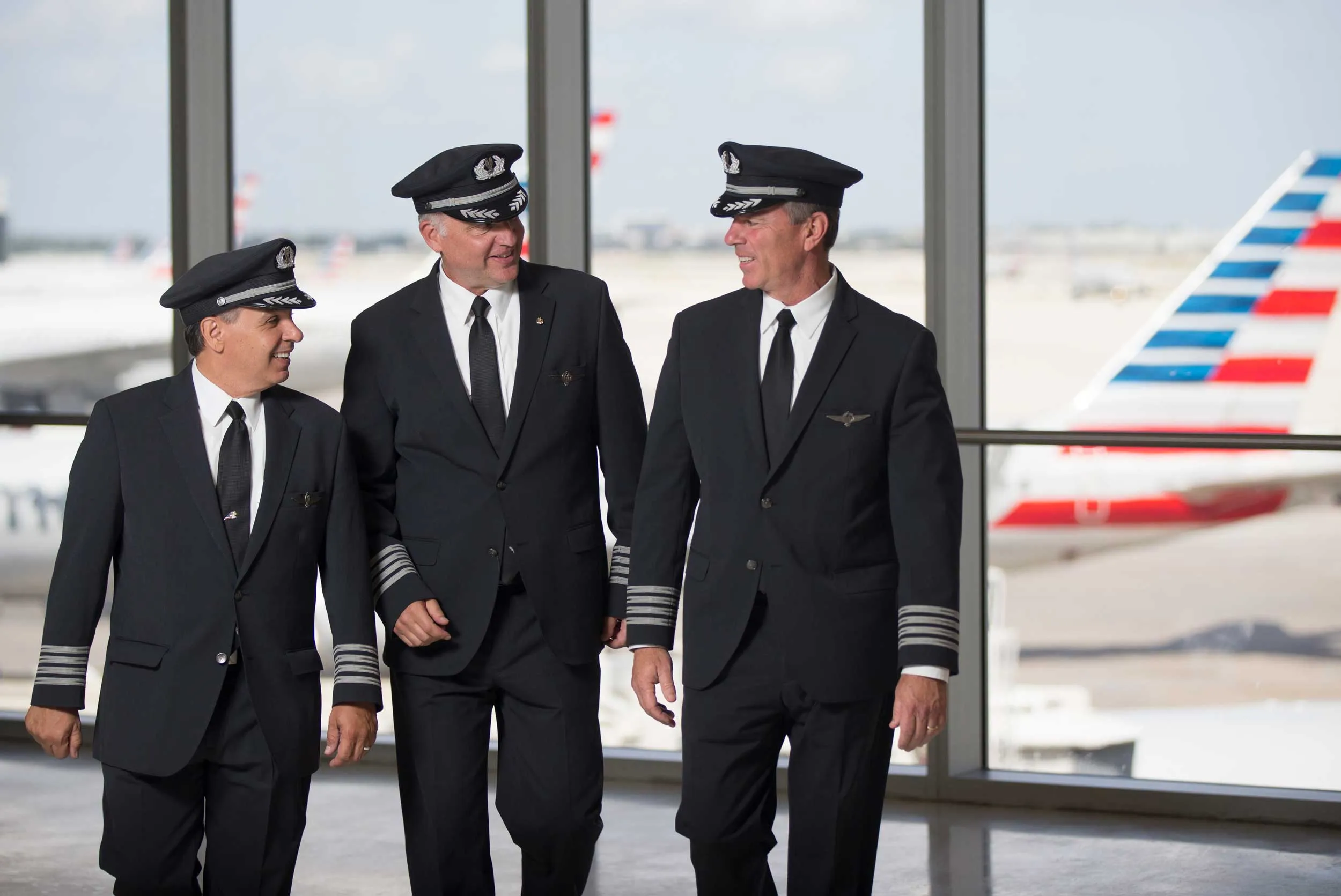
FORT WORTH- An American Airlines (AA) pilot has drawn widespread attention after sharing a detailed salary breakdown online. The disclosure highlights how dramatically pilot compensation has increased at major US airlines.
The pilot, based at Miami International Airport, Miami (MIA), reported nearly $458,000 in year to date earnings, surprising many readers and triggering intense discussion about airline pilot pay in the United States.

American Airlines Pilot Salary
A Miami-based American Airlines Boeing 737 captain recently posted a pay statement in Reddit’s r/Salary subreddit, a forum where users routinely share earnings with minimal context.
The post quickly went viral due to the scale and transparency of the compensation disclosed.
The pay statement shows total year-to-date earnings of $457,894.51, with an hourly flight pay rate exceeding $360.
The pilot also noted earning more than $35,000 in gross pay during a biweekly period after incentives, a figure that particularly stunned readers.
The hourly rate applies only to flight hours, not total duty time, which is a critical distinction often misunderstood outside the aviation industry.
How Airline Pilot Pay Is Structured
Airline pilot compensation is primarily based on hourly flight pay, with most pilots limited to approximately 1,000 flight hours per year.
As a result, a $360 plus hourly rate alone places annual base pay well into the six figure range.
Beyond base pay, pilots receive additional compensation through incentive pay, vacation pay, training pay, per diem allowances, and other contractual provisions.
The posted pay statement also reflects adjustments such as crew advances and non-taxable reimbursements, illustrating the complexity of airline pilot payroll systems.
According to OMAAT, this example represents the upper end of current narrowbody captain pay scales in the US airline industry.
Despite the impressive total, the pilot has not reached maximum earning potential. The captain is at the top of the Boeing 737 pay scale, which currently peaks at approximately $361 per hour. However, several factors could further increase compensation.
American Airlines pilots are scheduled to receive additional contractual pay increases through 2027.
In addition, pilots who transition to larger aircraft earn significantly higher hourly rates. Under current pay scales, a Boeing 777 captain can earn up to about $447 per hour, roughly 24 percent more than a Boeing 737 captain.
Comparisons Across Major US Airlines
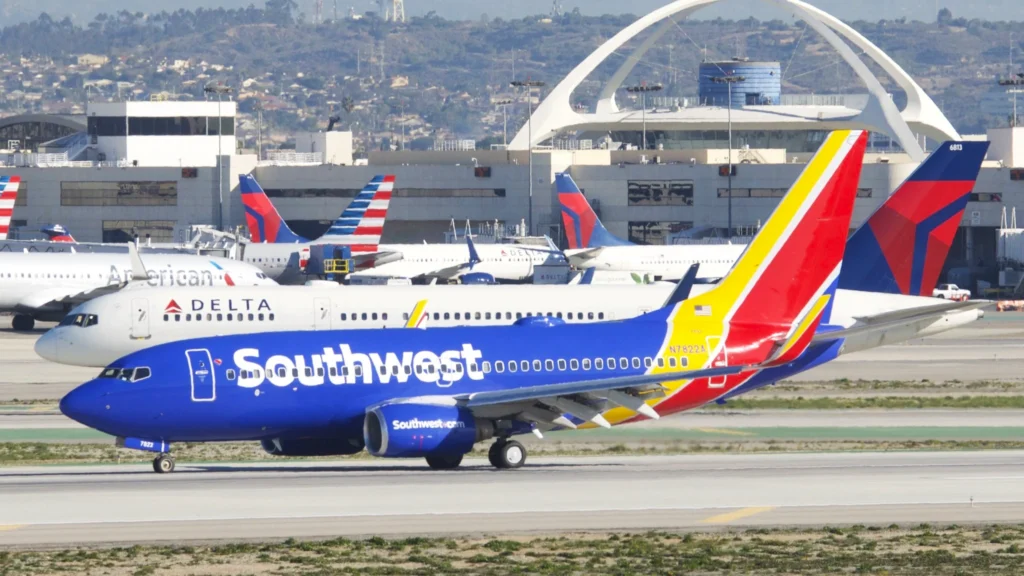
Hourly pay rates for pilots at American, Delta, and United are largely identical under current labor agreements. However, profit-sharing programs vary by airline.
Delta’s stronger profitability often results in higher overall compensation for its pilots, and some very senior Delta widebody captains may approach $600,000 annually when profit sharing is included.
This comparison underscores that base pay alone does not fully capture total earnings across legacy US carriers.

Public Reaction and Management Tensions
Online reactions to the salary disclosure generally fall into two camps. Some commenters expressed disbelief that a pilot could earn in a month what others earn in a year.
Others argued that the responsibility, skill, and experience required justify the compensation.
High pilot pay in the United States is closely tied to strong labor unions and regulatory constraints, particularly the FAA’s 1,500-hour rule.
This rule limits the supply of qualified pilots, strengthening unions’ negotiating leverage and contributing directly to higher wages.
The surge in pilot pay has not gone unnoticed within airline organizations. Many airline management employees reportedly express frustration that pilots have received substantial raises while management compensation has lagged.
In some cases, senior captains now earn more than mid-level airline executives responsible for major operational and financial decisions.
This dynamic highlights internal labor tensions that accompany the current pilot compensation environment.
Career Path
The post-pandemic period has arguably been the most favorable time in history to pursue an airline pilot career. Airlines hired aggressively following widespread retirements, driving rapid pay increases and faster career progression.
Pilots typically invest significant time and money in training, licenses, and flight hours, often starting at regional airlines.
Historically, pilots spent many years at regionals before moving to a legacy carrier. Recently, some pilots have spent only 1 to 2 years at a regional airline before joining a major carrier and upgrading to captain within another one to two years, though often with limited seniority and schedule control.
While current contracts are highly lucrative, the airline industry has historically been cyclical and prone to downturns.
Pilot contracts can be renegotiated during bankruptcies, and long-term stability depends on sustained airline profitability.
Despite executive assurances about permanent financial strength, the industry’s history suggests caution.
Bottom Line
An American Airlines pilot’s decision to publicly share a $458,000 annual compensation figure has revealed how well-paid US airline pilots have become.
The disclosure surprised many and reinforced the impact of strong unions, regulatory limits on pilot supply, and post-pandemic labor dynamics.
The reaction reflects broader questions about compensation, responsibility, and timing, but one conclusion is clear: there has rarely been a better moment to be an airline pilot in the United States.
Stay tuned with us. Further, follow us on social media for the latest updates.
Join us on Telegram Group for the Latest Aviation Updates. Subsequently, follow us on Google News
