

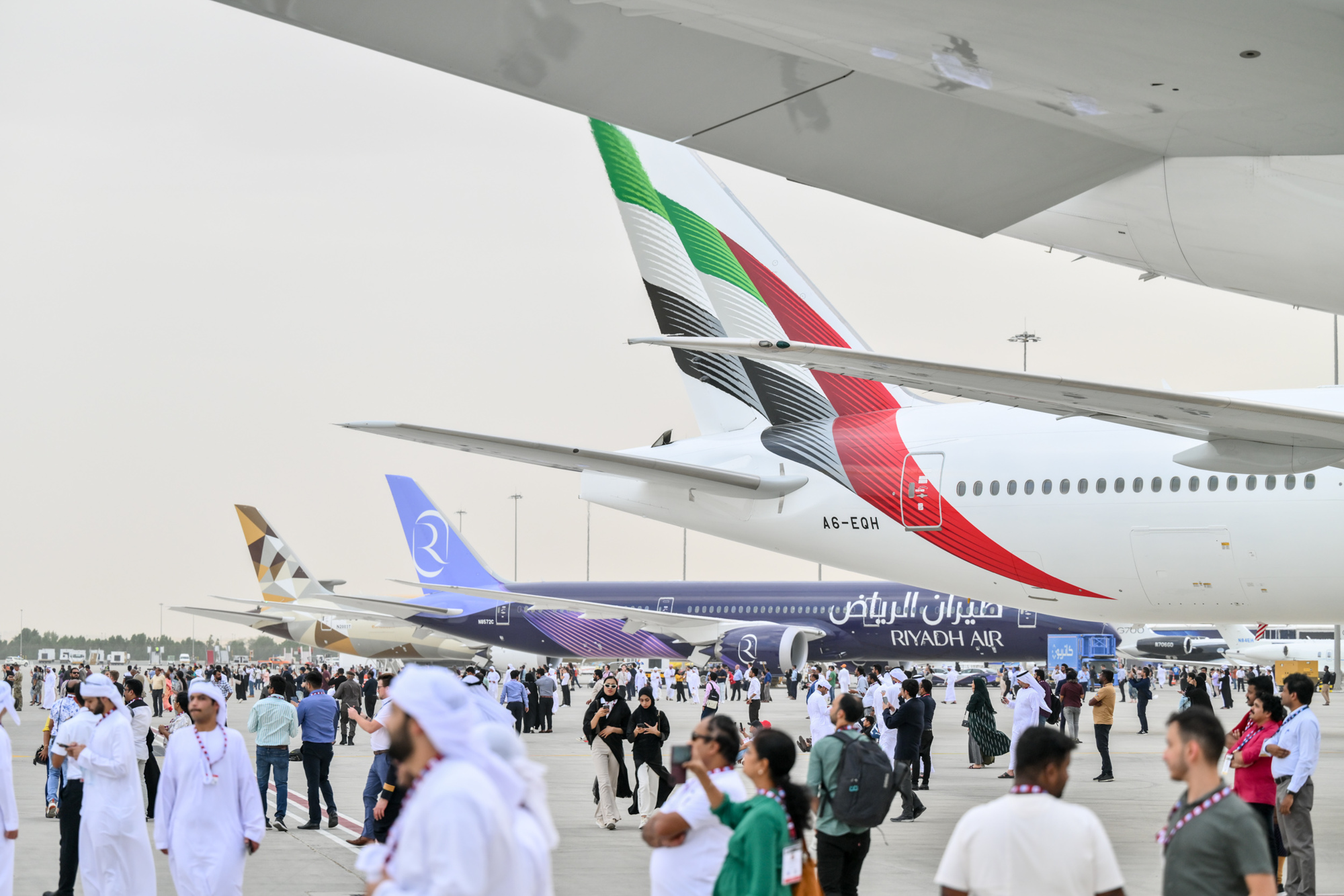
The global aviation industry saw one of its most decisive years in recent memory during 2025, with airlines placing some of the largest aircraft orders ever recorded. These deals were not merely about fleet expansion but reflected long-term confidence in air travel demand, network resilience, and the continued shift towards more fuel-efficient aircraft.
From record-breaking widebody commitments to bold single-aisle expansions and even next-generation aircraft concepts, the scale and ambition of orders placed in 2025 highlighted how airlines are positioning themselves for the next decade and beyond. What made this year particularly noteworthy was the diversity of buyers.
Largest Aircraft Orders in the World in 2025
Here is a look at the ten largest aircraft orders announced in 2025, ranked by aircraft count, and explains why each deal matters within the broader aviation landscape.
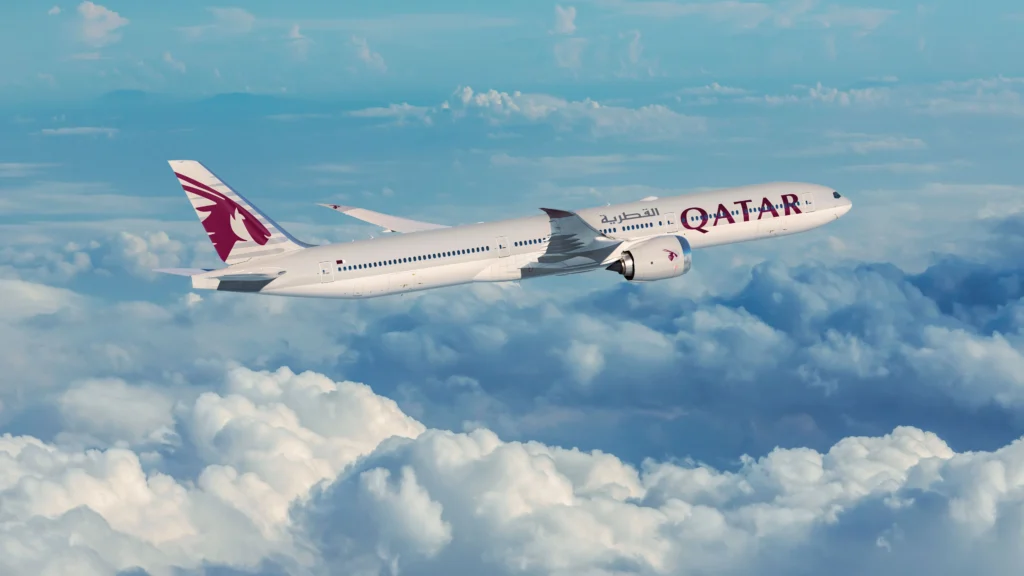
1. Qatar Airways – Boeing (up to 210 aircraft)
Qatar Airways delivered the most significant aircraft order of 2025, placing a landmark widebody deal that instantly reshaped Boeing’s long-term production outlook.
The order centred on a substantial mix of Boeing 787 Dreamliners and the new 777-9, underscoring Qatar’s commitment to long-haul growth and premium international connectivity.
With firm orders and additional options combined, the agreement became the largest widebody transaction announced during the year. Strategically, the deal reflects Qatar Airways’ intention to future-proof its fleet around fuel-efficient aircraft capable of operating ultra-long-haul routes with lower emissions.
The 787 strengthens medium-to-long-range flexibility, while the 777-9 supports high-density trunk routes from Doha.
Beyond sheer scale, the order reinforced Qatar’s status as one of the most influential global widebody operators and set the benchmark for airline ambition in 2025.
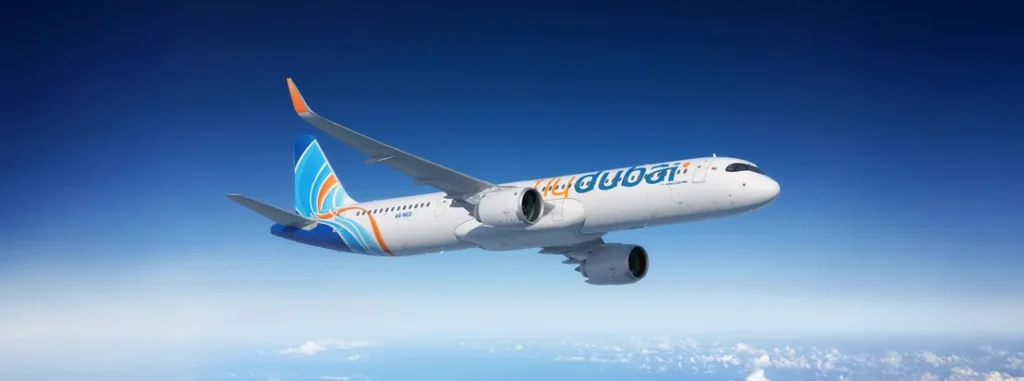
2. flydubai – Airbus A321neo (approx. 150 aircraft)
flydubai made headlines with one of the largest single-aisle aircraft commitments of the year, signalling a dramatic expansion of its medium-haul ambitions.
The airline’s agreement focused on the Airbus A321neo family, including longer-range variants that allow flydubai to reach deeper into Europe, Asia, and Africa without changing its low-cost operating model.
The scale of the order reflects flydubai’s evolution from a regional operator into a serious international competitor. By opting for the A321neo platform, the airline gains improved fuel efficiency, extended range, and higher passenger capacity, which are all essential for maintaining cost discipline while expanding route length.
The deal also highlighted the growing importance of narrowbody aircraft in long-thin markets, where airlines can achieve profitability without deploying widebodies.
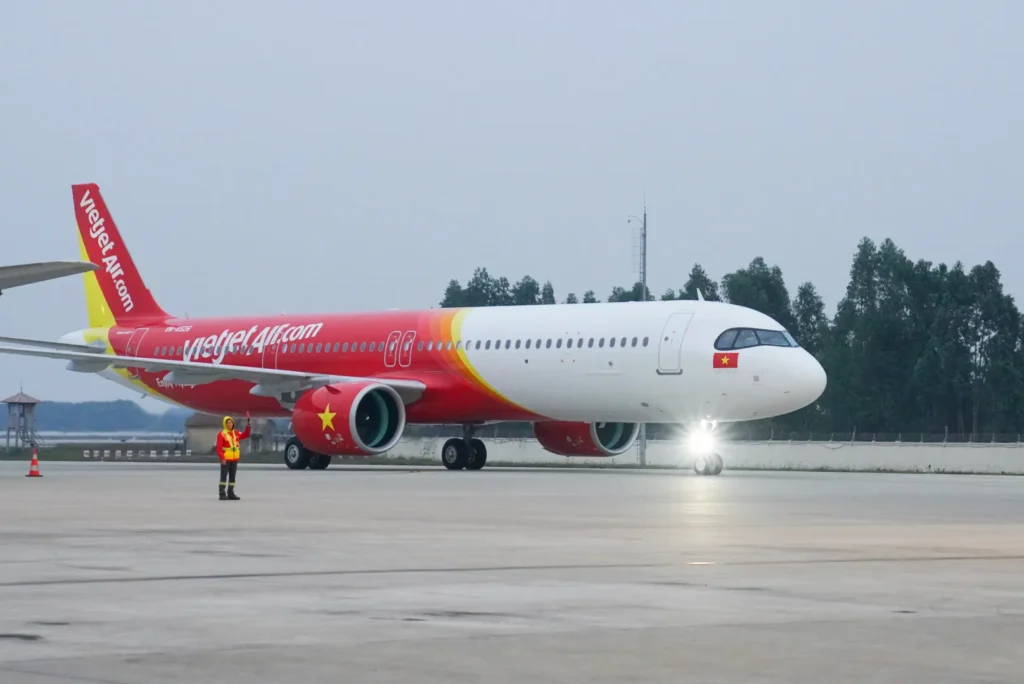
3. VietJet – Airbus A321neo (100 aircraft)
VietJet continued its aggressive growth strategy in 2025 with a major order for Airbus A321neo aircraft, reinforcing its position as one of Asia’s fastest-expanding low-cost carriers. The order supports both domestic expansion within Vietnam and increasing international services across the Asia-Pacific region.
The A321neo gives VietJet the ability to serve high-demand routes with improved efficiency while maintaining low unit costs.
It also opens the door to longer international sectors that were previously less viable with older aircraft. This order demonstrated VietJet’s confidence in sustained regional travel demand and its ambition to compete more assertively with full-service carriers on key routes.
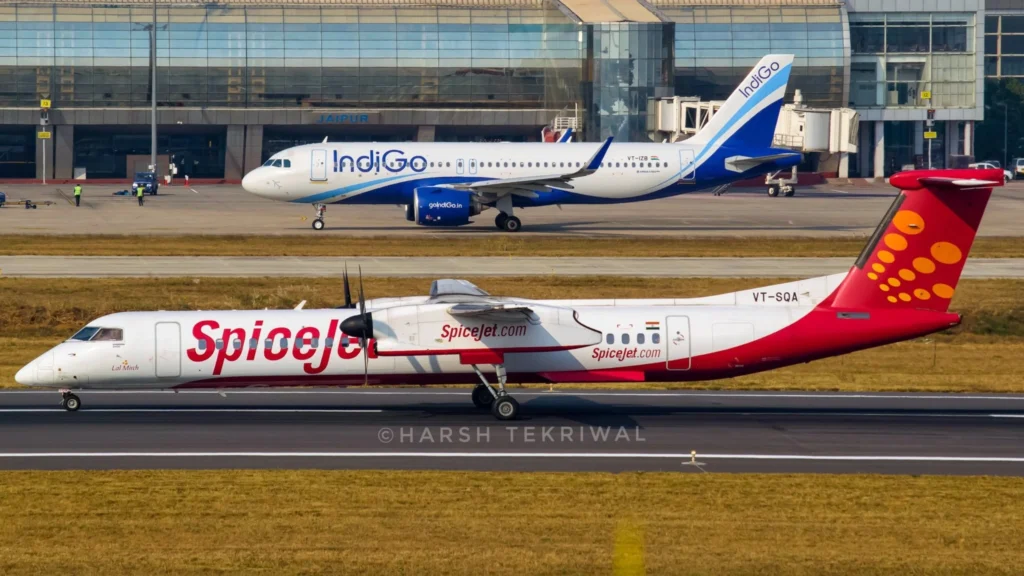
4. SpiceJet – Natilus HORIZON (100 aircraft)
One of the most unconventional orders of 2025 came from SpiceJet, which committed to a fleet of blended-wing aircraft from aerospace startup Natilus.
The announcement stood out not just for its size but for its embrace of a radically different aircraft design aimed at improving fuel efficiency and cargo flexibility.
While the aircraft remains developmental, the order signalled SpiceJet’s willingness to explore alternative technologies to manage costs and environmental pressures.
If realised, the blended-wing design could significantly reduce fuel burn compared with conventional narrowbody aircraft. This deal illustrated how airlines in emerging markets are increasingly open to innovation, particularly when traditional fleet solutions struggle to align with future sustainability targets.
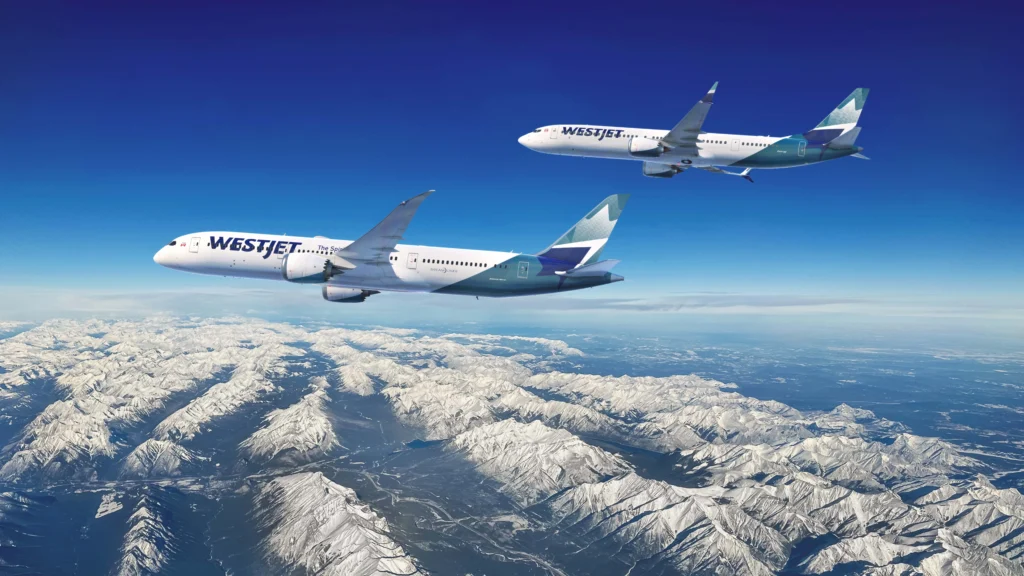
5. WestJet – Boeing (67 aircraft)
WestJet placed its largest aircraft order to date in 2025, combining narrowbody and widebody aircraft into a single strategic package. The deal reinforced WestJet’s transition from a purely low-cost operator into a hybrid airline with long-haul ambitions.
By investing heavily in Boeing’s latest aircraft, WestJet positioned itself for growth across both North American and international routes. The narrowbody component supports frequency and network density, while the widebody aircraft enable expansion into Europe and beyond.
The order demonstrated WestJet’s long-term confidence in international travel demand and its intention to strengthen its competitive standing against larger North American rivals.
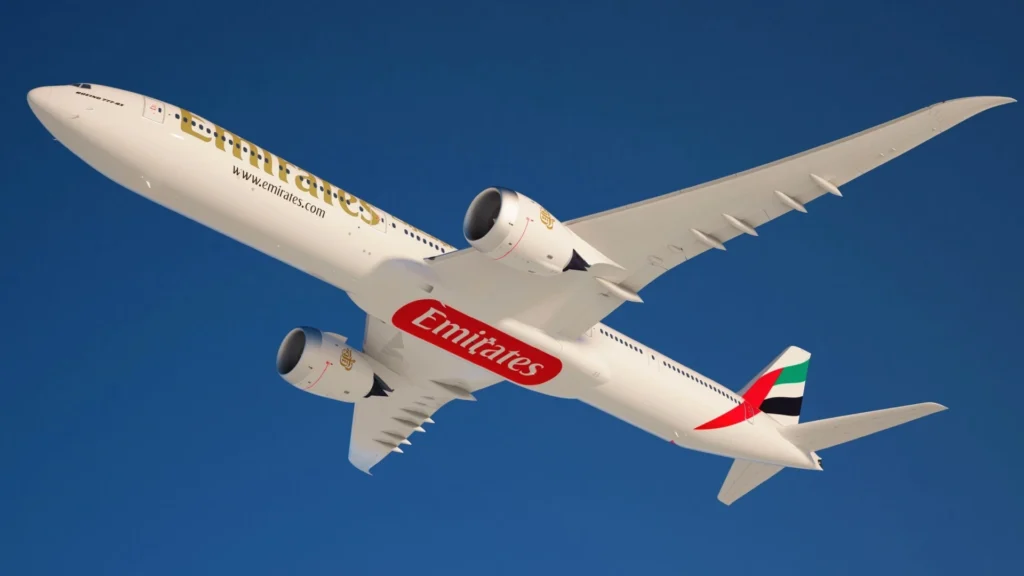
6. Emirates – Boeing 777-9 (65 aircraft)
Emirates reaffirmed its long-standing commitment to large widebody aircraft by placing a substantial order for the Boeing 777-9. The airline has consistently built its global hub model around high-capacity aircraft, and this deal further cemented that strategy.
The 777-9 offers improved efficiency over previous generations while maintaining the passenger capacity Emirates requires on high-demand routes. The order supports fleet renewal and future growth, ensuring Emirates can maintain its global reach from Dubai well into the next decade.
In a year dominated by narrowbody expansion elsewhere, Emirates’ widebody focus stood as a reminder that large aircraft remain essential for certain network models.
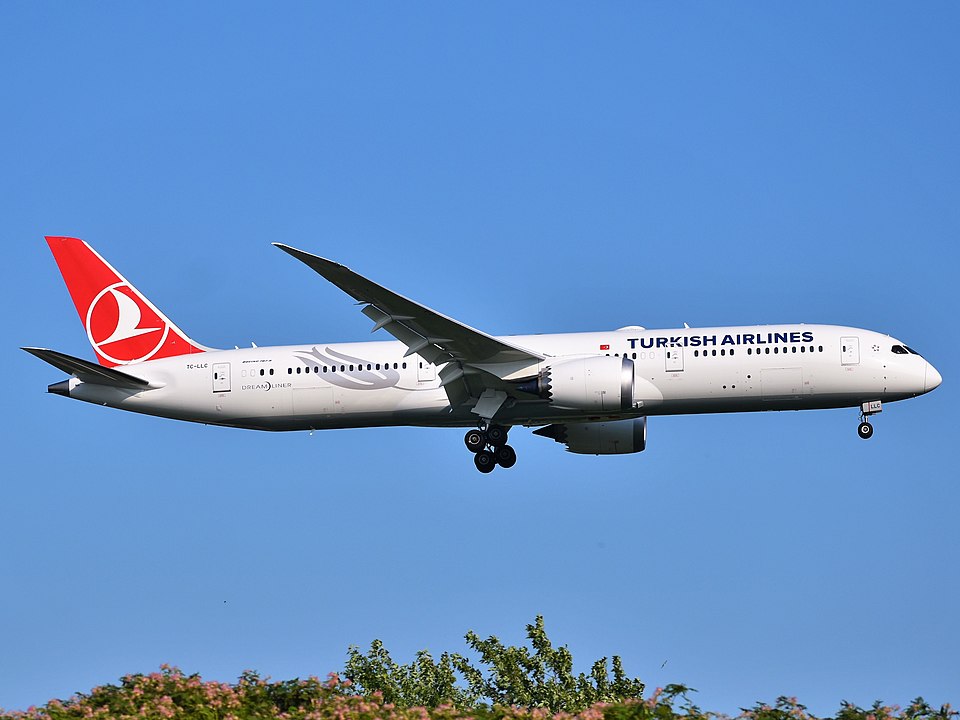
7. Turkish Airlines – Boeing 787 Dreamliners (up to 75 aircraft)
Turkish Airlines continued its long-term expansion plan with a major commitment to Boeing’s 787 Dreamliner family. The order supports Turkish Airlines’ rapid growth across long-haul markets spanning Asia, Africa, and the Americas.
The 787’s efficiency and range align well with Istanbul’s role as a global transfer hub, enabling the airline to add new destinations without excessive operational risk.
This investment reflects Turkish Airlines’ confidence in its hub-and-spoke model and its ambition to become one of the world’s largest intercontinental carriers by fleet size.
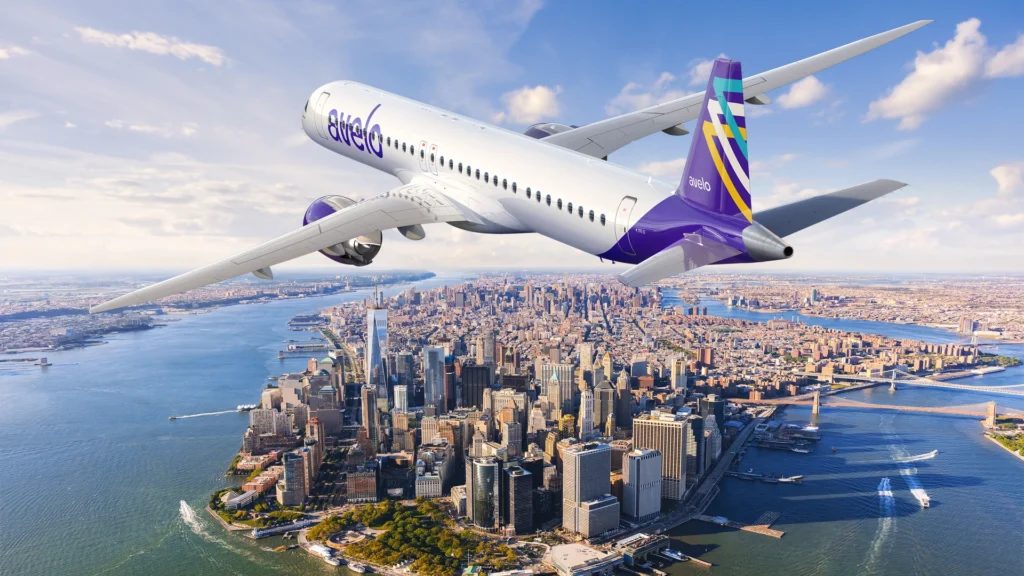
8. Avelo Airlines – Embraer E195-E2 (50 firm, with additional rights)
Avelo Airlines’ decision to invest heavily in Embraer’s E195-E2 marked a significant shift in its growth trajectory. The aircraft’s size and efficiency allow Avelo to serve thinner routes profitably while maintaining passenger comfort.
The order highlighted the growing appeal of next-generation regional jets as airlines seek alternatives to traditional narrowbodies. For Avelo, the E195-E2 supports expansion into underserved markets, reinforcing its point-to-point network strategy.
The deal also demonstrated confidence in the E2 programme as a viable option for cost-conscious airlines.
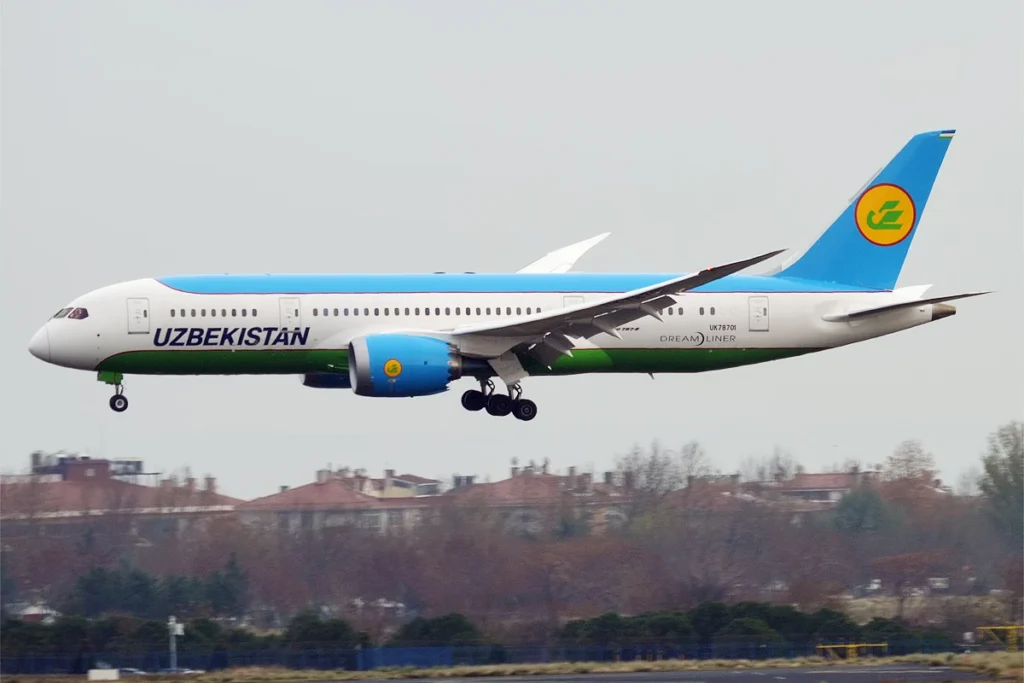
9. Uzbekistan Airways – Boeing 787 (up to 22 aircraft)
Uzbekistan Airways placed its largest aircraft order ever in 2025, focusing on fleet modernisation and long-haul expansion.
The 787 order allows the airline to replace ageing widebodies while opening new international routes with greater efficiency.
The investment supports Uzbekistan’s broader ambitions to strengthen global connectivity and position Tashkent as a growing regional hub.
Although smaller in scale compared with Gulf or Asian carriers, the strategic importance of this order cannot be understated, as it marks a significant step in the airline’s long-term transformation.
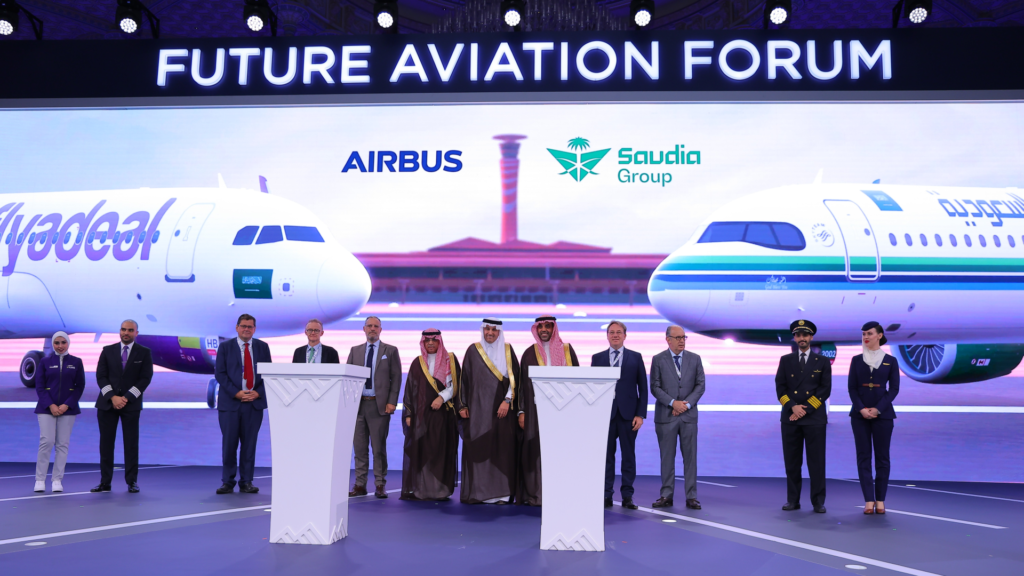
10. Saudia Group – Airbus A320neo family (approx. 105 aircraft)
Saudia Group closed out 2025 with one of the most consequential narrowbody orders in the Middle East, committing to a large fleet of Airbus A320neo family aircraft to support both full-service and low-cost growth.
The order underpins the expansion plans of Saudia itself as well as its fast-growing subsidiary flyadeal, allowing the group to scale domestic, regional, and medium-haul international operations in parallel.
The A320neo family offers the fuel efficiency and operational flexibility required to support Saudi Arabia’s wider aviation ambitions, particularly as the country positions itself as a global tourism and transit hub. This order also plays a key role in fleet modernisation, replacing older aircraft while reducing operating costs and emissions.
Bottom Line
The largest aircraft orders of 2025 tell a clear story: airlines are planning boldly for the future. Whether through record-breaking widebody deals, massive narrowbody expansions, or experimental aircraft concepts, carriers are positioning themselves for a more efficient, resilient, and competitive decade ahead.
While some commitments will take years to fully materialise, the scale of these orders highlights enduring confidence in global air travel and the central role aircraft manufacturers continue to play in shaping aviation’s next chapter.
Largest Aircrat Orders in 2025 FAQs
Not all orders are identical in structure. Some include firm purchases alongside options or future conversion rights, reflecting flexibility in fleet planning.
Narrowbodies offer airlines greater flexibility, lower operating costs, and the ability to serve longer routes efficiently, making them ideal for modern network expansion.
Delivery timelines vary widely. Some aircraft will arrive within a few years, while others are scheduled well into the next decade due to production backlogs.
Stay tuned with us. Further, follow us on social media for the latest updates.
Join us on Telegram Group for the Latest Aviation Updates. Subsequently, follow us on Google News
