

Air power no longer comes only in the form of fighter jets streaking across radar screens. Today’s threats are faster, stealthier, and far more complex—ranging from hypersonic glide vehicles and maneuvering ballistic missiles to swarms of armed drones and low-flying cruise missiles.
In response, air defence has evolved from isolated missile batteries into layered, networked systems that form the backbone of national security.
Across the world, major military powers are pouring resources into air defence not just to protect airspace, but to safeguard cities, nuclear forces, and critical infrastructure. Below is a ranked look at the ten air defence systems that currently shape the global balance of power.
https://commons.wikimedia.org/wiki/File:%D0%A1-500_%D1%80%D0%BE%D1%81%D1%81%D0%B8%D0%B9%D1%81%D0%BA%D0%B8%D0%B9_%D0%B7%D0%B5%D0%BD%D0%B8%D1%82%D0%BD%D1%8B%D0%B9_%D1%80%D0%B0%D0%BA%D0%B5%D1%82%D0%BD%D1%8B%D0%B9_%D0%BA%D0%BE%D0%BC%D0%BF%D0%BB%D0%B5%D0%BA%D1%81.jpg
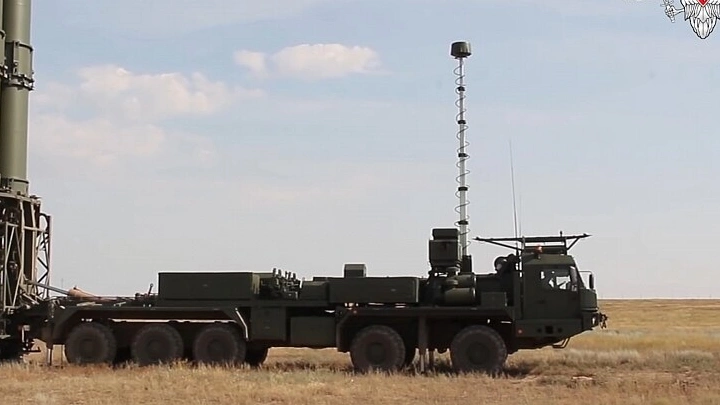
1. S-500 Prometheus (Russia)
At the very top sits the S-500 Prometheus, a system designed less for today’s battlefield and more for the wars of the future.
Unlike traditional surface-to-air systems, the S-500 operates at the edge of the atmosphere and beyond. It is engineered to intercept intercontinental ballistic missiles, hypersonic weapons, and even low-orbit satellites.
With interception ranges stretching up to 600 km and engagement altitudes approaching 200 km, it blurs the line between air defence and space defence.
In strategic terms, the S-500 represents Russia’s attempt to counter next-generation U.S. and NATO missile technologies.
2. S-400 Triumph (Russia)
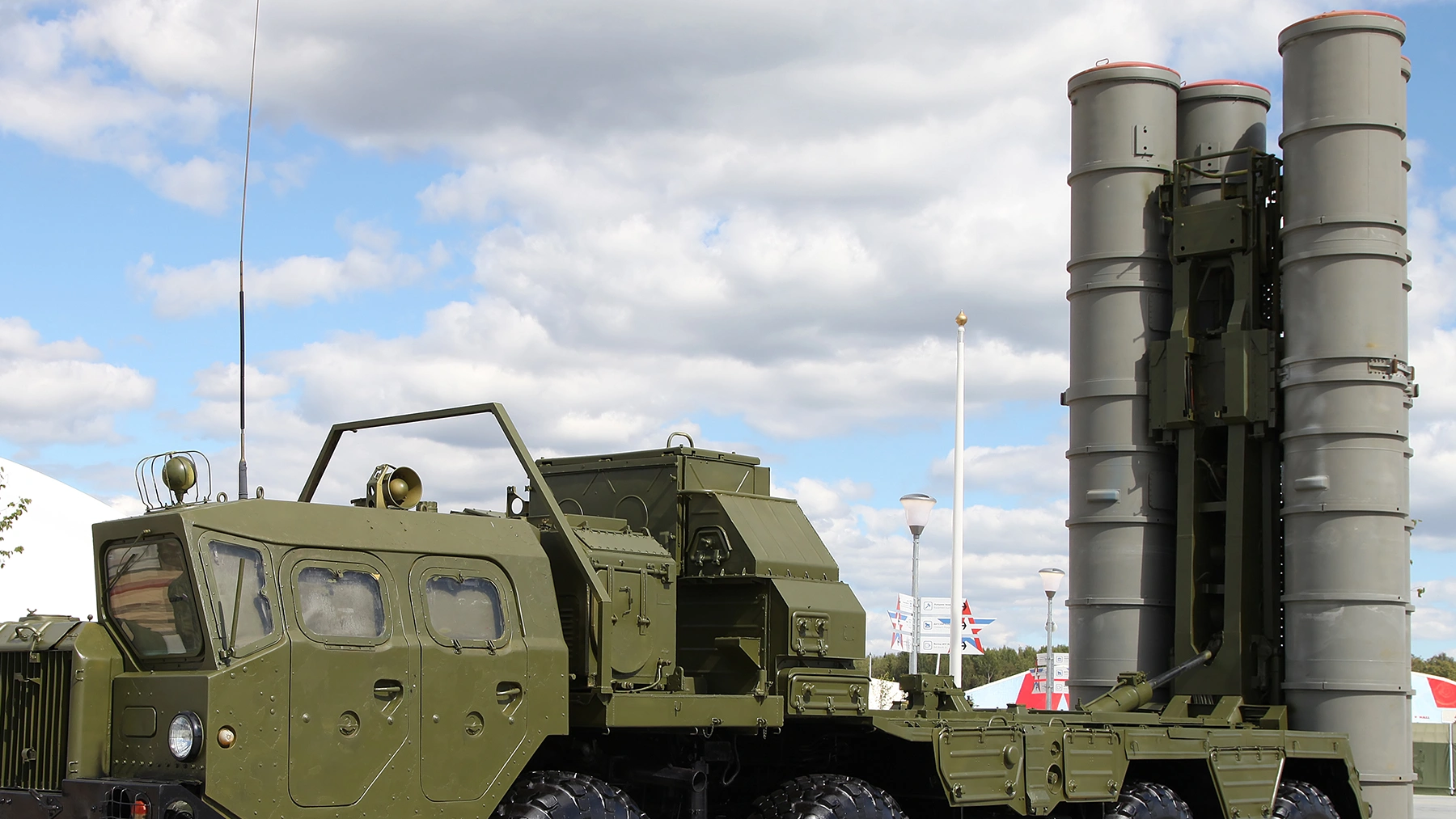
If the S-500 is futuristic, the S-400 Triumph is the present-day workhorse.
The S-400 has become one of the most exported and politically consequential air defence systems in the world. Capable of engaging aircraft, cruise missiles, drones, and some ballistic missiles at ranges of up to 400 km, it forms the core of Russia’s layered air defence doctrine.
Its deployment in countries such as India, China, and Turkey has reshaped regional airpower calculations and triggered intense geopolitical debate.

3. THAAD (United States)
The U.S.-developed Terminal High Altitude Area Defense system occupies a unique niche: stopping ballistic missiles in their final phase of flight.
THAAD does not rely on explosive warheads. Instead, it uses hit-to-kill technology, destroying incoming missiles purely through kinetic energy. Operating at altitudes of up to 150 km, it is optimized for exo-atmospheric and high endo-atmospheric interception.
Deployed in regions such as South Korea and the Gulf, THAAD plays a central role in U.S. missile defence strategy against regional threats.
4. David’s Sling (Israel / United States)
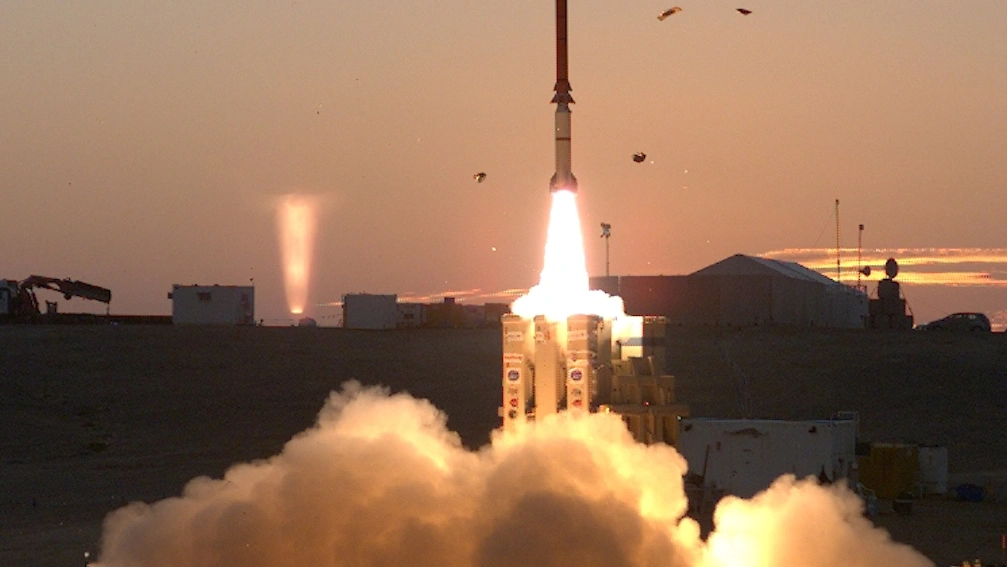
Positioned between short-range and strategic missile defence, David’s Sling is built to handle the “middle layer” of threats.
It was developed to counter advanced cruise missiles, tactical ballistic missiles, and high-performance aircraft. The system’s Stunner interceptor uses a dual-seeker design, allowing it to track and engage highly maneuverable targets with precision.
For Israel, David’s Sling fills the gap between Iron Dome and the Arrow missile defence system, completing a multi-tiered shield.
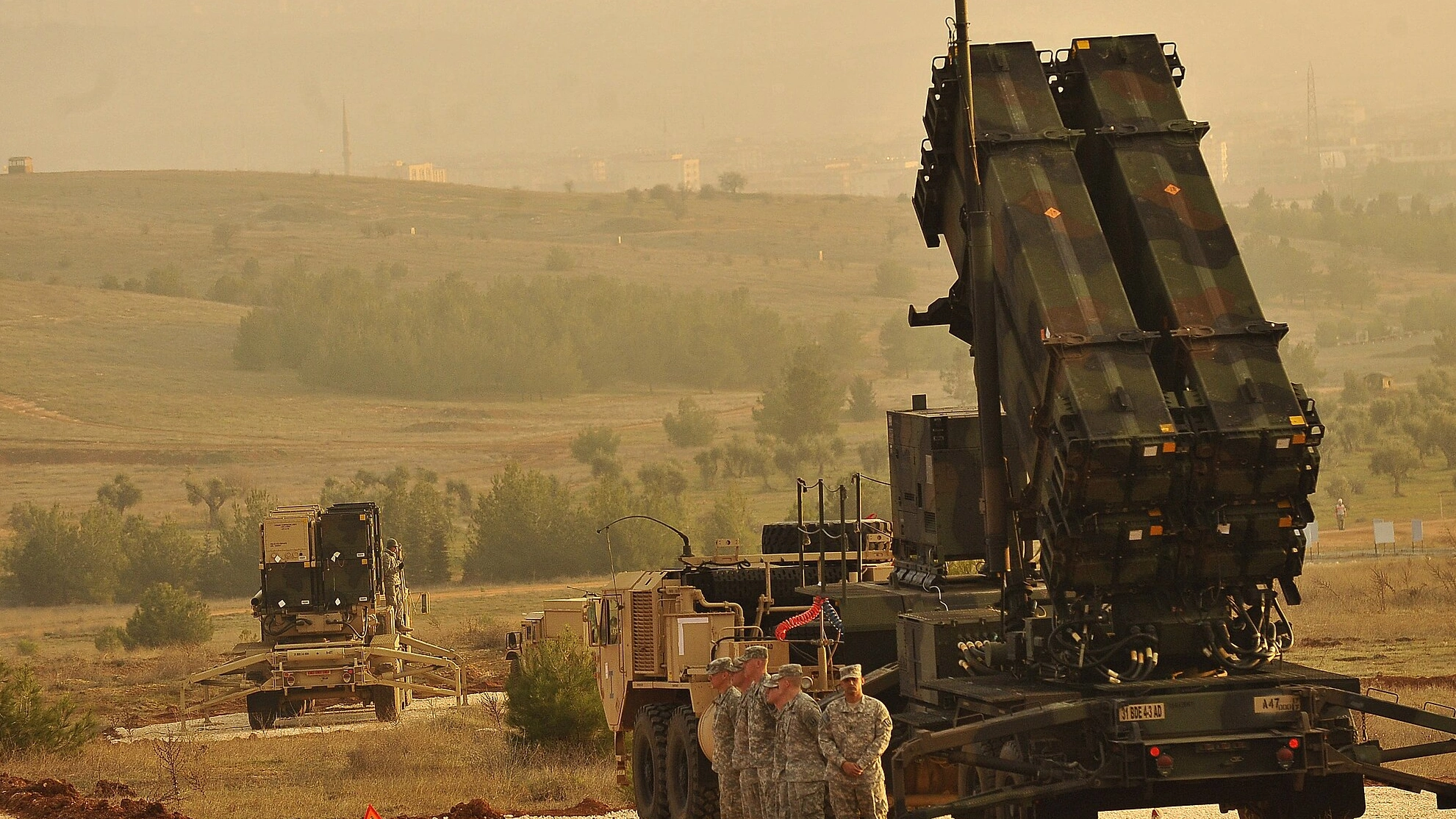
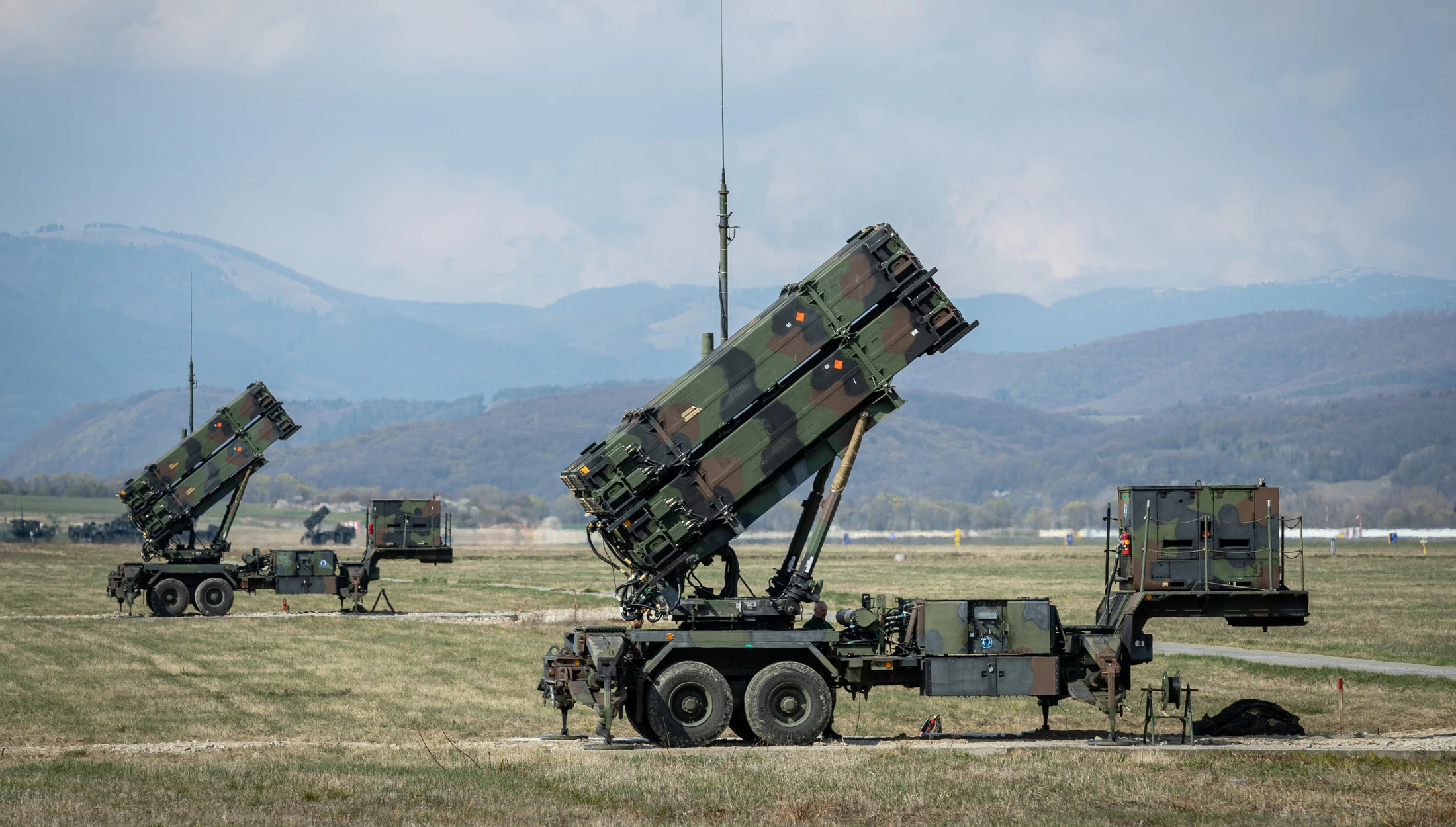
5. Patriot PAC-3 (United States)
Few air defence systems have seen as much real-world combat use as the Patriot.
The PAC-3 variant represents a major evolution from earlier Patriot systems, with a strong focus on ballistic missile interception. It uses hit-to-kill interceptors and is frequently integrated with other systems such as THAAD to create layered defence networks.
With deployments in more than 17 countries, Patriot remains a cornerstone of allied air and missile defence worldwide.
(Reusing this file) http://www.vitalykuzmin.net/?q=node/353
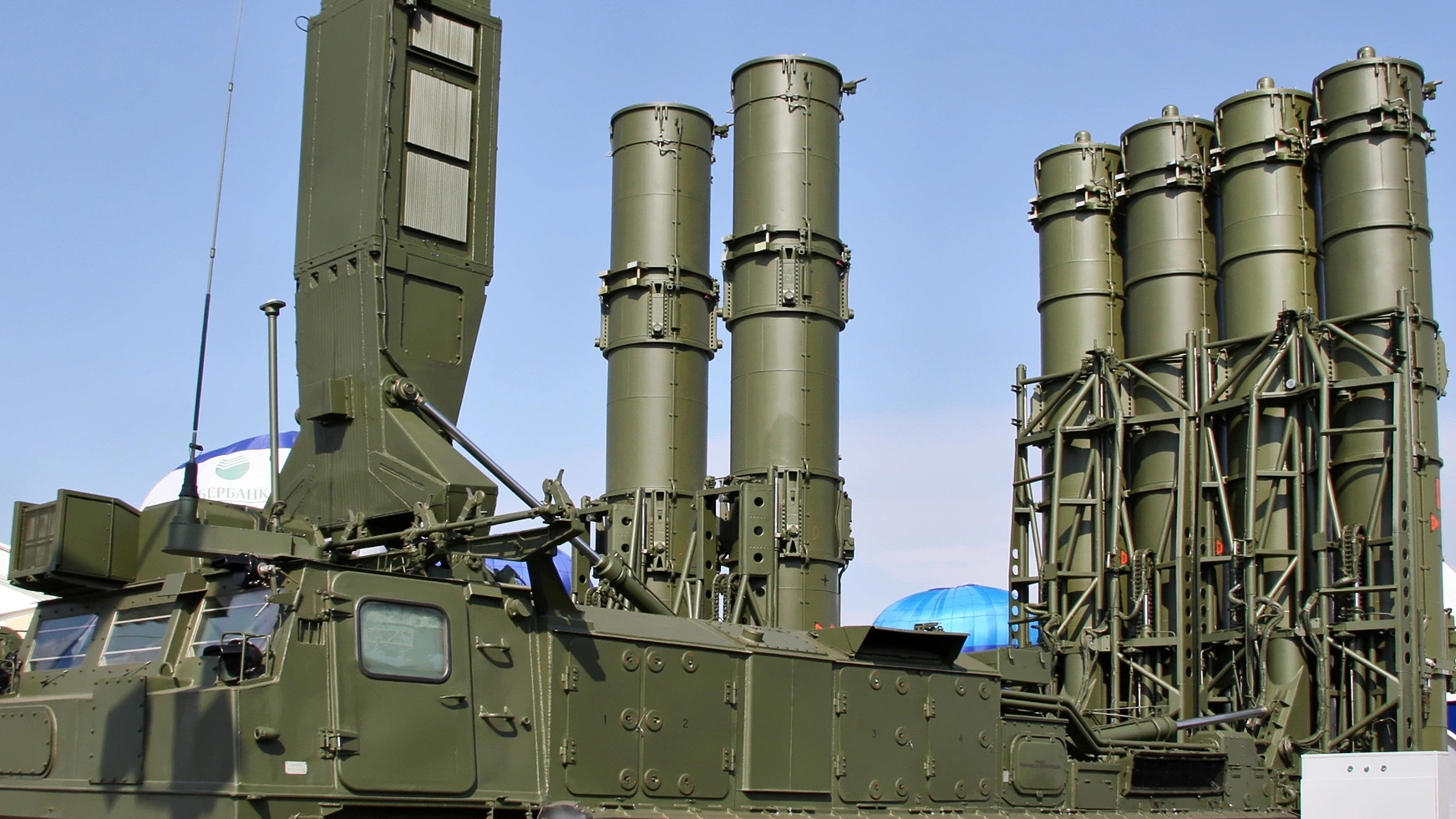
6. S-300VM / Antey-2500 (Russia)
The S-300VM, also known as the Antey-2500, is a highly mobile long-range system designed to protect maneuvering ground forces as well as fixed sites.
It is optimized for engaging aircraft, cruise missiles, and intermediate-range ballistic missiles, making it particularly relevant in high-intensity land warfare scenarios. Its ability to relocate quickly enhances survivability against enemy strikes.
Countries such as Egypt and Venezuela operate the system as part of their strategic air defence layers.
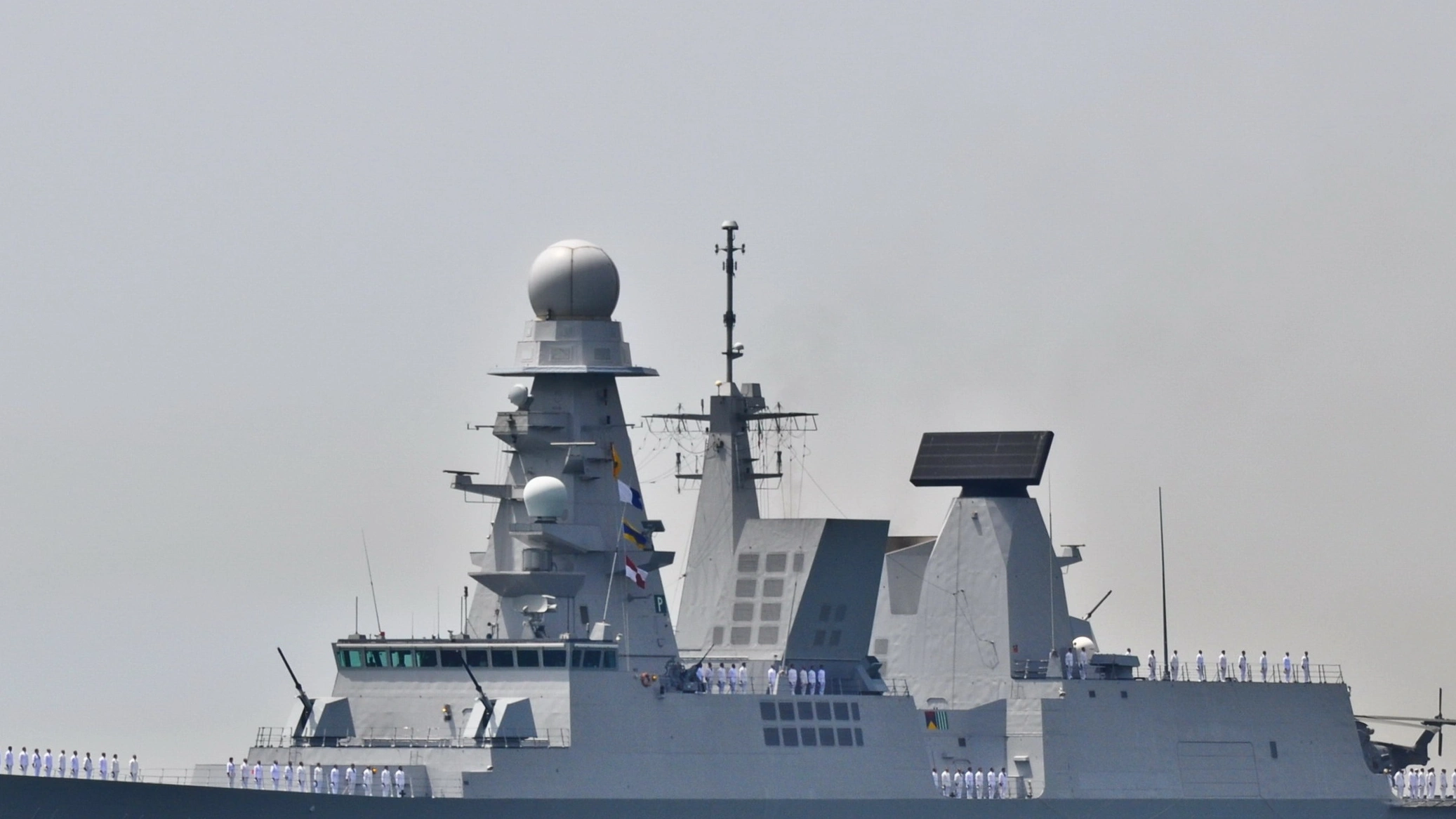
7. Aster 30 SAMP/T (France / Italy)
Europe’s answer to long-range air and missile defence comes in the form of the SAMP/T system armed with Aster 30 missiles.
Designed to counter cruise missiles and short-range ballistic missiles, the system emphasizes networked operations and interoperability within NATO frameworks. The Aster 30 missile’s active radar homing allows it to engage fast, agile targets with high accuracy.
France and Italy rely on SAMP/T as a core component of their national air defence.
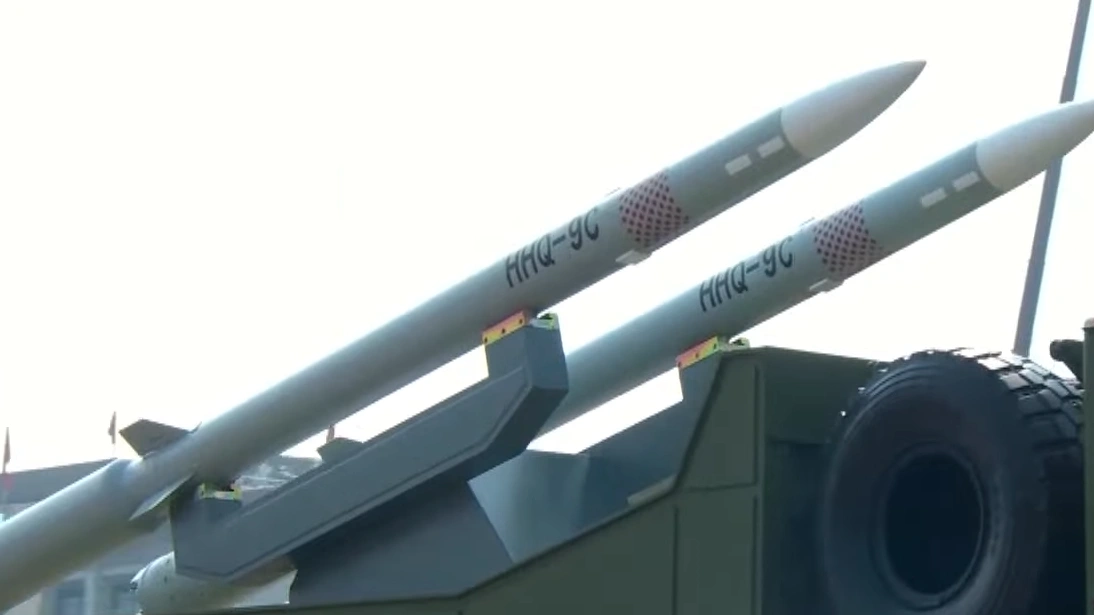
8. HQ-9 (China)
China’s HQ-9 reflects Beijing’s rapid progress in indigenous air defence technology.
Drawing conceptual influence from earlier Russian designs but heavily modernized, the HQ-9 uses phased-array radars and multiple variants to engage a wide range of aerial threats. With ranges around 200 km, it provides long-range coverage against aircraft, cruise missiles, and some ballistic missiles.
The HQ-9 forms a key pillar of China’s integrated air defence network.

9. Barak-8 (India / Israel)
Barak-8 stands out as a successful example of international defence collaboration.
Developed jointly by India and Israel, the system is designed for both naval and land-based operations. It is optimized for defending ships and strategic sites against aircraft, UAVs, cruise missiles, and anti-ship missiles.
With a range of up to 100 km and an active radar seeker, Barak-8 has become central to India’s modern air defence architecture.
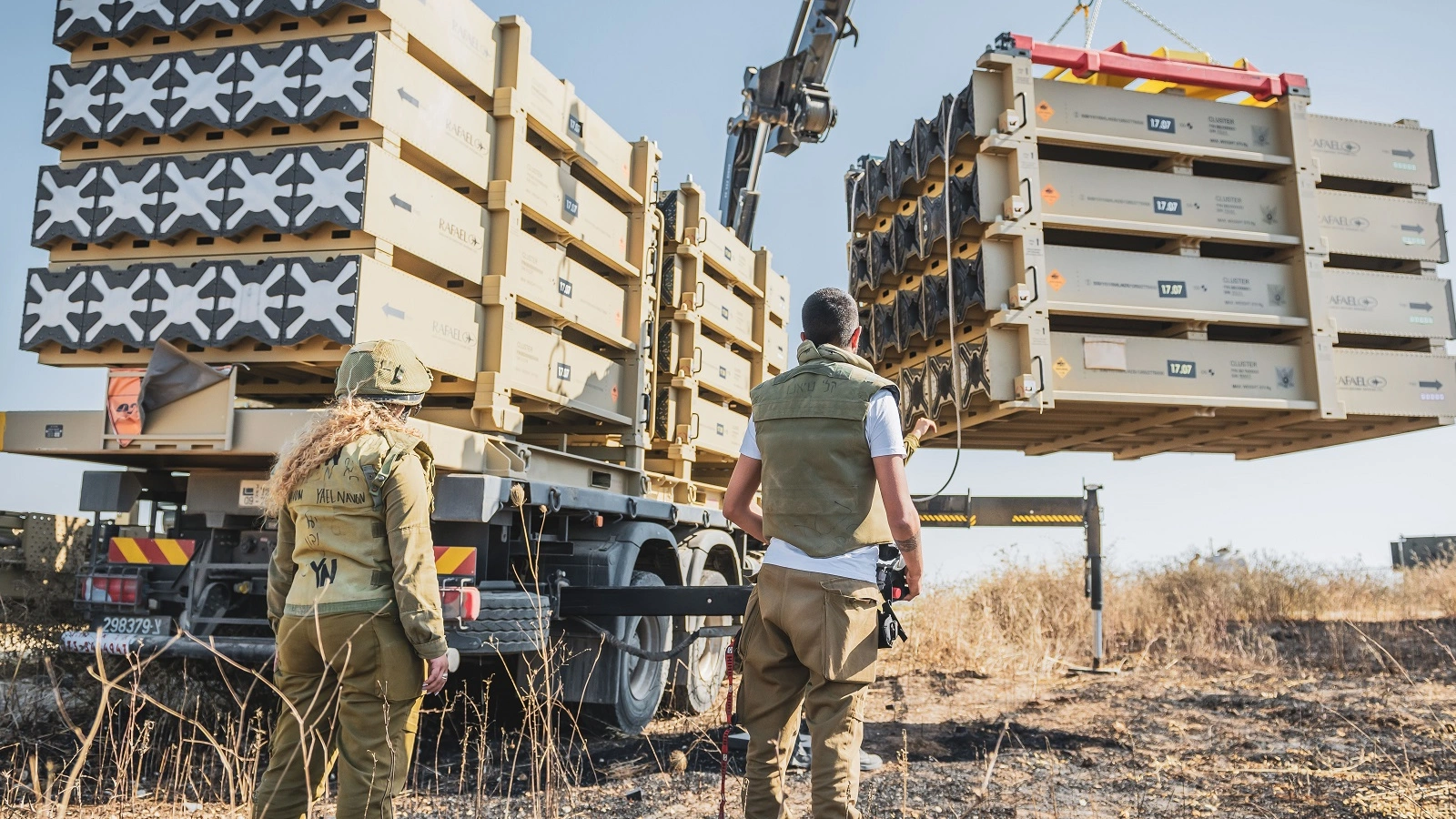
10. Iron Dome (Israel)
Rounding out the list is Iron Dome, a system built for a very specific—but extremely common—threat.
Unlike long-range strategic systems, Iron Dome focuses on short-range rockets, artillery shells, and mortars. Its strength lies in rapid reaction, selective engagement, and cost efficiency.
By intercepting only those projectiles projected to hit populated areas, it achieves a reported success rate exceeding 90%.
Iron Dome has redefined short-range air defence and influenced similar systems worldwide.
Bottom Line
The global air defence market, valued at over USD 46 billion in 2024 and projected to nearly double by 2035, reflects a simple reality: control of the air is no longer guaranteed by aircraft alone. Missiles are faster, drones are cheaper, and threats are increasingly asymmetric.
From space-capable interceptors to point-defence rocket shields, these ten systems illustrate how nations are building layered defences to survive in an era where the next attack may arrive without warning—and at hypersonic speed.
Stay tuned with us. Further, follow us on social media for the latest updates.
Join us on Telegram Group for the Latest Aviation Updates. Subsequently, follow us on Google News
