

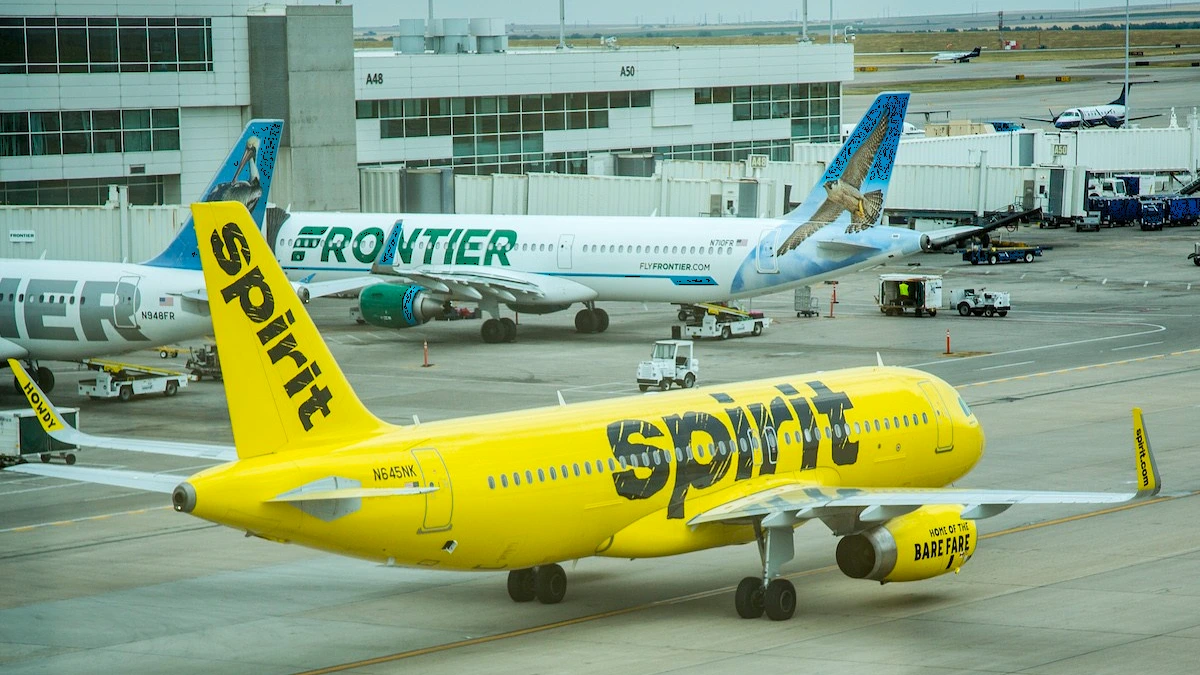
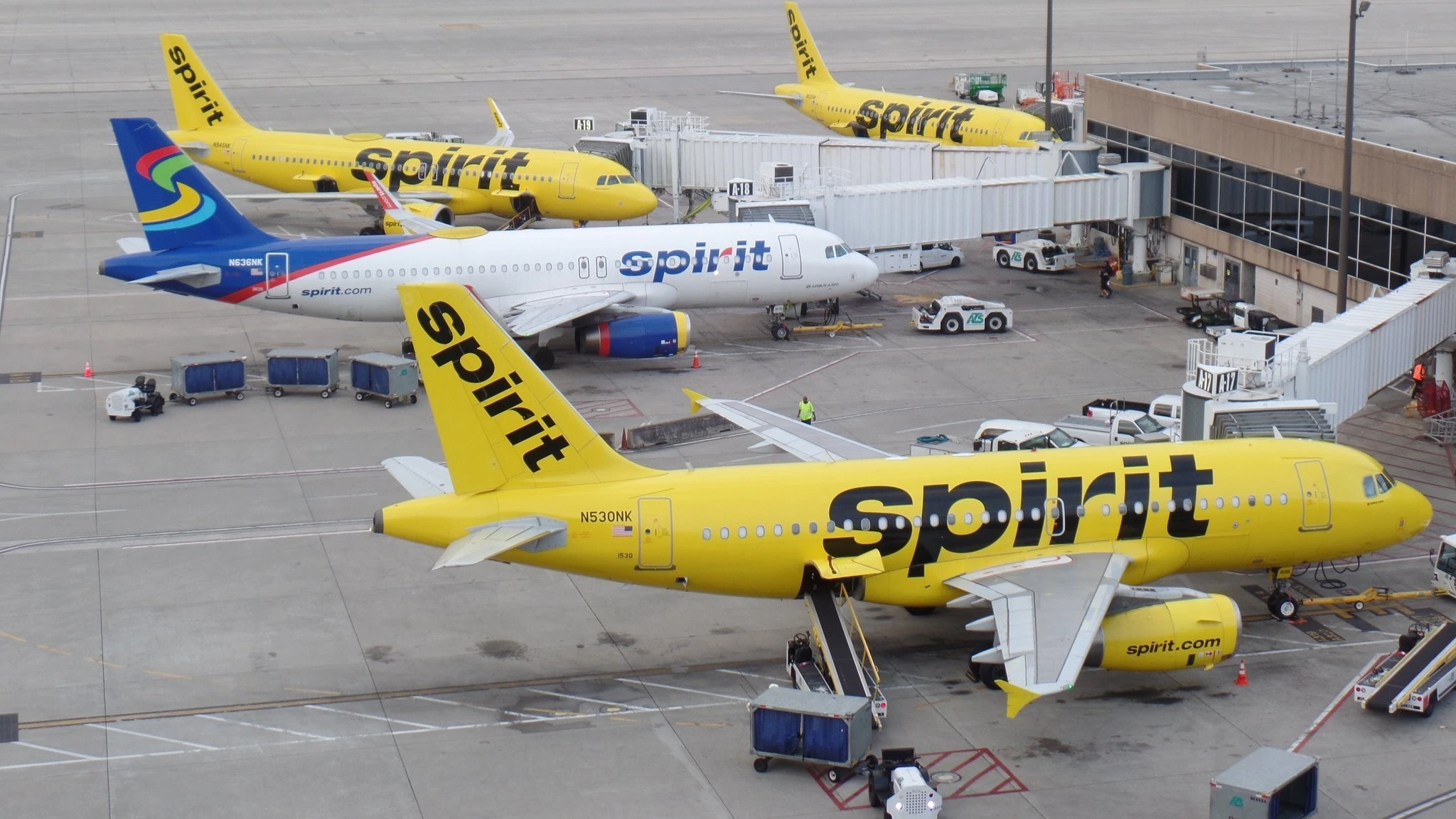
FLORIDA- Florida has again become the backdrop for renewed consolidation talks in the US ultra-low-cost airline sector, as Spirit Airlines (NK) and Frontier Airlines (F9) are reportedly back in discussions over a potential merger. The talks signal a possible third attempt to combine the two carriers after previous efforts failed to produce a deal.
The discussions involve Spirit, headquartered near Fort Lauderdale (FLL), and Frontier, which maintains major operations in Denver. While details remain limited, the renewed engagement reflects mounting financial pressure across the budget airline segment and a market environment that has shifted sharply over the past two years.
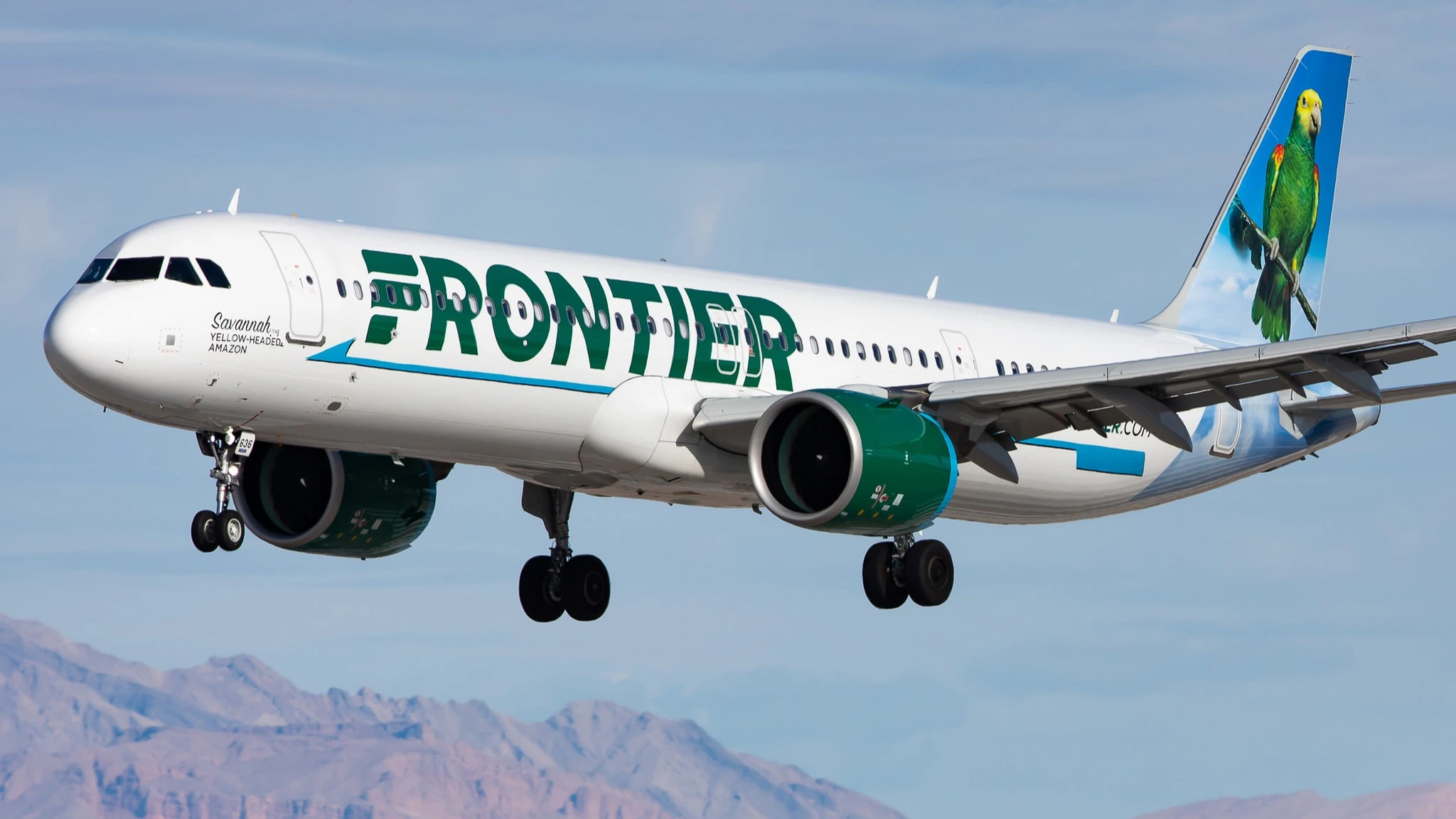
Merger Talks between Spirit and Frontier Resume
This latest round of talks would mark the third time Spirit and Frontier have explored a merger in as many years.
Their initial attempt collapsed when Spirit instead accepted a competing acquisition proposal from JetBlue Airways, a deal that was later blocked by a federal judge on antitrust grounds.
Frontier reapproached Spirit earlier this year with a reported $2.2 billion offer made shortly after Spirit entered bankruptcy proceedings.
Spirit rejected that proposal at the time, calling it inadequate and not actionable, but ongoing financial strain appears to have reopened the door to negotiations.
The renewed discussions come amid a far weaker operating backdrop for both airlines. Industry analysts note that consolidation may now appear more attractive as standalone recovery options narrow for ultra-low-cost carriers.
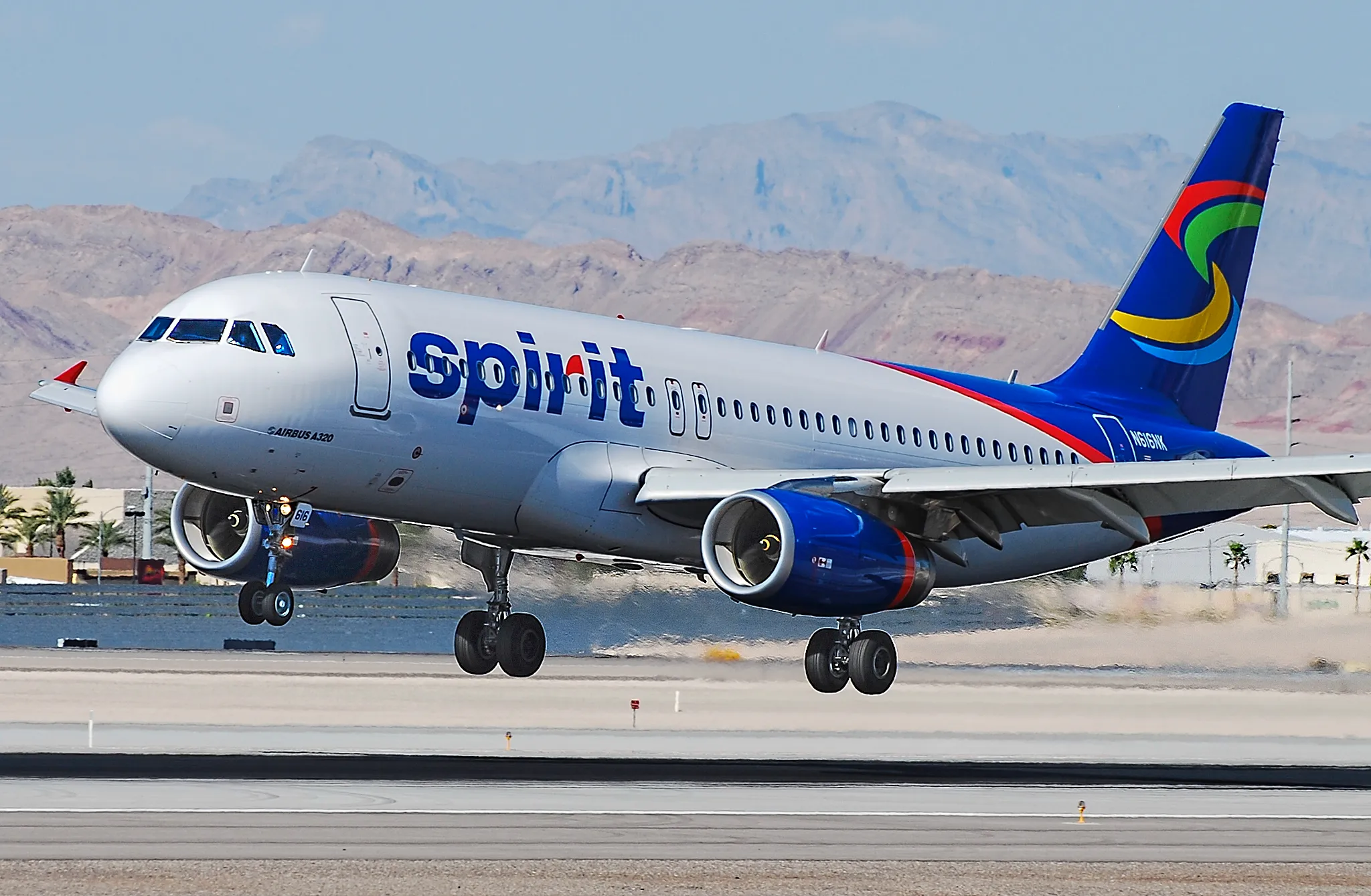
Spirit Airlines’ Financial Strain
Spirit is currently operating under Chapter 11 bankruptcy protection for the second time in two years, underscoring the depth of its financial challenges.
Cash reserves have remained under scrutiny, although the airline recently secured access to $50 million in additional funding through an amended debtor-in-possession agreement.
The carrier has aggressively reduced costs over the past year by cutting jobs, shrinking its route network, and simplifying operations.
Despite these measures, Spirit has struggled to stop ongoing losses, reporting operational losses equivalent to roughly $3.1 million per day in October, according to regulatory filings.
While known for its low fares and no-frills model, Spirit has also adjusted its product offering to include features more closely aligned with larger competitors. These changes have increased complexity and costs at a time when demand for pure budget travel remains uneven.
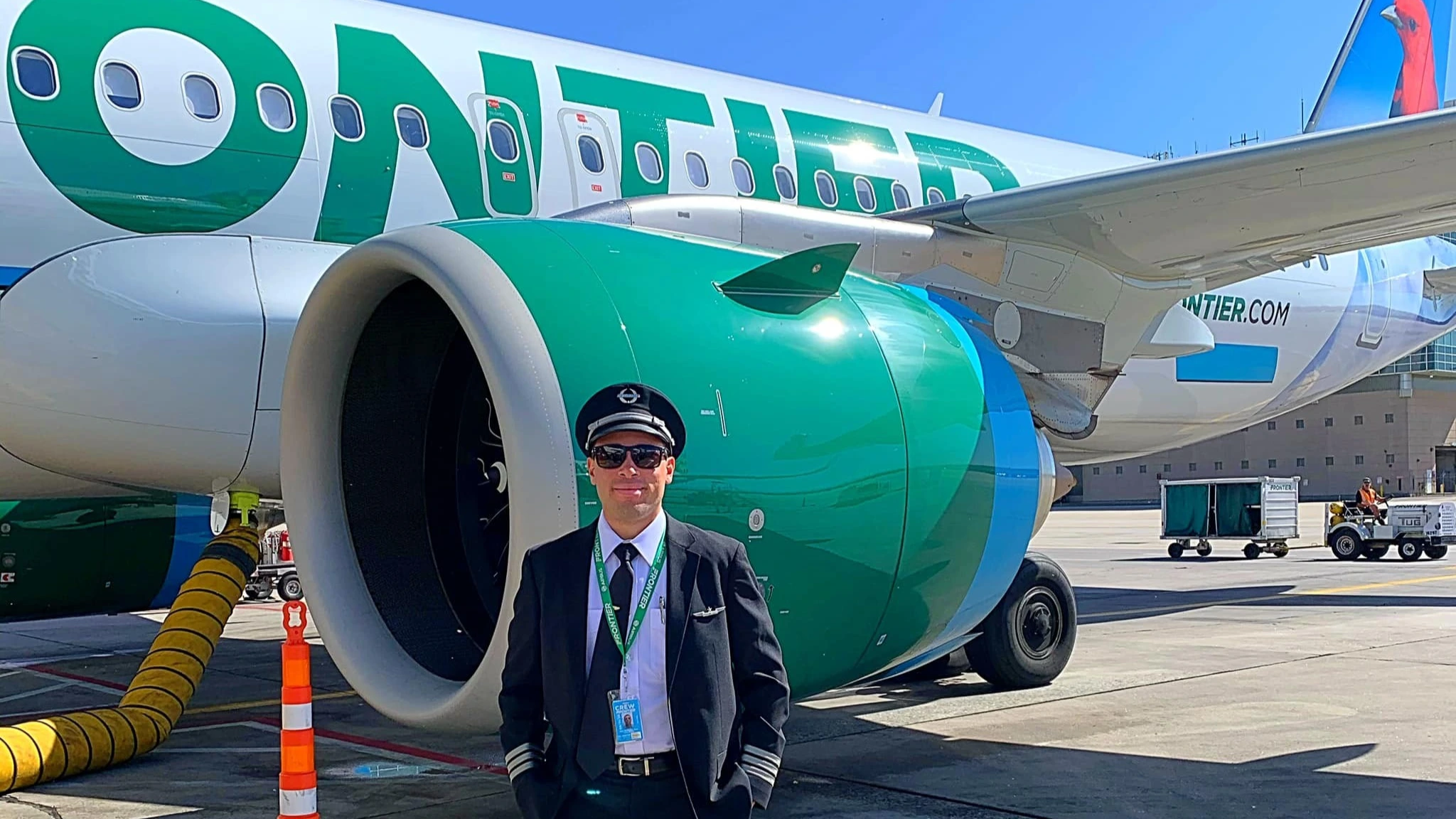
Frontier Market Pressure
Frontier has also faced a difficult year, reflecting broader weakness across the low-cost airline segment. Legacy carriers have increasingly attracted price-sensitive travelers through expanded basic economy offerings, eroding one of the traditional advantages held by ultra-low-cost operators.
The airline reported a $190 million loss over the first nine months of the year, while its share price has fallen more than 28 percent since the start of 2025.
These pressures have coincided with leadership changes, with longtime chief executive Barry Biffle stepping down abruptly.
Frontier’s president, James Dempsey, has assumed the role of interim chief executive, bringing experience from European low-cost airline operations. His immediate focus is expected to center on stabilizing finances and evaluating strategic options.
Bottom Line
A potential Spirit–Frontier merger would reshape the US ultra-low-cost airline landscape but faces financial, regulatory, and execution hurdles.
With Spirit in bankruptcy and Frontier under earnings pressure, consolidation may offer scale benefits but no guaranteed relief.
Whether this third attempt succeeds will depend on structure, timing, and regulatory response.
Stay tuned with us. Further, follow us on social media for the latest updates.
Join us on Telegram Group for the Latest Aviation Updates. Subsequently, follow us on Google News
