

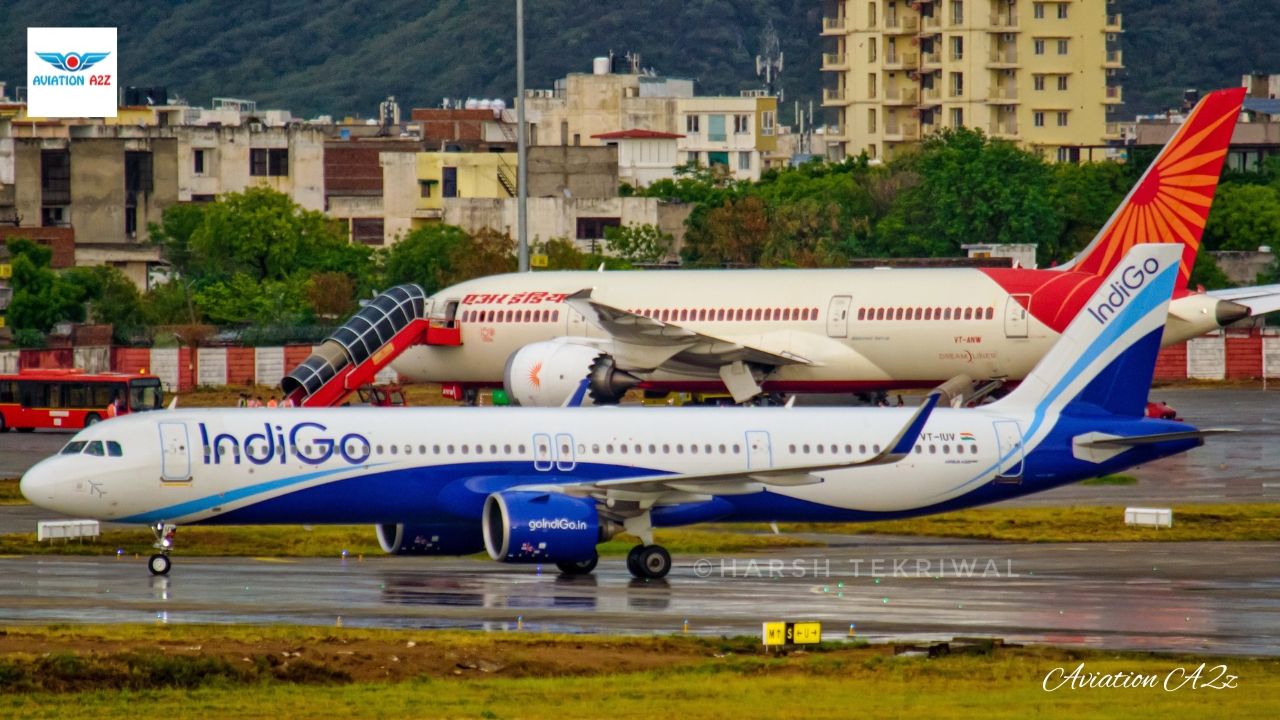
AHMEDABAD- The June 12 crash of Air India (AI) flight AI 171, a Boeing 787 Dreamliner, shortly after departure from Ahmedabad, marked a turning point for India’s aviation sector. The incident, which claimed 260 lives, triggered immediate operational and confidence shocks across the international market.
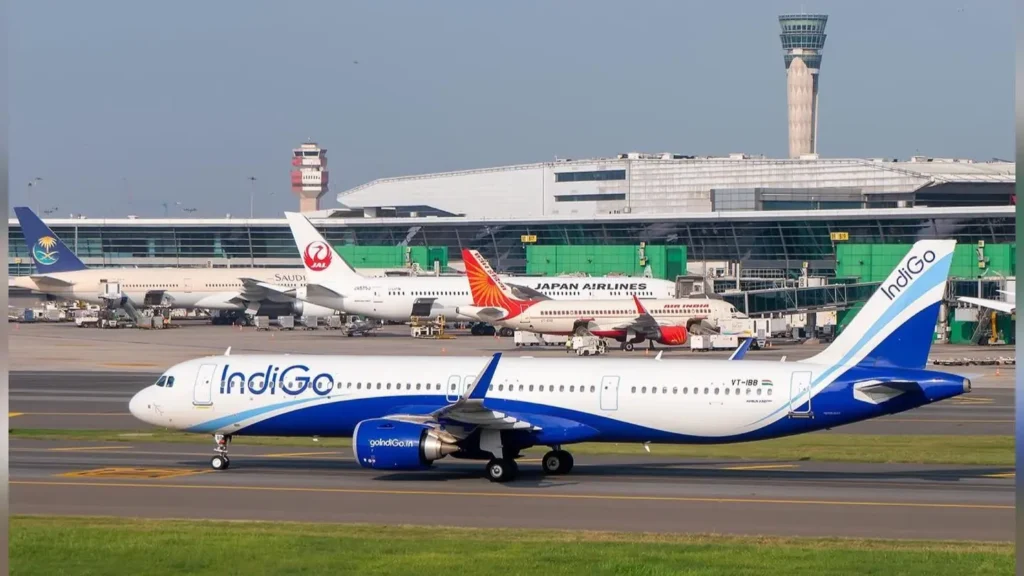
In the months that followed, IndiGo (6E) capitalised on the disruption as the combined Air India and Air India Express (IX) network cut back long-haul services from major hubs, including Delhi (DEL). New data from India’s aviation regulator now shows IndiGo overtaking the Tata-owned group in international passenger traffic for the first time.
IndiGo Beats Air India
During the July–September 2025 quarter, IndiGo carried 41.36 lakh international passengers, edging past the 41 lakh flown by Air India and Air India Express combined.
This narrow lead is significant because it reflects a structural shift rather than seasonal volatility in outbound demand.
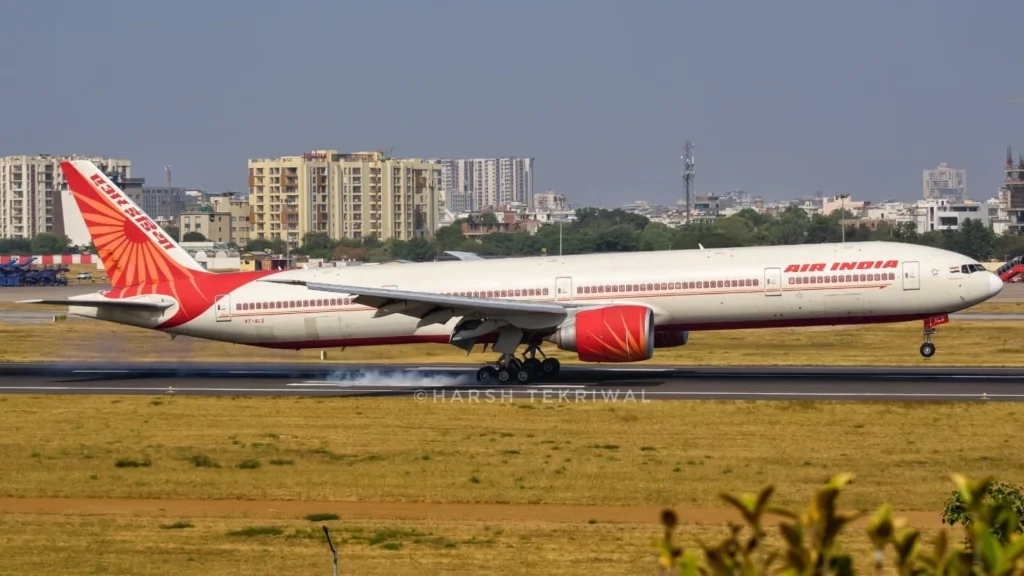
Air India’s response to the crash included a roughly 15 percent reduction in long-haul wide-body flights in the weeks immediately after the incident.
Passenger hesitation to fly on Boeing 787-operated routes further softened demand, creating an opening that IndiGo was positioned to exploit with its dense international short- and medium-haul network.
Operational Contrast
Regulatory data also highlights a sharp contrast in how IndiGo managed recent disruptions across its network. Between December 1 and 9, the airline cancelled only 2.4 percent of its 2,702 scheduled international flights, maintaining near-normal overseas operations.
Over the same period, nearly one in four of its domestic flights were withdrawn due to operational pressures.
The Directorate General of Civil Aviation (DGCA) is reviewing why the carrier prioritised global services while allowing a heavier contraction at home, a decision that helped protect international market share during a volatile period.
Capacity And Policy Impact
The coming quarters may bring further changes as both major players adjust capacity. Air India is preparing to temporarily withdraw several older Boeing wide-body aircraft for refurbishment or return to lessors, a move that will constrain long-haul availability before newer aircraft enter service.
At the same time, the aviation ministry is finalising a mandatory reduction of at least 10 percent in IndiGo’s overall flights following recent operational lapses.
Authorities have not yet clarified how the cut will be split between domestic and international routes, leaving uncertainty around whether IndiGo’s newly gained international lead can be sustained.
Bottom Line
IndiGo’s rise to the top of India’s international passenger rankings reflects resilience and tactical network management rather than aggressive expansion.
For Air India, the Ahmedabad crash represents its most severe reputational setback in decades, with lingering effects on fleet deployment and traveller confidence.
As regulatory scrutiny and capacity adjustments unfold, India’s international aviation hierarchy remains in flux.
Stay tuned with us. Further, follow us on social media for the latest updates.
Join us on Telegram Group for the Latest Aviation Updates. Subsequently, follow us on Google News
