


SEOUL- Incheon International Airport (ICN) has become the center of an unusual political and aviation dispute after South Korea’s president publicly clashed with the head of the country’s primary international gateway. The disagreement has raised concerns across the aviation sector about security policy, operational feasibility, and passenger disruption at one of Asia’s busiest hubs.
Located in Incheon, serving Seoul, ICN handles tens of millions of passengers annually and is a major hub for Korean Air (KE) and Asiana Airlines (OZ). The controversy has drawn attention because it directly involves airport security processes that affect departing passengers on international commercial flights.
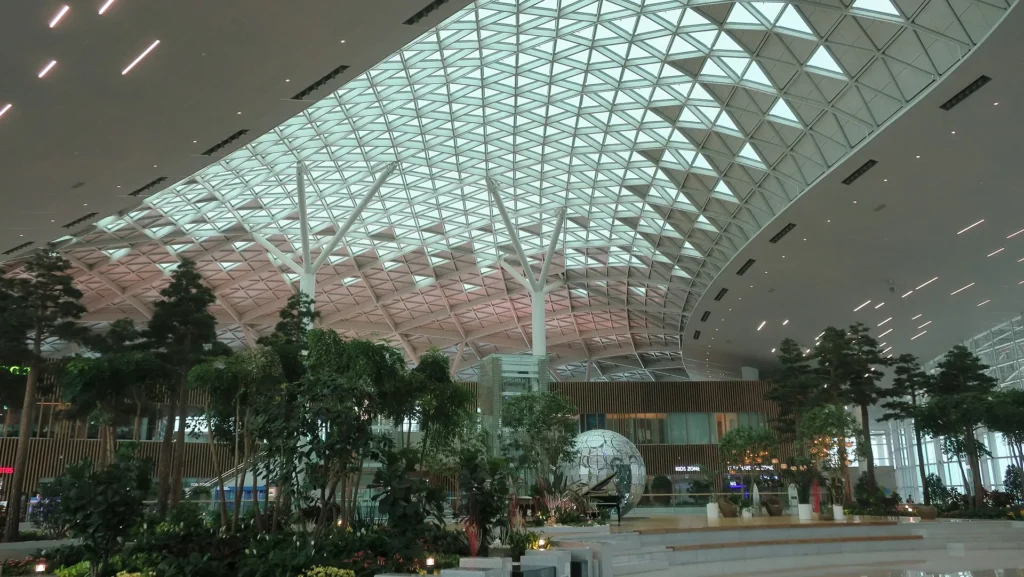
Incheon’s Security Policy Dispute
The issue emerged on December 12, 2025, during a Ministry of Land, Infrastructure, and Transport work report attended by President Lee Jae-myung. The president expressed concern about alleged cash smuggling techniques involving money concealed inside books carried in passenger baggage.
In response, he urged Incheon International Airport Corporation to instruct security staff to manually inspect all passenger bags. The proposal called for identifying books inside luggage and physically checking them for hidden cash during security screening.
The directive immediately sparked resistance from airport leadership, who argued that such measures fall outside standard aviation security responsibilities.
Airport inspections typically focus on prohibited or dangerous items, while foreign currency violations are handled by customs authorities.
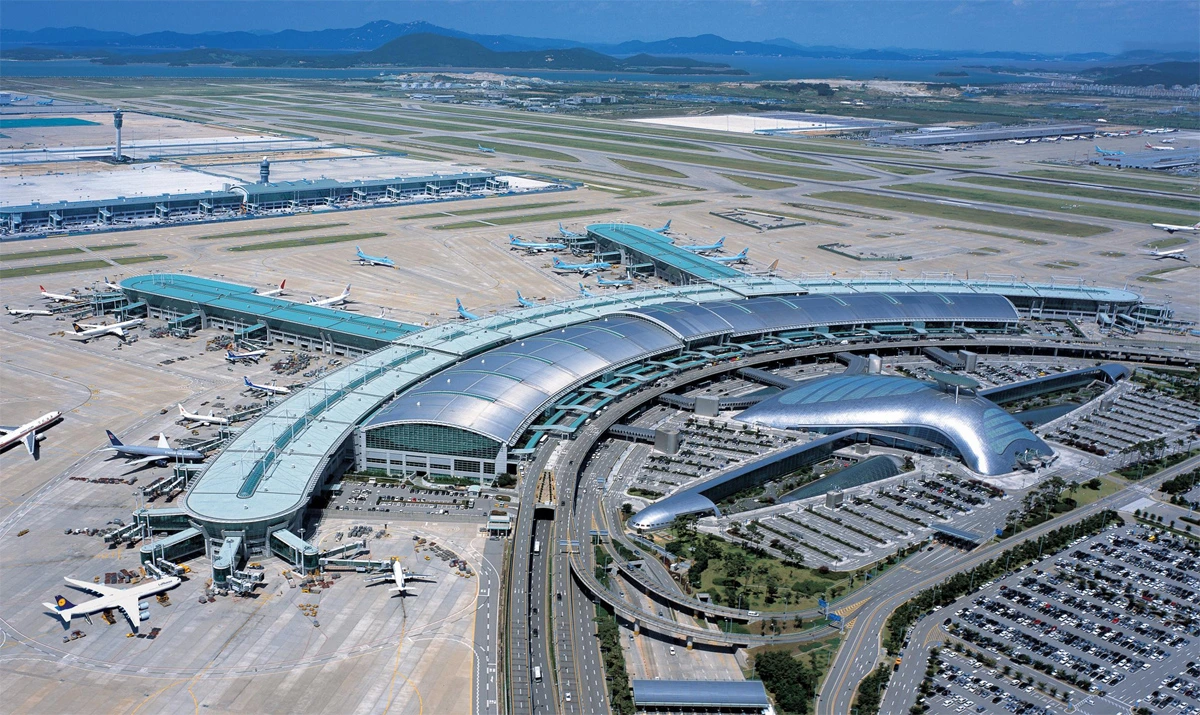
Operational Impact Risks
Incheon Airport’s president warned that manually searching 100 percent of passenger baggage would severely disrupt airport operations. He stated that enforcing such a policy would overwhelm security checkpoints and cause extensive delays for departing travelers.
Given ICN’s role as a major transfer hub, any slowdown at security screening could cascade across airline schedules.
Long queues, missed connections, and flight delays would likely follow, affecting both passengers and airlines operating long-haul routes.
Aviation security experts also note that international regulations rely on risk-based screening rather than universal manual searches. Introducing blanket inspections would contradict global best practices and significantly increase staffing and infrastructure demands.
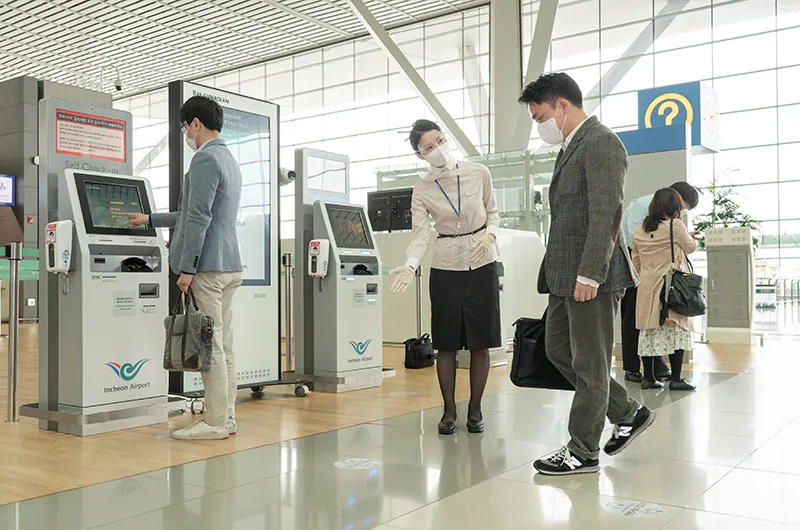
Political And Aviation Fallout
The disagreement quickly escalated into a public exchange, with the president criticizing the airport chief for questioning the feasibility of the order. The airport president later clarified that his comments reflected operational realities rather than political opposition.
He also noted that highlighting the alleged smuggling method could unintentionally publicize vulnerabilities rather than address them. Customs agencies already have mechanisms to detect illegal currency movements during outbound inspections.
The episode has fueled speculation that the dispute reflects broader political tensions rather than a targeted aviation security reform. For the aviation industry, however, the focus remains on avoiding policy decisions that could impair airport efficiency.
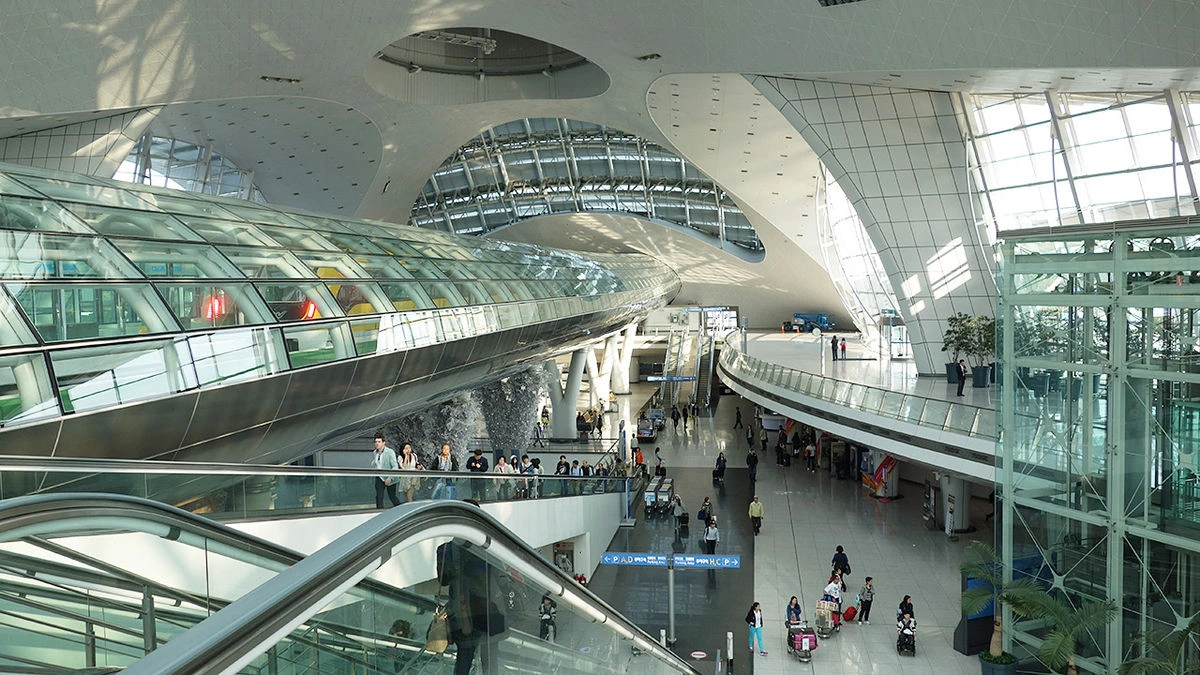
Bottom Line
The Incheon Airport controversy underscores the delicate balance between security oversight and operational practicality. While concerns about illegal cash movement are legitimate, enforcing manual checks on every bag at a major hub like ICN would be unworkable.
For now, the dispute remains unresolved, but industry observers expect existing security and customs frameworks to prevail.
Any drastic change to baggage screening procedures would likely face strong resistance from airport operators and airlines alike.
Stay tuned with us. Further, follow us on social media for the latest updates.
Join us on Telegram Group for the Latest Aviation Updates. Subsequently, follow us on Google News
