

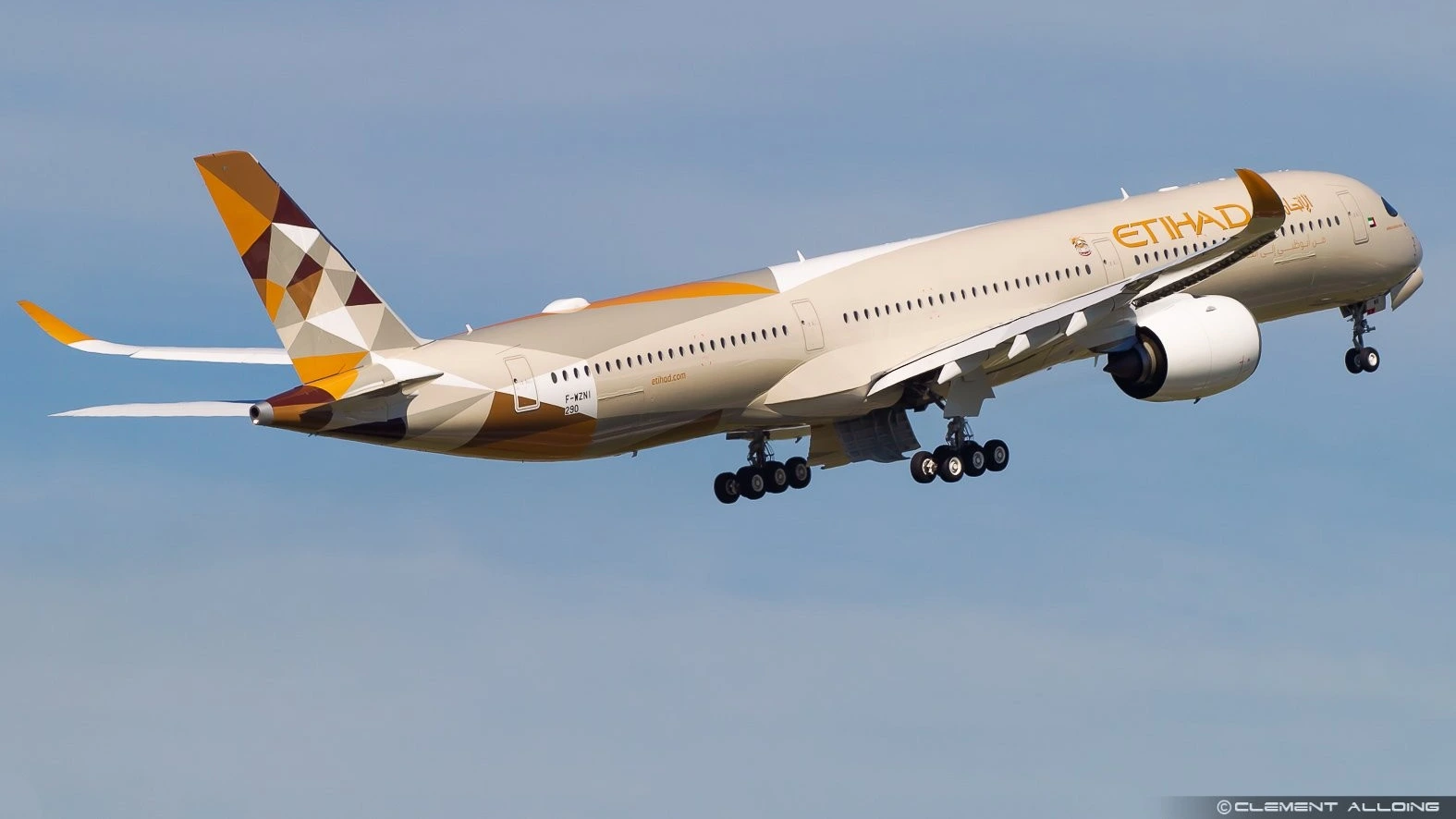
SYDNEY- The major Australian city, Sydney, will see Etihad Airways (EY) all-Airbus A350 operation earlier than planned, marking a strategic shift on one of the airline’s most important long-haul routes. The move affects services between Sydney Airport (SYD) and Abu Dhabi (AUH).
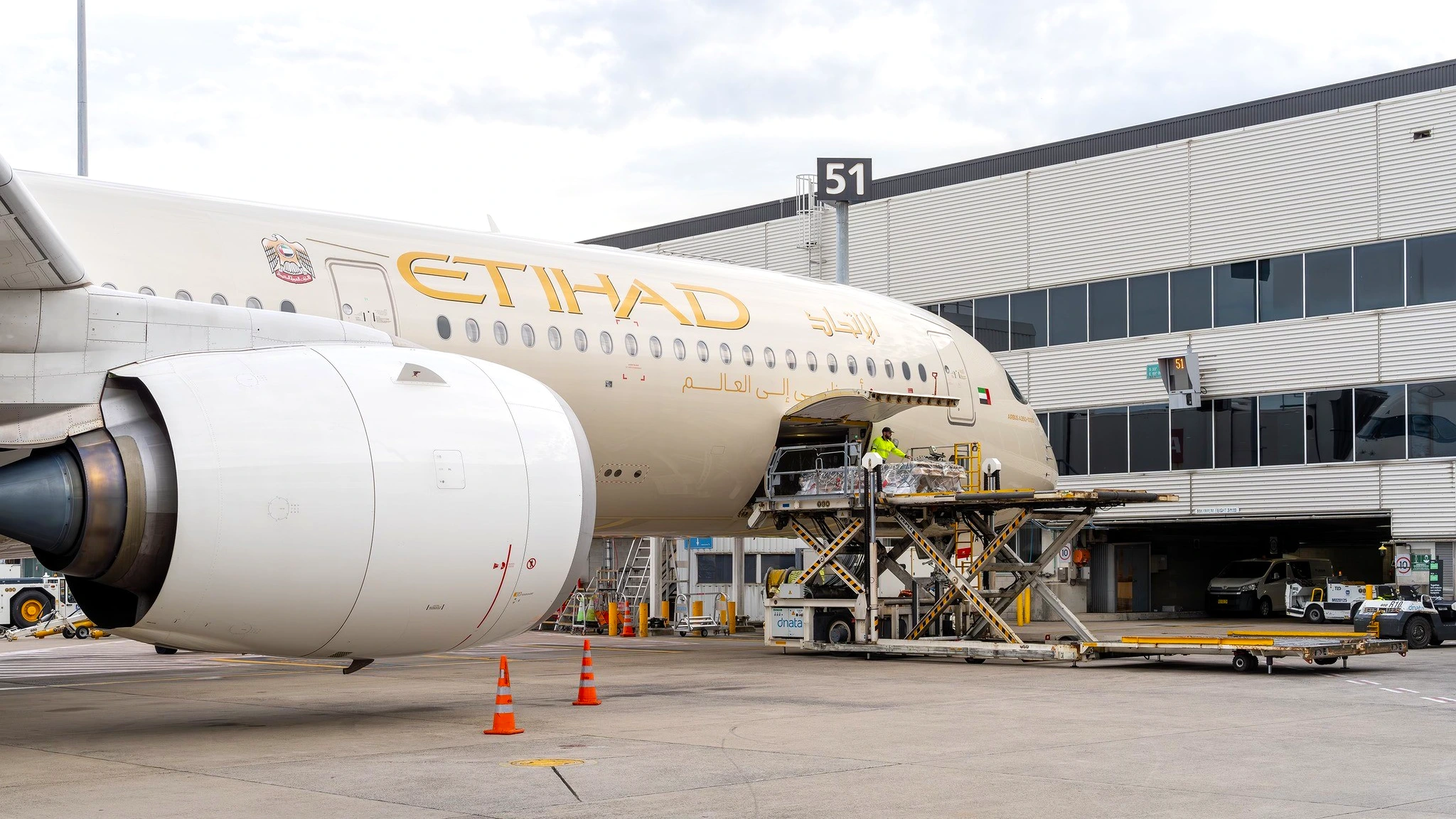
Etihad has completed the transition nearly two months ahead of its original schedule, replacing a mixed fleet of Boeing widebodies with the Airbus A350-1000. The airline cited sustained passenger demand and positive market response as the key drivers behind the accelerated change.
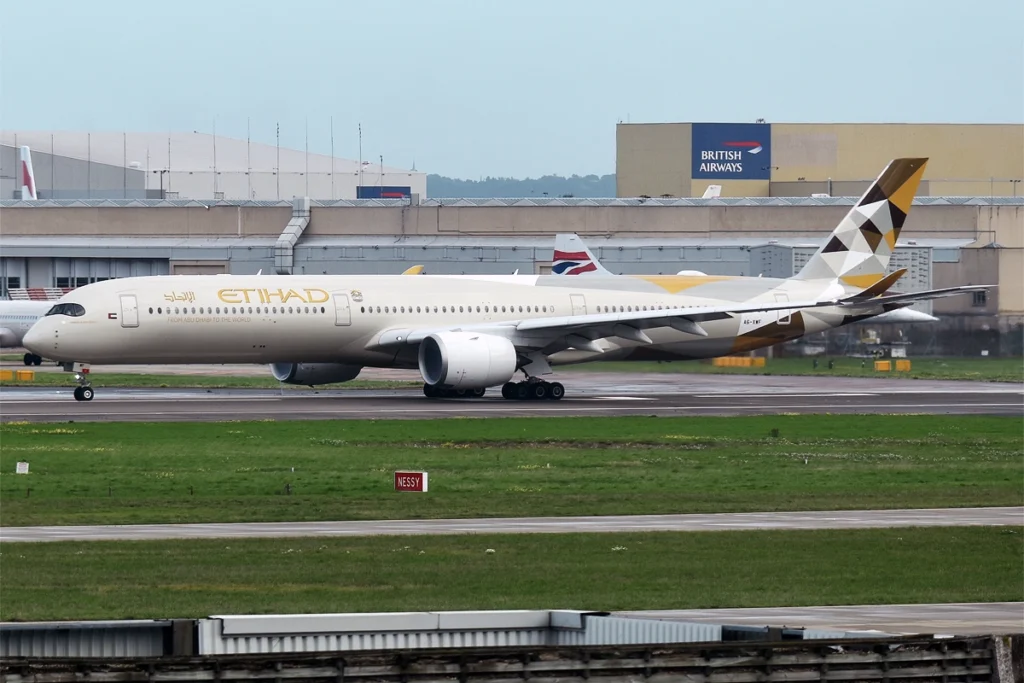
Etihad All-A350 Flights to Sydney
The Sydney–Abu Dhabi route was initially scheduled to move exclusively to the A350-1000 at the end of January, following the aircraft’s introduction in October.
Etihad instead advanced the change, withdrawing both the Boeing 787-9 and Boeing 777-300ER from the route earlier than expected.
This shift marks the complete exit of the 777-300ER from Etihad’s Australian operations. Both Sydney and Melbourne now receive the airline’s latest long-haul product across all cabins, ensuring fleet and service consistency in the region.
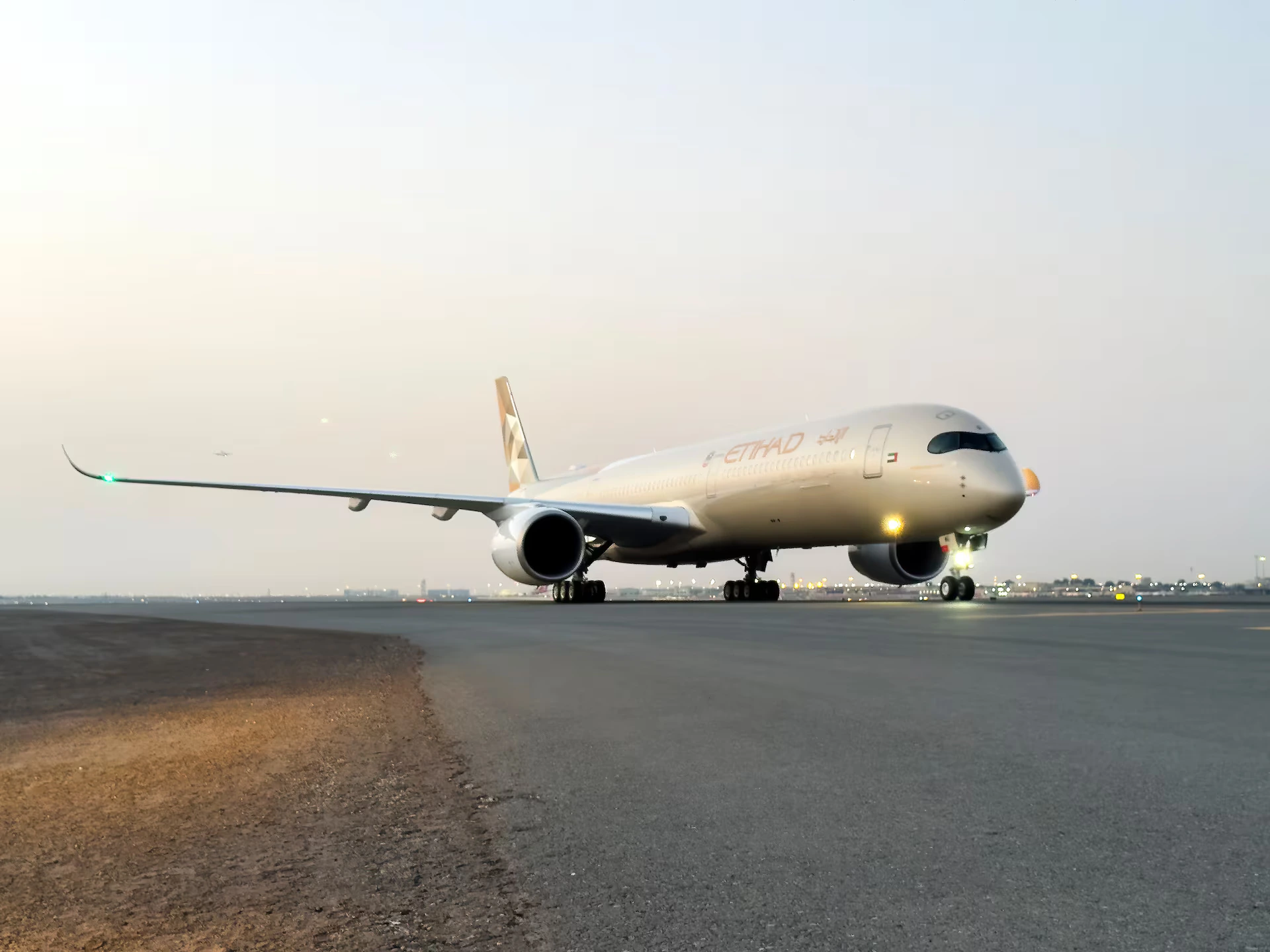
The A350-1000 offers a total of 371 seats, including 44 business class suites and 327 economy seats. Etihad positions the aircraft as a core part of its long-term strategy to align premium capacity with evolving passenger expectations.
Premium Demand Growth
Etihad executives have linked the early switch directly to rising demand for premium travel between Australia and the Middle East. The airline sees Sydney as a critical gateway supporting both point-to-point travel and onward connections across Europe, Africa, and the Indian subcontinent.
The A350-1000 allows Etihad to deliver higher efficiency while increasing the availability of its newest business class suites.
The aircraft’s cabin layout supports greater privacy, improved comfort, and a more uniform onboard experience compared to the previous mixed fleet.
Premium demand has become a central pillar of Etihad’s network planning, particularly on ultra-long-haul routes. Sydney remains the carrier’s longest route globally, making aircraft performance and passenger comfort key operational priorities.
Sydney Route Expansion
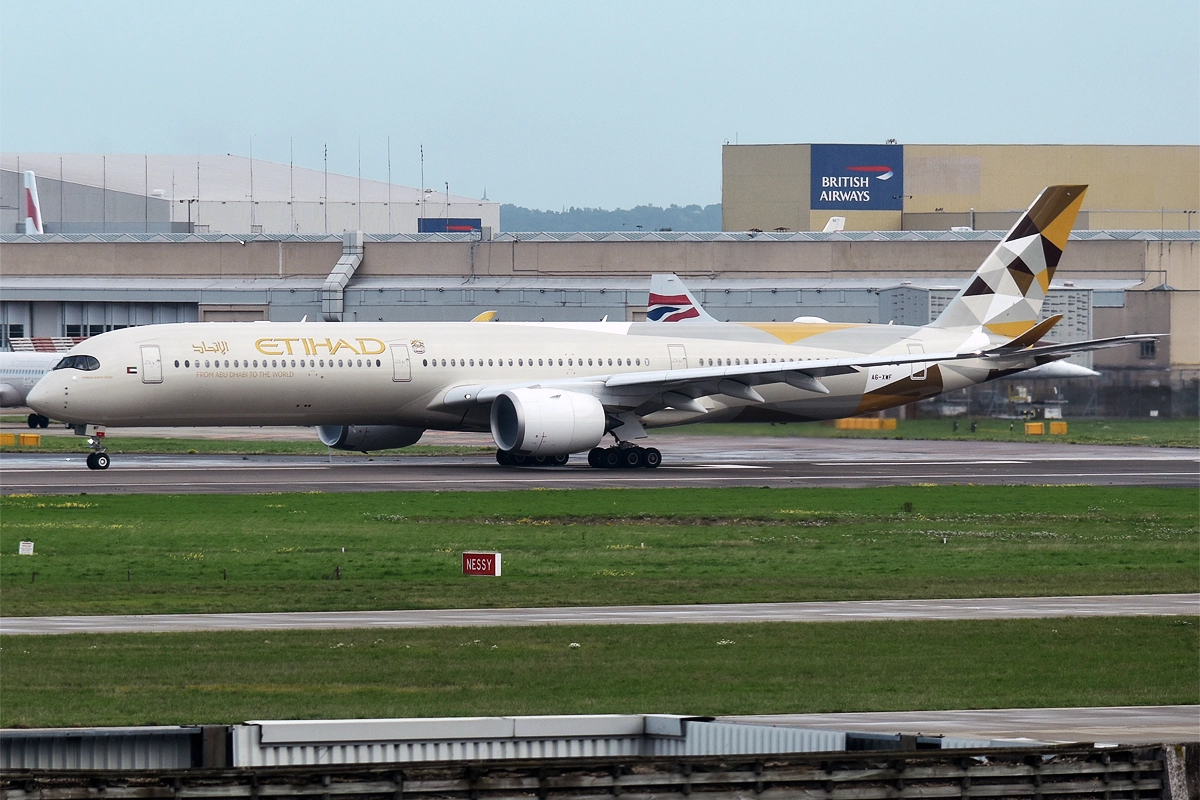
Etihad currently operates 10 weekly flights to Sydney and has already signaled plans to increase frequency to double daily services. The early A350 deployment strengthens the airline’s ability to scale capacity without compromising product standards.
Sydney Airport has welcomed the move, viewing it as a strong vote of confidence in the local market. Airport leadership has highlighted the A350’s improved sustainability profile and its role in supporting long-term growth in international traffic.
The combination of a modern aircraft and a potential frequency increase positions Etihad to compete more aggressively for high-yield traffic. It also enhances choice for passengers on a route that continues to show resilient demand.
Sydney Travel Guide
Sydney stands as Australia’s busiest and most visited city, known for its beaches, cultural landmarks, and easy access to nature. This guide outlines the essential experiences, practical tips, and key details needed to plan an informed and efficient trip.
The city blends outdoor adventure with urban attractions, giving visitors a wide range of activities from coastal walks to museum visits. Every section below is structured to help travelers navigate Sydney with clarity.
A Complete Look at Sydney’s Top Experiences
Sydney offers a mix of coastal scenery, historic districts, and world-famous attractions. Its beaches stretch across the northern and southern shores, each offering a distinct setting. Manly, Bondi, Palm, Coogee, Bronte, and Dee Why remain the most visited, and all are easy to reach by ferry, bus, or train. Weekdays are the best time to enjoy them since weekends draw larger crowds.
Beyond the beaches, the Blue Mountains introduce a dramatic sandstone landscape shaped over millions of years. The region is free to access and reachable by train in about two hours. Visitors often target the Three Sisters lookout and trails such as the Grand Canyon Track, Katoomba Falls, or the multi-day Six Foot Track.
Sydney is also a major center for surf lessons. Bondi is the most well-known beach, though Manly offers better waves for beginners. Equipment rentals are widely available, and group lessons are easy to find.
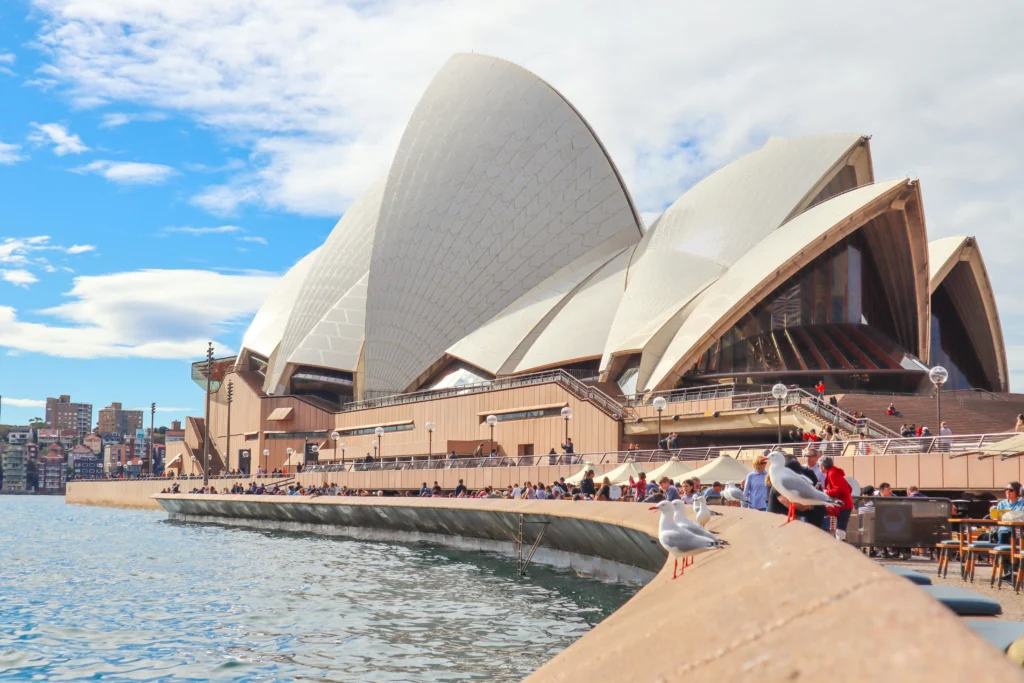
The Sydney Opera House and Harbour Bridge remain the city’s defining architectural landmarks. The Opera House opened in 1973 and continues to host a heavy schedule of performances. One-hour guided tours explain the engineering behind its shell structure. The Harbour Bridge, completed in 1932, stands as one of the tallest and longest steel arch bridges in the world. Walking it is free, though guided bridge climbs are a premium activity.
Historic Sites and Cultural Highlights
The Rocks is the oldest part of Sydney and features narrow streets, colonial-era buildings, sandstone structures, pubs, and weekend markets. Preservation efforts in the 1970s protected the neighborhood from demolition. Its hilltop viewpoints and harbor promenades remain popular.
The Royal Botanic Gardens offers extensive plant collections, water views, and free guided tours. Ferries to Manly deliver some of the best harbor views and offer access to lively nightlife and a wide beach.
Town Hall, built over two decades starting in 1869, shows Victorian design influenced by Paris. Visitors can take a self-guided tour using QR codes around the site.
Sydney’s museums include several free public institutions. Hyde Park Barracks stands out for its interpretation of the city’s convict history. Other recommended stops include the Art Gallery of New South Wales, the Museum of Contemporary Art, the Australian National Maritime Museum, the White Rabbit Gallery, and the Museum of Sydney.
Day Trips, Natural Spaces, and Local Markets
The Hunter Valley wine region sits north of the city and is known for reds and countryside stays. Day tours operate regularly, though overnight visits provide a more complete experience. Coastal walks such as Coogee to Bondi, Watsons Bay, and Split to Manly offer ocean views and bushland scenery.
Cultural festivals run year-round. King’s Cross remains a late-night district known for bars and clubs, while neighborhoods such as Manly and the CBD lean toward local crowds. Sydney also hosts a large selection of markets, ranging from Paddington Markets to the Fish Market, Bondi Farmers Market, Glebe Market, and others.
Taronga Zoo houses over 4,000 animals and operates conservation programs. Paddington Reservoir Gardens offers a restored below-ground public garden built into a 19th-century structure.
Safety Overview
Sydney reports low crime rates and is generally safe for solo travelers. Visitors should protect valuables, use sunscreen, and pay attention to beach safety flags. Wildlife precautions apply when traveling beyond the city. The emergency number is 000.
Accommodation Options
The city offers hostels, budget hotels, midrange stays, luxury hotels, and Airbnb options. Hostels like YHA Sydney Harbour, Big Hostel, and Mad Monkey on Broadway rank highly. Prices vary widely depending on season and neighborhood.
Typical Costs and Suggested Budgets
Sydney is one of Australia’s most expensive cities, and costs reflect that.
Accommodation ranges:
Hostel dorms 30 to 70 AUD
Private hostel rooms 90 to 225 AUD
Budget hotels 135 to 200 AUD
Luxury hotels 300 AUD and above
Food ranges:
Pre-made sandwiches 12 to 15 AUD
Casual meals 25 to 55 AUD
Beer or wine 12 to 15 AUD
Suggested daily budgets:
Backpacker 120 AUD
Midrange 250 AUD
Upscale 500 AUD or more

Practical Money-Saving Tips
Travelers can reduce costs by using a reusable water bottle, attending free events, redeeming hotel points, Couchsurfing, or working at hostels. The Opal card lowers transportation fares and offers daily and weekly caps. Free walking tours and free museums also help stretch budgets. Cooking meals and buying produce at markets lowers food expenses.
Transport and Moving Around
Sydney’s buses, trains, light rail, ferries, and rideshare services cover the city efficiently. An Opal card is needed for most public transport. Ferries connect major points such as Circular Quay, Manly, and Taronga Zoo. Bike rentals and car rentals are available, though cars are mainly useful for day trips.
Best Time to Visit
The shoulder seasons of September to November and March to May offer mild weather and fewer crowds. December to February is peak season with high prices, warm temperatures, and frequent events. Winter brings the lowest prices and driest conditions, though nights can be cool.
Bottom Line
Etihad’s early transition to an all-A350 operation in Sydney reflects a clear focus on premium growth, fleet efficiency, and market confidence.
The move strengthens its Australian presence while setting the foundation for higher capacity and a more consistent passenger experience.
Stay tuned with us. Further, follow us on social media for the latest updates.
Join us on Telegram Group for the Latest Aviation Updates. Subsequently, follow us on Google News
