

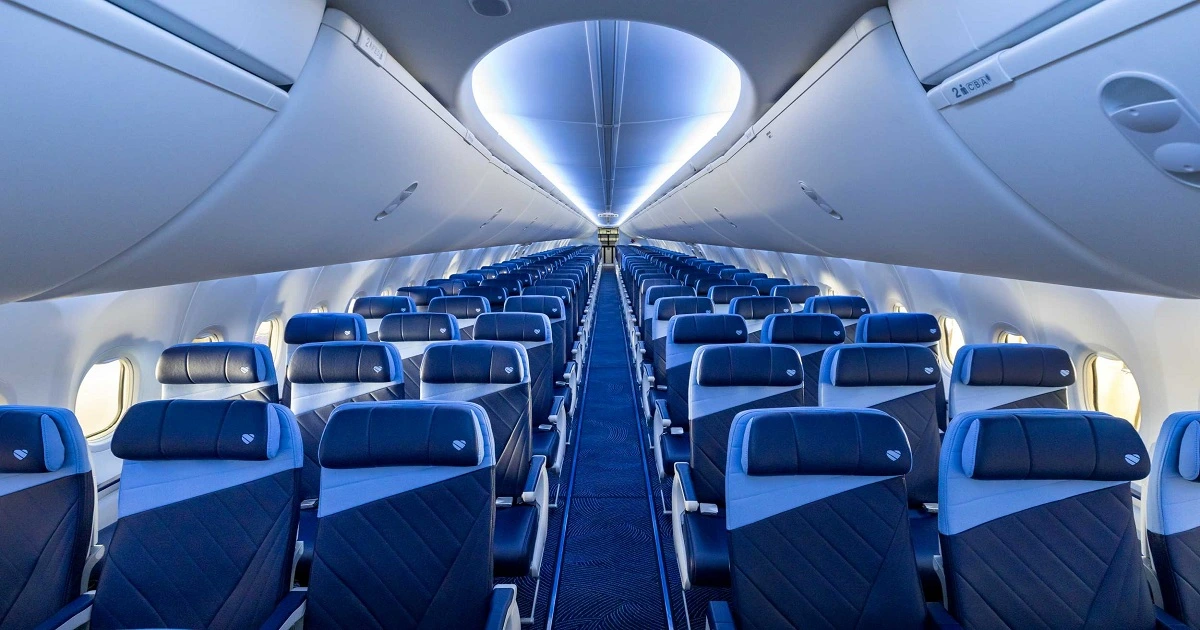
DALLAS- Southwest Airlines (WN) offers a rare seat with effectively unlimited legroom, and many travelers departing from airports such as Dallas Love Field (DAL) miss it despite its exceptional comfort.
This seat’s design originates from regulatory requirements rather than airline preference, and the configuration exists only on specific aircraft.
Passengers flying on the Boeing 737-800 or 737 MAX 8 can target this “infinite legroom” position even without an early boarding number.
The space appears unusually large because it is part of the protected evacuation zone behind an overwing exit.
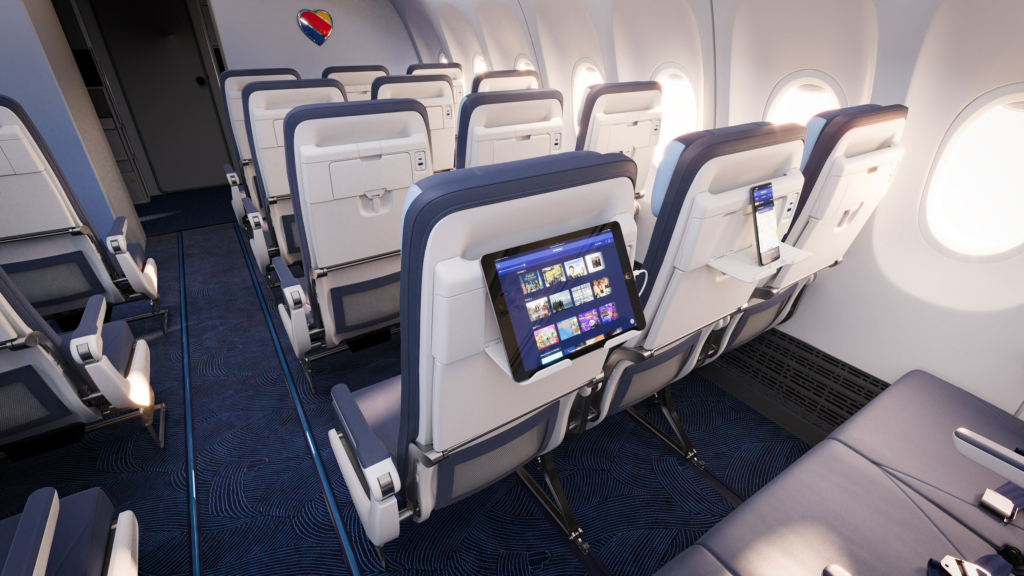
Southwest Unlimited Legroom Seats
Founder of Flexport, Ryan Petersen, publicly questioned why this single seat differs so dramatically from the rest of the cabin.
Southwest actually has 2 such seats: 16A and 16F on the Boeing 737-800 and 737 MAX 8. These seats do not exist on the 737-700, which uses a different exit-row configuration.
The overwing exits appear in Row 15, and FAA rule 14 CFR 25.813(c) requires a clear 20-inch egress path from the aisle to the exit, plus an “unobstructed space” around the opening.
No seatback or structure may intrude on the projected opening of the exit. A standard seat at 15A or 15F would block this path or interfere with exit door operation and evacuation staging on top of the wing.
To meet certification requirements, Southwest removes only the window seats in Row 15. The seats at 15B, 15C, 15D, and 15E remain, but 15A and 15F are deleted.
A full row is then installed directly behind them, leaving 16A and 16F with clear, open space—what passengers describe as infinite legroom.
Reported by View from the Wing, the arrangement results from engineering and safety design rather than comfort enhancement.
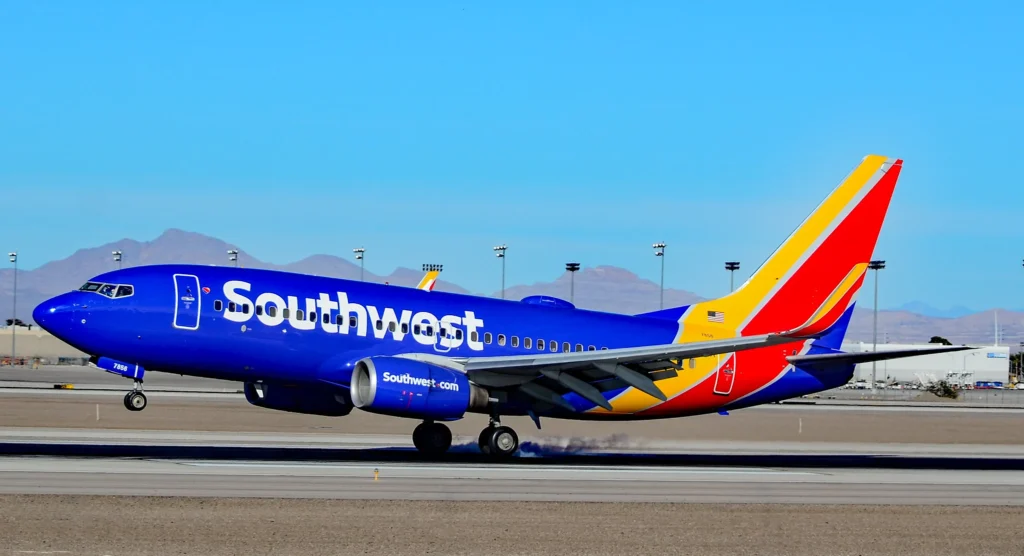
Why Southwest Loses Nothing by Removing These Seats
Southwest limits its 737-800 and MAX 8 fleets to 175 seats, a cap driven by the pilot union contract. Exceeding that number triggers a pay-rate reopening, making any additional seats economically impractical.
If Southwest installed seats at 15A or 15F, it would need to remove seats elsewhere to remain below the 175-seat limit.
Historically, Southwest’s fixed seat cap allowed the airline to offer more generous pitch than competitors, since adding extra space did not reduce the total number of seats.
Although pitch has changed in recent years, the absence of Row 15 window seats still carries no revenue penalty.
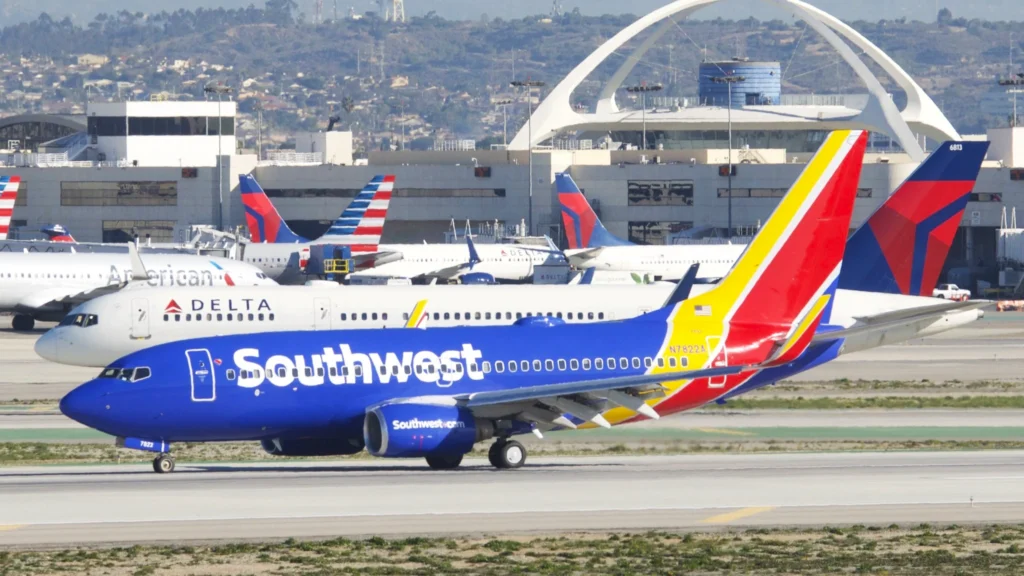
Other Airlines With Identical Seat Configurations
Southwest is not the only airline benefiting from this regulatory quirk. American Airlines (AA) operates similar “infinite legroom” seats on aircraft with dual overwing exits.
Delta Air Lines (DL) provides the same open-space design on the 737-900ER, where 21A and 21F sit behind a pair of overwing exits that require clear access. The seat-forward deletion on these carriers serves the same purpose—maintaining the mandatory evacuation corridor.
A passenger once joked that the missing seat had been sucked out of the exit during a prior flight, but the reality is strictly regulatory. The space is reserved for safe exit operation, not redesign mishaps.
How Frequent Flyers Secure These Seats
Elite travelers often secure these seats through loyalty programs. One frequent flyer uses Air France KLM Flying Blue Gold, obtained from Bilt Platinum, to access Delta exit-row seats without Comfort+ fees.
On Southwest, passengers holding A-List status, sometimes earned through the Chase Southwest Rapid Rewards Priority or Reserve Card $75,000 annual spend threshold, typically board early enough to claim the spot.
However, with Southwest transitioning to assigned seating starting in late January, most travelers will need to select and purchase these seats during booking rather than rely on boarding position.
Stay tuned with us. Further, follow us on social media for the latest updates.
Join us on Telegram Group for the Latest Aviation Updates. Subsequently, follow us on Google News
