


VANTAA- Finnair (AY) faced scrutiny after a family reported that their child went hungry on the long-haul return sector between Helsinki (HEL) and Dubai (DXB).
The issue centered on strict catering cutoffs, limited meal service, and expectations on Finnair flights lasting seven to eight hours.
The case involved travel influencer Maria Beydoun, known as “travel.with.juniors,” who regularly shares family travel insights with more than 107,000 followers.
Her experience highlighted how in-flight food availability can become a problem even for seasoned travelers.
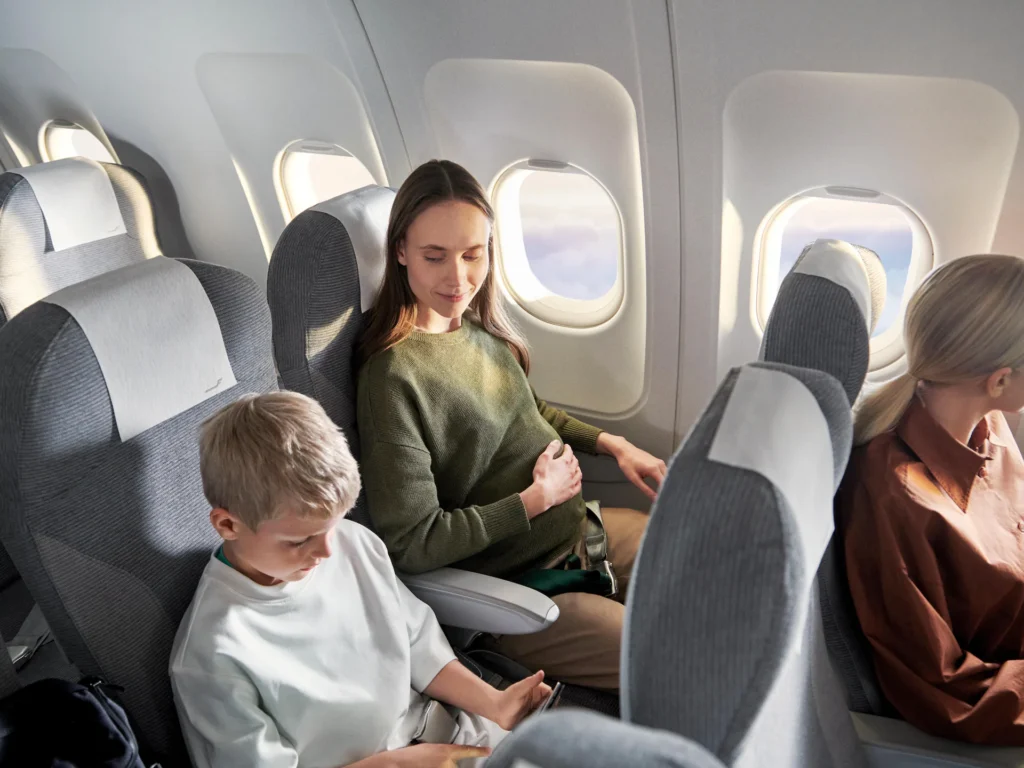
Finnair Meal Service on Helsinki-Dubai Route
Maria and her family, who live in Dubai, traveled to Lapland using Finnair, the only airline operating nonstop flights between Dubai (DXB) and Finland. Their outbound journey was smooth, but the return flight brought an unexpected challenge.
According to PYOK, Finnair provides only one complimentary meal in Economy Class on the Helsinki–Dubai route.
No free snacks are offered, and alcohol is not served complimentary. All additional items must be purchased from the buy on board menu.
The issue occurred when the complimentary meal was served immediately after takeoff. Nearly 6 hours later, 40 minutes before landing, Maria’s young son woke from a nap feeling hungry after a long day of travel.
When she attempted to buy a snack, the crew informed her that the service had already closed during landing preparations.
She was told that nothing could be provided, not even bread or a muffin, despite the seatbelt sign being off.
Finnair later confirmed through Instagram that the crew followed protocol, explaining that the onboard shop closes about 45 minutes before arrival. This prevents further distribution of food during final cabin checks and landing procedures.
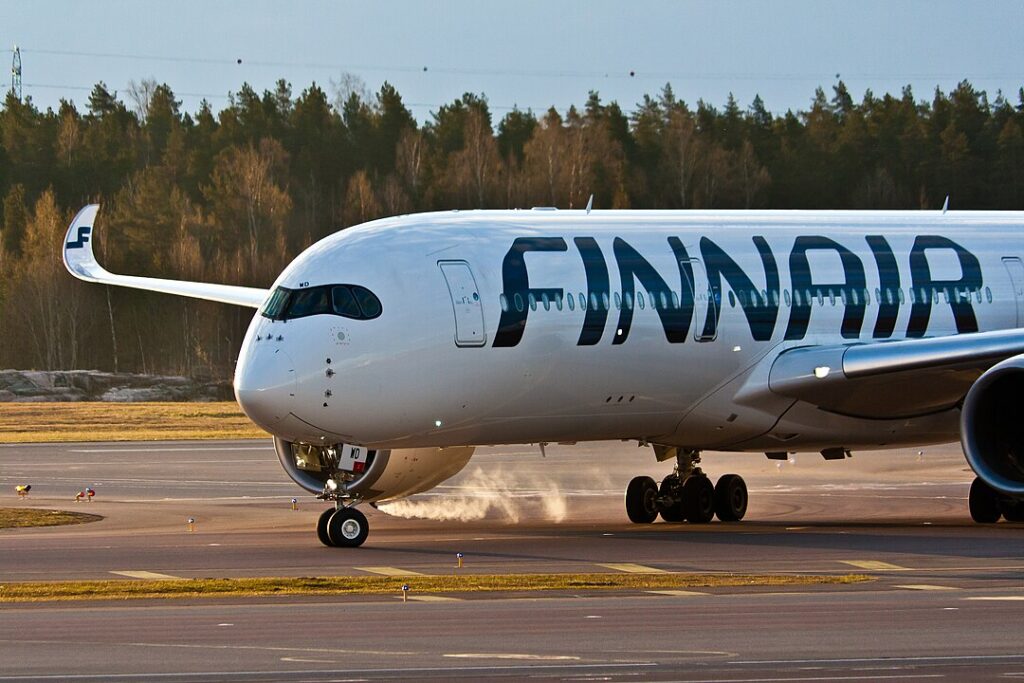
Why These Situations Occurs?
Airlines vary widely in how they classify and cater long routes. Some treat seven-hour sectors as medium-haul operations and limit complimentary meal rounds.
Hybrid models may include buy on-board programs while still branding themselves as full service.
These differences can create expectation gaps, especially for families accustomed to more generous long-haul catering.
The original incident also reflects broader operational realities. Even well regarded airlines may be unable to provide food at certain times due to turbulence, crew rest requirements, or equipment issues such as faulty chillers.
These factors can disrupt service availability independently of policy.
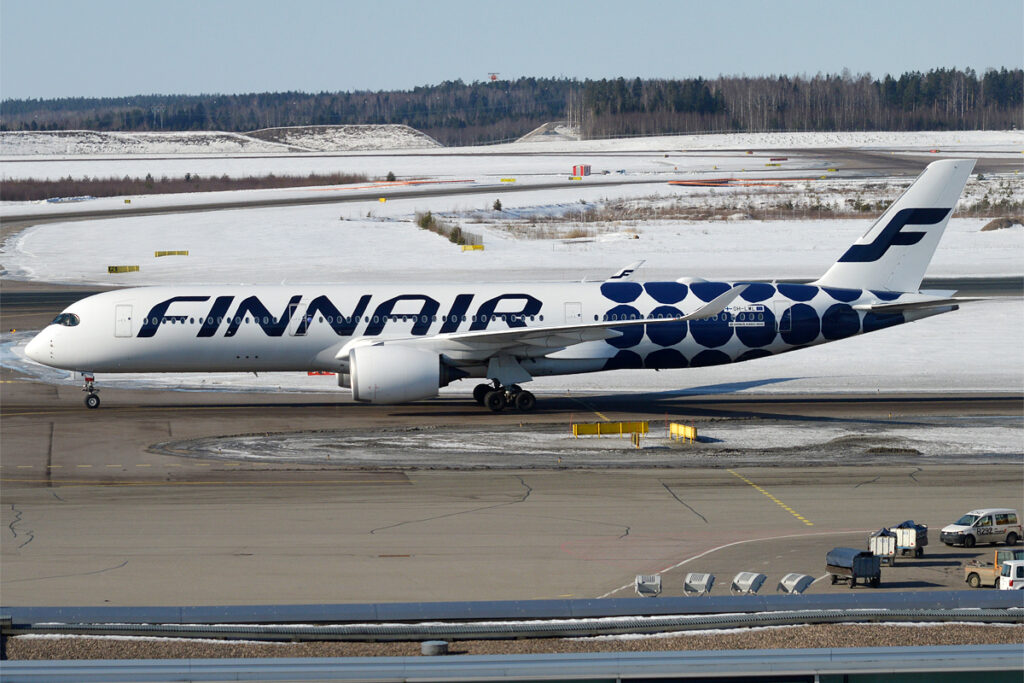
Preparation When Traveling With Children
Maria acknowledged that she normally packs snacks for her children. However, she was unable to restock during the return trip, leaving her without backup options. This is a common scenario for families navigating multi-segment travel days.
Travel guidance consistently recommends packing ambient, sealed snacks that comply with airport security rules.
Parents should anticipate gaps in inflight service, closures of buy-on-board shops, or periods when cabin crew cannot access food carts.
Although airport concessions may be overpriced, purchasing before boarding often ensures reliable access.
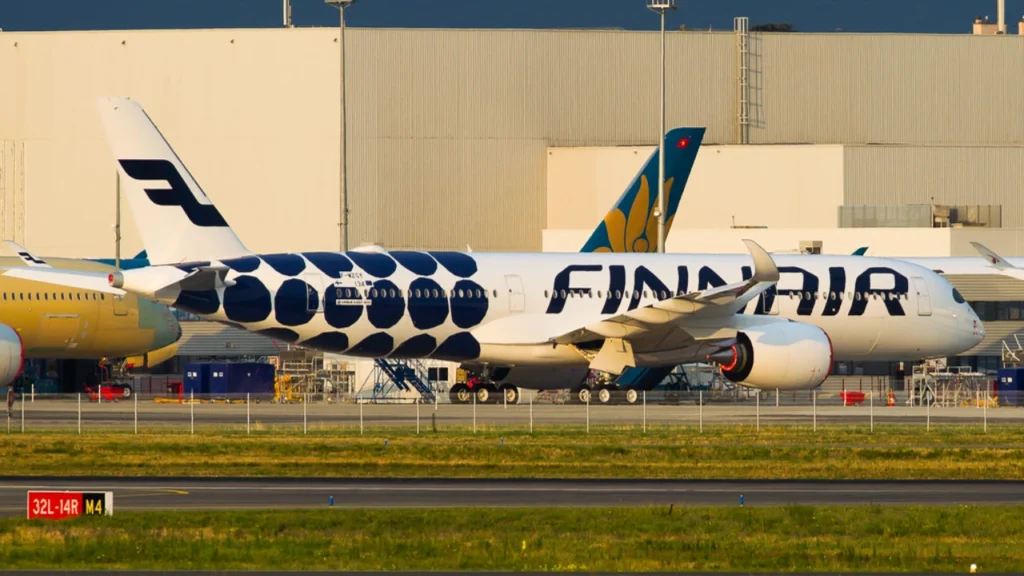
Rising Relevance
The expansion of low-cost and hybrid long-haul carriers reinforces the importance of personal preparedness.
Travelers should not assume that long flights guarantee multiple meals or flexible service.
Understanding the specific policies of each airline helps prevent misunderstandings and avoids last-minute stress, especially for families with young children.
Stay tuned with us. Further, follow us on social media for the latest updates.
Join us on Telegram Group for the Latest Aviation Updates. Subsequently, follow us on Google News
