

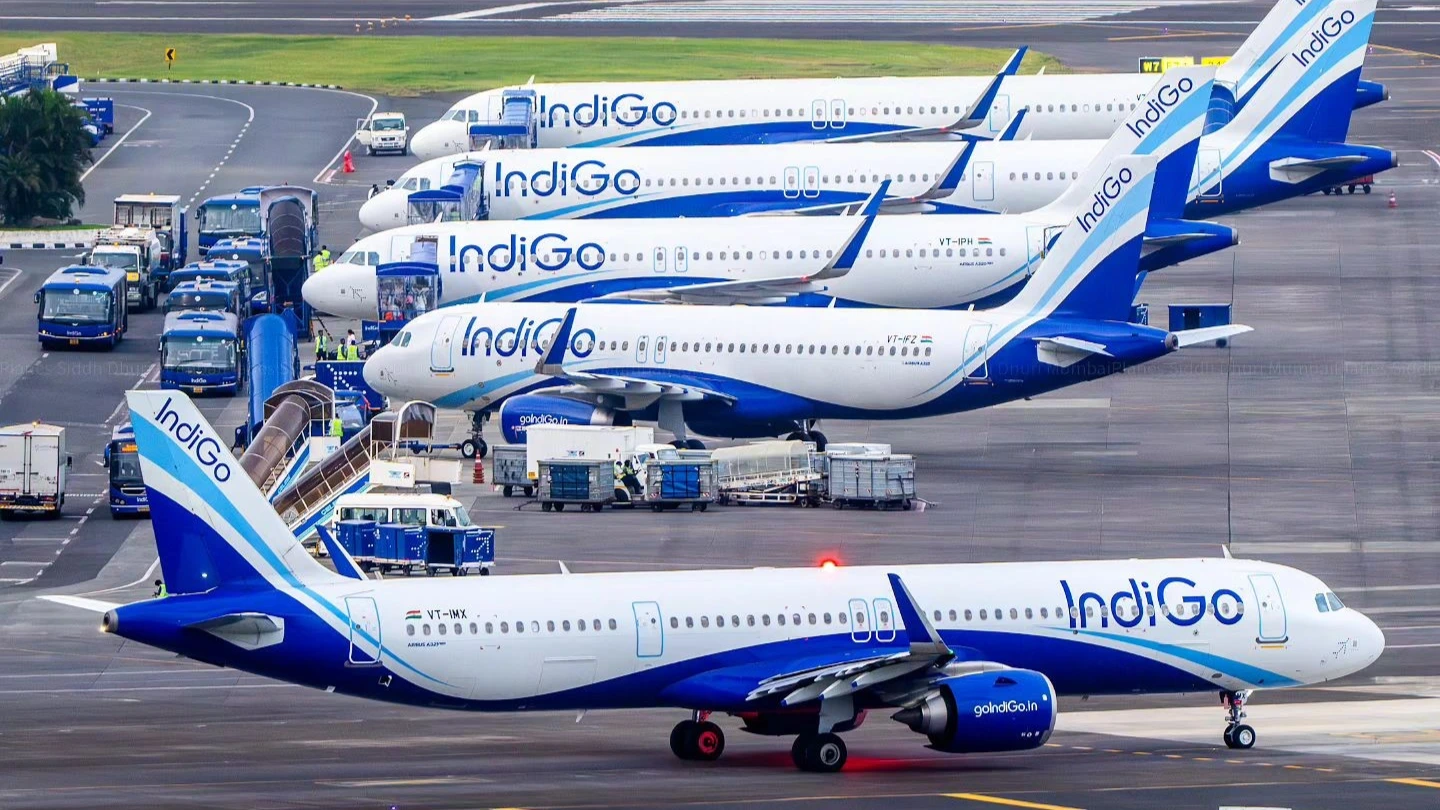
DELHI— IndiGo (6E) has told the Directorate General of Civil Aviation (DGCA) that it cancelled 1,232 flights in November 2025, citing a combination of crew-related and operational factors. The airline confirmed that 755 of these cancellations resulted from crew shortage linked to Flight Duty Time Limitations.
The situation intensified as major airports, including Delhi (DEL), Bengaluru (BLR), and Mumbai (BOM), reported widespread disruptions. IndiGo acknowledged additional operational challenges, including 258 cancellations stemming from airspace restrictions and 92 flights affected by an ATC system failure.
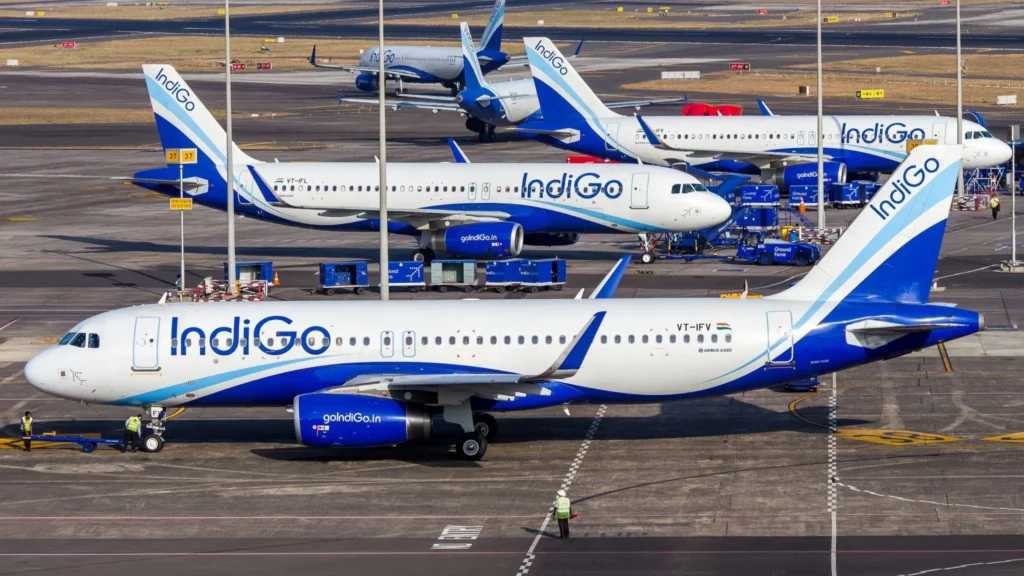
IndiGo Flight Cancellations in November
IndiGo faced a surge in cancellations across multiple hubs, leading to significant passenger inconvenience. Between Tuesday midnight and Wednesday evening alone, at least 38 flights were cancelled from Delhi (DEL) due to technical and operational issues.
More than 70 flights were grounded nationwide as crew shortages and airport-level bottlenecks compounded delays.
In Bengaluru (BLR), 42 flights were cancelled primarily due to crew unavailability, while 32 services from Mumbai (BOM) also faced disruptions.
The airline fielded numerous complaints on social media as passengers reported long delays, last-minute schedule changes, and limited rebooking options.
DGCA Investigation
The DGCA initiated an investigation after reports of widespread disruptions surfaced on Wednesday. It instructed IndiGo to provide a detailed explanation of the circumstances that led to the spike in cancellations, along with its plan to stabilise operations.
The regulator said it is evaluating potential measures with the airline to reduce delays and minimise passenger impact.
According to early findings, IndiGo has begun strengthening its crew planning and rostering processes to remain fully compliant with FDTL norms.
The airline is also enhancing coordination with ATC and airport authorities as capacity constraints continue to challenge its operational performance.
Mitigation Measures for IndiGo
IndiGo is now prioritising improved turnaround procedures and more structured disruption-management planning.
The carrier has stated that it is working toward better communication flow between its operations control team and airport stakeholders.
These steps aim to prevent recurrence of large-scale cancellations during peak travel hours.
Passengers affected by the disruptions were informed through notifications, with IndiGo issuing apologies across its digital channels.
The airline reiterated that the delays and cancellations arose from operational reasons, and said it is taking measures to restore schedule reliability.
Latest Disruption
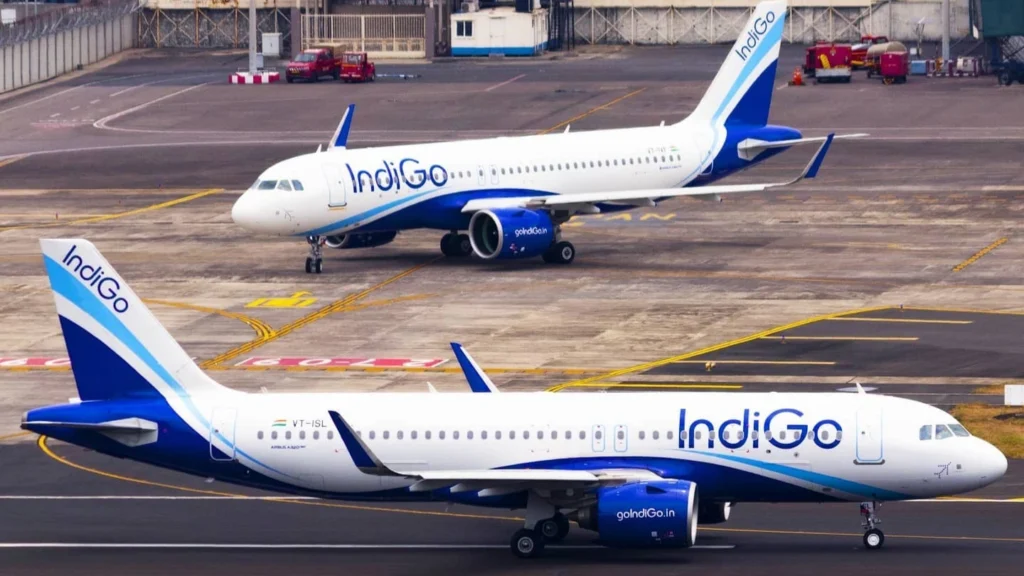
IndiGo (6E) faced another day of major disruption as more than 170 flights were cancelled across key hubs such as Bengaluru Airport (BLR), Hyderabad Airport (HYD), and Delhi Airport (DEL). The airline continued to struggle with crew shortages that affected its network-wide operations.
The latest cancellations followed a similar wave the previous day, when over 150 flights were grounded, leaving large crowds of travellers stranded at India’s busiest airports and intensifying pressure on IndiGo (6E) to stabilise schedules.
Operational Strain Behind Widespread Cancellations
IndiGo entered a second consecutive day of irregular operations as it attempted to manage a serious crew shortage that has disrupted its network.
Bengaluru Airport reported 73 cancellations on December 4, Hyderabad saw at least 68, and Delhi recorded about 30. The airline implemented short-term schedule adjustments for 48 hours to restore stability.
The previous day’s disruptions had already caused significant congestion. Delhi saw 38 cancellations, Bengaluru 42, Mumbai 33, and Hyderabad 19 on December 3.
Several other flights were delayed across the network as crew availability tightened after the rollout of updated Flight Duty Time Limitation rules.
Impact of New Pilot Duty Rules
The Directorate General of Civil Aviation introduced the second phase of FDTL norms on November 1, following a Delhi High Court directive. The rules limit the number of landings pilots can perform between midnight and 6 am and increase weekly rest requirements.
IndiGo said this shift has significantly constrained rostering flexibility and contributed to network strain during peak travel conditions.
Market Reaction and Regulatory Oversight
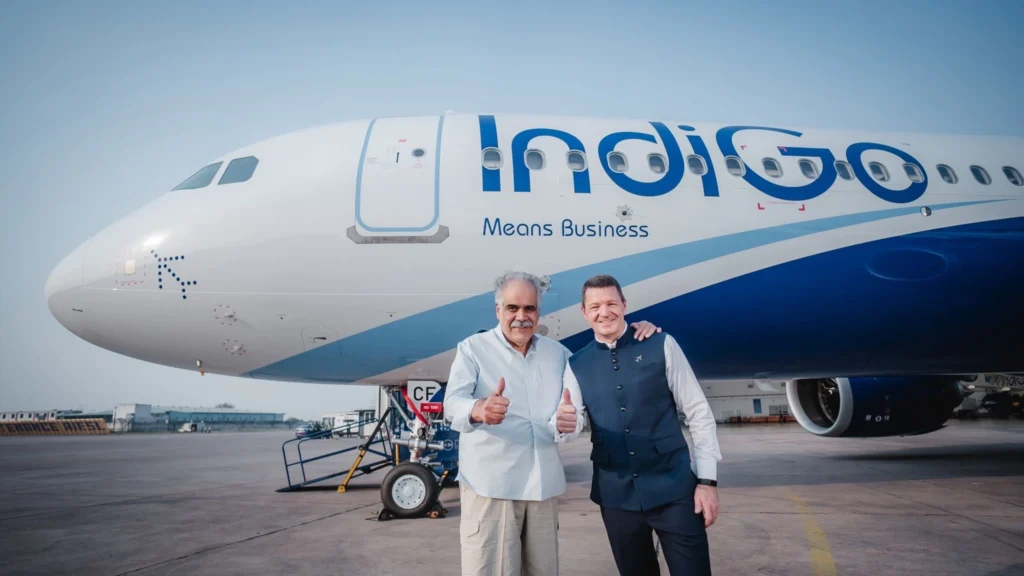
InterGlobe Aviation, the parent company of IndiGo, saw its shares fall 3.4 percent in early Thursday trade, touching a low of Rs 5,405 on the NSE. The stock has declined 6 percent over the week as operational challenges persisted.
The DGCA initiated an investigation into the disruptions and requested a detailed report outlining the reasons for the cancellations, along with recovery measures.
IndiGo stated that a combination of technology issues, winter schedule adjustments, adverse weather, air traffic congestion, and new rostering rules created a compounding impact on its operations.
Outlook for Normalisation
IndiGo maintained that it is working to stabilise schedules through calibrated adjustments. The regulatory review and internal measures are expected to help the airline restore normal operations once crew deployment is aligned with the updated FDTL requirements.
Until then, passengers may continue to experience delays and cancellations across the network.
Bottom Line
IndiGo’s November operational review highlights the scale of disruption caused by crew shortages, airspace restrictions, and ATC system failures.
With 1,232 cancellations in a single month, the airline now faces regulatory scrutiny as the DGCA probes the root causes.
IndiGo’s response—including improved rostering, stronger ATC coordination, and revised disruption-management practices—will be central to restoring passenger confidence and stabilising network performance.
Stay tuned with us. Further, follow us on social media for the latest updates.
Join us on Telegram Group for the Latest Aviation Updates. Subsequently, follow us on Google News
