

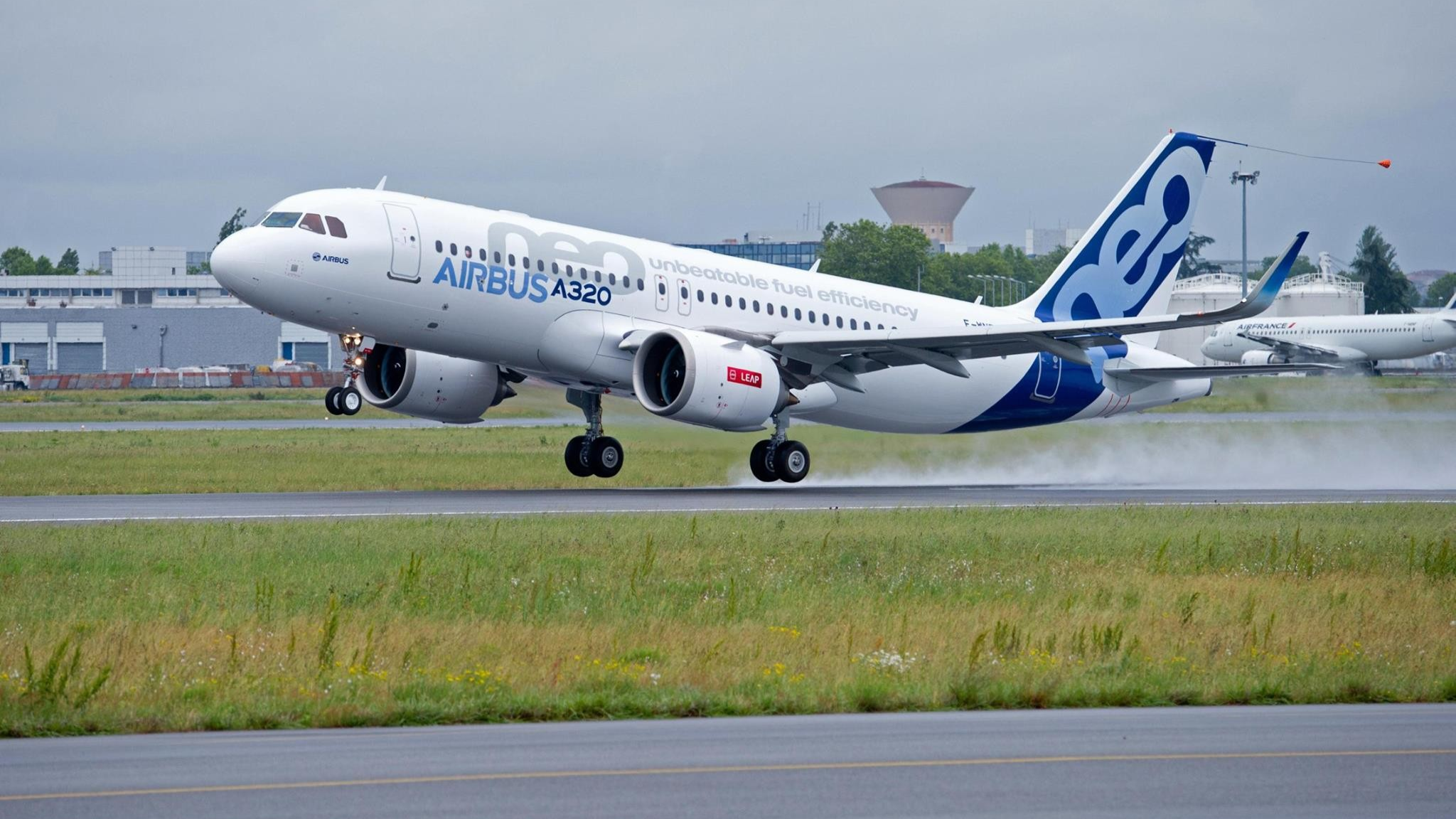
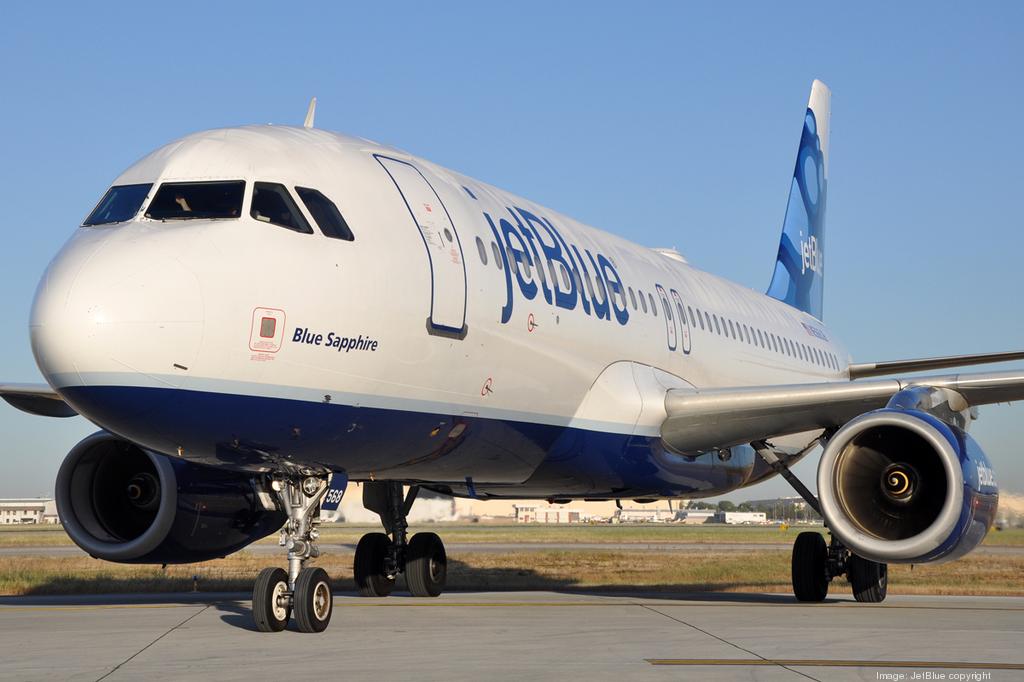
Several global operators of the Airbus A320 family are preparing for short but widespread groundings after a flight control issue was traced to a faulty aileron computer. The event was linked to a JetBlue (B6) flight from Cancun (CUN) to Newark (EWR) that diverted to Tampa (TPA) following an unexpected altitude drop.
Airbus and multiple aviation authorities have confirmed that intense solar radiation can corrupt data processed by Thales ELAC units, prompting an urgent software rollback on thousands of A320-series aircraft. The recall aims to stabilize operations while preventing further uncommanded pitch events.
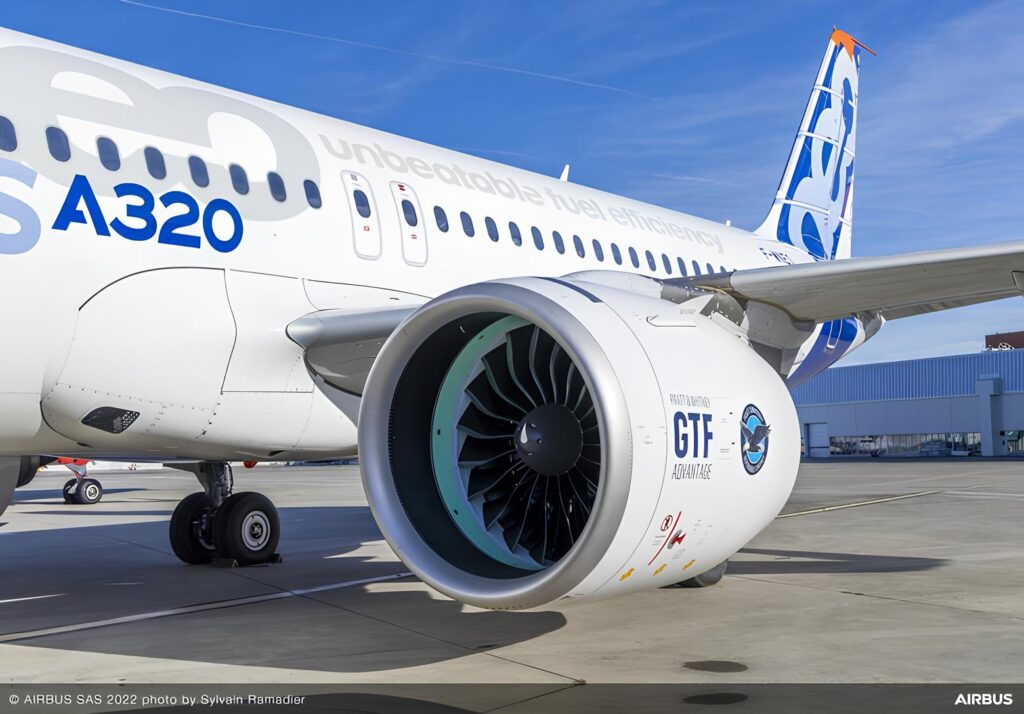
Airbus A320 Family Grounded
Investigators identified a malfunction in the Thales ELAC 2 computer as the trigger behind the JetBlue A320’s abrupt descent on October 30. The computer misinterpreted control inputs during an ELAC switch change, causing the aircraft to pitch downward without pilot command.
The National Transportation Safety Board (NTSB) noted that the redundant ELAC system failed to take over cleanly, which should never occur during standard flight operations.
Each Airbus A320 family aircraft relies on two ELAC units to process pilot inputs and manage aileron and elevator responses. These computers form part of a broader hardware and software ecosystem that includes production lines, repair facilities, and overhaul centers worldwide.
When one unit fails, the other is designed to continue seamlessly. This incident revealed a vulnerability that raised immediate safety concerns.
The Federal Aviation Administration (FAA) and European Union Aviation Safety Agency (EASA) have a long history of monitoring ELAC performance.
A 2018 FAA directive already required software upgrades to address angle of attack issues. With more than 11,300 A320 family aircraft in service, including over 6,400 A320 models, the scale of any fleet-wide action requires careful phasing to avoid major flight disruptions.
The Scope of the Recall
Airbus has ordered an immediate software change affecting about 6,000 aircraft, roughly half of all A320 family jets in operation.
Two-thirds of these aircraft will undergo a brief grounding while operators revert to a previous ELAC software version that is known to perform reliably. The remaining aircraft will need hardware replacements that could extend downtime to several weeks.
Airlines expect flight cancellations and schedule changes but anticipate the initial wave of disruption to remain manageable.
Most operators plan staggered maintenance, software reloads, and system checks to keep core schedules intact. Early assessments suggest a rapid software deployment will prevent extensive grounding similar to past large-scale fleet incidents.
This recall comes during a peak travel period in the United States, which raises concerns about short-term network strain.
Early monitoring shows that next-day schedules for affected airlines still display minimal cancellations as carriers prepare to adapt operations in real time.
What Triggered the Emergency Directive
The JetBlue incident provided the final data point that prompted Airbus to issue an Alert Operators Transmission.
The company stated that intense solar radiation can corrupt inputs critical to flight control logic. This aligns with findings that the ELAC system misinterpreted data during the Cancun to Newark flight, which resulted in a sudden uncommanded descent and injuries to several passengers.
Airbus has coordinated with global regulators to accelerate both software and hardware protections. EASA will issue an emergency airworthiness directive mandating operator compliance.
The goal is to restore predictable redundancy between the paired ELAC units and ensure that no similar uncommanded events occur while the fleet continues normal service.

What This Means for Operators and Passengers
Most airlines will face short, controlled groundings as they reload software and schedule checks. For aircraft requiring hardware modifications, carriers must plan longer maintenance downtime that spans weeks.
Production and repair capacity at Thales and global MRO facilities will influence the pace of full fleet correction.
Regulators and operators expect to prevent any long term operational decline. The fleet remains structurally sound, and the recall focuses solely on returning the ELAC system to stable performance.
Airlines are preparing contingency plans to minimize inconvenience to passengers while crew and maintenance teams complete required updates.
Stay tuned with us. Further, follow us on social media for the latest updates.
Join us on Telegram Group for the Latest Aviation Updates. Subsequently, follow us on Google News
