

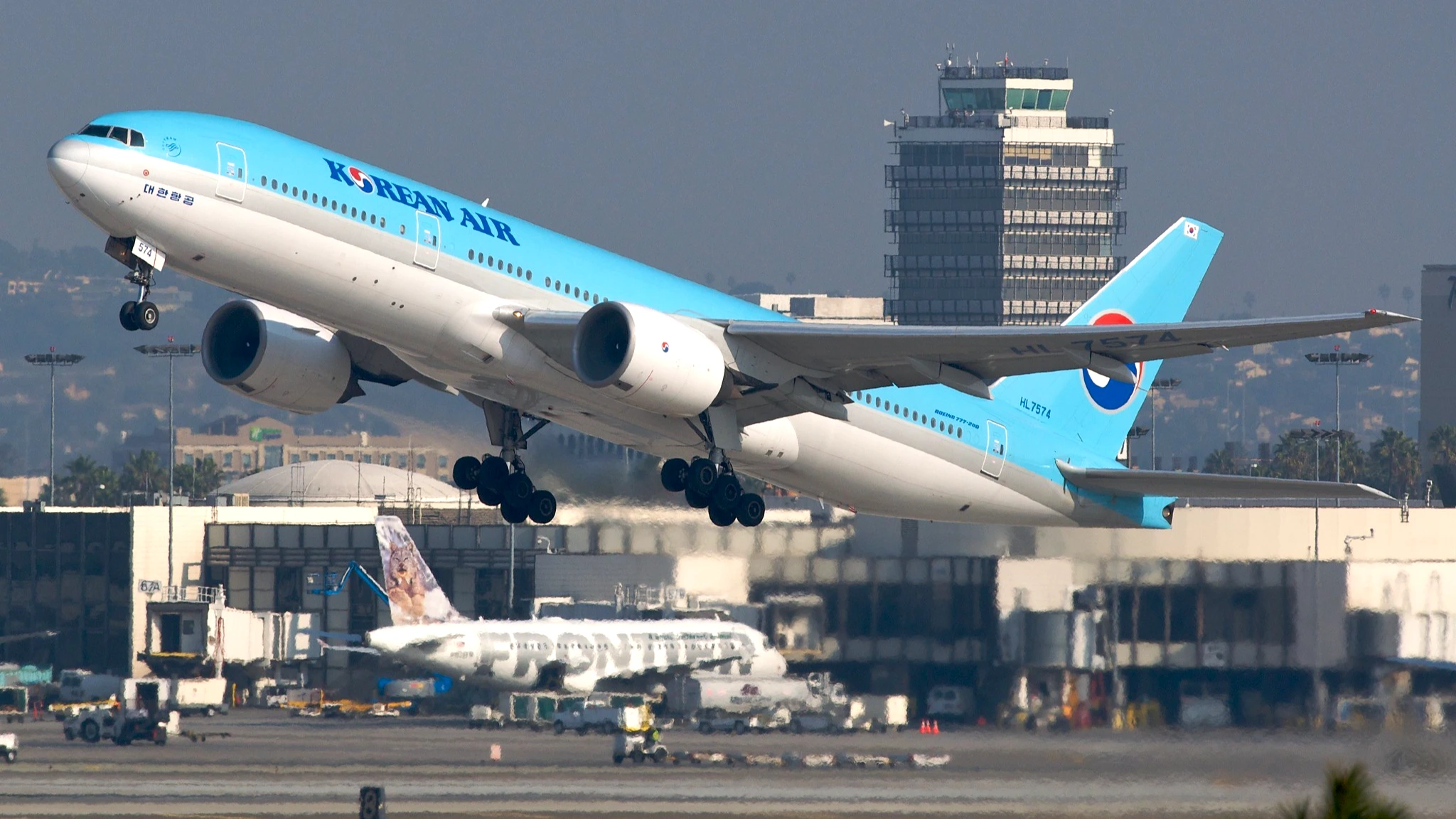
SEOUL- Korean Air (KE) is set to replace its long-used in-flight meal containers with new plant-based alternatives, marking a major sustainability upgrade. The rollout begins in December on select routes operating from Seoul (ICN) before expanding across the full network.
The airline plans to integrate the new containers made from non-wood pulp sourced from straw, sugarcane, and bamboo, aiming to cut plastic use and support global carbon reduction goals.
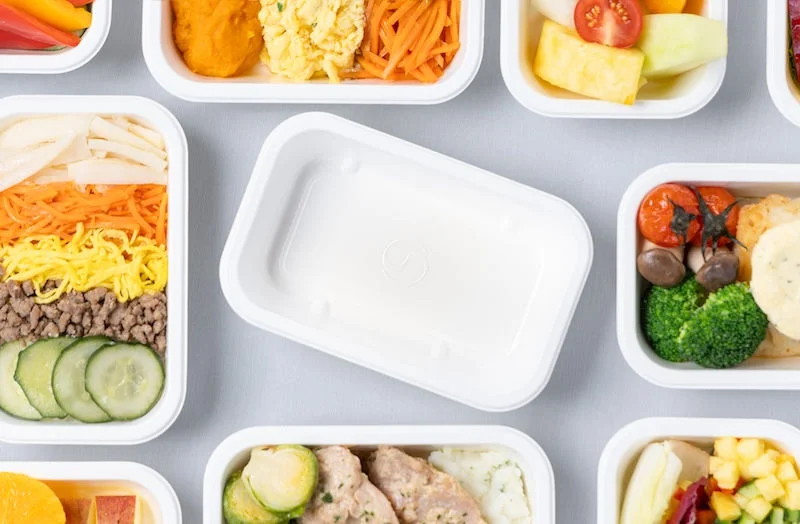
Korean Air Unveils New Meal Containers
Korean Air is phasing in new entrée containers designed to reduce environmental impact without compromising in-flight service standards.
The containers will appear first in economy class Korean and Western meals, where they replace plastic and paper products that have been standard for two decades.
These plant-based containers use pulp that avoids tree cutting and offers the strong heat resistance needed for long-duration galley heating. Korean Air states that this transition could lower emissions tied to these products by about 60 percent.
The airline views the move as a long-term investment that aligns its operations with global decarbonization efforts while improving the sustainability of meal service across its network by the end of 2026.
Material Benefits and Performance
The pulp blend maintains durability under high heat, which is critical for reheating entrées during flight operations.
This supports consistent food quality and reduces the need for plastic components that add to waste volumes.
Replacing legacy containers also improves waste handling. Plant-based materials break down more easily and require fewer resources to produce.
Sustainability Actions
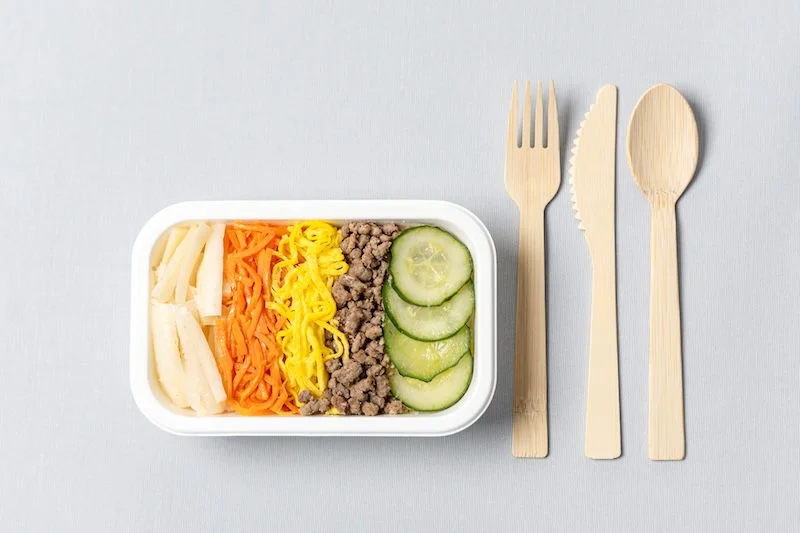
Korean Air has been expanding its environmental programs beyond catering. In 2023, the airline replaced single-use plastic cutlery with bamboo utensils and switched to unbleached bamboo fiber napkins.
Upcycling programs convert retired cabin crew uniforms into medical pouches and turn end-of-cycle in-flight blankets into reusable hot water bag covers. These efforts limit waste, extend material life, and support the airline’s broader sustainability roadmap.
Approach to Health-Focused Inflight Dining
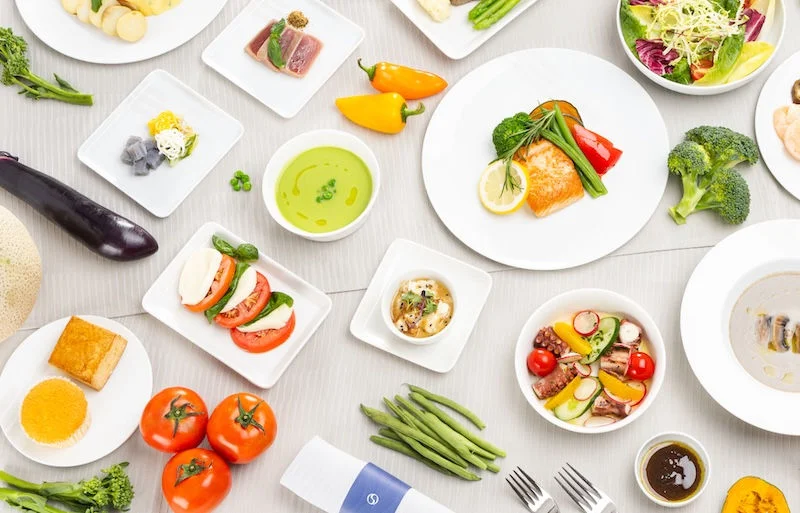
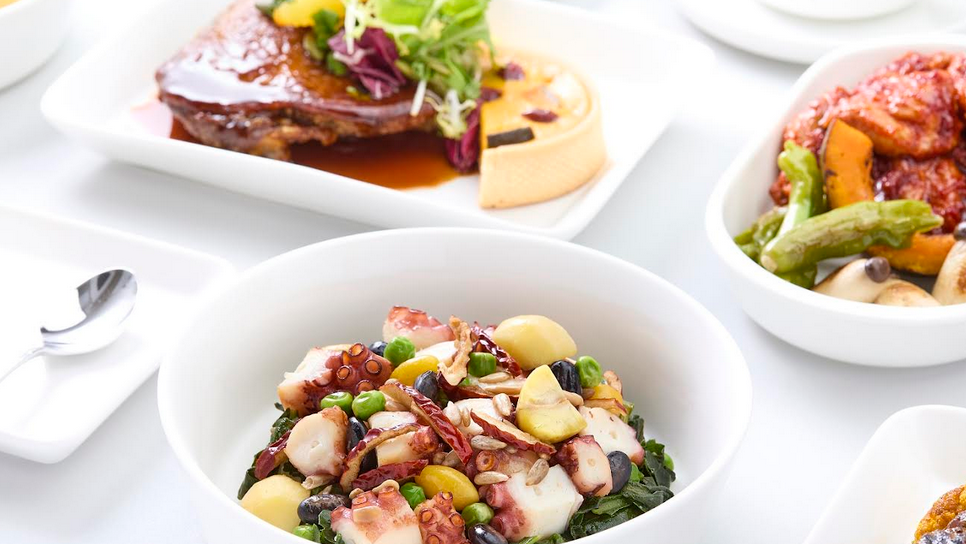
Korean Air has also updated its special in-flight dietary meals on routes departing from Seoul Incheon Airport (ICN), introducing new menus designed to offer better nutrition and improved taste. The refresh covers seven meal types and aligns with global dietary guidelines.
The airline (KE) worked with Inha University Hospital’s nutrition team to bring clinical precision to each meal category, ensuring passengers departing Seoul Incheon (ICN) can access options tailored to common health needs.
Korean Air’s updated menu reflects a broader push to align in-flight dining with modern nutrition standards. Each meal category now follows stricter ingredient controls, clearer dietary criteria, and preparation methods shaped by clinical guidance.
The low-fat, diabetic, and low-calorie meals now feature reduced carbohydrates and larger servings of vegetables. Lean protein sources such as chicken and fish replace red meat, and colorful, antioxidant-rich produce forms the core of the dishes.
Bland meals have been adjusted to support easier digestion. Vegetables are peeled and gently cooked, strong spices are avoided, and a wider selection of soft fruits, such as watermelon, melon, and pear, has been added after reviewing passenger feedback.
Gluten-intolerant meals now use rice flour in place of wheat flour in bread and soups. To avoid cross-contamination, the airline excludes commercial products made in facilities that also process wheat.
Low-salt meals are now capped at less than 1g of salt per meal. Flavor comes from unsalted butter, plant-based oils, and aromatic vegetables instead of sodium-heavy seasonings.
Low-lactose meals remove standard dairy products. Korean Air now offers lactose-free Greek yogurt at breakfast instead of soy milk, following repeated customer requests.
Collaboration with Medical Nutrition Specialists
The airline spent six months working with specialists from Inha University Hospital.
The goal was to align every meal type with clinical guidelines for conditions such as diabetes, cardiovascular disease, and hypertension. This collaboration ensures that each category meets evidence-based nutritional requirements.
Passenger Access and Advance Requests
All refreshed special meals are available across cabin classes on flights departing Korea. Passengers can request these options up to 24 hours before departure through the Korean Air website or service center. The process remains consistent across all routes operating from ICN.
Airline Statement on the Renewal
A Korean Air representative noted that the upgrade aims to support passenger health needs while improving the dining experience. The airline views this renewal as part of a long-term commitment to wellness-focused in-flight service.
Stay tuned with us. Further, follow us on social media for the latest updates.
Join us on Telegram Group for the Latest Aviation Updates. Subsequently, follow us on Google News
