

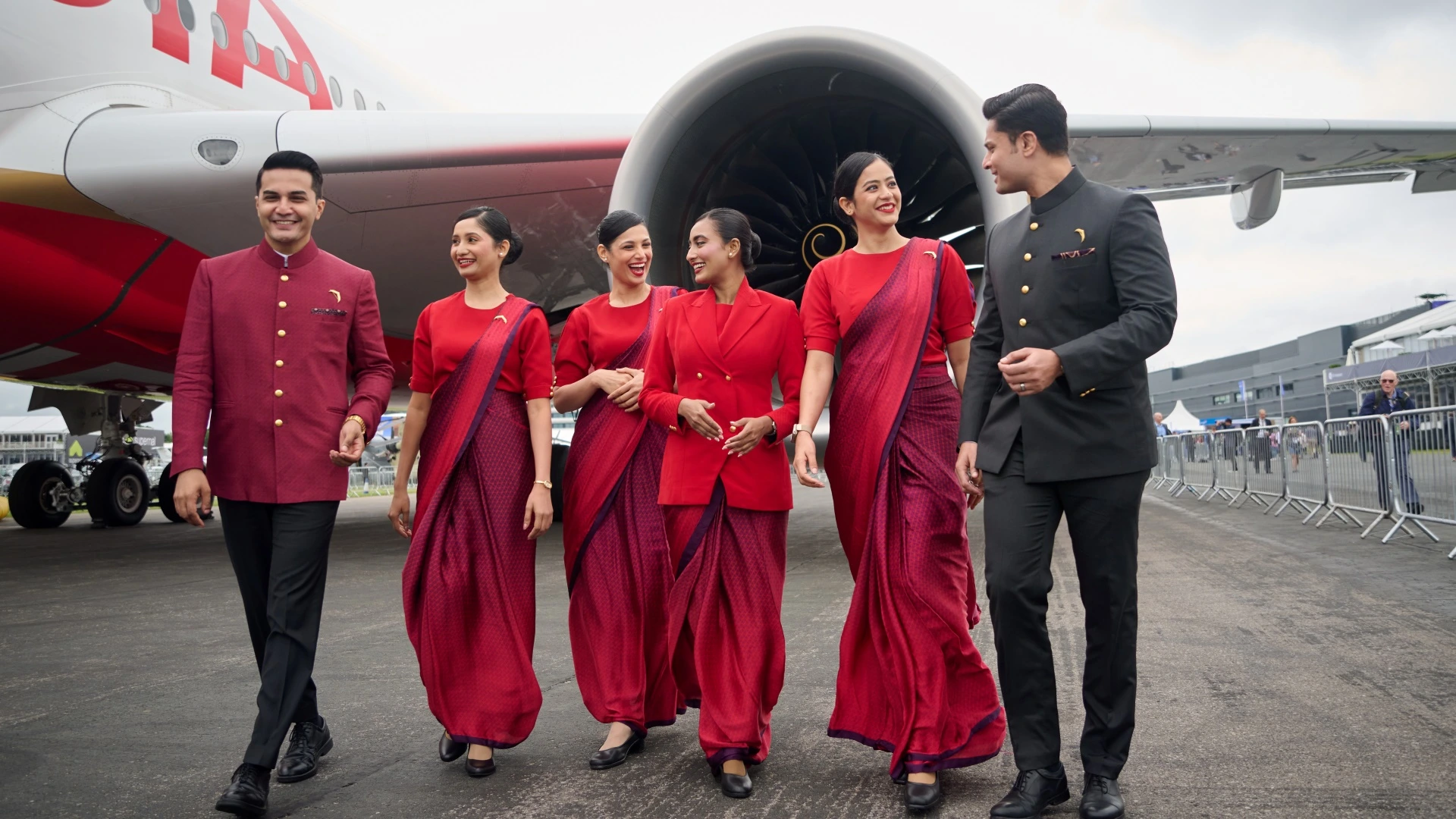
NEW DELHI- The Directorate General of Civil Aviation (DGCA) has released new mandatory fatigue‑management instructions for airlines. These guidelines require all carriers to include at least one hour of training every year on fatigue and its effects for pilots and cabin crew.
DGCA’s decision follows a meeting in New Delhi with airline operators and pilot associations, convened to review duty‑hour limits and rest patterns. The regulator held the meeting after permitting more night landings and longer duty hours on certain long‑haul services, such as Boeing 777 flights.
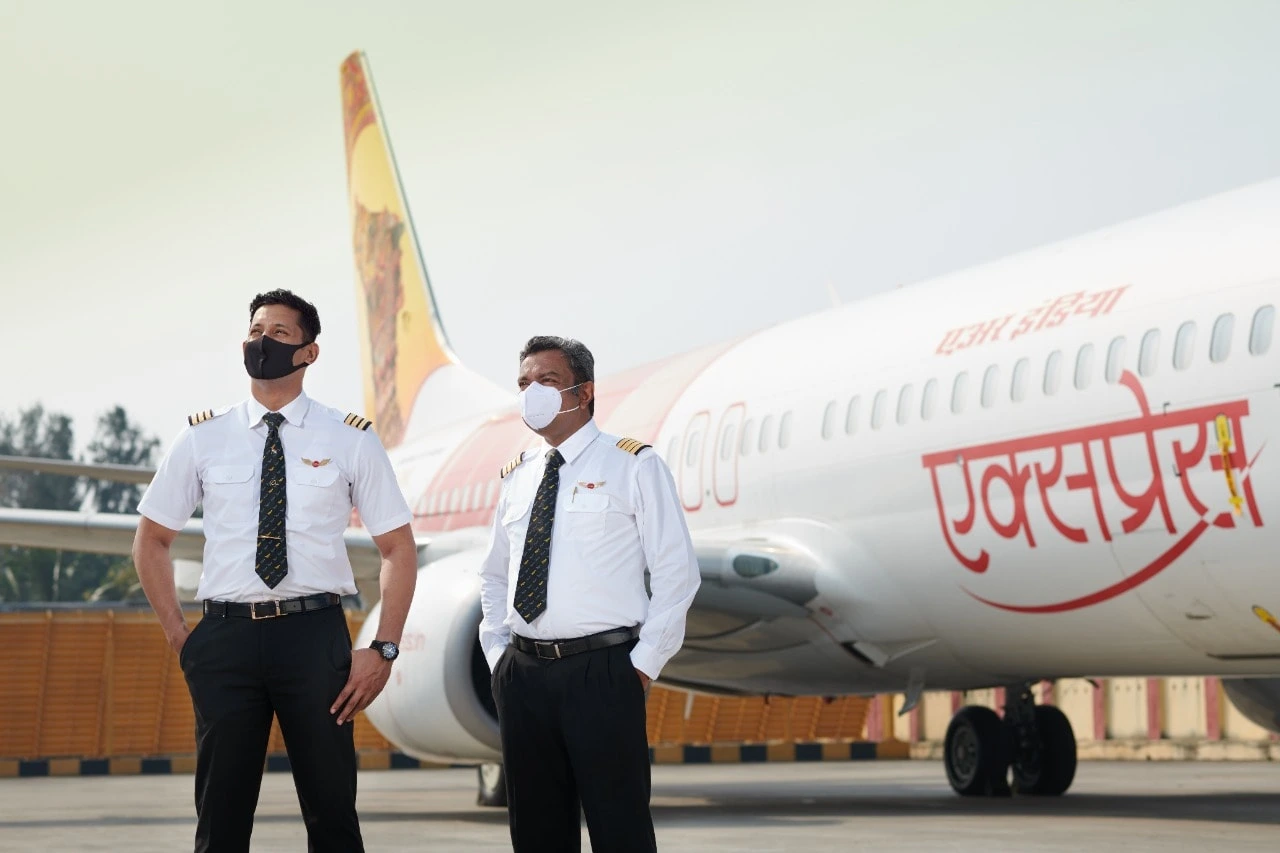
DGCA New Rules on Fatigue and Rest
Under the new policy, the annual training must cover a variety of essential topics. Airlines are now required to teach rules around flying hours, duty periods, and rest breaks, as well as how sleep functions and what disrupts the body clock.
Crew members will also learn about the causes of fatigue—including medical issues—and how tiredness can degrade performance.
The training syllabus must address strategies to prevent or reduce fatigue. This includes sharing guidance on how lifestyle factors—such as diet, exercise, family life, and sleep disorders influence rest.
It will also explain the impact of long flights, multiple short flights, and crossing time zones on alertness.
In an expanded reach, DGCA suggests including flight schedulers and dispatch teams in the training. These staff help plan crew duties and can influence fatigue risk through scheduling decisions.

Reporting and Committee
DGCA also mandates that every airline establish a clear fatigue reporting policy. Crew must be given a formal way to report when they feel overly tired without fear of reprisal.
In addition, each airline must set up an independent Fatigue Review Committee to review these reports and recommend corrective measures.
Airlines must submit a fatigue report to DGCA every three months. This report should document how many crew members were trained, how many fatigue reports were submitted, which reports were accepted or rejected, and the reasons for rejection.
DGCA also insists that crew receive at least 24 hours of rest after a fatigue event, which must include one local night off if fatigue leave is granted.

Rationale for Changes
DGCA’s latest action comes after a July audit exposed confusion and inconsistency across carriers about existing fatigue rules.
Pilot associations had expressed concern that the regulator’s recent relaxation of duty‑time restrictions might compromise safety.
Previously, DGCA had increased weekly rest time to 48 hours and imposed limits on night landings. Some airlines, including Air India (AI) and IndiGo (6E), initially resisted those rules. However, the measures were enforced following a ruling by the Delhi High Court.

Bottom Line
DGCA’s new guidelines mark a strong step toward strengthening aviation safety by systematically addressing crew fatigue.
The measures mandate formal training, structured reporting, and independent oversight through a Fatigue Review Committee.
By enforcing rest periods and clear policies, the regulator aims to ensure that fatigue does not undermine crew performance or jeopardize passenger safety.
Stay tuned with us. Further, follow us on social media for the latest updates.
Join us on Telegram Group for the Latest Aviation Updates. Subsequently, follow us on Google News
