

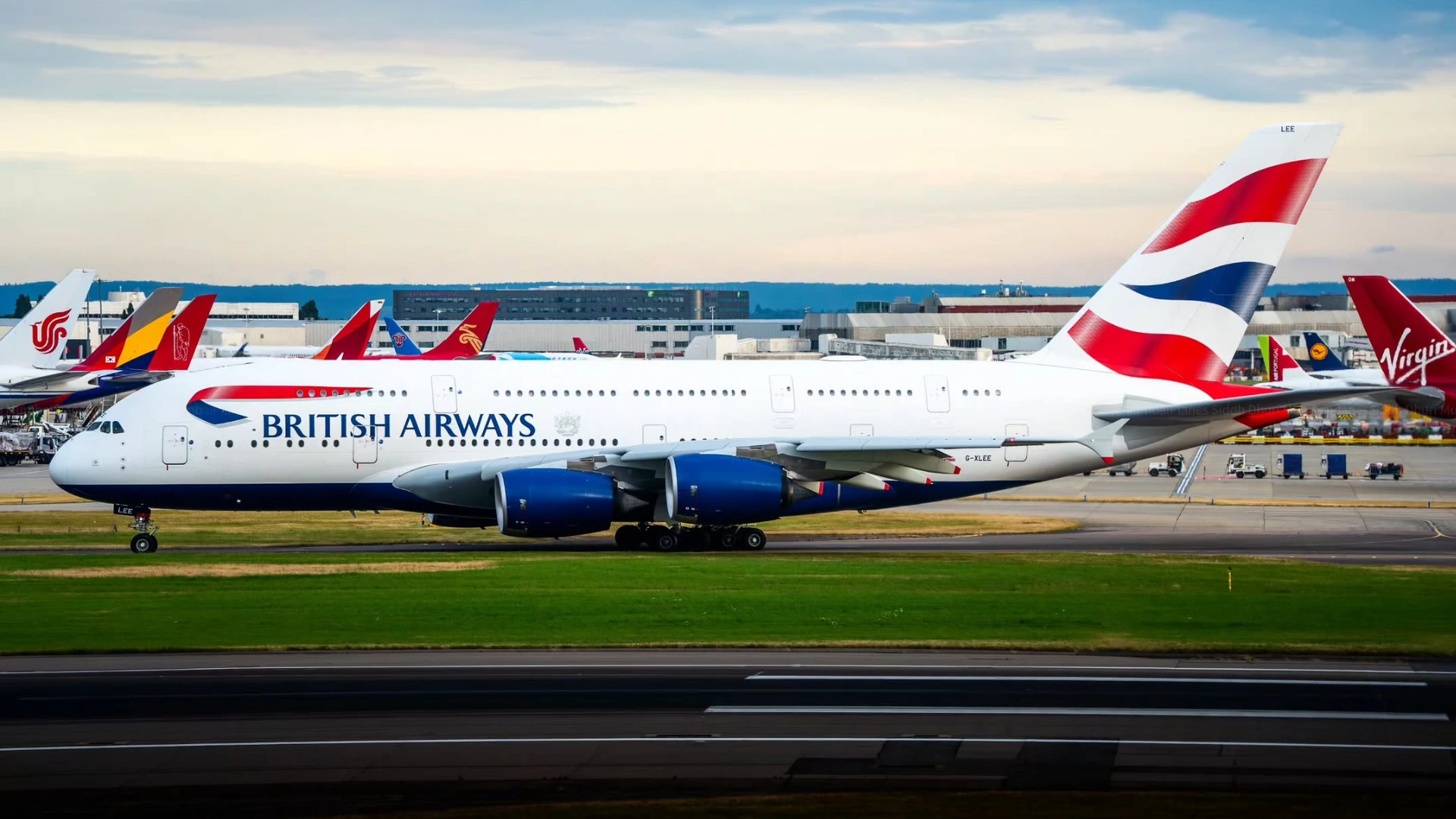
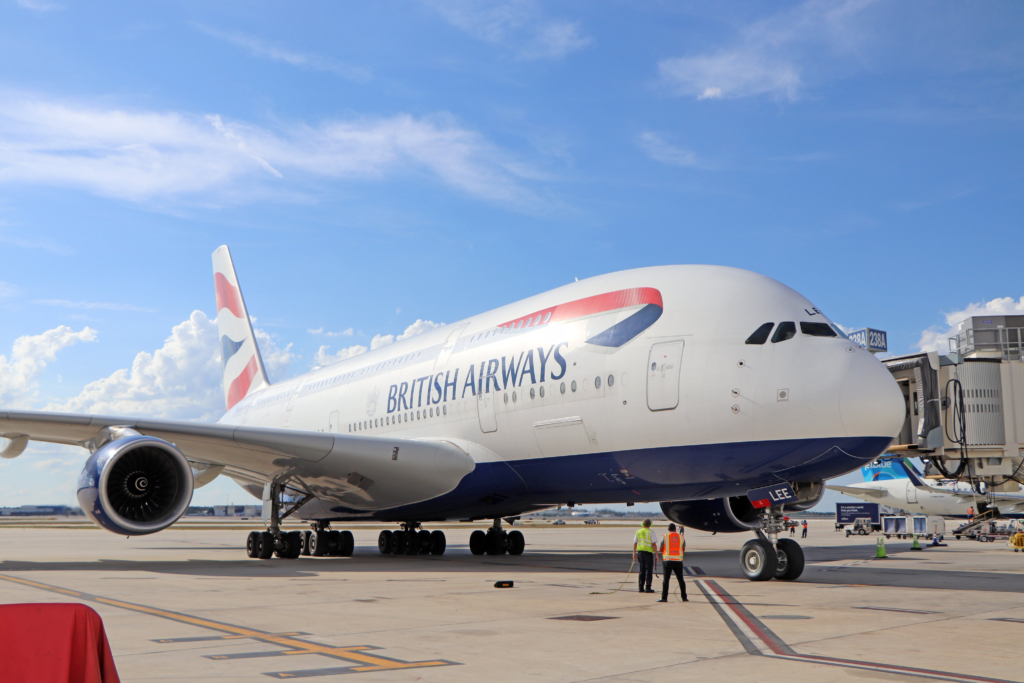
LONDON- British Airways (BA) faced a significant operational challenge when flight BA54 from Johannesburg (JNB) to London Heathrow (LHR) experienced a prolonged delay involving its Airbus A380 and risked leaving up to 469 passengers stranded.
The airline diverted the aircraft to Madrid (MAD) and assembled a rapid rescue operation after the crew reached the legal limits of their working hours.
The disruption began at Johannesburg’s OR Tambo International Airport (JNB), where technical issues repeatedly pushed back the departure time.
With the delay extending to 7 hours, the crew could no longer legally operate the full long-haul flight to London, prompting British Airways to deploy a strategic mid-route diversion.
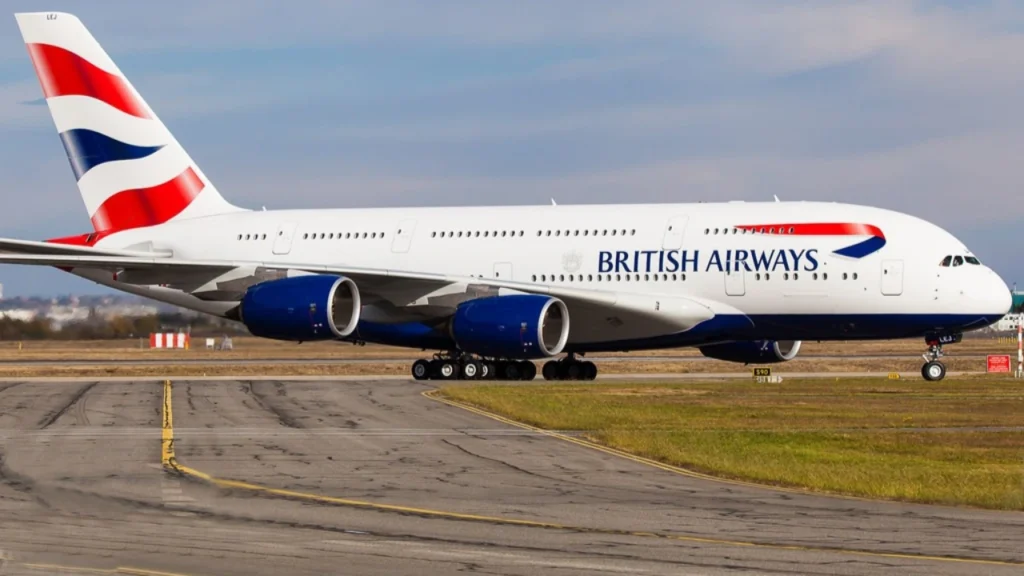
British Airways A380 Diverted to Madrid
Flight BA54 was scheduled to depart at 22:00 on November 21 but faced continuous technical setbacks that postponed departure until 05:00, according to public flight-tracking data.
Under UK Flight Time Regulations, adopted after the United Kingdom left the European Union, pilots and cabin crew cannot exceed strict duty-time thresholds.
These rules include extended rest allowances in onboard sleeping bunks but cap total duty time at 18 hours. Duty begins before arrival at the airport and continues until the aircraft reaches its final gate.
With no reserve pilots or cabin crew available in Johannesburg, the extended delay left British Airways without the option of replacing the fatigued team.
To avoid canceling the flight, the airline planned a diversion to Madrid, allowing the crew to remain within regulatory limits.
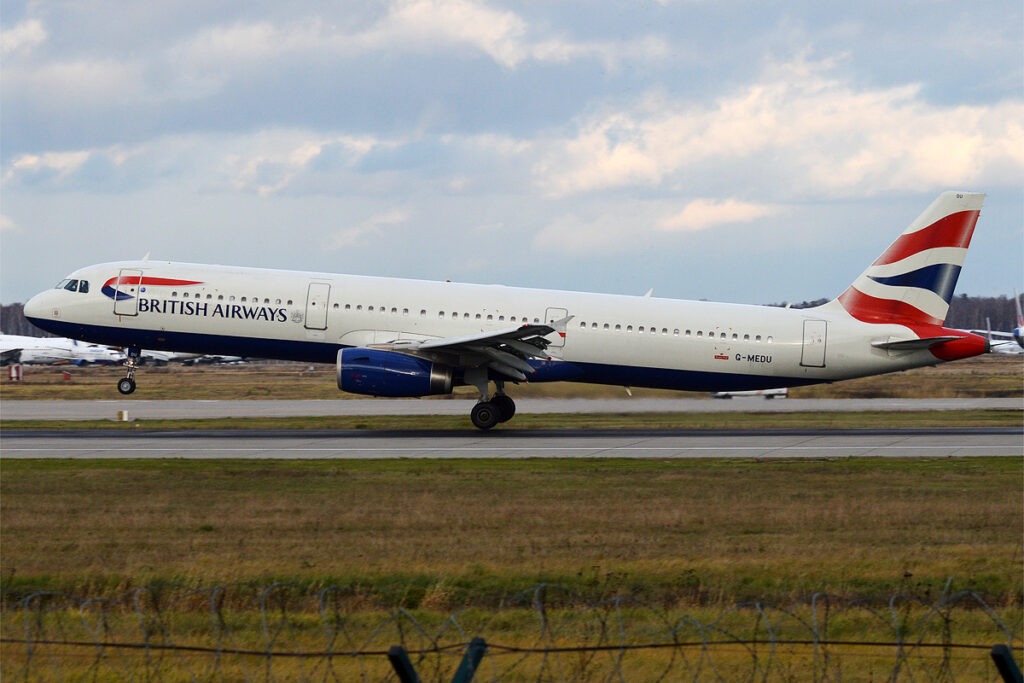
Reported by PYOK, the Airbus A380 was rerouted to Madrid, where 2 empty Airbus A321 aircraft were quickly scrambled and flown to the Spanish capital to collect as many passengers as possible.
Remaining travelers were accommodated on other British Airways services and on flights operated by Iberia, based in Madrid.
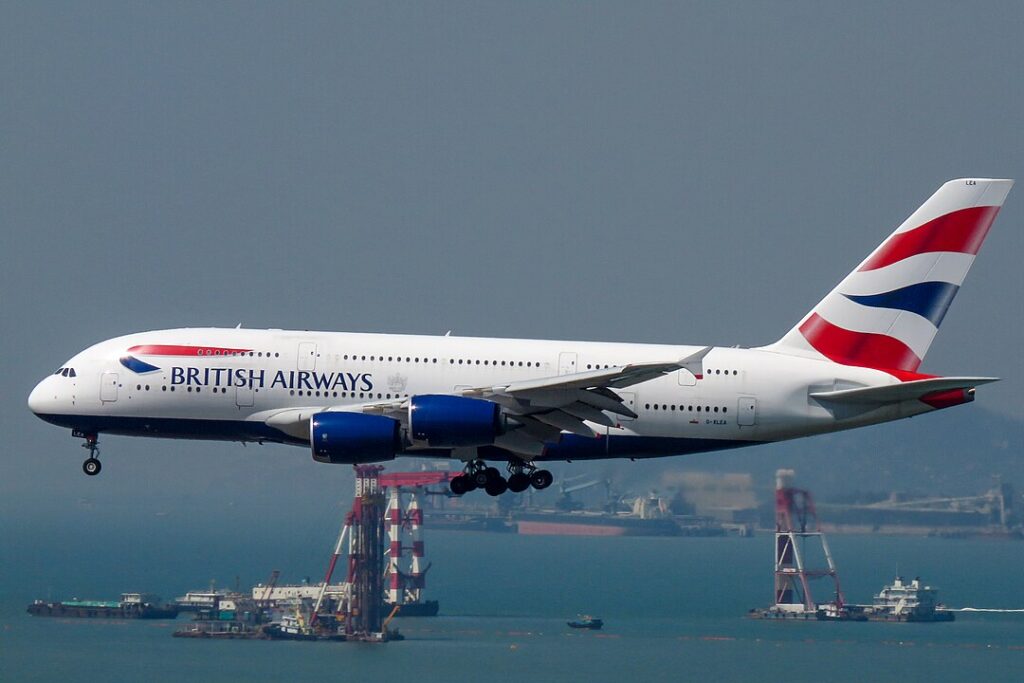
Operational Challenges Created by Duty Regulations
Airlines must follow strict crew duty policies to maintain operational safety. When a delay pushes a crew beyond permitted working hours, the flight cannot legally continue.
The Johannesburg delay, combined with the extended duty time already accumulated before departure, pushed the crew close to the 18-hour threshold.
Because onboard augmented rest could not offset the full impact of the delay, British Airways diverted the aircraft to remain compliant with safety rules.
Similar Incident
This was not an isolated event. Earlier in the year, a British Airways flight from Nassau to London Heathrow diverted to Gander in Canada due to a medical emergency.
After landing, it became clear the crew no longer had enough duty time to reach London. Rather than leave passengers stranded in Gander, the crew flew the aircraft as far as they legally could, reaching Keflavík International Airport in Iceland.
British Airways then sent an Airbus A321 with a fresh crew to complete the journey.
How Airlines Coordinate Rescue Operations
Rescue missions require rapid assessment of crew duty-time constraints, aircraft availability, diversion airports, and passenger flow management.
Suitable airports must handle large aircraft types, provide operational support, and offer onward connections.
Deploying additional aircraft, such as the 2 A321s used in Madrid, helps minimize disruptions and prevents mass passenger stranding. This structured response protects schedules while maintaining regulatory compliance.
Stay tuned with us. Further, follow us on social media for the latest updates.
Join us on Telegram Group for the Latest Aviation Updates. Subsequently, follow us on Google News
