

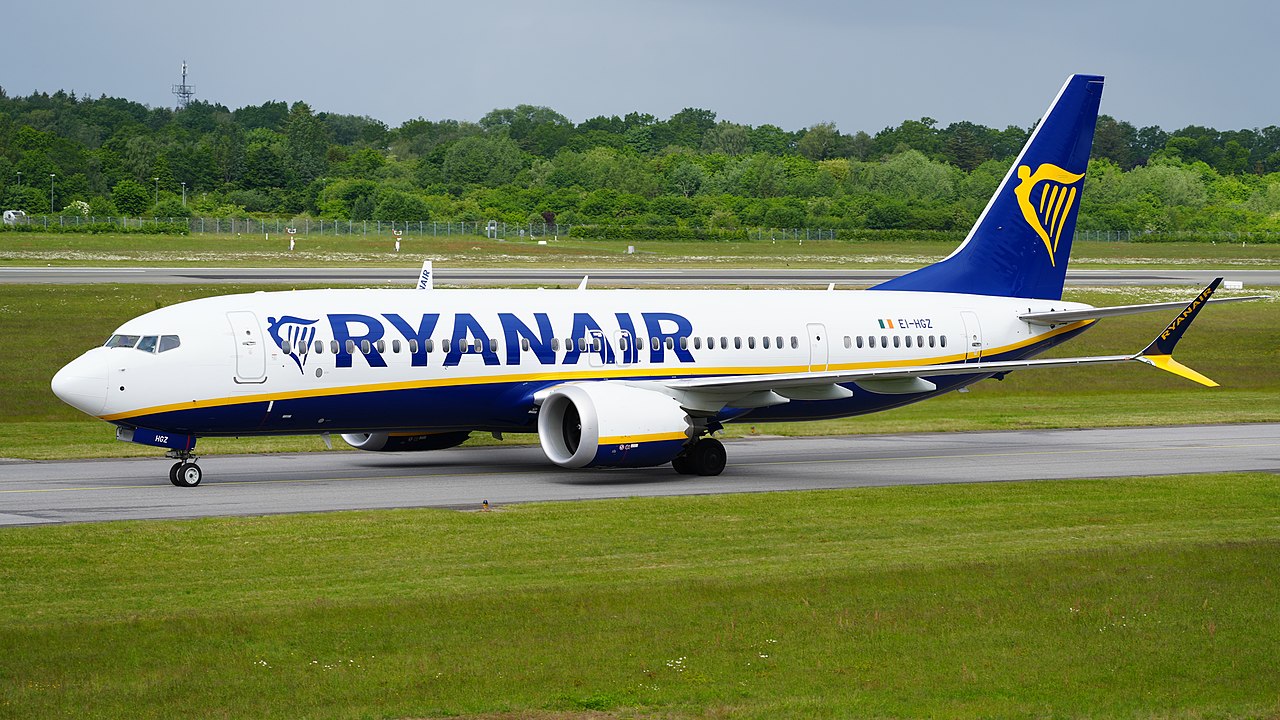
AZORES– Ryanair (FR) has confirmed that it will end all flights to the Azores from March 2026, citing unsustainable airport charges and what it calls years of government inaction, marking one of the most significant regional withdrawals in recent years and triggering widespread concern across the archipelago’s tourism-dependent economy.
The carrier said the combination of sharply increased air navigation fees and a new travel tax has made continued operations unviable. The announcement immediately drew responses from ANA – Aeroportos de Portugal – and both regional and national governments, all of whom said they were “surprised” by the move.
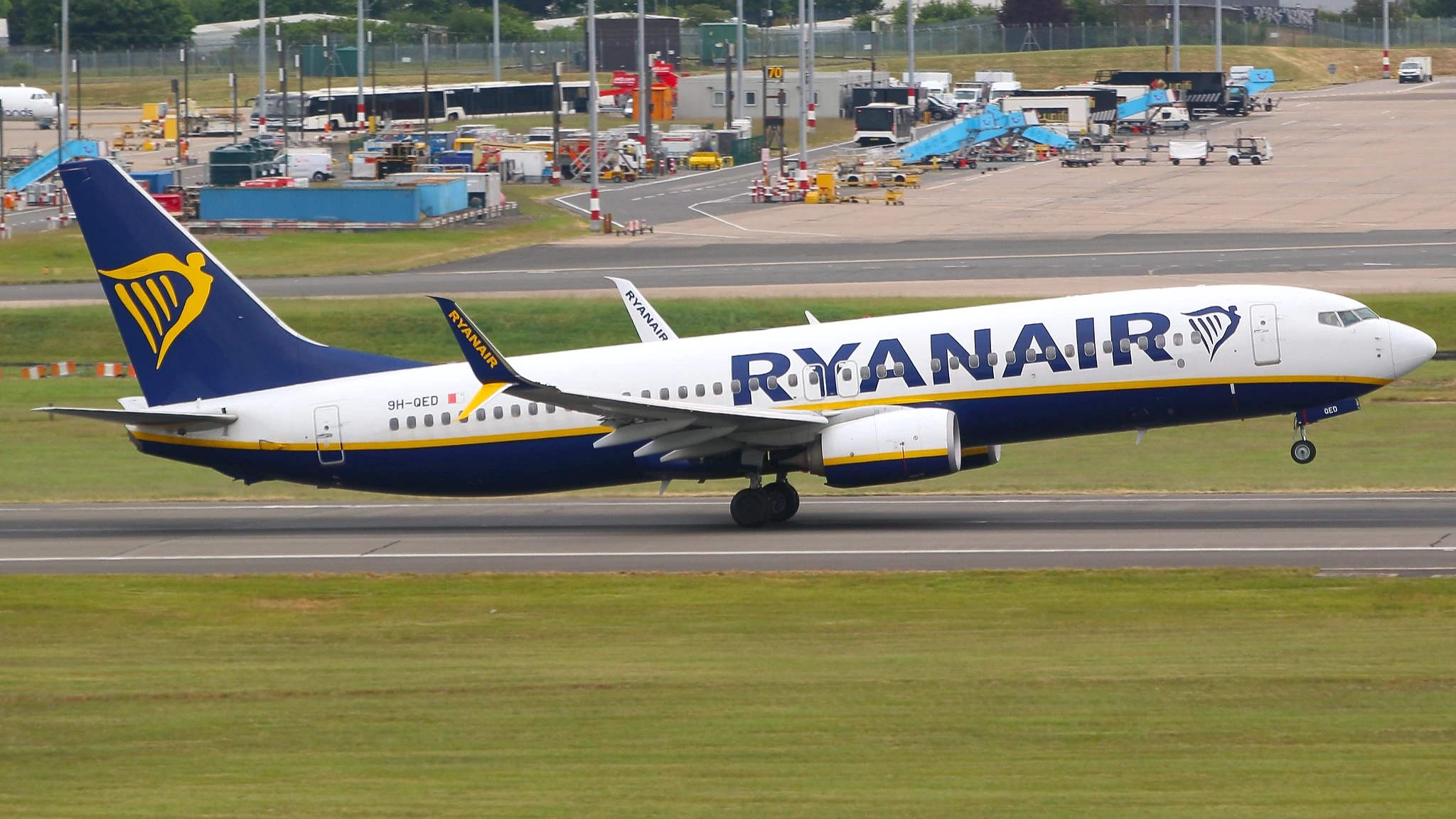
Ryanair to End Azores Flights
Ryanair said airport charges at Azores airports have risen by 120 percent since the pandemic, describing the increases as incompatible with low-cost operations.
It argued that the introduction of a €2 travel tax further erodes competitiveness, especially at a time when several EU nations have reduced similar levies.
The airline added that ANA, which is part of France-based VINCI, operates as a monopoly in Portugal and has “no plan to increase low-cost connectivity” to the islands.
The company stressed that national infrastructure must “serve the Portuguese people” and not be subject to profit-driven policies that ignore regional needs. It said its exit is a direct consequence of the pricing framework imposed on carriers serving the region.
Big Tourism Impact
Tourism leaders in the Azores have expressed deep concern about the economic repercussions of the withdrawal. According to the Azores Short-Term Rent Association (ALA), most guests who book local accommodations travel on Ryanair flights.
ALA’s João Pinheiro said the announcement could severely affect the sector, adding that he hopes it is “an attempt to pressure the government” rather than a definitive operational decision.
ANA responded that it maintains an open dialogue with the airline, while Portugal’s central government noted that taxes on this route are among the lowest in Europe and that Ryanair has received “tens of millions of euros in incentives” in previous years, reported Portugal Resident.
However, aviation analysts believe the carrier’s tone indicates a firm position rather than a negotiating tactic.
Ryanair’s presence has historically supported demand for short-term rentals, local transport services, and hospitality businesses.
Residents fear that losing the airline will reduce passenger volume, increase fares through reduced competition, and limit accessibility for both residents and tourists.
The four-month notice period provides a limited time for regional authorities to engage with alternative carriers or renegotiate terms with ANA.

Bottom Line
Ryanair’s decision to withdraw from the Azores in March 2026 marks a major setback for regional connectivity and tourism.
With both ANA and government officials reacting with surprise, the coming months will determine whether negotiations can reverse the airline’s exit or whether the islands must brace for reduced visitor numbers and economic strain.
Stay tuned with us. Further, follow us on social media for the latest updates.
Join us on Telegram Group for the Latest Aviation Updates. Subsequently, follow us on Google News
