

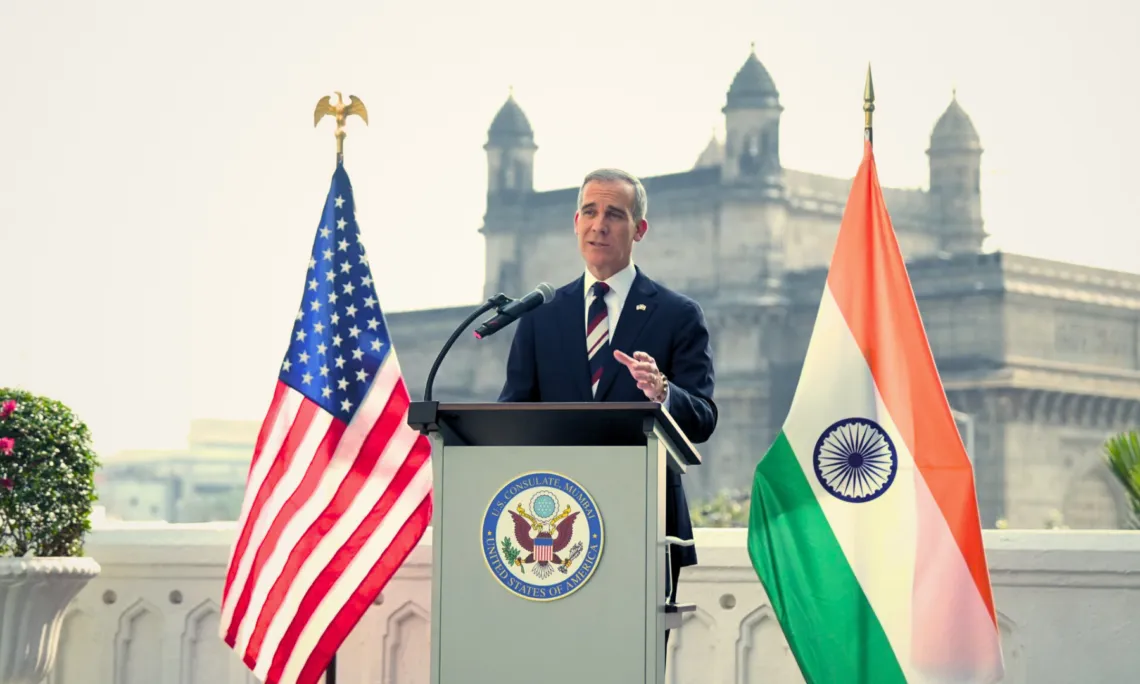
DELHI— The recent tightening of the H-1B visa program has stirred concerns among Indian tech professionals, but Andhra Pradesh Chief Minister N. Chandrababu Naidu maintains that the impact will be short-lived.
Speaking soon after the United States imposed a USD 1 lakh supplemental fee on new H-1B petitions filed after September 21, 2025, Naidu emphasised that market forces and global demand for advanced skills will eventually guide policy back toward collaboration.
US Visa Rule Impact for India
India’s major tech-producing regions—including Andhra Pradesh and Telangana—send a significant share of H1-B applicants to the US.
Naidu, who pioneered the early development of Hyderabad as a technology hub, stated that Indian engineers continue to hold strong global relevance due to their skill depth and cost efficiency.
Naidu said the revised H1-B visa system represents only a temporary hurdle for Indian workers. He argued that the cost advantage Indian professionals offer will eventually sway US employers, especially as American companies face recurring shortages in highly specialised technical roles.
While former President Donald Trump had previously pushed the fee hike to reduce alleged programme abuse, he later acknowledged that US industries must still attract overseas talent.
This policy shift, Naidu noted, shows that economic and technological needs will remain the dominant factors shaping long-term workforce policy.
https://commons.wikimedia.org/wiki/File:Three_American_passports.jpg
Global Talent Demand in the US
Naidu added that any pressure from the United States cannot impede the progress of Indian professionals, who continue to be integral to global digital transformation.
He highlighted that Indian engineers remain in demand across Europe, Australia, Canada (YVR), and the Middle East, where governments and companies are actively seeking specialists in AI, cybersecurity, cloud engineering, quantum computing, and advanced software development.
Analysts also observe that several global companies are expanding engineering centres in India or adopting hybrid models that combine local teams with remote talent. This trend is creating new job avenues for tech professionals, particularly those from Andhra Pradesh.
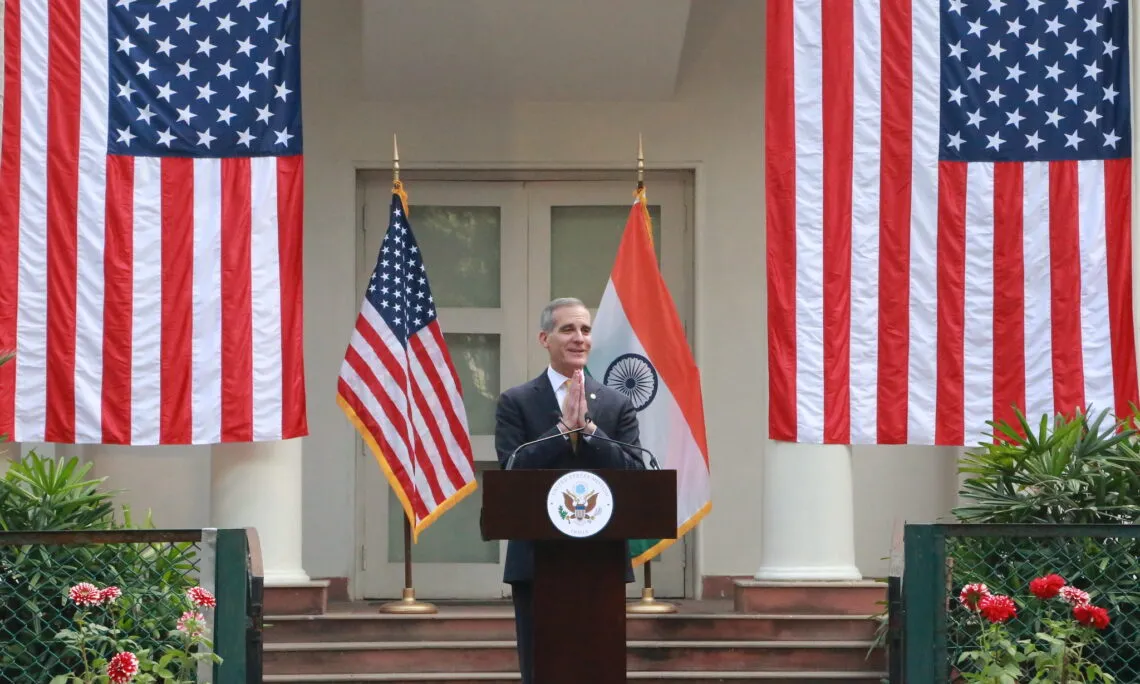
Opportunities Ahead for Indian Workers
When asked whether the state government is prepared to support workers affected by the new visa fees, Naidu said that India’s rapidly evolving technology ecosystem will generate ample opportunities, reported The Economic Times. He pointed to growth in indigenous communication systems, drone development, satellite solutions, and AI-driven applications.
Industry bodies share a similar perspective, indicating that the global demand cycle for specialised digital skills remains strong despite periodic policy friction in the US.
They argue that Indian professionals, known for their adaptability and competitive pricing, are well positioned to continue contributing to international technology programmes.
Bottom Line
Naidu reiterated that the H1-B visa changes, though significant, are far from a long-term barrier for Indian tech professionals.
With strong global interest in advanced engineering talent and India’s expanding technology capabilities, he believes Indian workers will continue to thrive, both abroad and within India’s growing innovation landscape.
Stay tuned with us. Further, follow us on social media for the latest updates.
Join us on Telegram Group for the Latest Aviation Updates. Subsequently, follow us on Google News
