

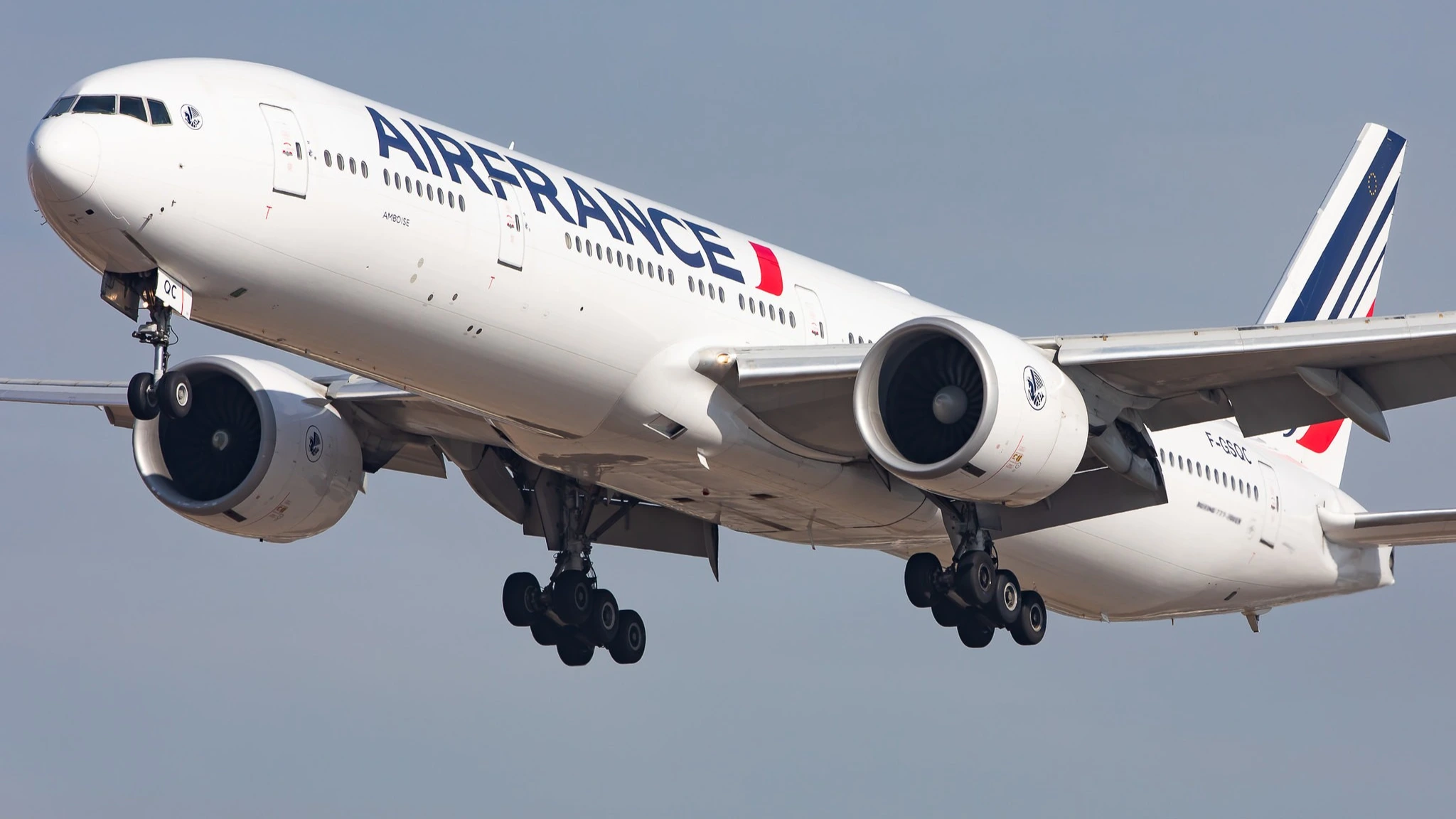
PARIS- Air France (AF) plans to expand service between Dubai (DXB) and Paris Charles de Gaulle (CDG) with up to 18 weekly flights from November 25 through March 2026. The carrier is increasing capacity to meet strong seasonal demand and improve connectivity for passengers traveling between the Middle East and Europe.
The airline aims to strengthen its position in the UAE market by adding new frequencies that support smoother onward travel across Europe and North America while enhancing access to its global network.
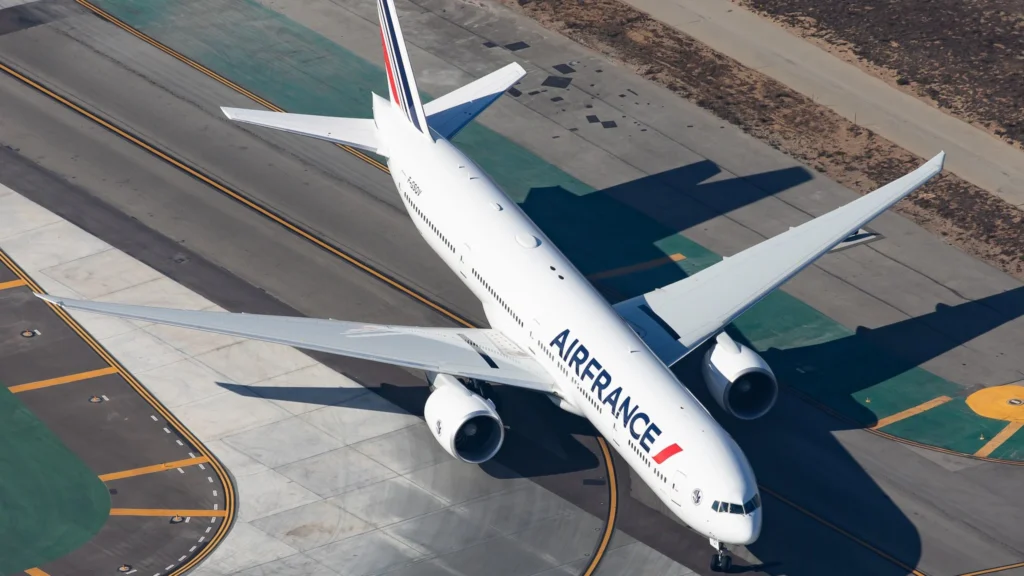
Air France Adds More Flights to Dubai
Air France is adding these additional flights to complement its current twice daily schedule, creating more options for both leisure and business travelers during the busy winter period.
The move reinforces the airline’s strategy to deliver consistent and reliable links between Dubai and Paris while supporting growing market demand.
The combined Air France and KLM operation will now offer up to 25 weekly flights between Dubai and their hubs in Paris and Amsterdam. This expanded schedule provides broader timing choices for passengers and improves overall connectivity to destinations across Europe, the Americas, and other regions, Gulf News reported.
Air France continues to promote its signature onboard offering, including ergonomic seating, premium cabin comfort, Michelin-crafted menus, curated wines, and service rooted in French hospitality. Its expanded presence underlines its role as a key international carrier connecting the UAE and France.
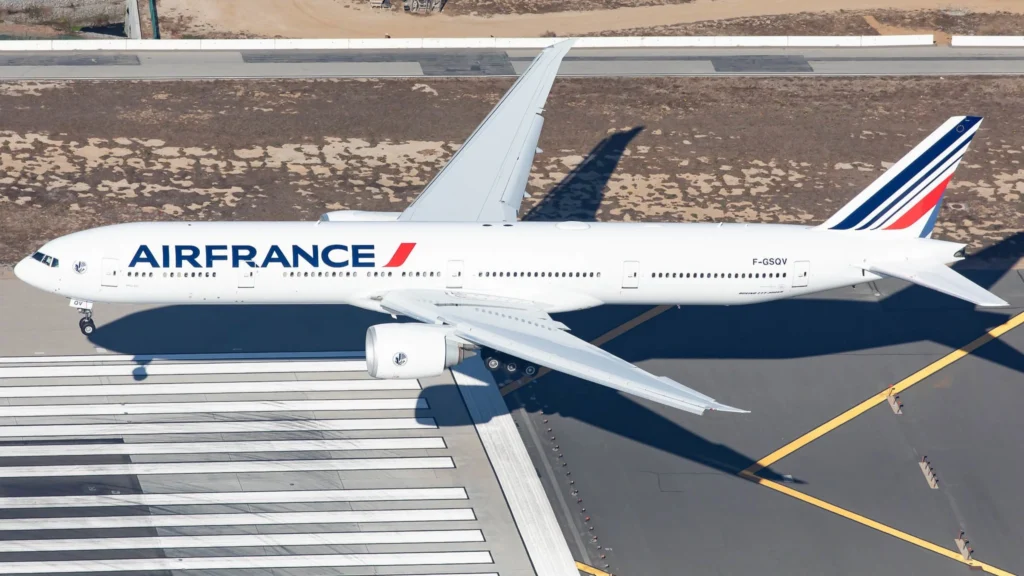
Supporting Regional Travel Demand
The increase in flights aligns with Dubai’s strong winter travel season, when the city sees heightened tourism and business traffic.
The extra capacity helps accommodate this surge while maintaining reliable access for passengers traveling in both directions.
This expansion fits within Air France’s broader winter 2025 to 2026 plan, which targets a 3 percent increase in long-haul capacity. The airline aims to strengthen high-demand routes and grow its overall network footprint through selective additions on established corridors.
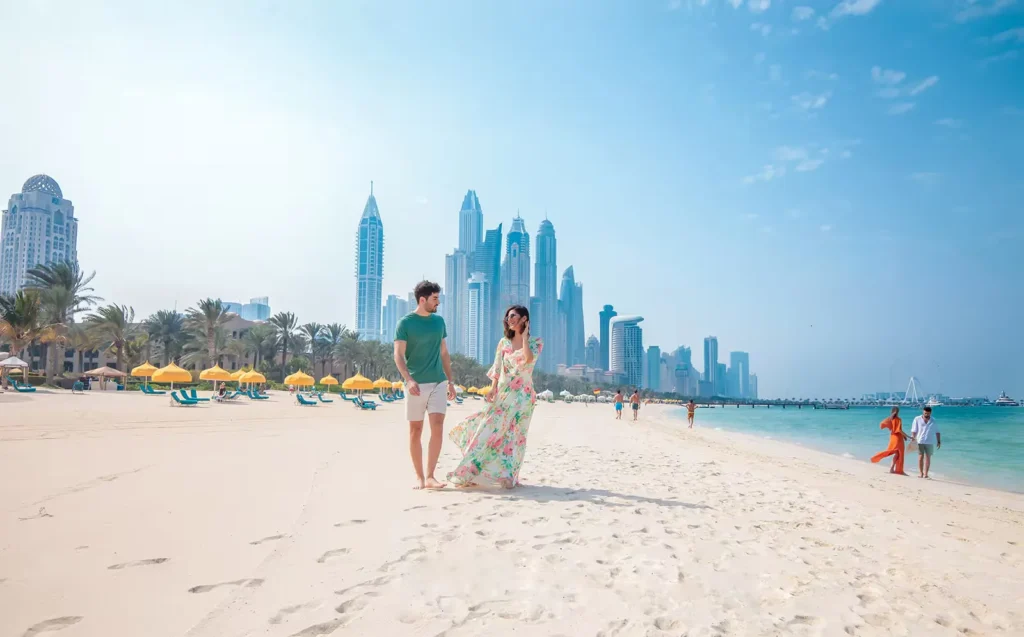
Dubai Travel Guide
Visitors flying in on Emirates (EK) to Dubai International Airport (DXB) or Etihad Airways (EY) into Abu Dhabi International Airport (AUH) enter one of the busiest gateways in the region. The city offers a fast, simple arrival process for most travelers, including those from the United States who do not require a tourist visa.
Emirates (EK) and Qatar Airways (QR) provide the most direct access into Dubai (DXB), making trip planning easy for anyone seeking a first experience in the United Arab Emirates. The city’s hotel network, transport options, food scene, and seasonal weather patterns shape the core of any first-time visit.
Key Travel Insights for First-Time Visitors
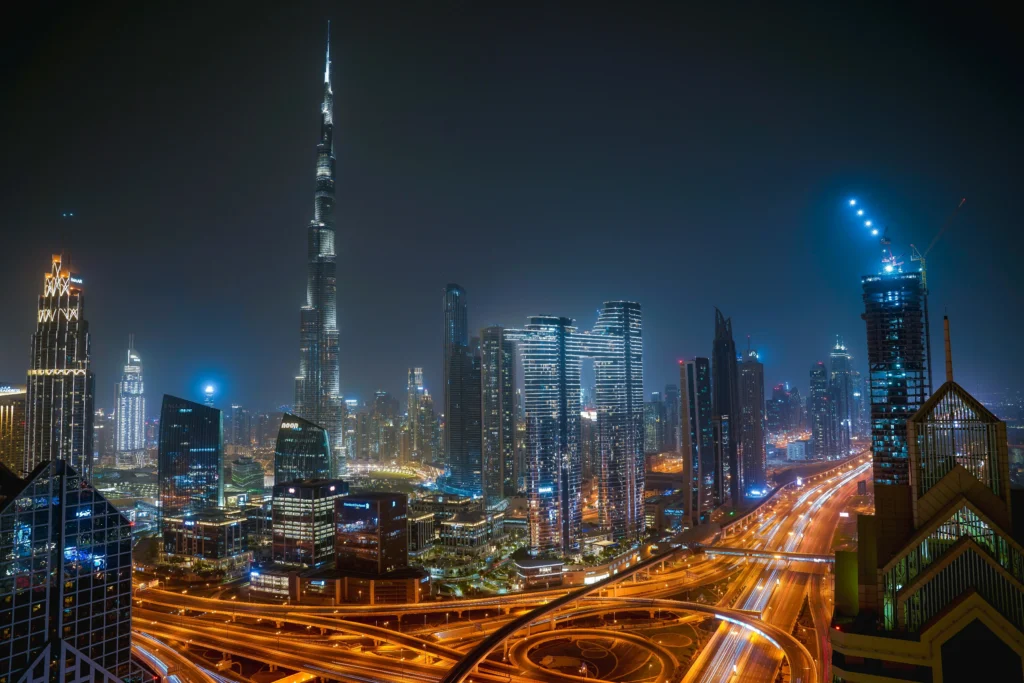
Dubai operates as a long, linear city with major attractions spread across a coastal corridor. Understanding its layout helps travelers plan where to stay, how to move between districts, and how to avoid heavy traffic on weekdays. The central area around Dubai Mall and Burj Khalifa offers the most access to major sights, while Dubai Marina and Palm Jumeirah provide resort-style stays.
Seasonal timing matters. Temperatures between November and March range from the low 60s to the mid-80s, which draws peak tourist crowds and raises hotel rates. Summer months often exceed 105 degrees, making indoor sightseeing and poolside stays the primary activities.
Airlines such as Emirates (EK), Etihad Airways (EY), and Qatar Airways (QR) connect Dubai with major global hubs. Travelers arriving at Abu Dhabi (AUH) can reach Dubai within an hour by shuttle or taxi. Those choosing US-based carriers often connect through Europe before landing at Dubai International Airport (DXB).
Accommodation and Location Planning
Dubai has a broad mix of hotels, ranging from luxury beachfront resorts to business hotels near major commercial zones.
The area around the Dubai Mall is dense, active, and close to the metro. Dubai Marina offers waterfront views, walkable promenades, and access to Palm Jumeirah. Old Dubai near the creek and souks provides historic districts and lower-cost stays.
The city operates like a linear strip. Many visitors find themselves driving back and forth between districts. Staying near the landmarks aligned with personal interests reduces travel time, especially during the weekday rush.
Transport and Traffic Expectations
Dubai experiences predictable weekday congestion due to its Sunday to Thursday workweek. Taxis are widely available and reasonably priced, though premium taxis cost more. Passengers should confirm the use of a meter and ask for estimated fares before riding, The Sophisticated Life flagged.
The metro system is reliable, clean, and often faster than road transport during peak hours. Weekend schedules run less frequently, which increases wait times. Hop-on and hop-off buses offer structured sightseeing routes, though rush hour delays can limit route coverage. Starting early improves the experience.
Clothing Guidance and Cultural Etiquette
Tourists generally dress in standard Western clothing. Modest attire is expected when visiting religious sites such as the Grand Mosque in Abu Dhabi, where visitors wear the hijab and abaya provided on site.
Restaurants within Burj Khalifa and Burj Al Arab require more formal dress. Swimwear is acceptable on beaches and resort areas, though discretion is advised. Public displays of affection are limited to simple gestures such as holding hands.
Basic Costs, Currency, and Payments
Dubai uses the Arab Emirate Dirham (AED). Visitors often find food, hotel stays, and tours priced similarly to US metropolitan cities. Luxury dining and private tours raise overall trip costs.
Credit cards are widely accepted. Visa and Mastercard are the most reliable. Currency exchange rates at malls tend to be slightly better than those found at the airport.

Language and Navigation
English is widely spoken throughout Dubai. Public signage, menus, and transit directions appear in both Arabic and English, allowing visitors to navigate the city with minimal difficulty.
Food Culture and Alcohol Rules
Dubai’s dining landscape reflects Middle Eastern, South Asian, and global influences. Common dishes include shawarma, hummus, basmati rice, and grilled seafood. Dates are available in specialty shops and make popular gifts.
Alcohol consumption is allowed in licensed hotels, bars, and restaurants. Public drinking is prohibited. Travelers may purchase alcohol at airport duty-free shops without a local license.
Activities You Can Skip
Some attractions, while popular, do not offer the best value for time. The top level of Burj Khalifa provides views similar to other global observation decks and can feel underwhelming on hazy days.
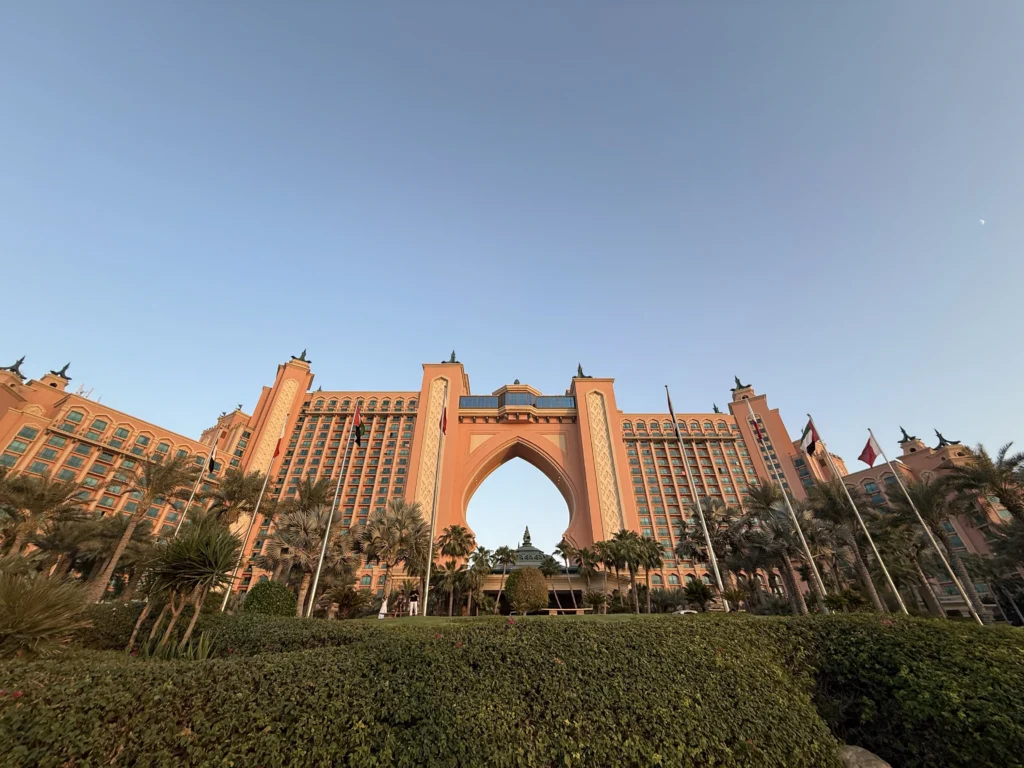
The Friday brunch at Saffron in Atlantis offers a loud party environment rather than a refined dining experience. The Atlantis complex itself attracts large crowds, similar to Vegas-style resorts, which may not appeal to all visitors.
The Dubai Fountain show near the Dubai Mall lasts only a few minutes and draws heavy crowds. Viewing multiple shows from a nearby restaurant offers a better experience than waiting in the central viewing area.
Stay tuned with us. Further, follow us on social media for the latest updates.
Join us on Telegram Group for the Latest Aviation Updates. Subsequently, follow us on Google News
