

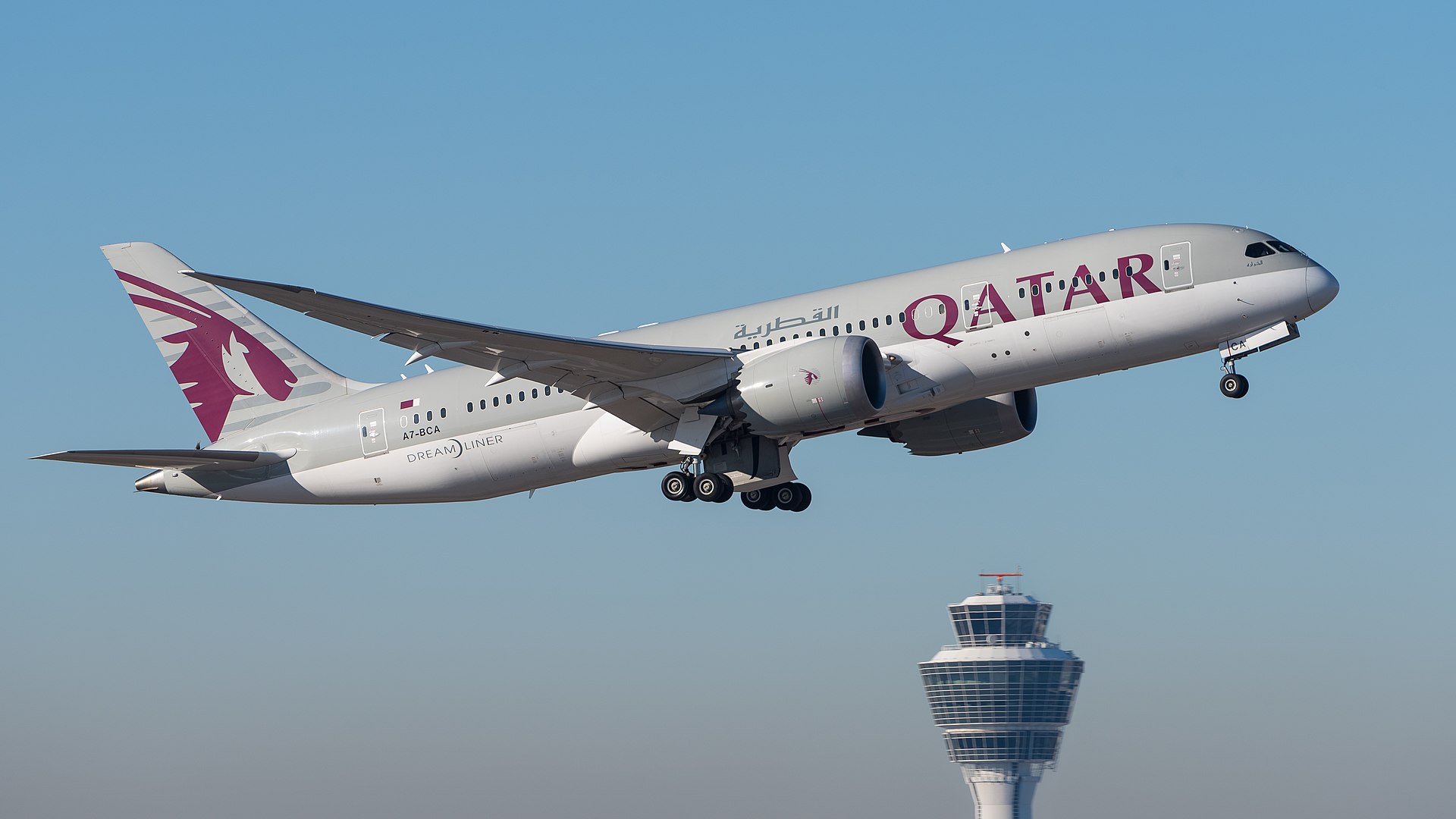
DUBAI- Qatar Airways (QR) has selected Collins Aerospace, part of RTX Corporation, to equip its 52 Boeing 787 Dreamliners with the Ascentia analytics platform. The announcement, made at the Dubai Air Show, signals a major step forward in data-driven aircraft health management.
Collins Aerospace will deploy its Ascentia system across QR’s fleet to monitor sensor data in real time, compare it with historical records, and generate predictive insights into component performance. The goal is to reduce unscheduled maintenance, cut costs, and improve operational reliability.
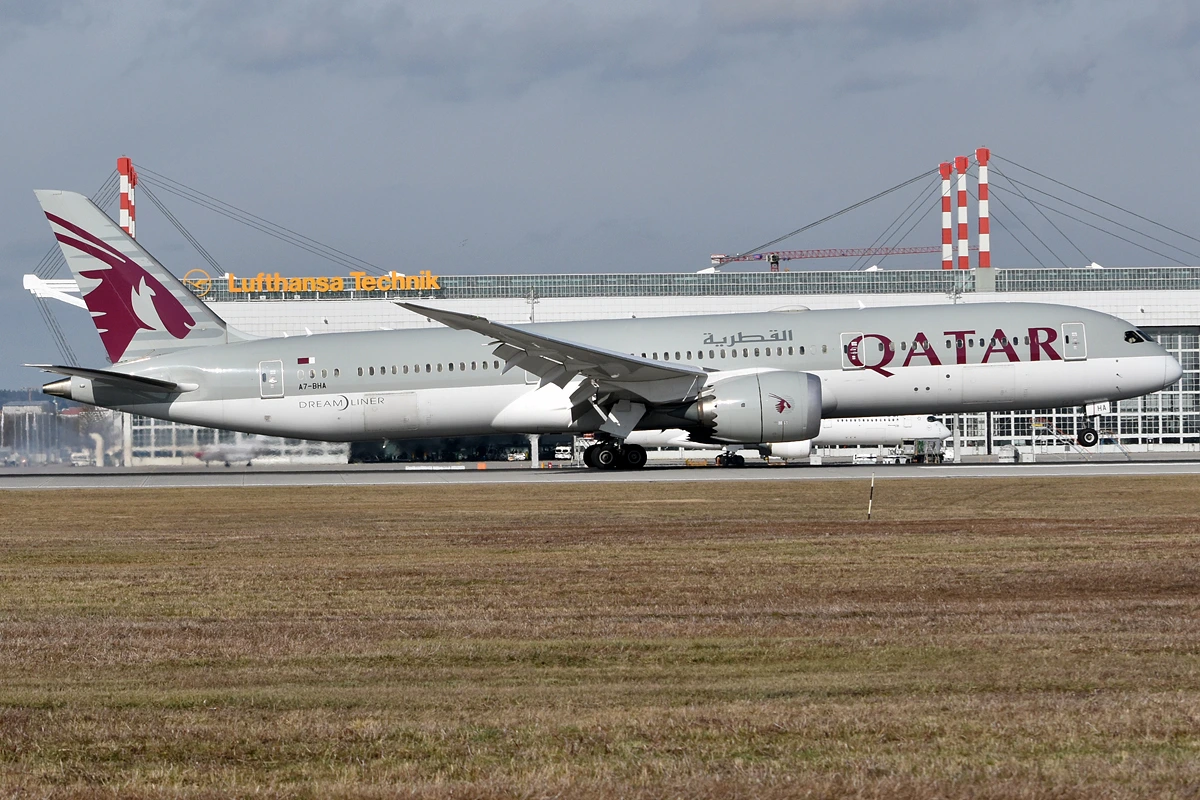
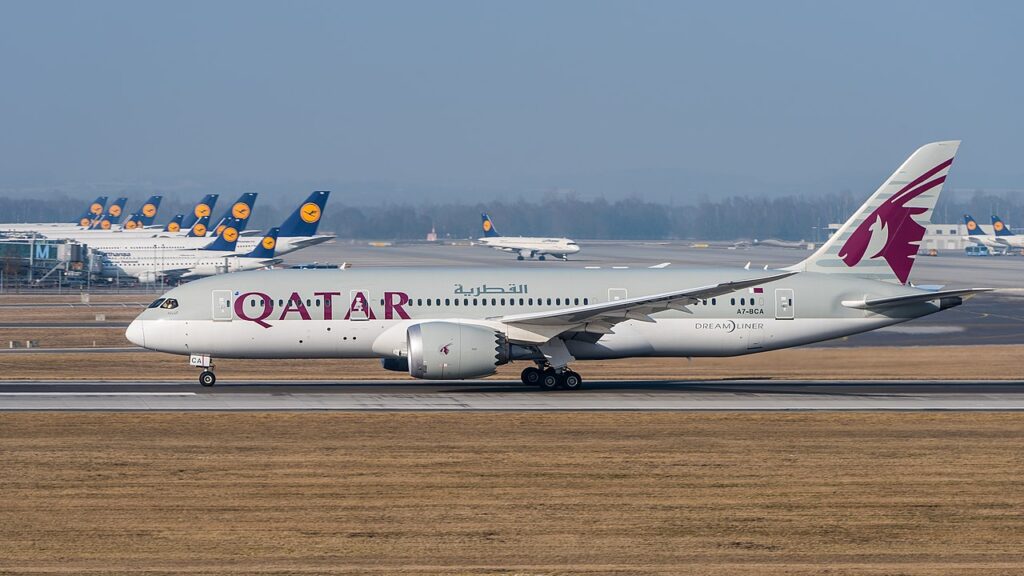
Qatar Airways 787 Fleet Management
By implementing Ascentia, Qatar Airways is introducing a predictive maintenance paradigm. The platform analyses live aircraft data alongside statistical models to identify potential degradation before it leads to failure. This insight enables more proactive scheduling of maintenance, optimising aircraft downtime.
Ascentia’s prognostic capabilities also help QR align spare-part provisioning more precisely with projected demand. Rather than relying on broad estimates, the airline can base its inventories on component health trends, potentially lowering inventory costs and minimizing waste.
Collins Aerospace’s status as the original equipment manufacturer (OEM) for many Boeing 787 subsystems strengthens the value of this solution. As OEM, Collins can offer highly tailored recommendations that align closely with the aircraft’s design and performance characteristics.
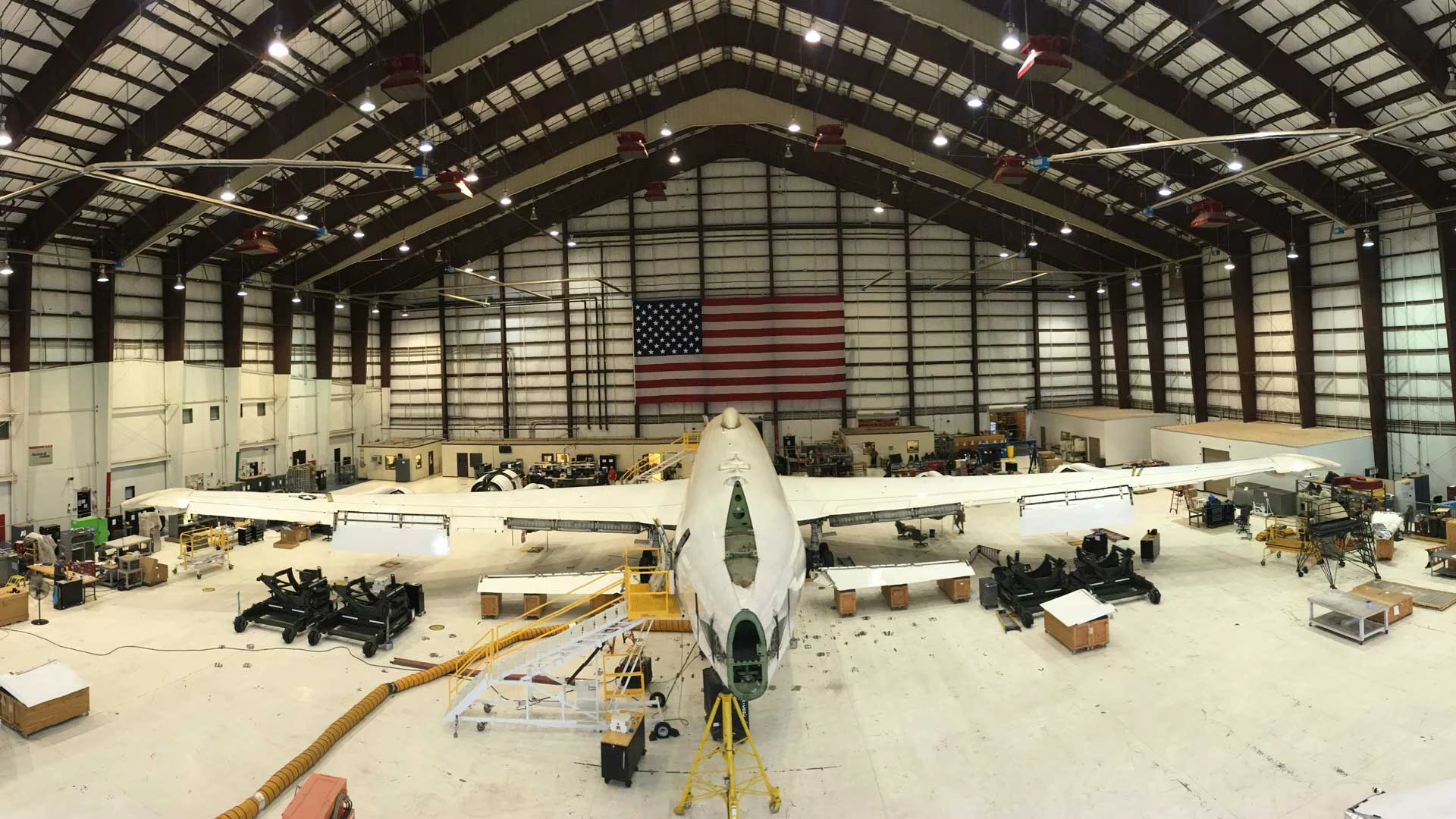
Operational Benefits for Qatar Airways
The Ascentia deployment promises to improve on-time performance by reducing disruptions caused by unexpected faults. With better forecasting, Qatar Airways can reduce Aircraft on Ground (AOG) events, keeping more planes flying reliably.
Enhanced fleet visibility also means more efficient maintenance cycles. By knowing when systems are likely to fail or degrade, maintenance planners can optimise work windows and avoid reactive fixes that interrupt operations. That leads to lower maintenance costs and better utilisation of technical teams.
Finally, the system may contribute to smoother passenger experiences. Fewer unplanned delays or cancellations translate into higher customer satisfaction and stronger trust in the airline’s dependability.
This isn’t the first time airlines have leaned on Ascentia. Other carriers with 787 fleets, like Korean Air, have signed on to leverage predictive analytics for maintenance optimisation. Such adoptions reflect a broader trend toward data-driven health-management strategies in aviation.
Collins Aerospace is also extending its analytics and MRO (maintenance, repair, and overhaul) reach through long-term deals. For instance, in Europe, the company is providing predictive maintenance (via Ascentia) and overhaul services to Air Europa’s 787s under a 10-year contract.
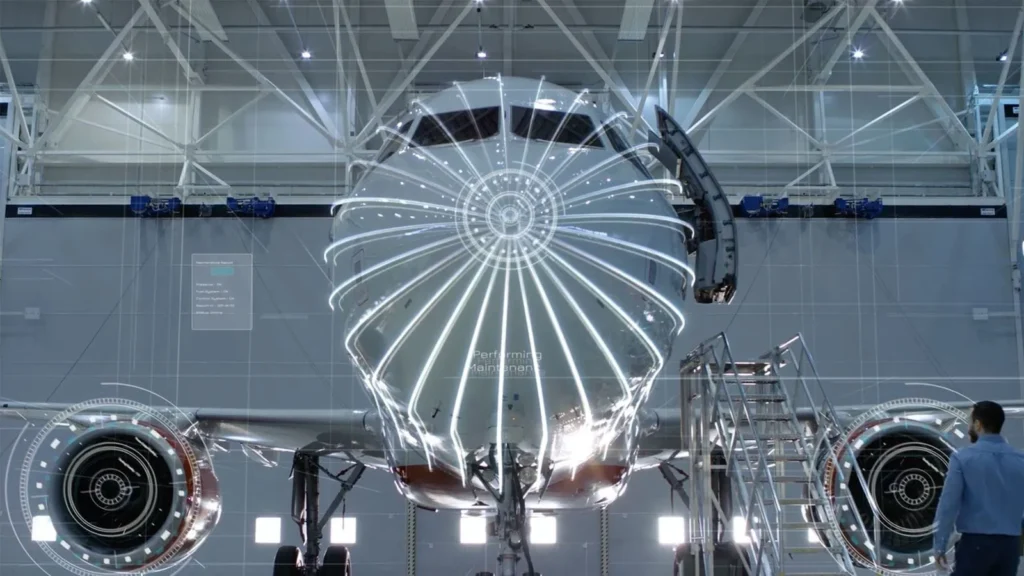
Key Challenges Ahead
To realise the full potential of Ascentia, QR must ensure high-quality data collection from all its 787s. Without robust sensor coverage and accurate model calibration, predictive insights can falter.
Integration with operational processes will be critical too: maintenance teams, planners, and logistics operators must adapt to a more proactive workflow instead of reacting to faults. Misalignment here could blunt the benefits of predictive maintenance.
There’s also a risk of false positives — predicting failures that don’t materialise could lead to unnecessary maintenance actions, eroding cost savings over time.
Bottom Line
Qatar Airways’ decision to deploy Collins Aerospace’s Ascentia across its 787 fleet marks a strategic move toward predictive, data-driven maintenance.
If implemented effectively, this could boost reliability, reduce costs, and elevate operational resilience — but success will depend on data integrity, cross-team coordination, and careful integration into existing maintenance systems.
Stay tuned with us. Further, follow us on social media for the latest updates.
Join us on Telegram Group for the Latest Aviation Updates. Subsequently, follow us on Google News
