

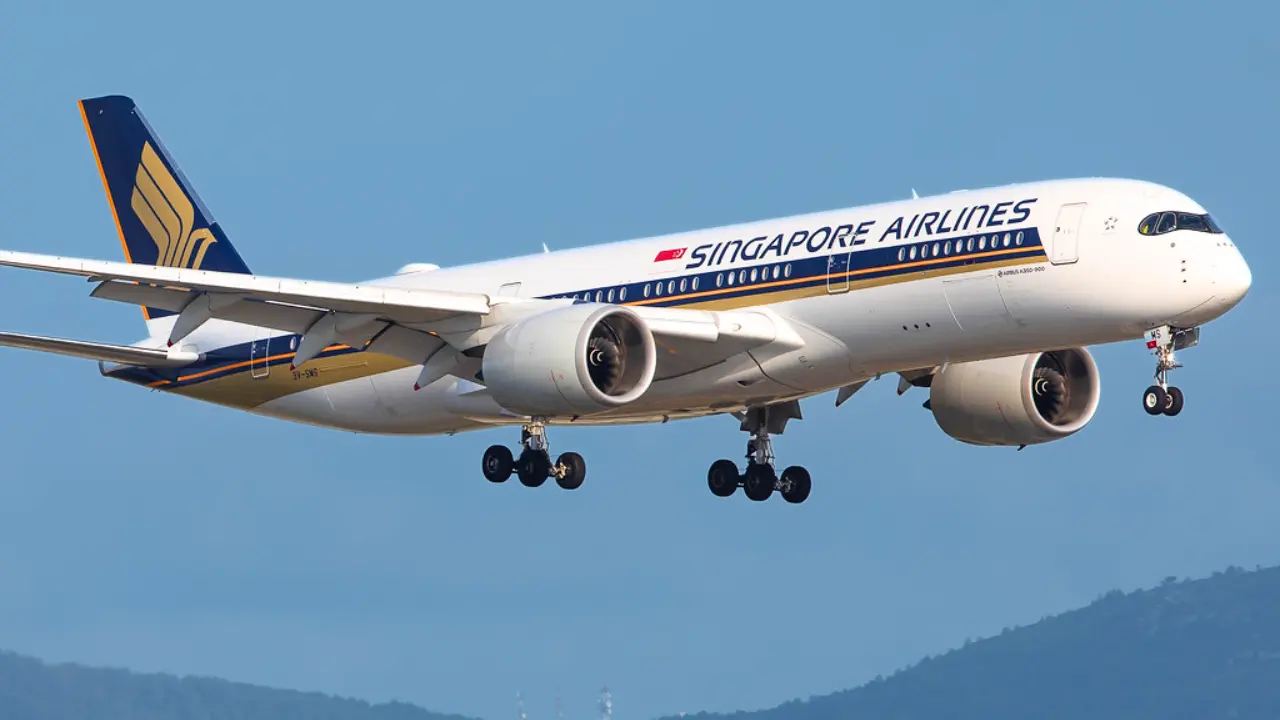
SINGAPORE– A doctor travelling aboard a long-haul flight with Singapore Airlines (SIA) has spoken of his decision to help when a fellow passenger collapsed mid-air, and of the toll the attempt took, even though it ended in tragedy.
The incident occurred on flight SQ378 from Singapore (SIN) to Milan (MXP) during the early hours of 5 November. Dr Desmond Wai, a gastroenterologist at a specialist clinic, was seated with his family when the cabin crew announced a medical emergency and asked for any doctor on board to assist.
Singapore Airlines Doctor Tale
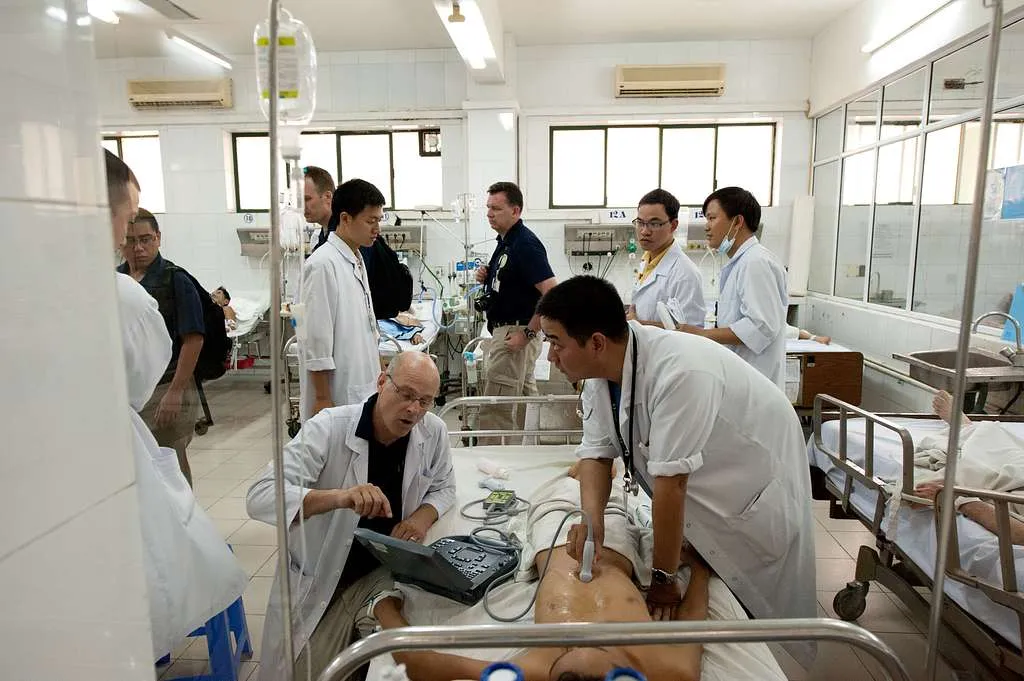
Dr Wai found a middle-aged man lying on the cabin floor, with the crew already having brought an automated external defibrillator (AED) and emergency medications into play. Together, the doctors began cardiopulmonary resuscitation (CPR) and used the AED multiple times.
Acting without hesitation, he joined two other doctors and the cabin-crew team at the rear of the aircraft.
The cabin-crew training and medical-equipment readiness impressed him, and he said the response was “standardised” in principle.
Despite nearly 30 minutes of sustained efforts, the medical responders observed no pulse, dilated pupils, and no breathing, and they eventually advised the crew to cease resuscitation.
Dr Wai expressed regret at the outcome but said that assisting was “my ethical duty” and part of a doctor’s role to help when needed.
Post-Flight and Procedural Review
Upon landing in Milan, local authorities met the medical personnel and requested statements about their actions during the emergency.
Dr Wai noted that although he is covered by medical-malpractice insurance in his professional work, the incident raised questions about liability in a non-clinical, in-flight setting. He said the situation weighed on him afterwards, but he would answer a similar call again.
The airline conveyed its deepest condolences to the passenger’s family and acknowledged the doctors and crew who assisted.
SIA confirmed that it has trained cabin crew in first-aid procedures and in using AEDs, and that it may seek medical assistance from qualified personnel on board.
Human impact and lessons
According to ChannelNewsAsia, the passenger’s wife, travelling with him, approached Dr Wai in tears after the landing and expressed her gratitude, saying: “Thank you, doctor, for trying.” He described that moment as the most touching of the ordeal.
The cabin crew, some of whom had never experienced a death in flight, were also visibly affected by the outcome.
Dr Wai later learnt that the passenger had advanced liver cancer and that his collapse was perhaps not unexpected. He reflected that in emergencies—whether in clinic or at 35,000 ft—doctors face uncertainty and must act swiftly despite limited information.
He encouraged other medical professionals to step forward in similar situations, and he shared aspects of the incident via videos on a social-media platform, receiving public appreciation for his efforts.
Bottom Pattern
The incident aboard SIA’s SQ378 underscores the unique challenges of in-flight medical emergencies and the critical role of trained professionals who volunteer assistance.
Although the resuscitation attempt did not succeed, it demonstrates the high standards of cabin-crew preparation and the readiness of medical professionals to act beyond the hospital environment.
Dr Wai’s account offers insight into both the practical and emotional dimensions of aviation-medical response, and highlights the human side of air travel safety and care.
Stay tuned with us. Further, follow us on social media for the latest updates.
Join us on Telegram Group for the Latest Aviation Updates. Subsequently, follow us on Google News
