


MELBOURNE– Jetstar Airways (JQ) is undertaking its most ambitious growth program to date from Melbourne Avalon Airport (AVV), launching its first international route from the airport to Bali (Denpasar) (DPS) and restarting domestic services to Adelaide Airport (ADL) while increasing capacity to Brisbane Airport (BNE).
This strategy adds over 330,000 new low-fare seats a year in and out of the airport serving Melbourne’s west and surrounding regions.
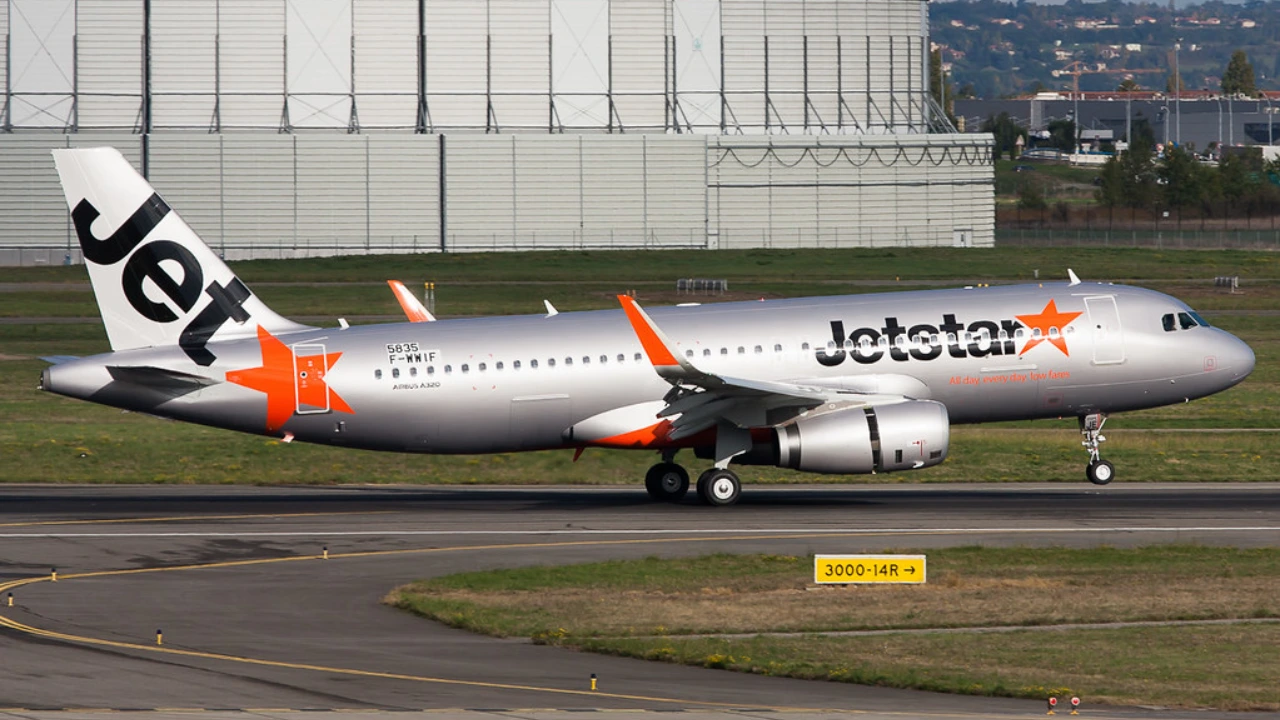
Jetstar’s Route Expansion
Jetstar’s move marks the first time Avalon will host an international route to Bali from Melbourne. The direct flight, slightly over six hours, provides residents of Melbourne’s western corridor, Geelong, the Surf Coast, and the Bellarine Peninsula with a convenient beach-holiday option.
The domestic expansion reconnection of Avalon-Adelaide restores a previously dormant link between Victoria and South Australia and supports up to 109,000 new seats annually. Additional weekly flights to Brisbane underpin broader growth in the east coast trade and leisure market.
The new Bali service will begin on 23 March 2026 with five return flights a week using JQ’s Airbus A321LR aircraft, delivering more than 120,000 additional seats annually on the Melbourne–Bali connection.
Meanwhile, up to seven return flights weekly will recommence between Avalon and Adelaide from 26 March 2026, adding around 109,000 seats per year. Jetstar will also add as many as five extra weekly flights to Brisbane, boosting capacity by roughly 107,000 seats.
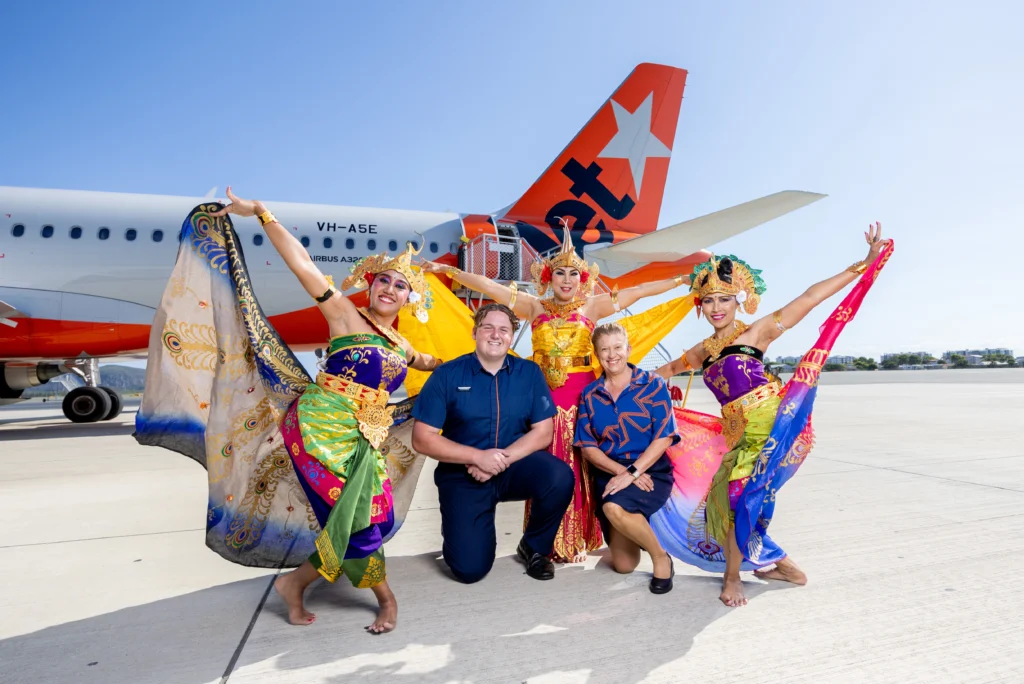
Low-Fare Capacity
To celebrate the launch, Jetstar is offering sale fares for 48 hours from midday on the day of announcement: one-way domestic fares from AUD $29 and international to Bali from AUD $199. Routes included Melbourne Avalon to Brisbane, Sydney, Gold Coast as well as Adelaide and Bali.
By injecting more than 330,000 seats annually across its Avalon network, the airline aims to stimulate demand both for local outbound travel and for inbound tourism to Victoria.
The capacity increase aligns with broader economic-development objectives for Melbourne West, Geelong, and regional access via Avalon.

https://commons.wikimedia.org/wiki/File:Jetstar_Airways_VH-VWQ_Airbus_A321-231_Melbourne_International_Airport_(MEL_YMML)_(50791311181).jpg
Infrastructure, Connectivity, and Strategic Implications
The expansion is supported by infrastructure enhancements at the airport. A terminal upgrade investment of roughly AUD $23 million will add more seating capacity, upgraded security lanes, extra parking and improved public-transport connectivity, including a new Route 18 bus to Lara Station serving Avalon seven days a week.
These upgrades support the international traffic expected with the Bali launch and reinforce Avalon’s role as a viable alternative gateway to the Melbourne market, particularly for budget-sensitive leisure and regional travellers.
For Jetstar, the Avalon expansion signals a strategic pivot toward more distributed routing and tapping into Melbourne’s western and regional catchments.
For Avalon Airport, it marks a step-change in its status—moving beyond purely domestic operations and reinforcing its relevance in the low-fare market.
For the broader Victoria region, the plan promises enhanced connectivity, tourist inflows and a boost to local employment and service sectors.
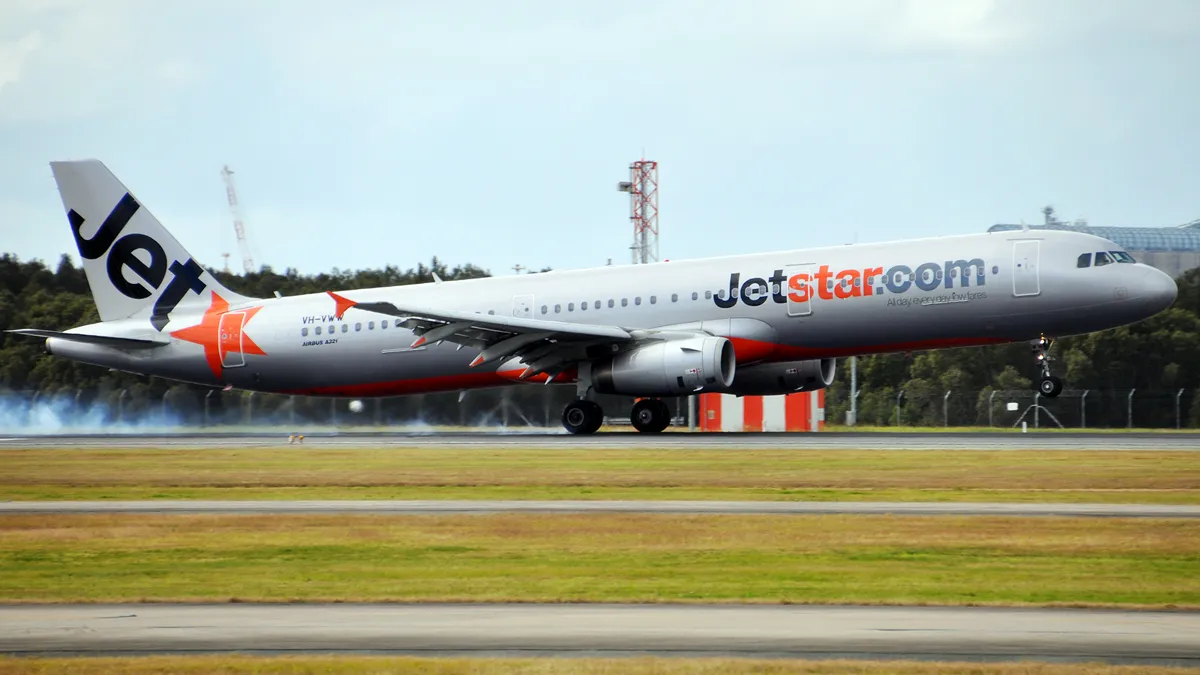
https://commons.wikimedia.org/wiki/File:VH-VWW_Airbus_A321-231_Jetstar_(6600844485).jpg
Bottom Line
Jetstar’s expansion from Melbourne Avalon with a new Bali route, revived Adelaide link, and increased Brisbane frequencies adds more than 330,000 low-fare seats annually, strengthening Avalon’s market position and enhancing travel options for Victoria’s west.
The move sets a new benchmark for low-cost carrier network development in the region and offers both domestic and international travel growth opportunities.
Stay tuned with us. Further, follow us on social media for the latest updates.
Join us on Telegram Group for the Latest Aviation Updates. Subsequently, follow us on Google News
