

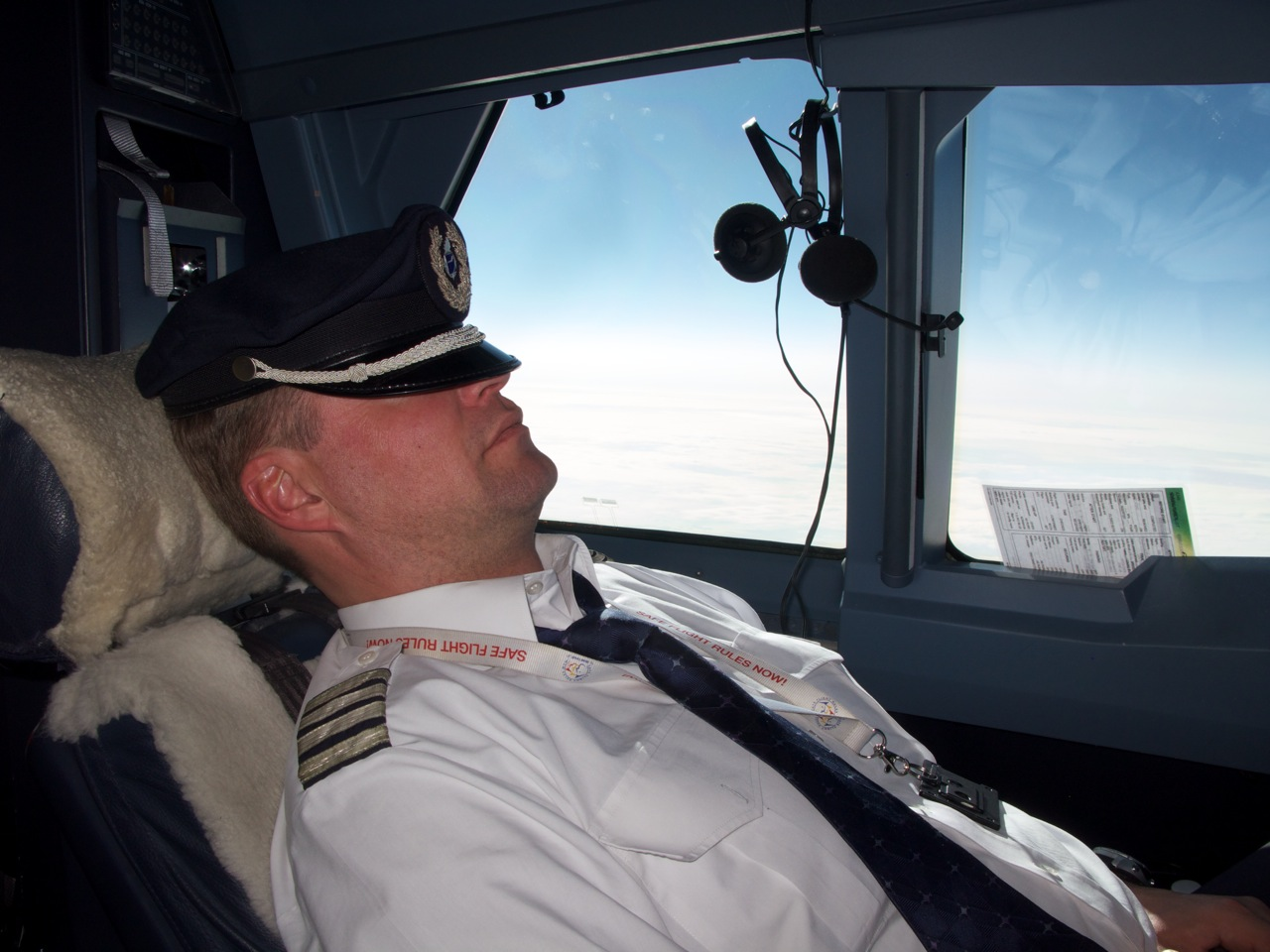
At many global airlines, pilots are officially allowed to take short, regulated naps while flying — a practice known as controlled rest. Yet in the United States, pilots flying for American carriers are prohibited from doing so by the Federal Aviation Administration (FAA).
The rule, while intended to enhance safety, is controversial. Many pilot unions and safety experts argue that this restriction may actually increase fatigue risk, especially on long-haul and red-eye flights departing major hubs like New York (JFK), Los Angeles (LAX), and Chicago (ORD).
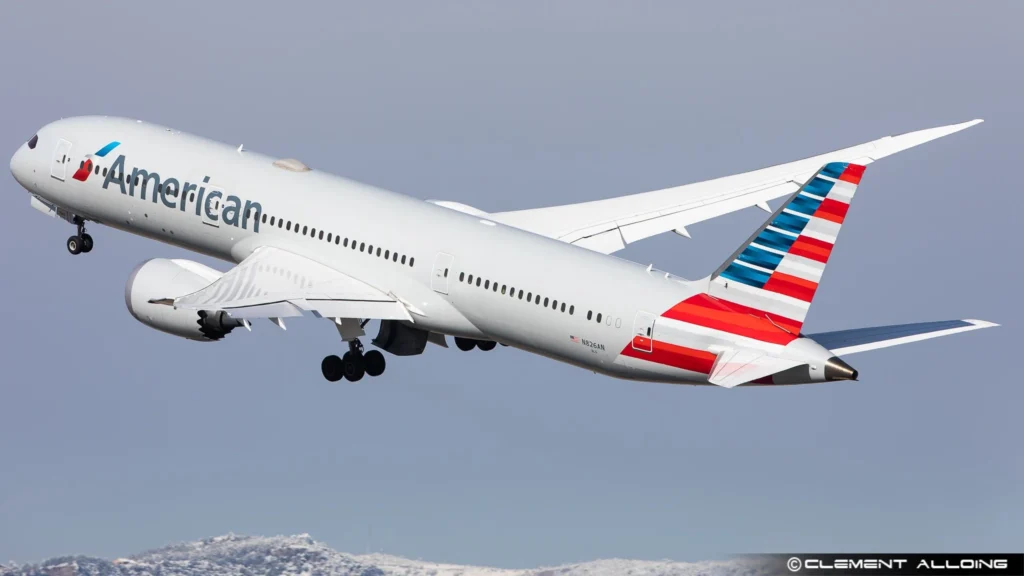
Why US Pilots Cannot Sleep Mid-Air
Controlled rest refers to short, planned naps taken by one pilot in the cockpit while the other remains fully alert. It’s not accidental dozing off — it’s a fatigue management technique regulated and approved in regions like Europe, Canada, and Australia.
According to PYOK, aviation regulators introduced controlled rest after studies showed that even well-rested pilots could experience sudden fatigue due to circadian disruptions or long duty hours.
In Europe, the European Union Aviation Safety Agency (EASA) has clear safety protocols for this practice: rest periods must not exceed 45 minutes, followed by a 20-minute recovery phase.
The resting pilot must resume full alertness at least 30 minutes before descent. The non-resting pilot is responsible for maintaining communication with air traffic control and monitoring all systems.
EASA’s research found that pilots who take controlled rest maintain higher levels of alertness during descent and landing — the most critical phases of flight. This structured approach helps reduce errors linked to fatigue, contributing to overall operational safety.
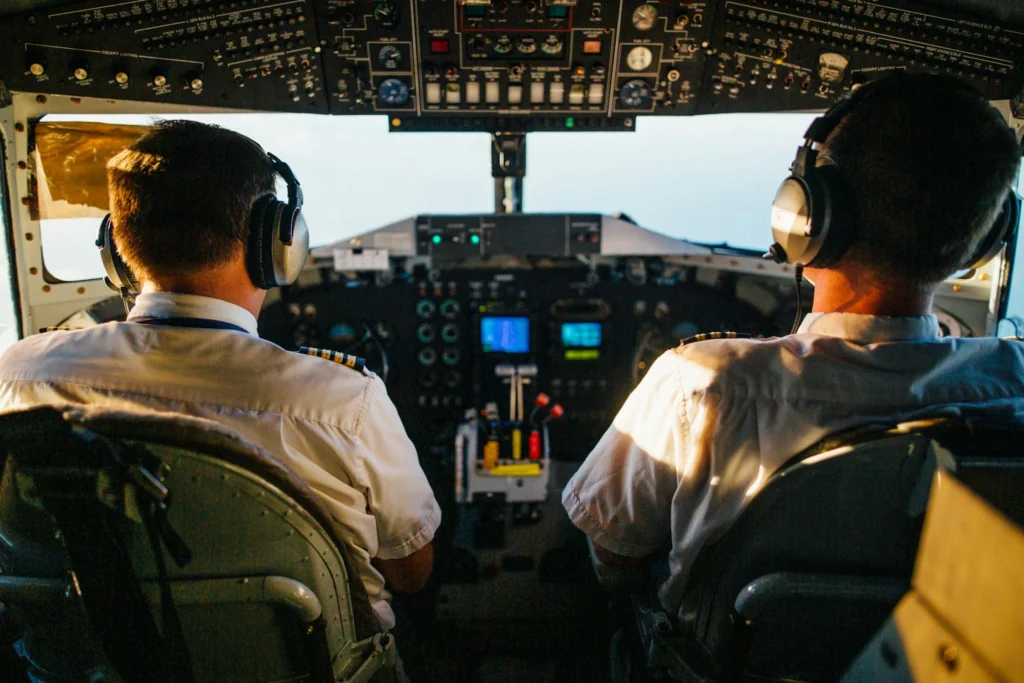
Why US Pilots Can’t Nap in Flight
Despite similar fatigue challenges, the FAA has never approved controlled rest in the cockpit. Instead, the agency relies on scheduling limits, crew rotation policies, and onboard rest facilities on long-haul flights.
Pilots can rest only when replaced by another crew member in designated rest bunks, not in their active cockpit seats.
Critics argue this approach is outdated. U.S. airline schedules often include overnight routes and multiple time-zone crossings, leaving pilots vulnerable to fatigue even with legal duty-hour restrictions.
Advocates believe adopting controlled rest could make flying safer, not riskier, by allowing pilots to briefly recharge during low-workload cruise phases.
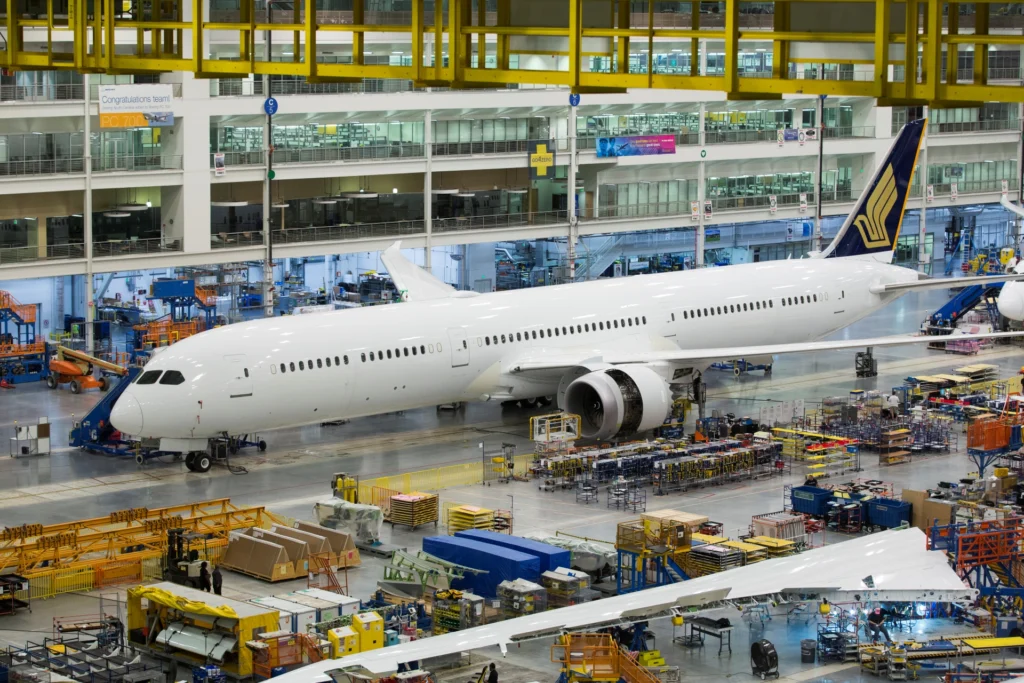
Boeing 787 Cockpit Seat Issue
Interestingly, the Boeing 787 Dreamliner presents a separate challenge for controlled rest. A design issue involving the cockpit door’s safety mechanism prevents the captain’s seat from fully reclining.
The FAA identified that, during decompression, a heavy cockpit panel could detach and strike the pilot’s head in as little as 20 milliseconds.
To mitigate the risk, the FAA mandated a mechanical limiter that restricts how far the seat can recline.
European airlines, which depend on controlled rest procedures, strongly opposed the directive, arguing that fatigue-related risks outweigh the minimal decompression hazard. Still, the FAA enforced the rule, aligning with its broader stance against in-seat rest.
Global Fatigue Management Perspectives
Many countries recognize fatigue as a major safety threat in aviation. Controlled rest, supported by evidence-based guidelines, helps pilots maintain performance during critical operations.
The United States remains an outlier, relying primarily on preventive scheduling rather than in-flight fatigue recovery.
As more data emerges from international studies, the debate may resurface within the FAA and U.S. pilot associations. Until then, passengers flying U.S.-registered airlines can expect their pilots to stay awake for the entire flight — regardless of how long it lasts.
Stay tuned with us. Further, follow us on social media for the latest updates.
Join us on Telegram Group for the Latest Aviation Updates. Subsequently, follow us on Google News
