

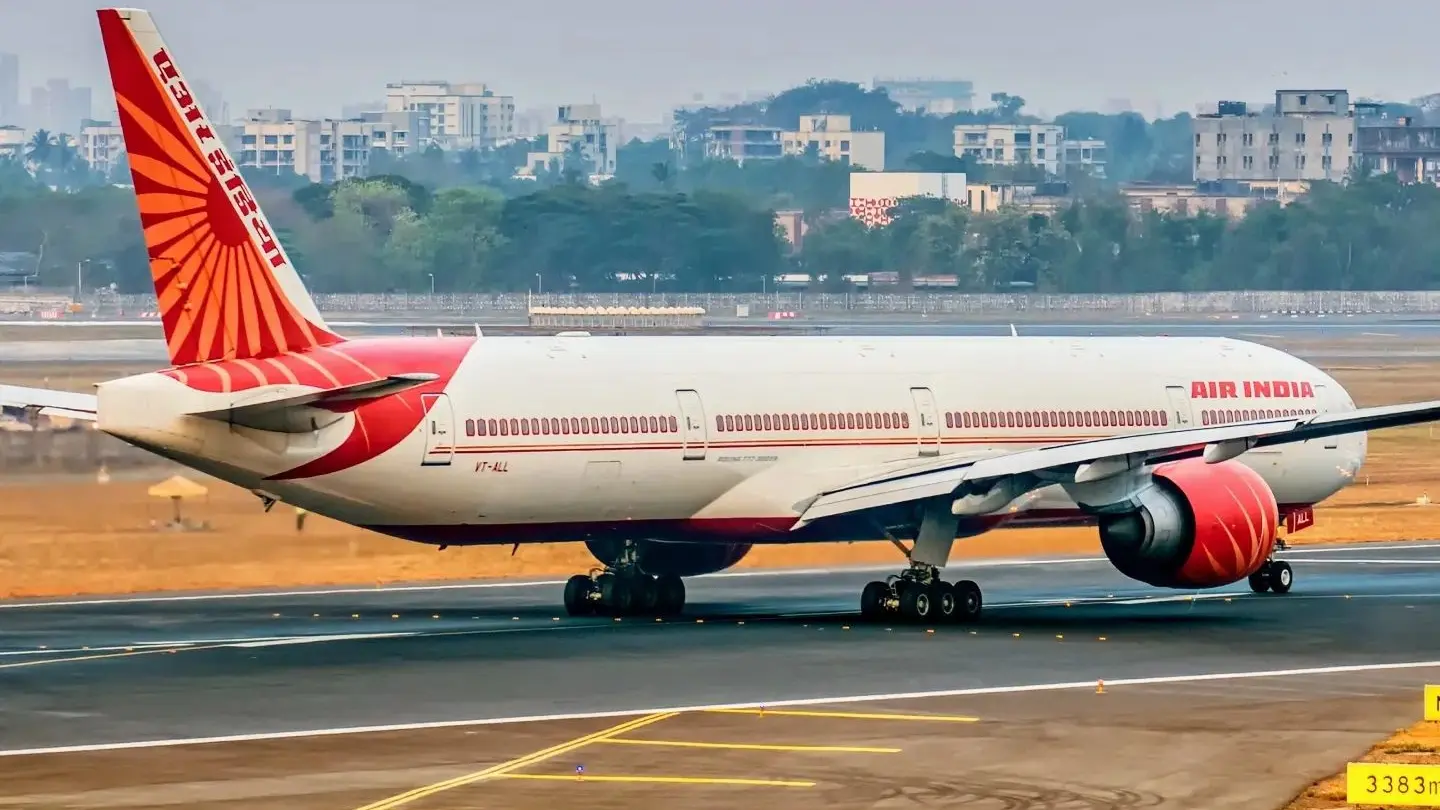
MUMBAI- Passengers on Air India (AI) flight AI129 from Chhatrapati Shivaji Maharaj International Airport (BOM) in Mumbai to London Heathrow Airport (LHR) found themselves stranded for nearly seven hours on Saturday (November 8, 2025) after a technical snag forced a major delay.
The flight, originally scheduled to depart at 06:30 IST, was pushed back to 13:00 IST, causing considerable disruption among travellers. Passengers received a hint of the delay in the morning when boarding was expected to commence at 05:20, but the process started around 06:00.
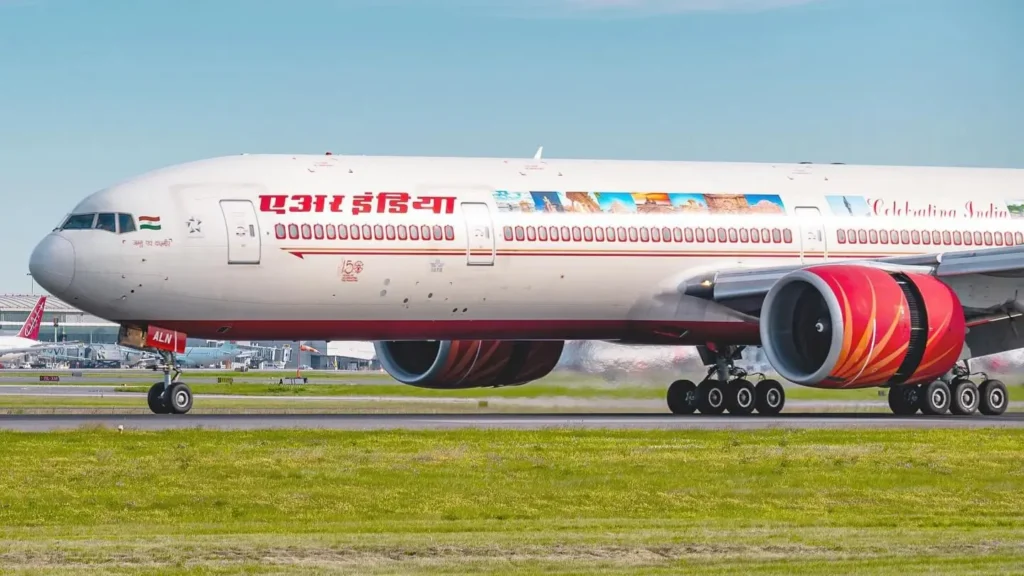
Air India London Flight Delayed
The airline attributed the hold‑up to a “technical issue” and confirmed that refreshments were made available to the affected travellers.
While the exact nature of the technical fault has not been specified, this disruption adds to recent punctuality challenges for Air India’s wide network.
The airline itself has acknowledged that operating a large hub‑and‑spoke model from busy airports such as Mumbai makes it more vulnerable to cascading delays from airport congestion and air‑traffic‑control constraints.
After boarding, passengers sat inside the aircraft for approximately 1.5 hours before crew members announced the detection of a technical problem and asked everyone to de‑board at about 08:15.
Their hand baggage was re‑checked, and a revised departure time of noon was announced, which later slipped to 13:00.

Impact on Passengers
Many of the passengers on board had stayed awake overnight in preparation for an early morning departure, only to face extended waiting in an aircraft and later in the terminal.
Frustration was expressed on social media platforms, with complaints about the lack of clear updates and the length of the delay. Some highlighted the discomfort of being de‑boarded and re‑boarded amid uncertainty over the revised departure.
For an international route of this calibre—departing one of India’s busiest airports—the seven‑hour delay will also likely have knock‑on effects on connections and onward travel arrangements.
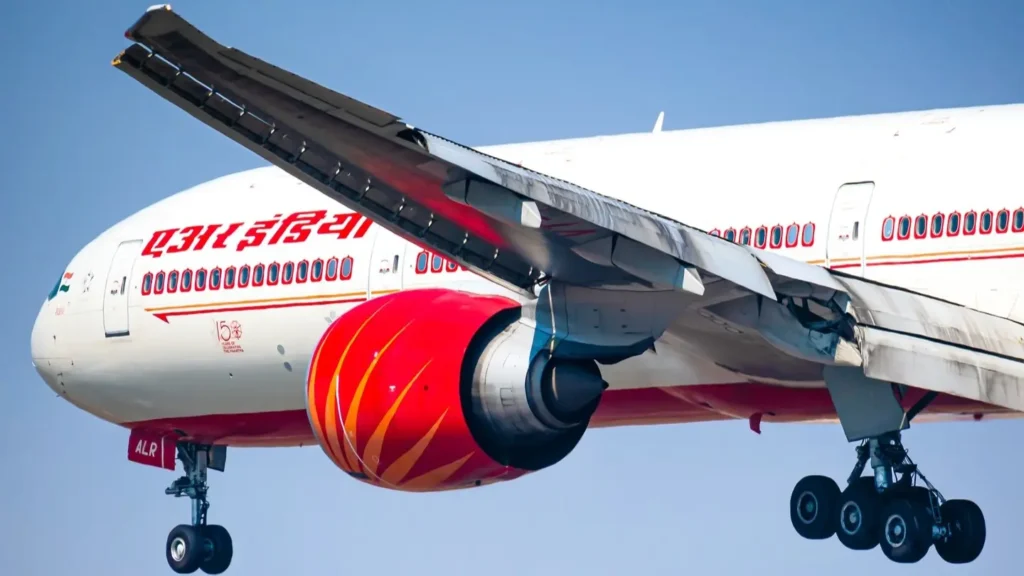
Airport Operational Challenges
Mumbai’s airport operations remain under pressure, and nearby events at the Indira Gandhi International Airport (DEL) in Delhi recently compounded matters.
The day before this incident, an air‑traffic‑control messaging‑system glitch at Delhi impacted more than 800 flights, prompting ripple effects across India’s air‑traffic network.
That turbulence at Delhi and the dense schedule at Mumbai create a risk‑laden environment for large carriers such as Air India, which handle thousands of inter‑connecting passengers and maintain complex schedules.
Air India’s operational model, which relies heavily on Mumbai as a hub for both international and connecting domestic services, means that any delay can affect onward connections and crew scheduling.
Combined with ongoing passenger growth, constrained airport infrastructure, and peak-hour traffic, the environment becomes highly susceptible to compounded delays.
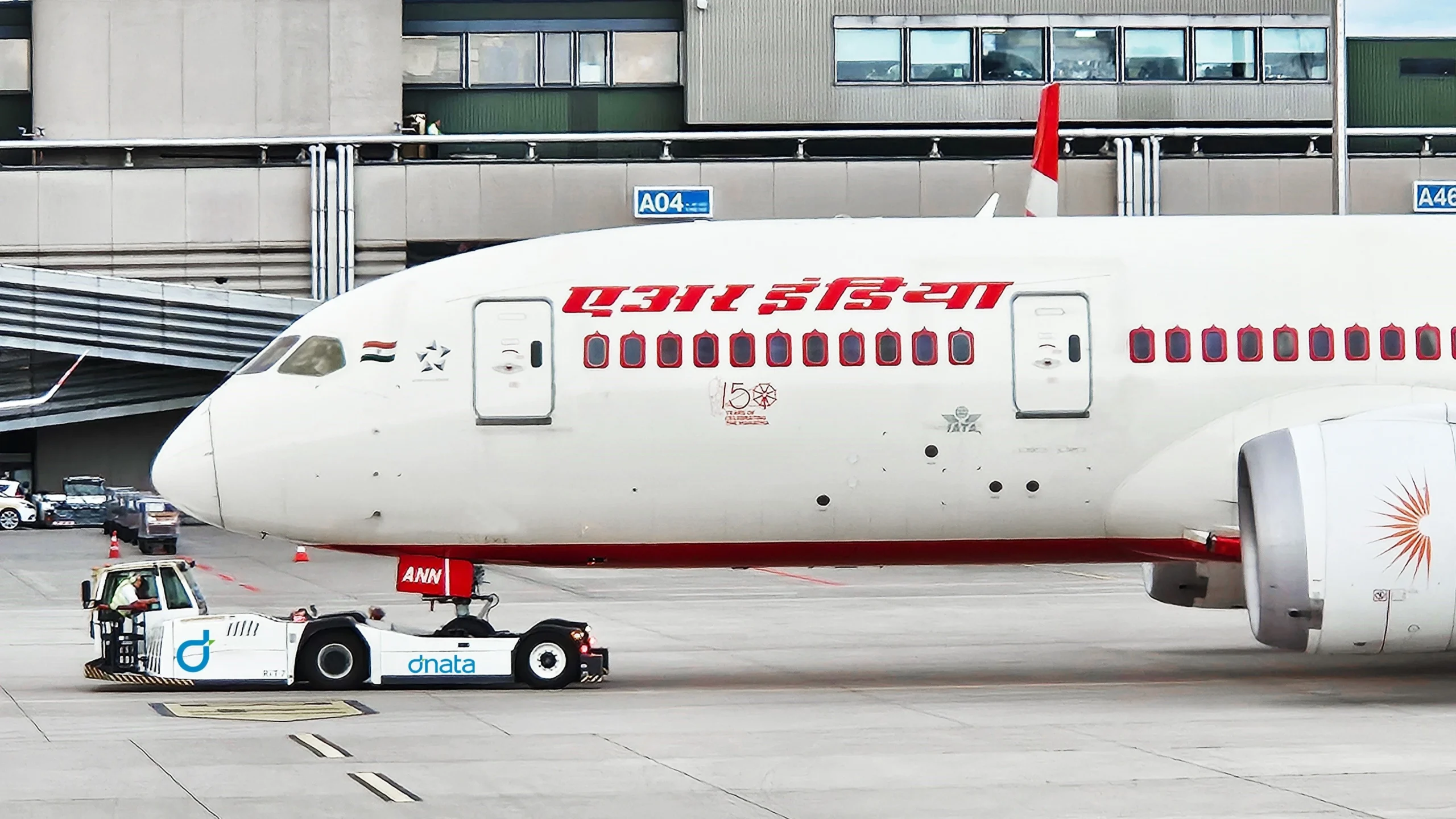
Bottom Line
The delay of Air India’s Mumbai–London flight AI129 by nearly seven hours underscores the vulnerabilities in international aviation operations at major Indian gateways.
For the airline and its hub infrastructure, the incident serves as a reminder that technical faults—coupled with system‑wide congestion—can rapidly escalate into major disruptions.
As global travelers increasingly demand reliability, the emphasis now must be on proactive communication, robust contingency planning, and streamlined operational recovery to prevent such stand‑outs from becoming routine.
Stay tuned with us. Further, follow us on social media for the latest updates.
Join us on Telegram Group for the Latest Aviation Updates. Subsequently, follow us on Google News
