

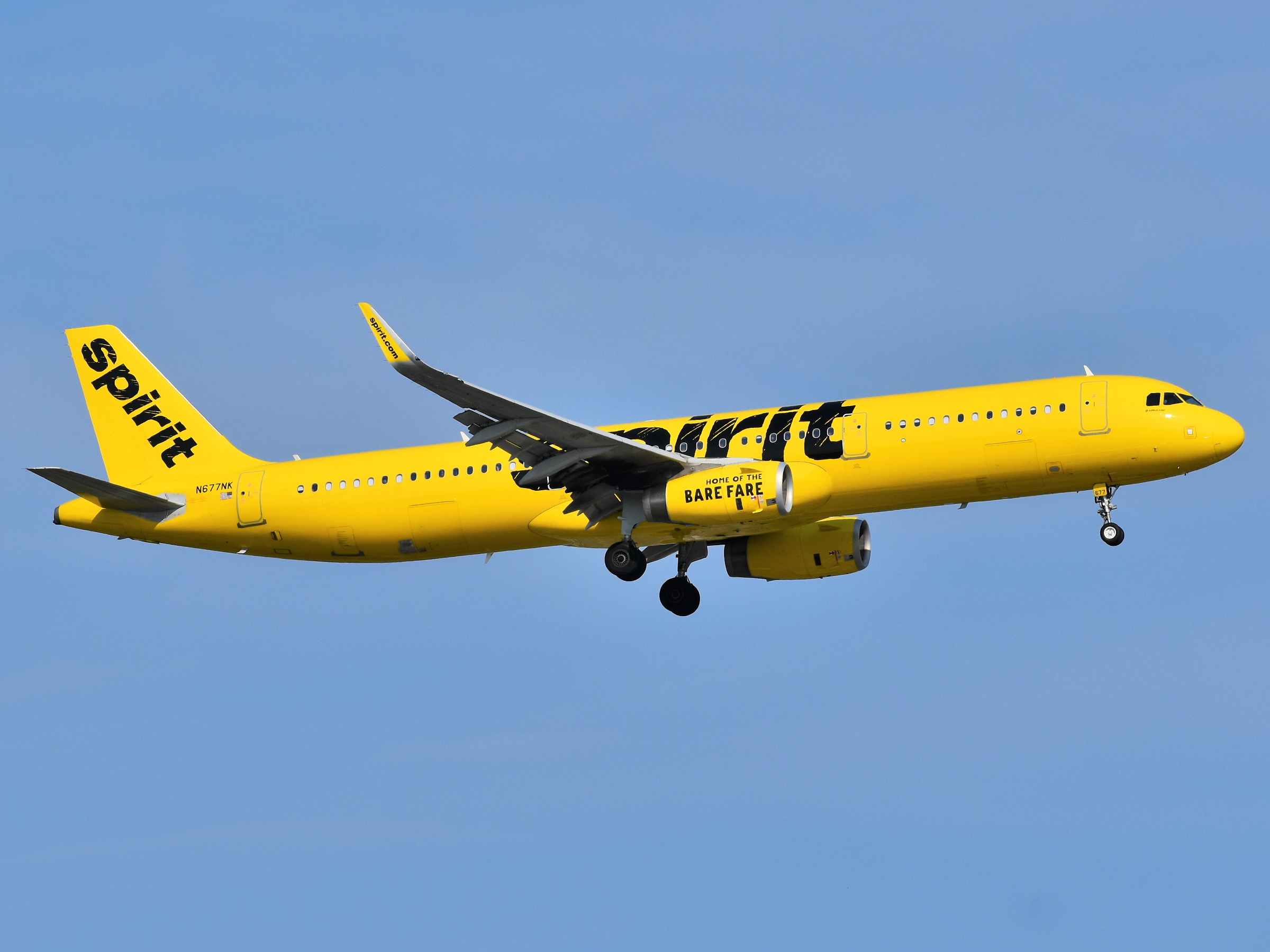
MIRAMAR- Spirit Airlines (NK) is seeking $100 million in labor concessions from its pilots and flight attendants as part of urgent negotiations tied to its ongoing Chapter 11 bankruptcy proceedings.
The low-cost carrier must secure at least one tentative deal with unions by Thursday to unlock the next phase of its $475 million Debtor-in-Possession (DIP) financing, approved by the U.S. Bankruptcy Court in New York (JFK).
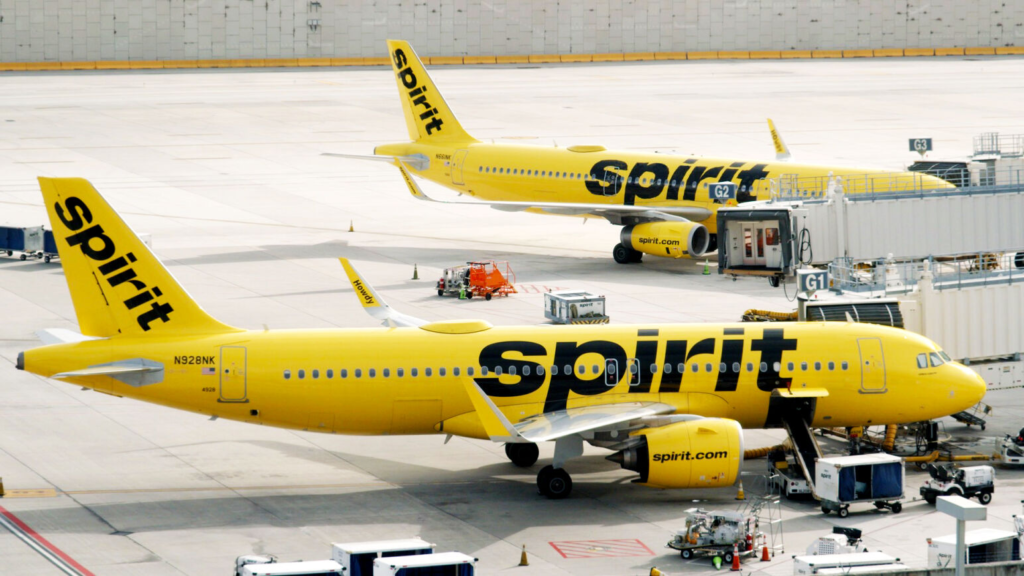
Spirit Airlines Eyes $100M Concessions
Florida-based carrier Spirit Airlines is racing to meet a critical deadline to access the second tranche of its DIP financing, a key source of cash to keep operations running.
Nearly half of the $475 million funding has already been used to maintain flights and pay suppliers. To receive the rest, Spirit must show it has reached agreements “in principle” with at least one major labor group.
The airline has approached both the Air Line Pilots Association (ALPA) and the Association of Flight Attendants-CWA (AFA-CWA) seeking concessions totaling $100 million. These cost-saving measures are viewed by lenders as essential to Spirit’s short-term financial stability and to meeting court requirements tied to the Chapter 11 restructuring.
If negotiations fail, Spirit has warned it may invoke Section 1113 of the Bankruptcy Code, which allows companies under Chapter 11 to modify or reject collective bargaining agreements if deemed necessary for survival.
The company has already informed the flight attendants’ union of this potential move, putting additional pressure on talks.
Union Reactions and Negotiation Challenges
The Association of Flight Attendants (AFA-CWA) confirmed that discussions with management have intensified but are constrained by time. In an internal memo, the union told members it faces a “tight deadline” to agree to cost-saving measures and avoid unilateral cuts through bankruptcy court actions.
Union leaders have drawn clear boundaries, stating they will not agree to reductions in base pay or increased health care contributions. They argue that any concessions should be temporary and tied directly to Spirit’s financial recovery plan.
Meanwhile, pilots represented by ALPA are reportedly evaluating proposals but have not confirmed if a deal is imminent. Both groups are balancing the need to preserve jobs with the risk of losing leverage in bankruptcy proceedings, PYOK flagged.
Restructuring and Workforce Impact
Spirit has already made significant cuts to reduce operating costs. In late September, the airline announced plans to furlough around 1,800 flight attendants—roughly one-third of its crew workforce.
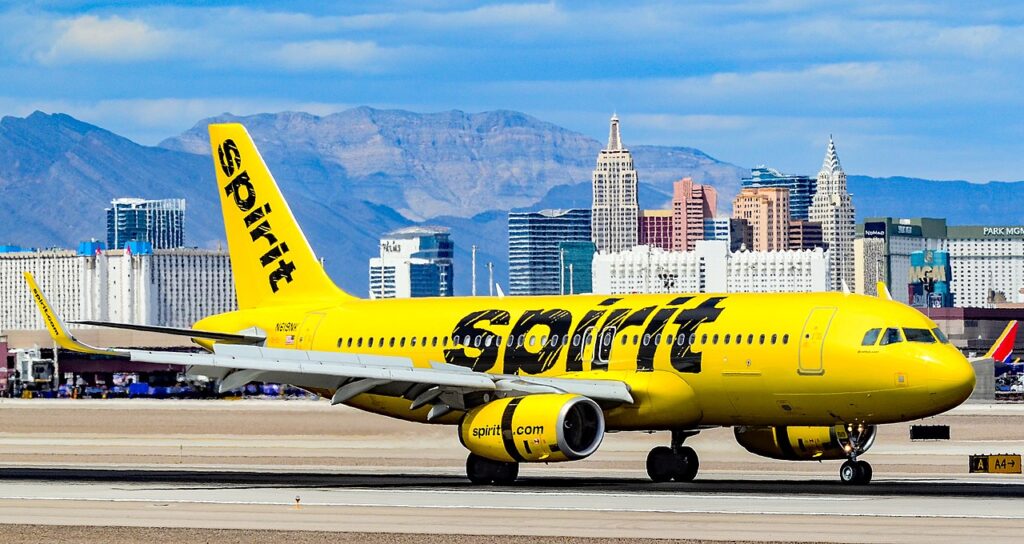
The carrier has also eliminated unprofitable routes, returned leased aircraft, and relinquished gates and slots at several airports to trim expenses.
This marks Spirit’s second Chapter 11 process in less than a year. The first, a pre-packaged restructuring, involved new funding from lessors without altering the core business model. However, that cash was quickly depleted, prompting the current reorganization.
Chief Executive Dave Davis has stated that this bankruptcy aims for a deeper transformation—one focused on resizing the airline to match demand and achieve sustainable profitability. The company hopes the new structure will stabilize operations and restore investor confidence.
Looking Ahead
Spirit’s future hinges on its ability to balance labor relations with financial recovery. Achieving voluntary agreements with unions would demonstrate stability to lenders and regulators, paving the way for long-term recovery.
Failure to do so could trigger forced contract modifications and deepen labor tensions at a critical time for the airline.
As negotiations continue, the next 24 hours are pivotal for Spirit’s path through Chapter 11—and for thousands of employees awaiting clarity on their jobs and pay.
Stay tuned with us. Further, follow us on social media for the latest updates.
Join us on Telegram Group for the Latest Aviation Updates. Subsequently, follow us on Google News
