

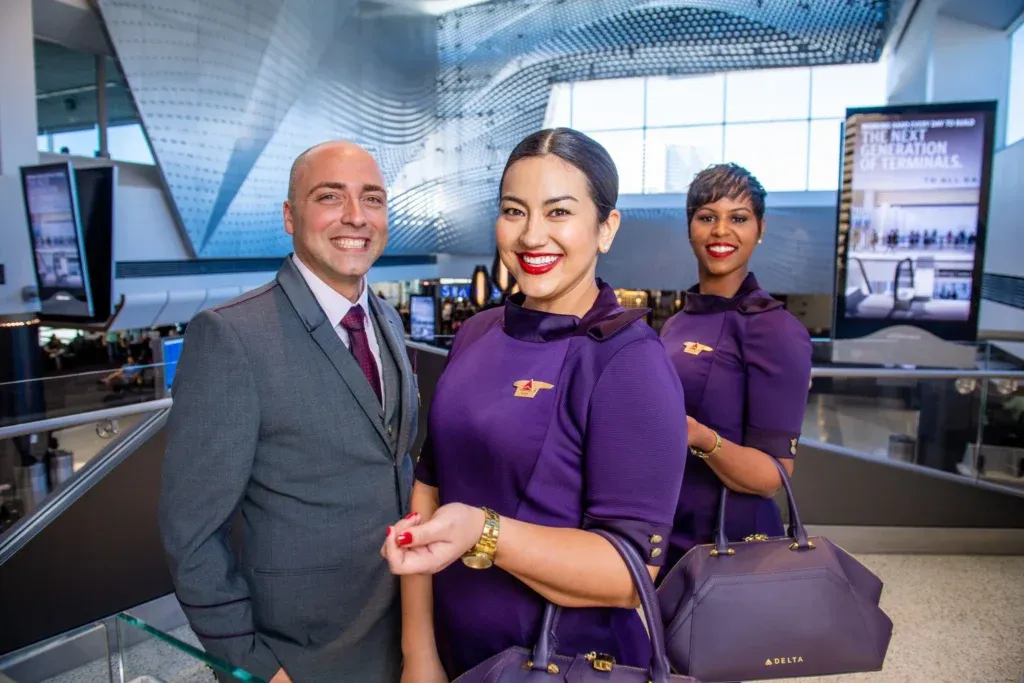
If you’ve ever spotted a tennis ball rolling out of a flight attendant’s bag, you might have wondered — do they actually play tennis between flights? The answer is no.
That small green ball isn’t for sport — it’s one of the smartest and cheapest travel hacks cabin crew swear by. And once you know why, you might start packing one too.
Tennis Ball Trick for Long Hours in the Sky
Flight attendants spend hours standing, walking up and down the aisle, and lifting heavy service carts — often while maintaining a smile at 38,000 feet. Those long shifts can take a toll on the body. Tight calves, sore shoulders, swollen ankles — it’s all part of the job.
That’s where the tennis ball comes in. It’s a simple, lightweight tool that acts like a mini massage roller. Crew members use it during breaks or at their hotel to relieve muscle tension. By rolling the ball under their feet or against a wall, they can ease stiffness and improve blood circulation.
Think of it as a do-it-yourself massage — no expensive device, no spa needed. Just a tennis ball, a few minutes, and a bit of pressure in the right spots.
How Flight Attendants Actually Carry a Tennis Ball
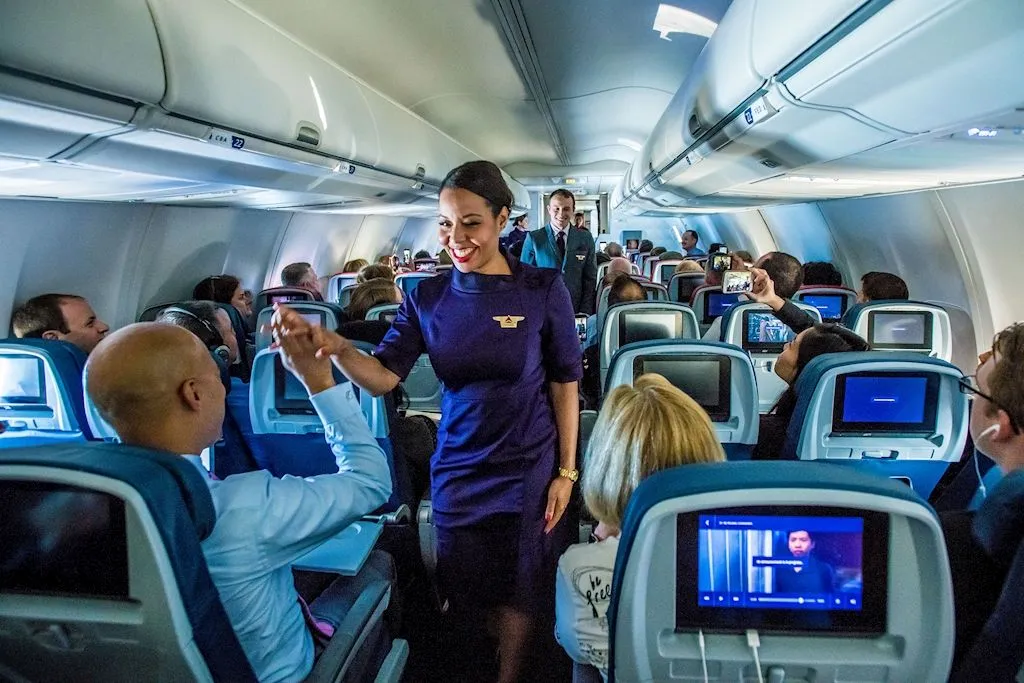
You don’t need to be an athlete to use this trick. Most flight attendants keep one tennis ball tucked inside a sock or pouch to use discreetly.
During long flights, they might slip off their shoes and roll the ball under their arches. It helps reduce swelling, relax the muscles, and restore comfort before landing.
Others use it after the flight — pressing the ball between their back and a wall to release shoulder tension, or sitting on it to work tight glutes and hips. The idea is simple: use gentle, controlled pressure to loosen areas that feel tight from sitting or standing too long.
Here are a few ways travelers can use it too:
- Under your feet: Roll slowly from heel to toe for about a minute. This helps stimulate blood flow and prevent stiffness.
- Back and shoulders: Stand against a wall with the ball between your back and the surface. Roll gently to ease upper back tension.
- Glutes and hips: Sit down, cross one ankle over the other knee, and place the ball under your hip. Move slowly until you find a tight spot, then stay there for 20–30 seconds.
These quick routines can make a noticeable difference, especially on long-haul flights or during layovers.
Science Behind the Trick
It may sound like a small thing, but there’s real science behind this crew secret. When you apply pressure using a tennis ball, you’re targeting your fascia, which is the connective tissue that surrounds your muscles. Over time, tight fascia can restrict movement and cause discomfort.
Rolling the ball over these areas works much like self-myofascial release, a method used by athletes and physiotherapists to relieve tension and improve mobility. It helps stimulate blood flow, reduces swelling, and releases muscle knots.
Air travel, in particular, limits movement and exposes the body to changes in cabin pressure that can cause mild inflammation. The tennis ball technique helps counteract those effects, even in the limited space of an airplane seat.
And unlike bulky foam rollers or massage guns, a tennis ball weighs almost nothing. It fits easily into any bag and won’t raise eyebrows at airport security — it’s approved in both carry-on and checked luggage in most countries, including the U.S. and the EU.
Bottom Line
For flight attendants, the tennis ball is more than a travel accessory — it’s a small lifesaver during long hours on their feet. It’s lightweight, affordable, and effective, turning a simple break into a moment of recovery.
Passengers can benefit just as much. Whether you’re flying for business, heading on vacation, or sitting through a red-eye, this trick helps you arrive feeling fresher and more relaxed. Just a few minutes of rolling underfoot or behind your back can make a long flight far more bearable.
So next time you’re packing, toss a tennis ball into your bag. You may not be preparing for a match, but you’ll definitely score some comfort points mid-air.
Stay tuned with us. Further, follow us on social media for the latest updates.
Join us on Telegram Group for the Latest Aviation Updates. Subsequently, follow us on Google News
