


GURUGRAM- Air India Express (IX), owned by the Tata Group, is rolling out a major cabin retrofit program to standardize its Boeing 737-8 fleet. The initiative is designed to add about 650 extra seats, equivalent to four additional aircraft, without expanding the fleet size.
The airline aims to replace its current mixed cabin layout with a single all-economy configuration, improving operational efficiency, reducing turnaround time, and cutting unit operating costs by nearly 15 percent, The Hindu BusinessLine reported.
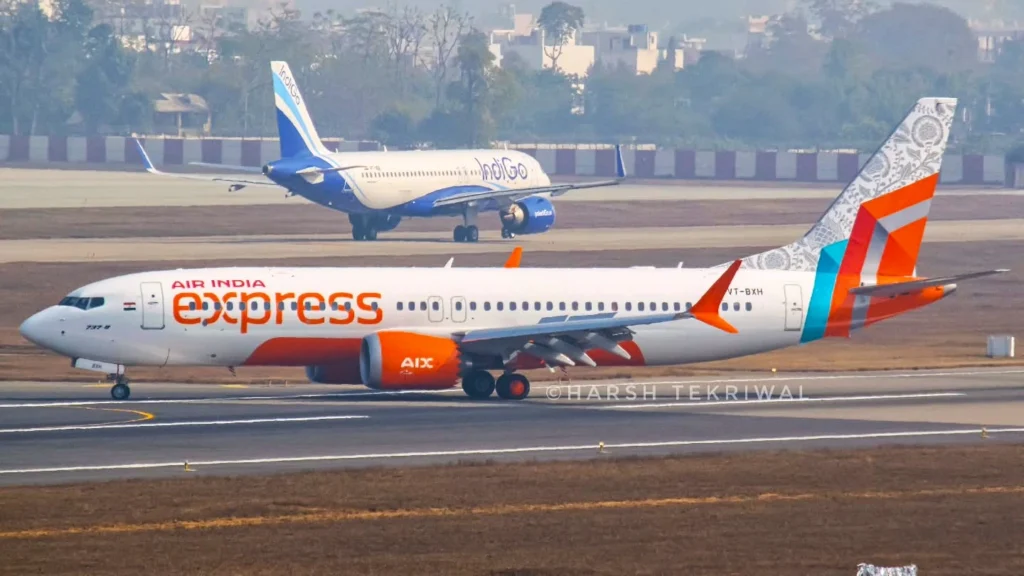
Air India Express to Retrofit 737-8 Fleet
The retrofit program marks a key phase in Air India Express’s fleet optimization strategy. Currently operating 116 aircraft—76 Boeing 737s and 40 Airbus A320s—the carrier’s fleet includes planes originally built for other airlines, including Chinese carriers.
This has led to inconsistent cabin layouts, which have created logistical challenges for an airline that relies on quick turnarounds and high daily utilization.
By shifting to a uniform 189-seat, all-economy configuration across all Boeing 737-8 aircraft, Air India Express expects to simplify maintenance, crew training, and in-flight operations.
According to company sources, the densification will enhance seat capacity by around four aircraft equivalents, while spreading operating costs across a larger passenger base.
A standardized cabin also supports the airline’s low-cost model, where speed, simplicity, and consistency drive profitability. “Every aircraft will soon have a uniform economy layout, allowing faster services and a consistent onboard experience,” said a source familiar with the retrofit project.
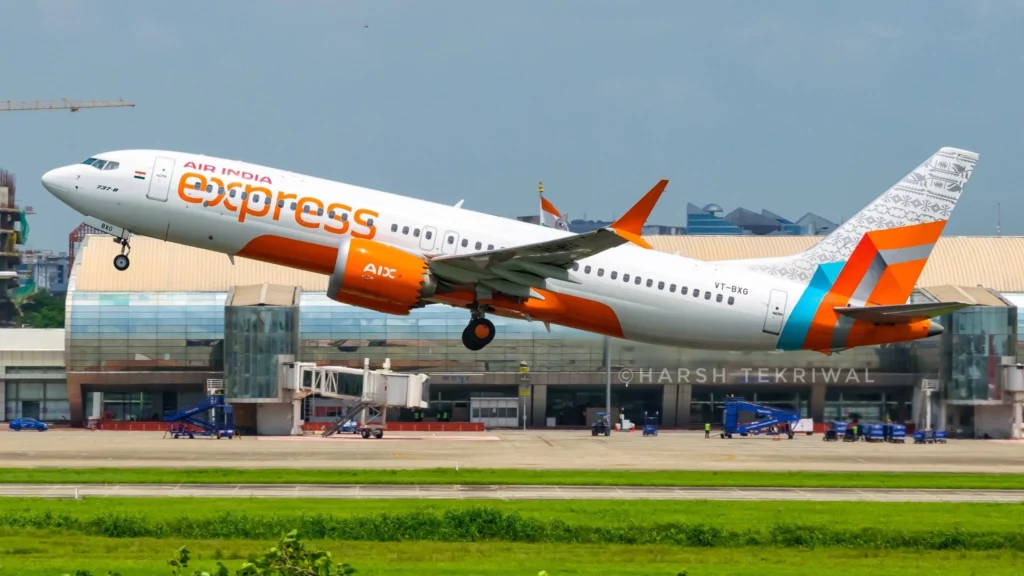
Boosting Efficiency Without Expanding the Fleet
Fleet standardization offers multiple operational advantages. With identical cabin designs, Air India Express can rotate aircraft freely across domestic and international routes, such as from Delhi (DEL) and Dubai (DXB), depending on demand. This flexibility reduces idle time and helps the airline deploy capacity where it’s most needed.
The retrofit also simplifies engineering and spare parts management, reducing costs tied to inventory and technical variations. Additionally, standardized seating helps streamline crew operations—important for an airline that now runs over 500 daily flights to 41 domestic and 17 international airports.
The transition will involve temporary grounding of aircraft and upfront investment, but industry analysts say the long-term benefits—lower unit costs, faster turnaround, and higher utilization—will outweigh short-term disruptions.
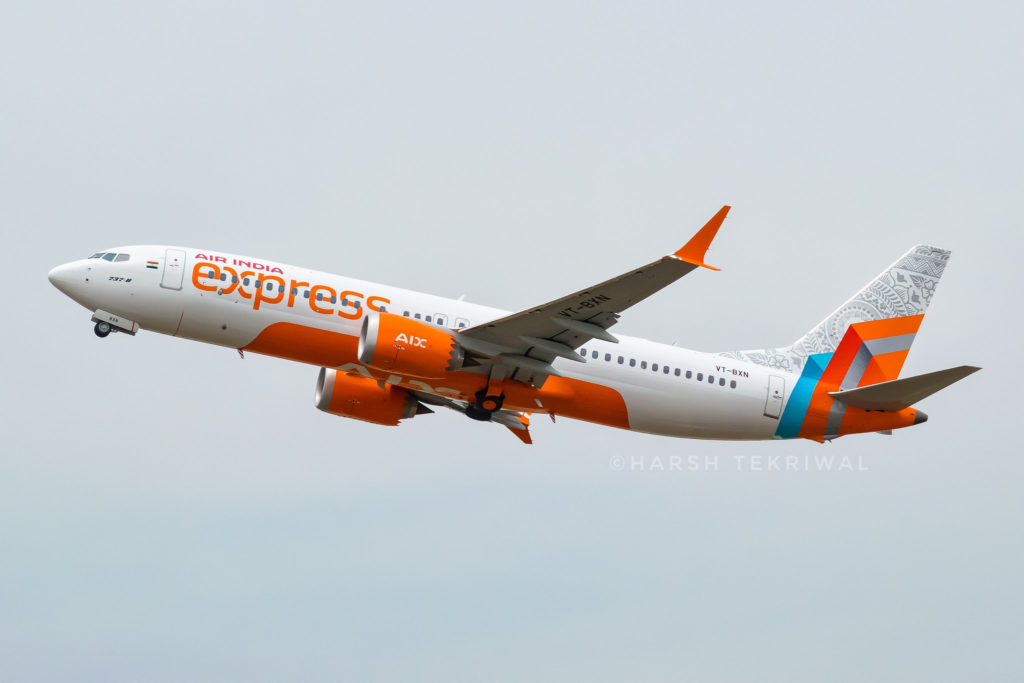
Aligning with Global Low-Cost Carrier Standards
Air India Express’s move mirrors the strategy of top-performing low-cost airlines worldwide, which rely on a single-class, single-type fleet for efficiency. Standardization not only cuts maintenance and training costs but also supports consistent service delivery.
A senior executive said, “This step strengthens cost and operational efficiency across our network. It enhances flexibility, improves turnaround times, and elevates the guest experience. Our goal is to build a structurally efficient, high-performance airline capable of sustaining growth.”
Since joining the Tata Group, Air India Express has grown rapidly—from about 25 aircraft to more than 110—serving 60 destinations. The retrofit signals the airline’s next phase of transformation toward becoming a unified, cost-competitive carrier within the Air India group.
Stay tuned with us. Further, follow us on social media for the latest updates.
Join us on Telegram Group for the Latest Aviation Updates. Subsequently, follow us on Google News
