

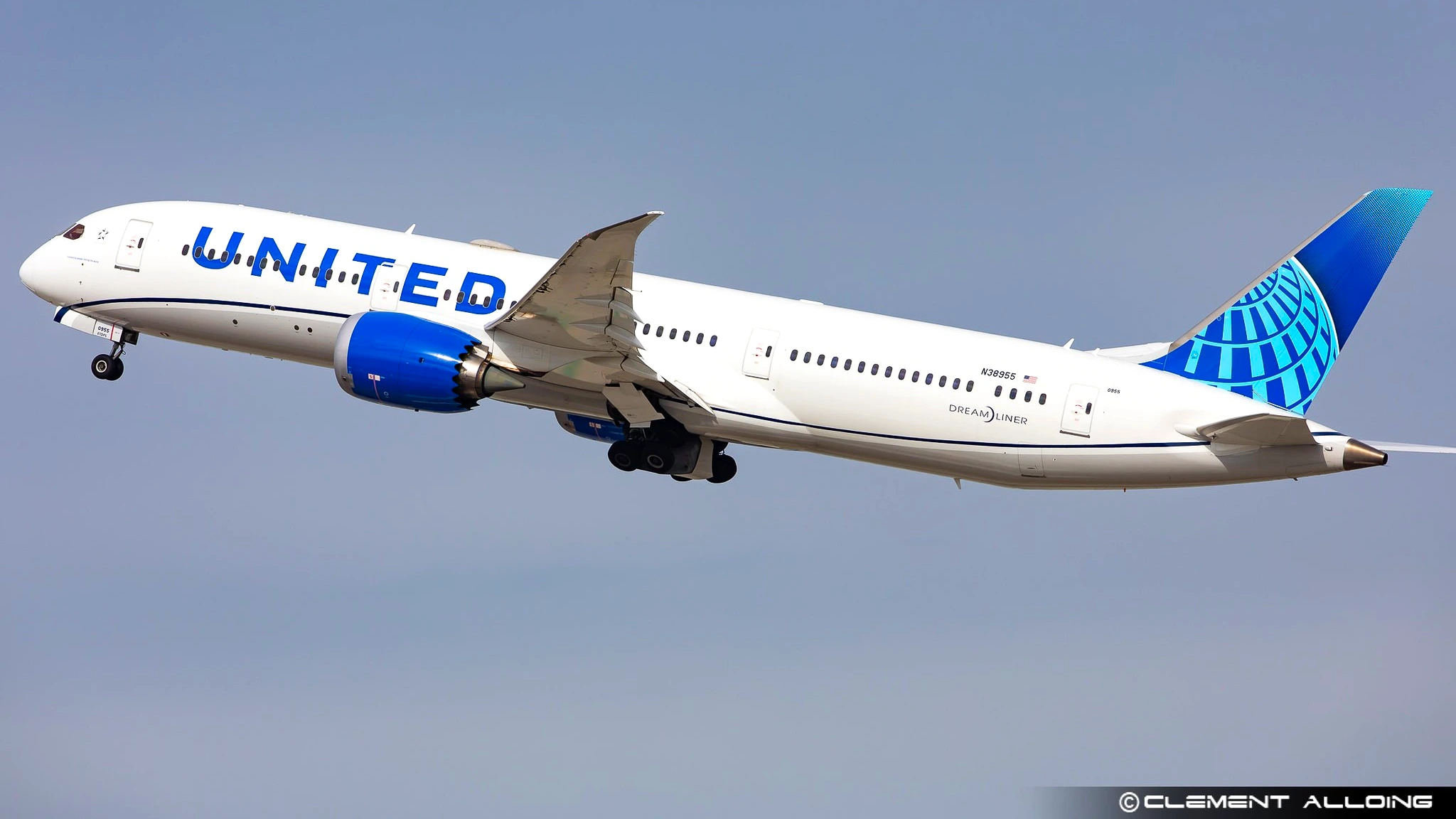
CHICAGO- A recent incident on United Airlines (UA) Flight UA64 from Newark (EWR) to Lisbon (LIS) highlighted the challenges pilots face in balancing safety and passenger needs, Captain Luis Perez shared his regret publicly, turning a routine delay into a story of compassion.
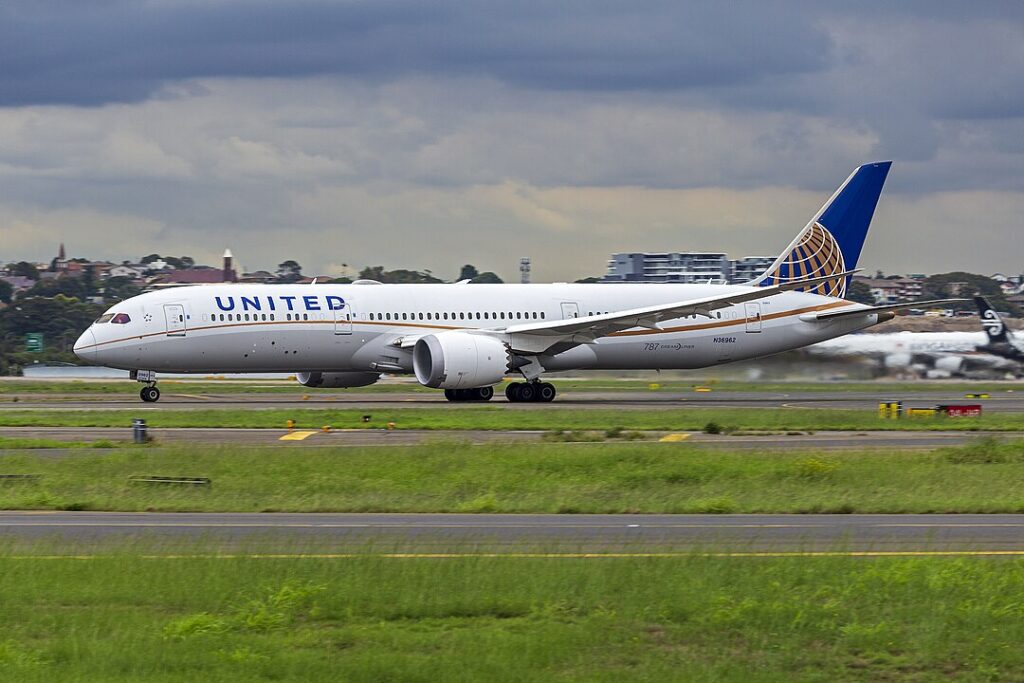
The event unfolded on October 12, when the crew waited 6 minutes for late connections. As the Boeing 787 prepared for pushback, three passengers appeared at the gate window, waving desperately.
Perez’s team had already closed the door and completed checklists, making reopening impossible without major delays.
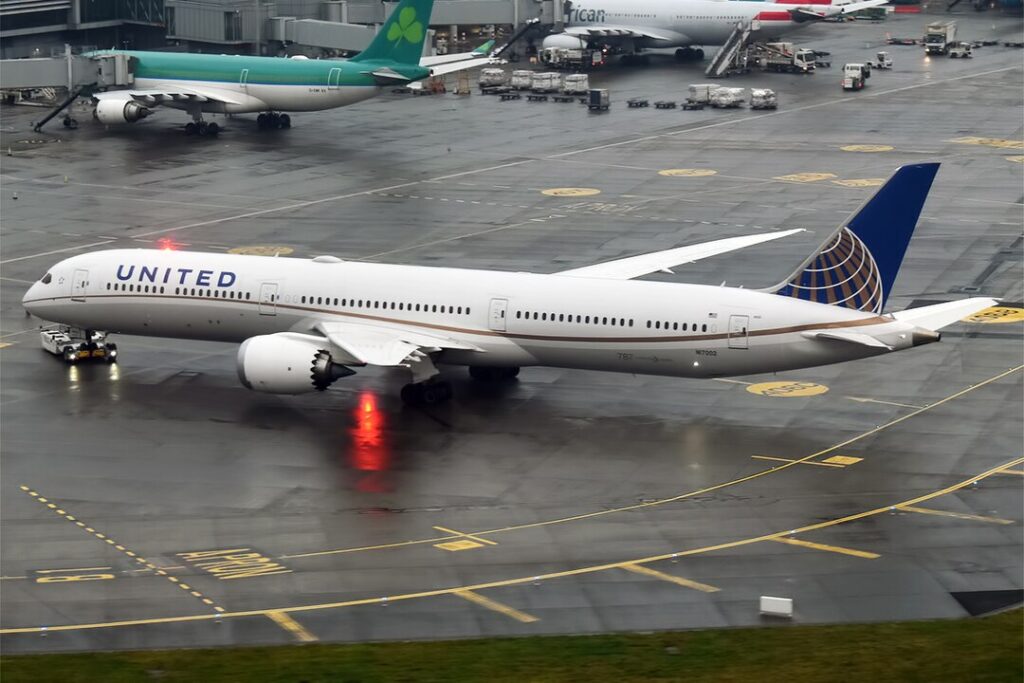
United Pilot Leaves Passenger Behind
Captain Luis Perez posted a heartfelt message on LinkedIn, addressing the stranded travelers directly. He explained how the team loaded two late bags but spotted the three individuals too late.
“It broke my heart to see them there, pleading to come aboard,” Perez wrote. The post emphasized that procedures protect all passengers, yet human stories linger behind every decision.
Perez noted the flight’s official closure: jetway disconnected, agent departed, and weight calculations finalized.
Reopening would reverse safety steps and risk misconnections for dozens at Lisbon (LIS).
According to OMAAT, this rare display of vulnerability from a pilot underscores empathy’s role in aviation. Perez closed by hoping the passengers read his words and know their plight touched the crew deeply.
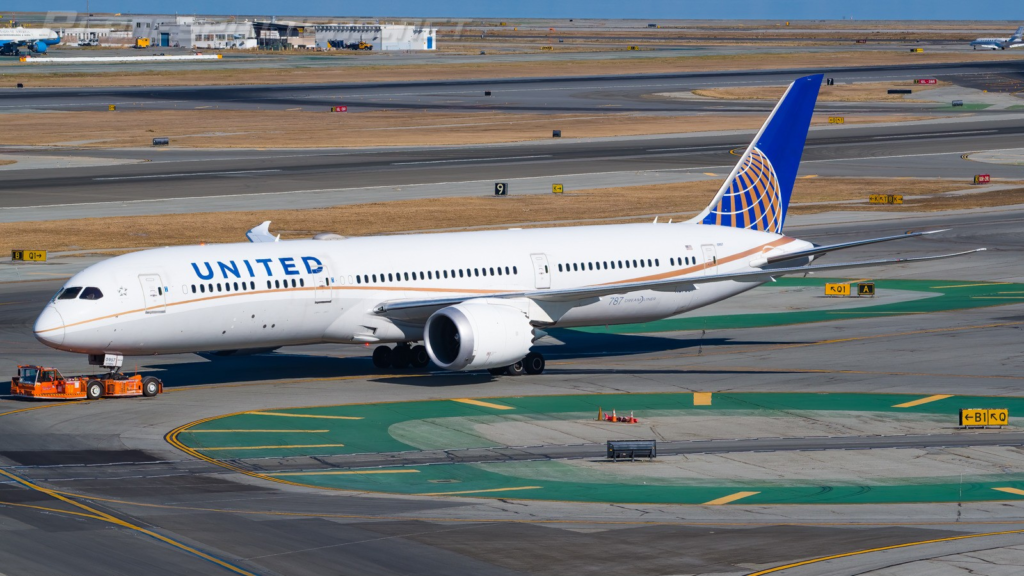
Operational Realities in Transatlantic Flights
Airlines like United (UA) use tools such as ConnectionSaver to optimize wait times. This technology analyzes connections and decides holds, often just minutes long.
On this Newark (EWR)-Lisbon (LIS) route, a six-minute extension already stretched limits. Gate agents and ramp crews follow strict protocols to avoid cascading delays across global networks.
Pilots train rigorously on these rules, prioritizing collective safety over individual pleas. Perez’s choice prevented broader disruptions, like missed onward flights in Europe.
Yet, the incident reveals tensions: procedures ensure efficiency, but they can feel rigid to those affected. United invests in training to foster understanding, though frontline staff often absorb passenger frustrations first.
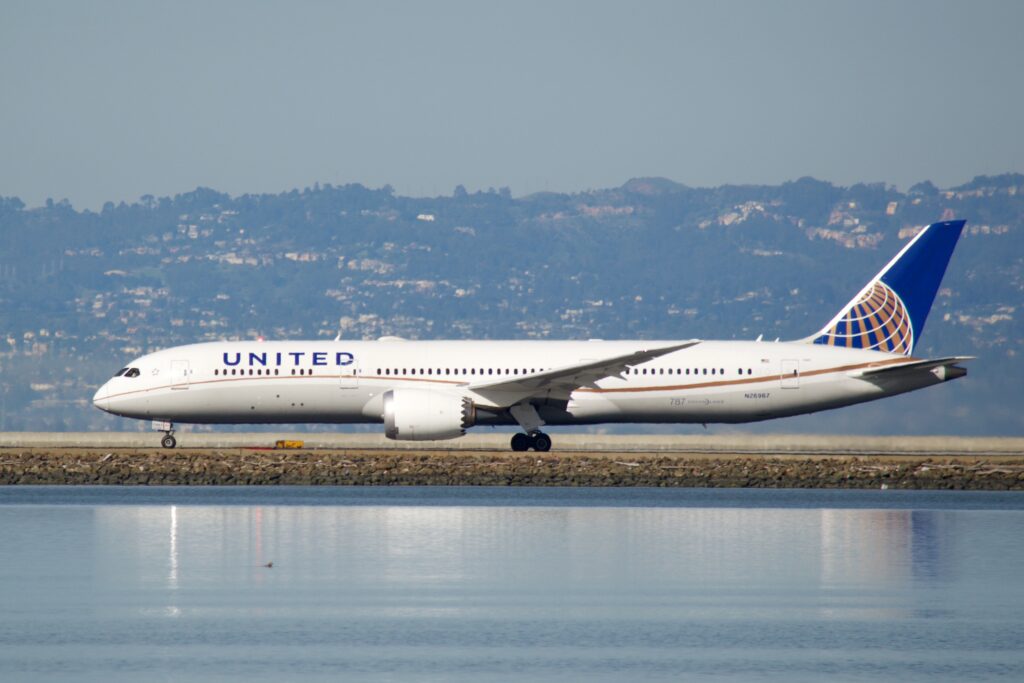
Empathy’s Role in Modern Aviation
Pilots transport people through life’s milestones, from vacations to crises. Perez’s post reminds the industry that operators are not machines but caregivers.
Gate agents, exposed to daily stress, sometimes lose this perspective. Simple acts, like clear communication during delays, build trust and reduce tension.
United (UA) leads in customer service innovations, yet stories like this show room for growth. Passengers seek acknowledgment, not just resolutions.
Perez’s transparency models how leaders can humanize operations, potentially inspiring policy tweaks for more flexible holds on key routes.
Lessons for Passengers and Crew
Travelers benefit from arriving early for connections, especially at busy hubs like Newark (EWR). Airlines provide apps that track gate changes and alerts.
For crews, moments like this reinforce training on emotional intelligence. Perez’s reflection sparks dialogue: how can empathy integrate with efficiency without compromising safety?
This event affirms United’s (UA) commitment to reliable service. It also celebrates leaders who voice regrets, strengthening bonds between sky and ground.
Stay tuned with us. Further, follow us on social media for the latest updates.
Join us on Telegram Group for the Latest Aviation Updates. Subsequently, follow us on Google News
