

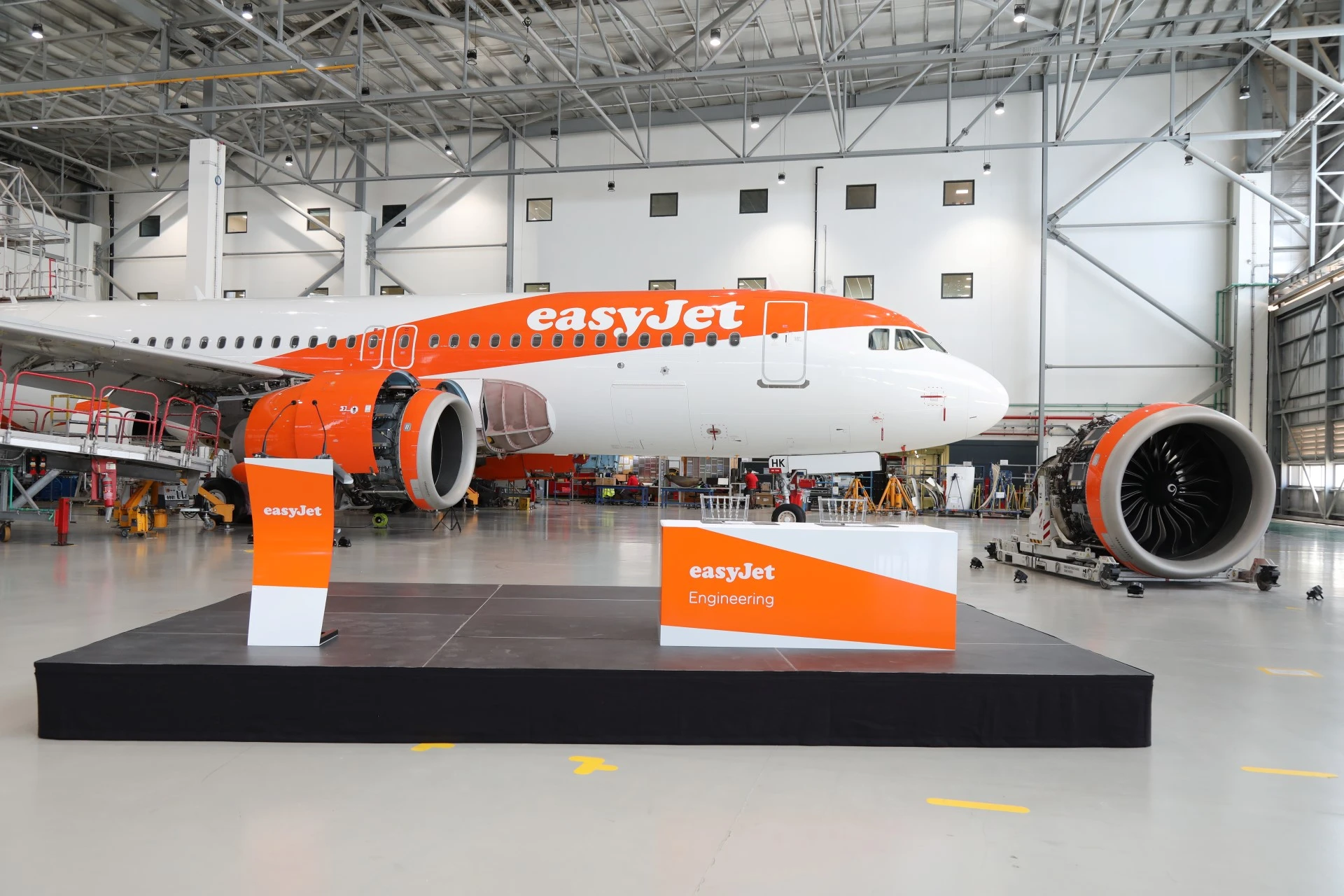
LONDON— When Ryanair (FR) chief executive Michael O’Leary forecast that easyJet (U2) would eventually be divided among Europe’s bigger carriers, few took the remark as more than his usual mischief.
Yet weeks later, the speculation surrounding EasyJet’s future has gathered serious momentum, with investors weighing whether the low-cost pioneer can resist takeover interest.
The latest round of reports linking shipping giant MSC to a potential offer sent EasyJet shares sharply higher before both sides denied formal talks.
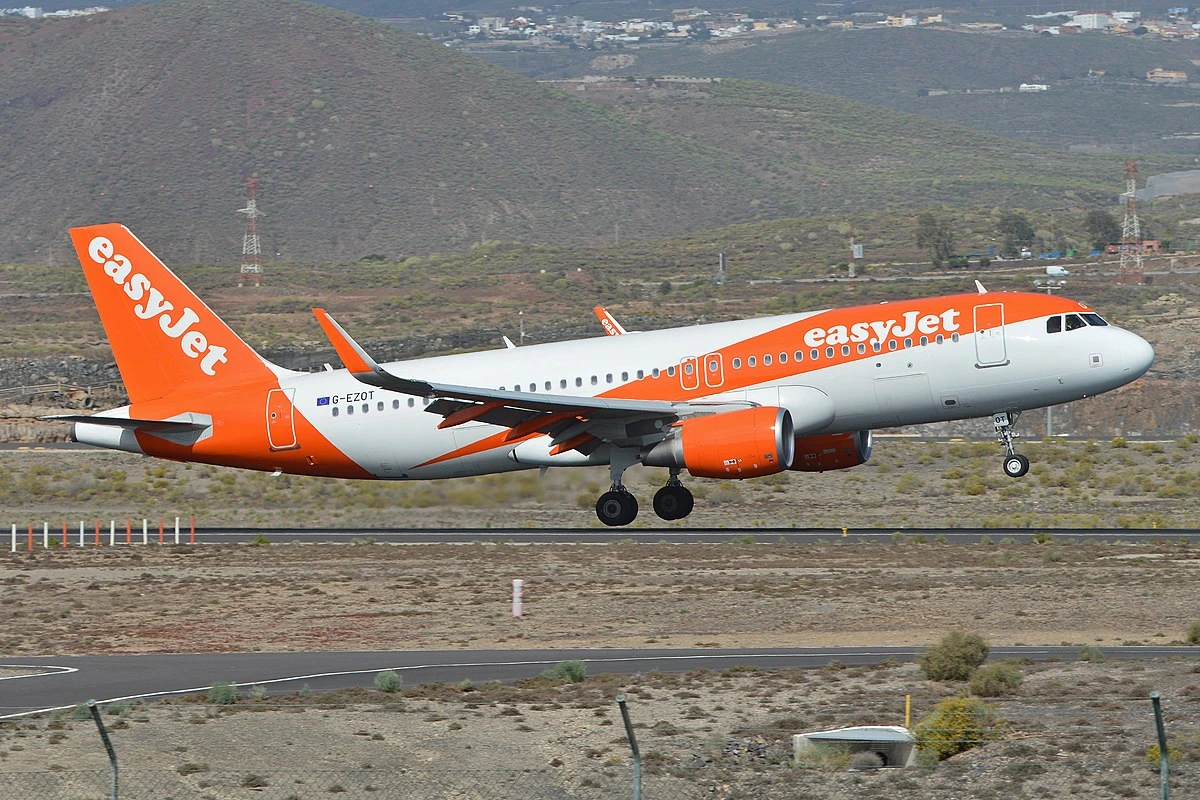
easyJet Takeover Rumors Turn Reality
EasyJet’s recovery since COVID-19 has been steady but slower than its low-cost rivals. Ryanair’s fleet now approaches twice the size, while Wizz Air (W6) has overtaken EasyJet in several Eastern European markets.
Analysts say EasyJet’s slot holdings at London Gatwick (LGW) and Paris Charles de Gaulle (CDG) remain its strongest assets—ironically, the very prize O’Leary predicted would be carved up between British Airways (BA) and Air France-KLM (AF).
Despite resilient summer demand, EasyJet faces headwinds from high fuel prices, wage inflation, and aircraft delivery delays. The carrier’s cautious expansion strategy, once seen as prudent, now risks leaving it overshadowed by more aggressive competitors.
Its balance sheet remains solid, but investors appear unconvinced that gradual growth alone will lift the share price to pre-2020 levels.
Industry Consolidation Trend
Europe’s airline sector is entering another consolidation wave. Lufthansa (LH) is acquiring ITA Airways (AZ), IAG (IC) continues to pursue Air Europa (AI), and Air France-KLM has shown interest in regional partners.
Analysts argue that EasyJet’s network across Gatwick, Paris, and Geneva makes it strategically valuable to any of these major groups seeking expansion without regulatory hurdles.
For now, EasyJet’s leadership insists the airline will remain independent. Chief executive Johan Lundgren has focused on cost discipline and core markets, citing solid passenger demand and improved ancillary revenue.
Still, O’Leary’s remarks have proven timely—Europe’s big carriers are circling for scale, and EasyJet’s low valuation leaves it exposed to a well-timed approach.
Even so, traders in London (LON) and Geneva (GVA) note that the airline’s depressed valuation makes it a likely target. With a market capitalization of about £3.7 billion (reported by the Irish Times), less than half its pre-pandemic peak, EasyJet’s once-dominant position looks increasingly fragile.

Bottom Line
Michael O’Leary’s early warning about EasyJet’s vulnerability no longer sounds far-fetched.
Whether a shipping group or rival flag carrier makes the first move, the structural logic of consolidation in European aviation is hard to ignore.
As profits return to the skies, EasyJet’s next challenge may not be competition—but ownership.
Stay tuned with us. Further, follow us on social media for the latest updates.
Join us on Telegram Group for the Latest Aviation Updates. Subsequently, follow us on Google News
