

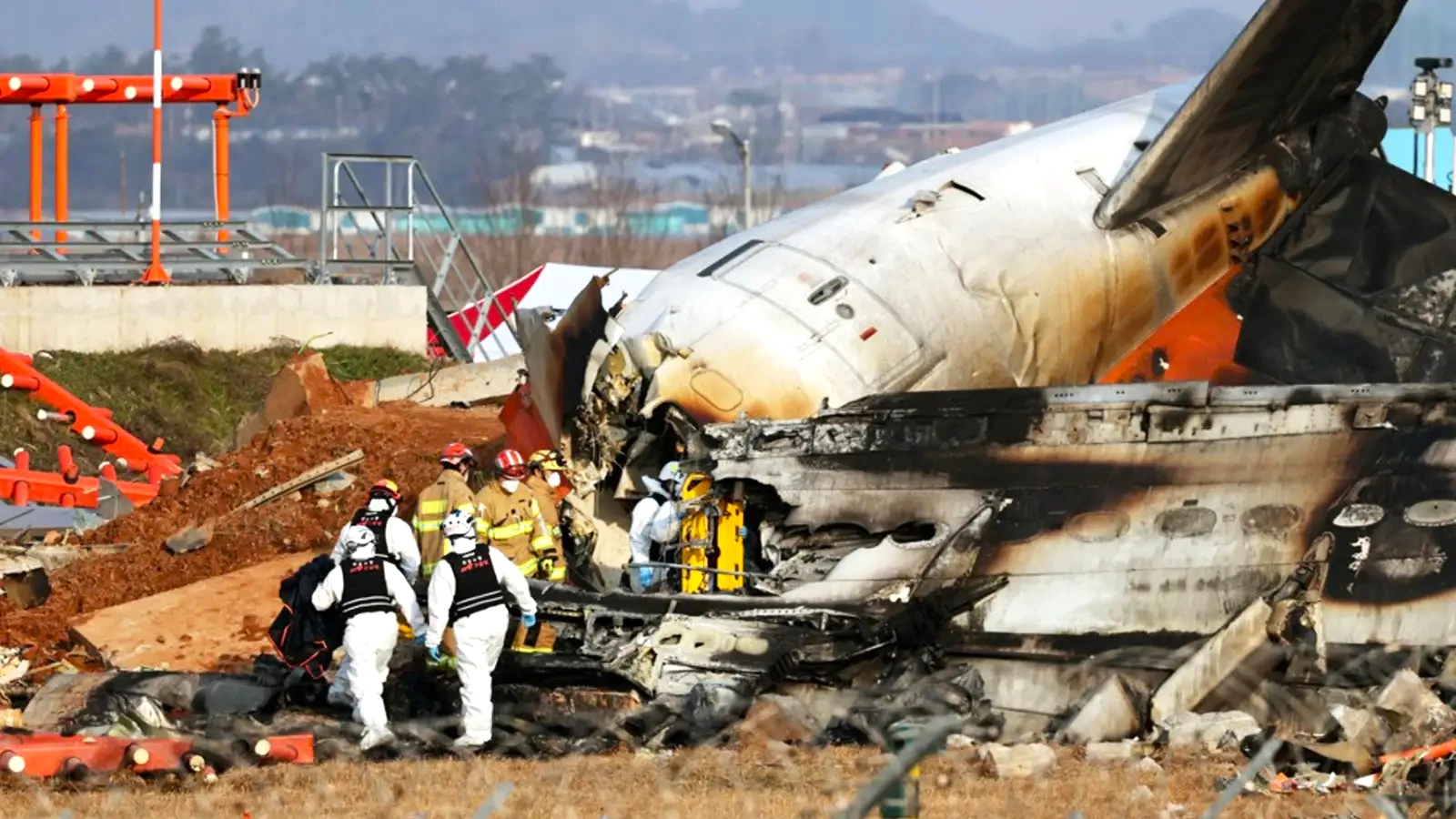
SEOUL- Nearly ten months after one of South Korea’s worst aviation tragedies, the families of those killed in the Jeju Air (7C) Flight 7C2216 disaster have filed lawsuits against Boeing. The families are alleging that manufacturing defects contributed to the deadly crash.
The ill-fated flight was being operated with a Boeing 737-800. The aircraft was operating from Bangkok to Muan International Airport on December 29, 2024, when it crashed during landing. The crash claimed 179 lives and left only two survivors.
The aircraft reportedly suffered a bird strike that disabled both engines as it approached the runway. With its landing gear failing to deploy, the plane attempted a belly landing, skidded off the runway, and struck a concrete barrier, igniting a massive fire. The incident remains one of the most devastating in South Korea’s aviation history.
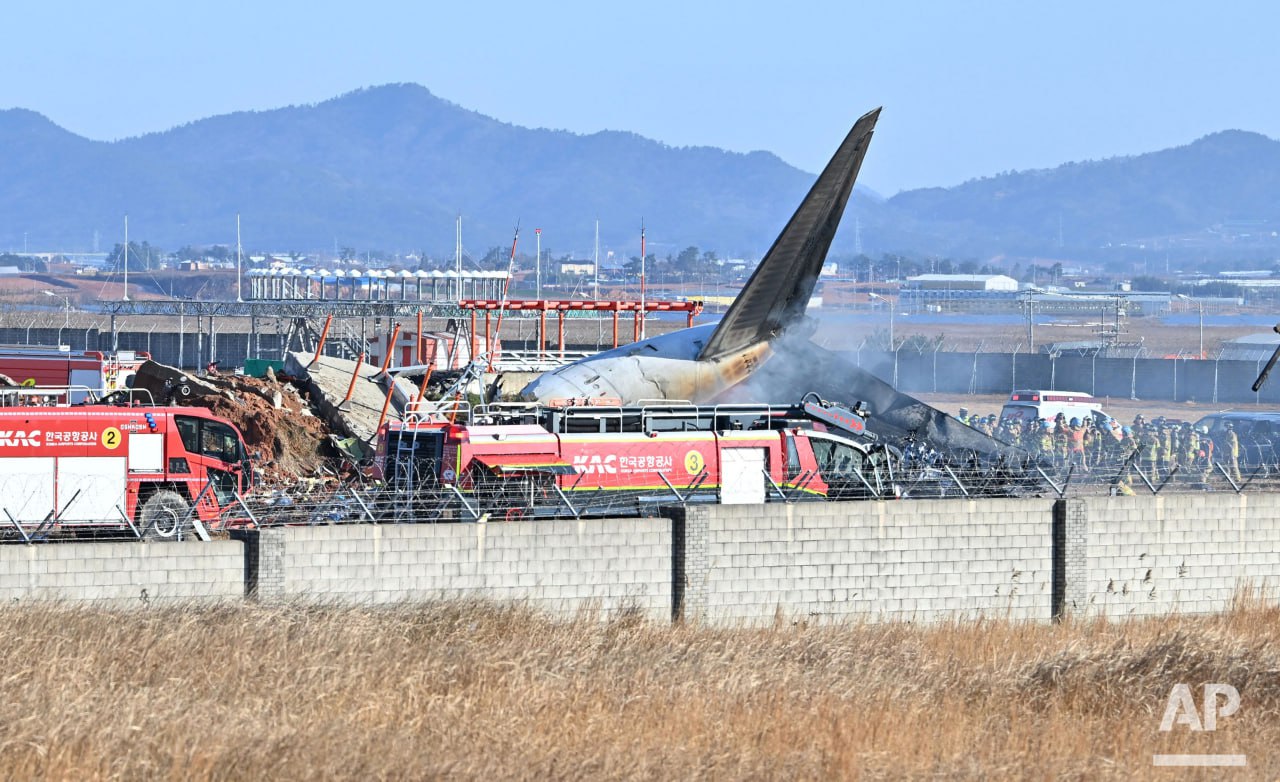
Jeju Air Crash Families Lawsuit Against Boeing
On October 15, 2025, families of the victims announced that they have filed lawsuits against Boeing. The families reached in the Superior Court of King County, Seattle, claimed the company’s manufacturing flaws played a role in the disaster.
According to legal representatives, two law firms have already submitted complaints. A third one is expected to follow. The suits allege that critical defects in the landing gear system and related components prevented proper deployment during the emergency, ultimately causing the loss of the aircraft and its occupants.
The families argue that Boeing bears responsibility for these failures, asserting that the 737-800’s systems “did not perform as intended in a foreseeable emergency situation.” Preliminary findings indicate that the engines had no major defects prior to the bird strike.
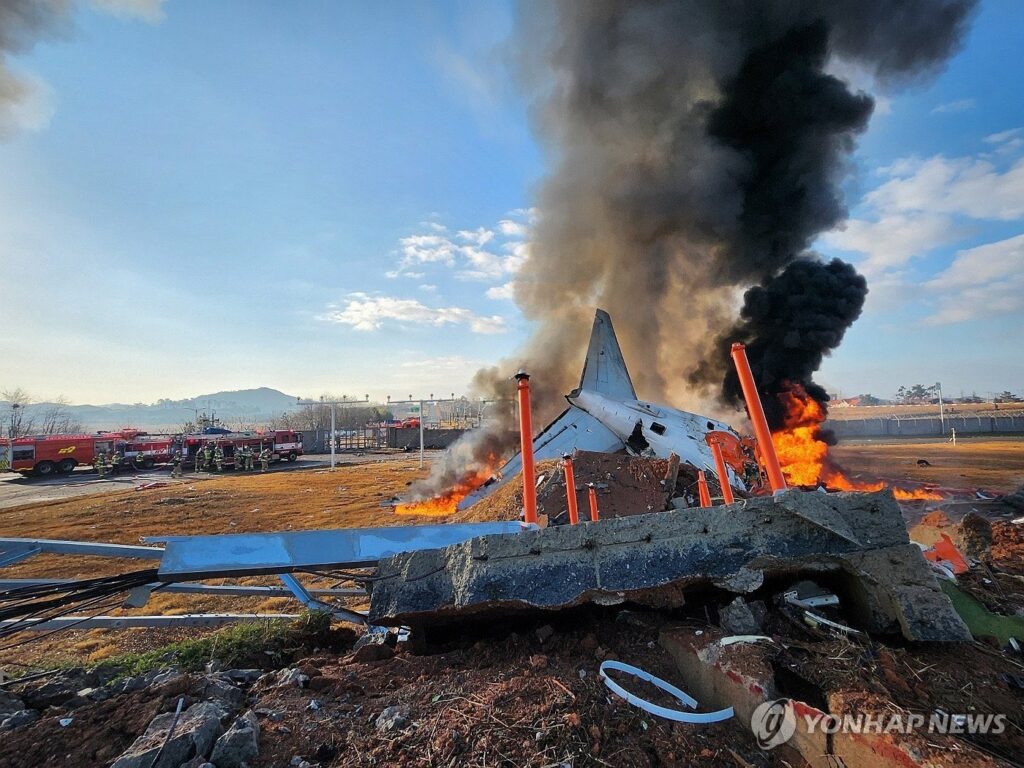
The Crash Investigation Report
An interim report released in July 2025 largely attributed the crash to the bird strike and pilot actions. Families of victims, however, criticized the findings for downplaying possible mechanical and design failures.
Flight 7C2216 was carrying 181 people, including six crew members, when it encountered a flock of birds shortly before touchdown. Investigators say both engines ingested birds, leading to dual engine failure.
However, investigators noted the crew may have mistakenly shut down the less-damaged engine. This must have compounded the loss of hydraulic power and control. Some of the families argued that Jeju Air’s crew training may have been inadequate.
Attention has also turned to airport infrastructure, particularly the concrete barrier at the end of the runway. Maintenance records added another layer of concern. The aircraft’s engine parts were replaced eight times in 2024, which raises questions about the reliability of CFM56 engines and the quality of recent overhauls.
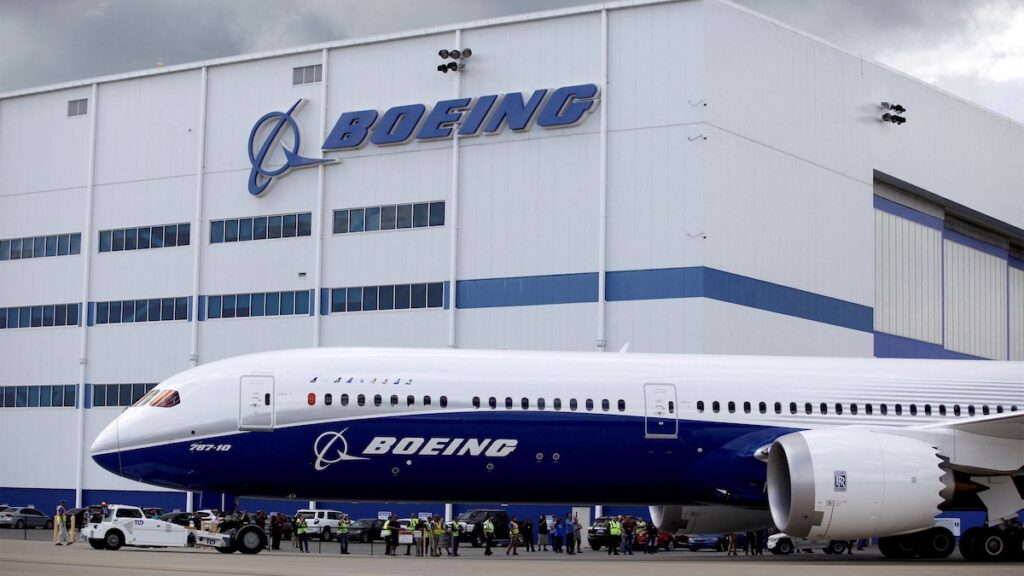
Legal Trouble Continues for Boeing
The Jeju Air tragedy and ensuing legal action place Boeing under renewed scrutiny. This comes at a time when it is still managing multiple ongoing safety and legal cases.
The families reaching out to the lawsuit say it is not just for the compensation but a demand for systemic reform. Several relatives have shared personal accounts — one mother’s final text to her son moments before the crash read: “The landing seems strange.”
The case has reignited discussions around the safety protocols and emergency procedure training. Regulators in South Korea and elsewhere are now reviewing mitigation protocols and airport safety standards to prevent future disasters.
As proceedings continue in the U.S. courts, Boeing has yet to issue a public response. Aviation observers expect that, as in similar past cases, the matter could be settled privately rather than proceed to a full trial.
The final investigation report is expected later this year. That report may provide more clarity on the sequence of events — and determine whether design, maintenance, or operational decisions ultimately sealed the fate of Jeju Air Flight 7C2216.
Stay tuned with us. Further, follow us on social media for the latest updates.
Join us on Telegram Group for the Latest Aviation Updates. Subsequently, follow us on Google News
