

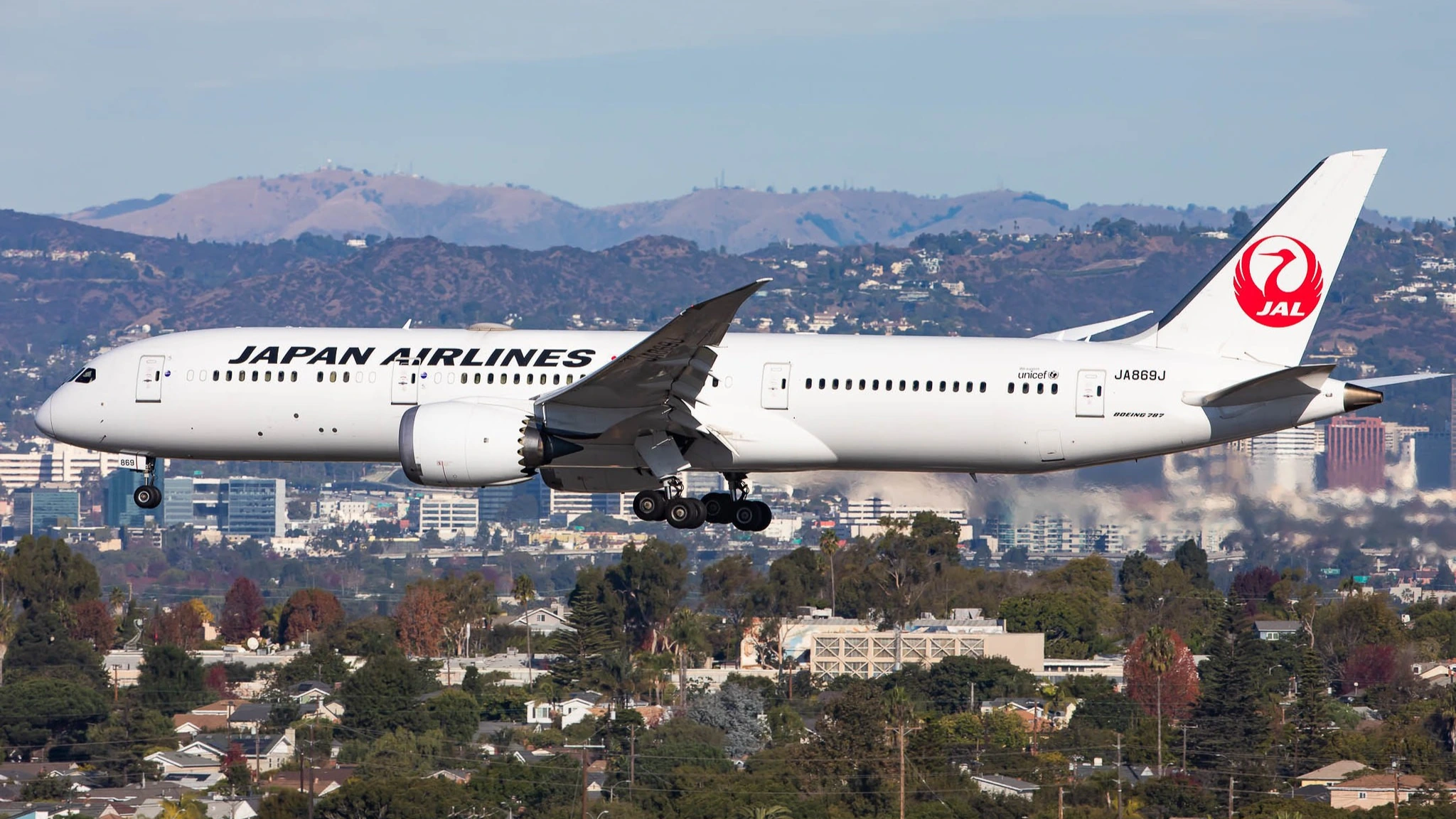
TOKYO- Japan Airlines (JL) will restart flights between Tokyo Narita (NRT) and Delhi (DEL) starting January 17, 2026. This brings back a route that hasn’t operated in several years. The airline will now serve Delhi from both Narita and Haneda airports, with each targeting different types of passengers.
JAL is clearly trying to capture different market segments. The Haneda route serves point-to-point traffic – Japanese tourists visiting India, Indian business travelers heading to Tokyo, students, and families.
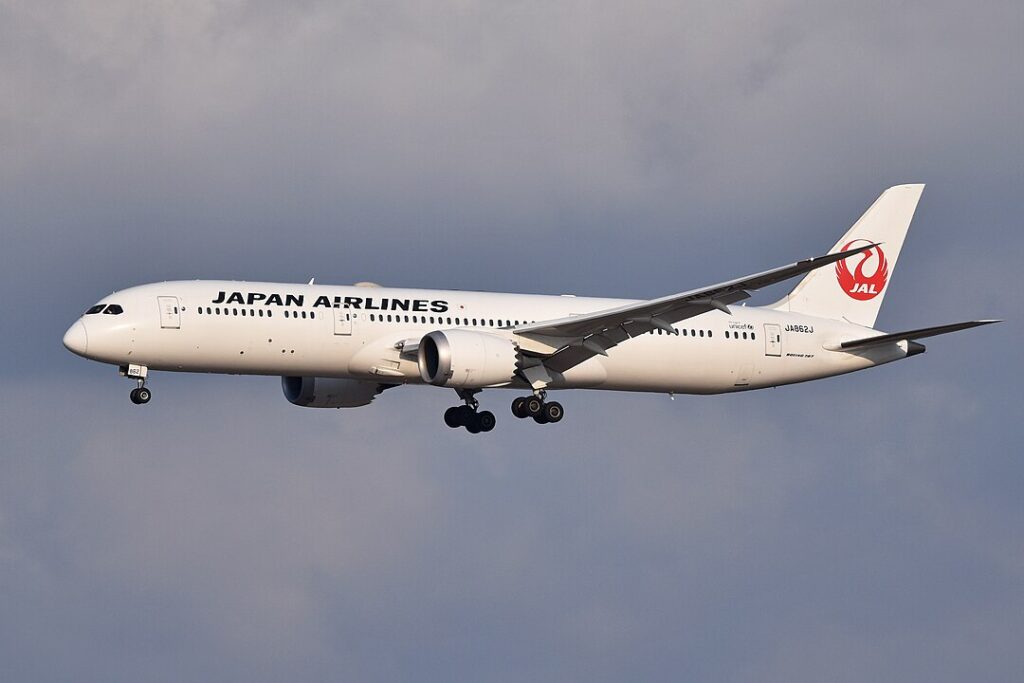
Japan Airlines Tokyo Narita to Delhi Flights
JAL already flies between Haneda and Delhi. Now it’s adding Narita back. The two airports serve different roles in Tokyo’s aviation network.
The new Narita-Delhi service operates once daily with a Boeing 787-8 aircraft. Flight JL749 leaves Narita at 20:15 and arrives in Delhi at 03:00 the next day. The return flight JL740 departs Delhi at 04:35 and reaches Narita at 15:10.
The timing works well for connections. The evening departure from Narita allows passengers to connect from daytime flights arriving from North America or Europe. The afternoon arrival back gives people time to catch onward flights.
Narita is farther from downtown Tokyo, about 60 kilometers away. But it handles more international long-haul traffic for JAL.
The airport has connections to North America, Europe, and other international destinations. With this flight, JAL is targeting travelers connecting between international flights rather than point-to-point passengers ending their journey in Tokyo.
The Route History
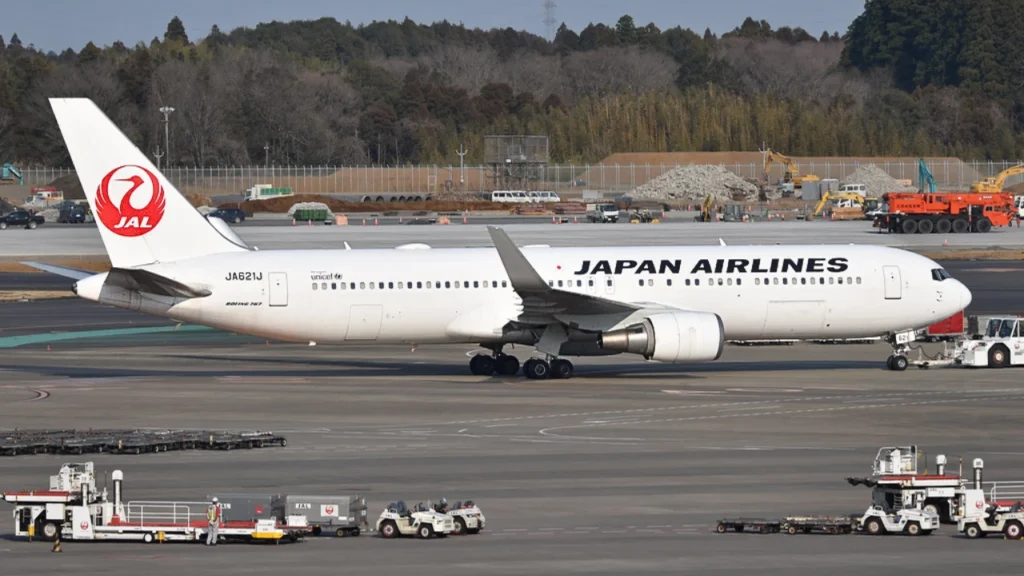
JAL has flown to Delhi for decades, starting service back on May 4, 1965. For most of that time, flights operated through Narita. Around late 2019, JAL moved its Delhi service from Narita to Haneda. This happened right before COVID-19 disrupted global aviation.
By running Delhi flights from both airports, JAL covers different passenger needs. Haneda works on direct traffic between Japan and India. Narita targets connecting passengers – Indians flying to the U.S. via Tokyo, or Americans heading to India through Japan.
The Narita-Delhi route resumes in January 2026, which means the Narita route has been gone for about six years. JAL kept the Haneda-Delhi service going, but Narita sat out entirely.
Why Narita Alongside Haneda
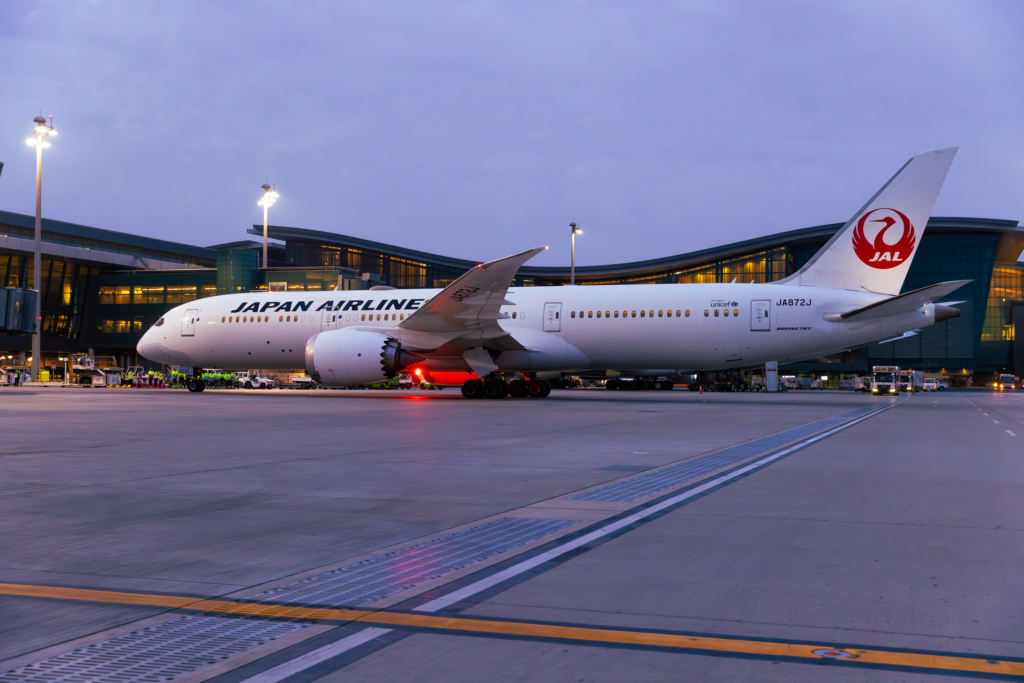
The Narita route goes after connecting traffic. Passengers flying from America to India might prefer routing through Tokyo rather than the Middle East or Europe. Also, Indians heading to Canada could connect through Narita. These passengers don’t care as much about Narita being far from Tokyo since they’re just transferring.
JAL also has a codeshare partnership with IndiGo Airlines (6E), India’s largest domestic airline. This partnership feeds passengers into JAL’s international network.
Someone flying from a tier-2 or 3 indian city on IndiGo could connect to a JAL flight to Tokyo, then onward to San Francisco. Having both Narita and Haneda options makes this network more flexible.
The Narita restart also positions JAL better against Middle Eastern and European carriers like Emirates and Qatar Airways. These airlines capture lots of India-North America traffic through their Gulf hubs. JAL will now offer Tokyo as an alternative connection point.

Bottom Line
Haneda sits closer to central Tokyo. It’s more convenient for people starting or ending their trip in the city. The airport also has better connections to domestic Japanese destinations. If you’re flying from Osaka to Delhi, connecting through Haneda makes sense.
If you’re flying between Tokyo and Delhi, you now have two options with JAL. Choose Haneda if your trip starts or ends in Tokyo. Pick Narita if you’re connecting to other international destinations or coming from North America or Europe.
The dual-airport strategy gives JAL more schedule flexibility. If one flight is full, passengers might have space on the other. For Delhi, having two daily JAL flights increases connectivity options, especially combined with the IndiGo codeshare.
Stay tuned with us. Further, follow us on social media for the latest updates.
Join us on Telegram Group for the Latest Aviation Updates. Subsequently, follow us on Google News
